Growing Calendula in Containers: Essential Tips for Success
Calendula's Garden is reader suported This post may contain affiliate links, more on our Disclaimer page. Thank you!

Growing your own calendula in containers offers an array of benefits that extend beyond their vibrant beauty. Let’s explore the essential tips for successfully cultivating these radiant flowers in containers.
Introduction to Calendula Plants
Calendula, often referred to as “pot marigold,” has a rich history and holds significance for both gardeners and herbalists.
Originating from the Mediterranean region, this hardy annual has been cherished for centuries.
Not only is it a staple in ornamental gardening, but calendula also boasts medicinal properties.
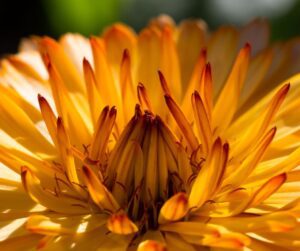
Known for its bright yellow and orange petals, calendula is a favorite for those who seek to add a splash of color to their gardens while reaping health benefits.
Where to find seeds, plants, and supplies:
Benefits of Growing Calendula in Containers
One of the primary advantages of growing calendula in containers is the efficient use of space. This is a practical solution for urban gardeners with limited yard space or those living in apartments.
Containers can be placed on balconies, patios, or even windowsills. Another benefit is the easy access to the plants.
When grown in pots, grow bags, and other containers, calendula can be moved as needed to ensure they receive optimal sunlight. This flexibility allows for better control over growing conditions, which can lead to healthier plants and more abundant blooms.
Perhaps one of the most appealing aspects is the ability to enjoy year-round blooms.
By moving containers indoors during colder months, you can extend the growing season and continue to enjoy the cheerful presence of calendula flowers throughout the year.
Essential Tips for Container Selection
Choosing the right container is crucial for the success of growing calendula. The size of the container should be at least 12 inches in diameter to provide adequate space for root growth.
Larger containers can accommodate multiple plants, creating a more lush display.
The material of the container also matters.
Terra cotta pots are excellent for allowing air circulation to the roots, but they can dry out quickly. Plastic containers retain moisture better but may not provide the same level of aeration.
Privacy Ideas for Small Backyards: Creative Solutions for Intimate Outdoor Spaces
Consider the specific needs of your growing environment when selecting materials. For example, it is very dry here in Arizona, so I typically use plastic containers or very large grow bags to effectively manage soil moisture for my container plants.
Drainage is another critical factor. Ensure that your container has drainage holes to prevent waterlogging, which can lead to root rot.
If your chosen container lacks drainage, consider adding a layer of gravel or perlite at the bottom to facilitate proper water flow.
Best Practices for Planting Calendula
For successful planting, start with a high-quality soil mix. Calendula prefers well-draining soil rich in organic matter.
You can create an ideal mix by combining equal parts potting soil, compost, and perlite or sand.
Watering is essential, especially for container plants. Calendula requires consistent moisture but does not tolerate soggy soil. Water your plants when the top inch of soil feels dry, ensuring deep watering to encourage root development.
Light Requirements for Plants: How to Choose the Right Location for Your Garden
Sunlight is another key requirement. Calendula thrives in full sun and needs at least six hours of direct sunlight daily.
If growing indoors, place the containers near a sunny window or use grow lights to supplement natural light.
Maintenance Guide

Maintaining your calendula plants involves regular fertilization. Use a balanced, water-soluble fertilizer every four to six weeks to promote healthy growth and vibrant blooms.
Organic options such as fish emulsion or compost tea are also beneficial.
Be vigilant about common pests and diseases.
25 Mosquito Repellent Plants for a Bug-Free Haven
Aphids, whiteflies, and powdery mildew are frequent issues. Regularly inspect your plants and treat infestations promptly with insecticidal soap or neem oil.
Pruning is important to encourage continuous blooming. Deadhead spent flowers to prevent seed formation and redirect the plant’s energy toward producing new blooms. Regular pruning also helps maintain the plant’s shape and overall health.
Harvesting and Utilizing Calendula
Harvesting calendula flowers is best done in the morning after the dew has dried. Gently pluck the fully open flowers, leaving some behind to encourage continuous blooming.
To dry the flowers, spread them out on a screen or drying rack in a warm, dark place. Once fully dried, store them in an airtight container away from direct sunlight.
5 Benefits of Calendula Flowers
Calendula flowers have a variety of uses. They can be infused into oils to create soothing salves for skin irritations, brewed into teas for their anti-inflammatory benefits, or even added to culinary dishes for a pop of color and a mild, peppery flavor.
Growing calendula in containers offers a unique opportunity to enjoy these radiant flowers regardless of your available space.
Calendula’s Garden is reader supported. When you buy through links on our site, we may earn an affiliate commission. As an Amazon Associate, I earn from qualifying purchases. For more information, view our Disclaimer page. Thank you!