Growing Basil: Cultivating Flavor
Calendula's Garden is reader suported This post may contain affiliate links, more on our Disclaimer page. Thank you!
Basil plants (Ocimum basilicum) are beloved herbs that have been celebrated for their versatility in cooking and their historical and cultural significance for centuries.
From the aromatic leaves of sweet basil to the vibrant purple hues of Thai basil, this herb adds a distinctive flavor to dishes around the world.
Not only does basil elevate your culinary creations, but it also offers numerous health benefits, making it a valuable addition to any garden or container.

Basil Characteristics Table
| Characteristic | Description |
| Common Name | Basil, Sweet Basil |
| Botanical Name | Ocimum basilicum |
| Plant Type | Herbaceous annual (can be grown as a short-lived perennial in frost-free climates) |
| USDA Hardiness Zones | Zones 10–11 (grown as an annual in all other zones) |
| Mature Height | 1 to 2.5 feet |
| Mature Spread | 1 to 2 feet |
| Light Requirements | Full sun (at least 6–8 hours of direct sunlight per day is ideal for best flavor and growth) |
| Moisture Requirements | Moderate; prefers consistently moist but well-drained soil. Water at the base of the plant to prevent fungal diseases. Do not let it dry out completely. |
| Soil Preference | Rich, well-drained, loamy soil with a neutral pH (6.0–7.5). |
| Bloom Time | Mid to late summer; flowers are typically white or pink and grow on spikes. It’s recommended to pinch off flower buds to prolong leaf production. |
| Harvest Time | Leaves can be harvested as soon as the plant has several sets of leaves. Harvest regularly throughout the growing season to encourage bushier growth. |
Growing Basil in the Garden
Growing basil plants in the garden brings a multitude of benefits that appeal to both avid gardeners and home cooks alike.
Basil not only serves as a flavorful and aromatic addition to a wide range of dishes, but it also boasts a robust profile of vitamins and antioxidants that contribute to overall health.
Additionally, basil plants can act as natural pest repellents, deterring insects like mosquitoes and aphids, thus promoting a healthier garden ecosystem.
Cultivating basil in the garden provides an opportunity to enjoy fresh, home-grown herbs year-round, enhancing the taste and quality of your meals while supporting sustainable living practices.
There are several varieties of basil, each with unique characteristics and flavors. Sweet basil, the most common type, is recognized for its aromatic leaves, which are perfect for Italian dishes such as pesto and pasta sauces.
Genovese basil, a variety of sweet basil, boasts larger leaves and an intense aroma, ideal for making authentic pesto.
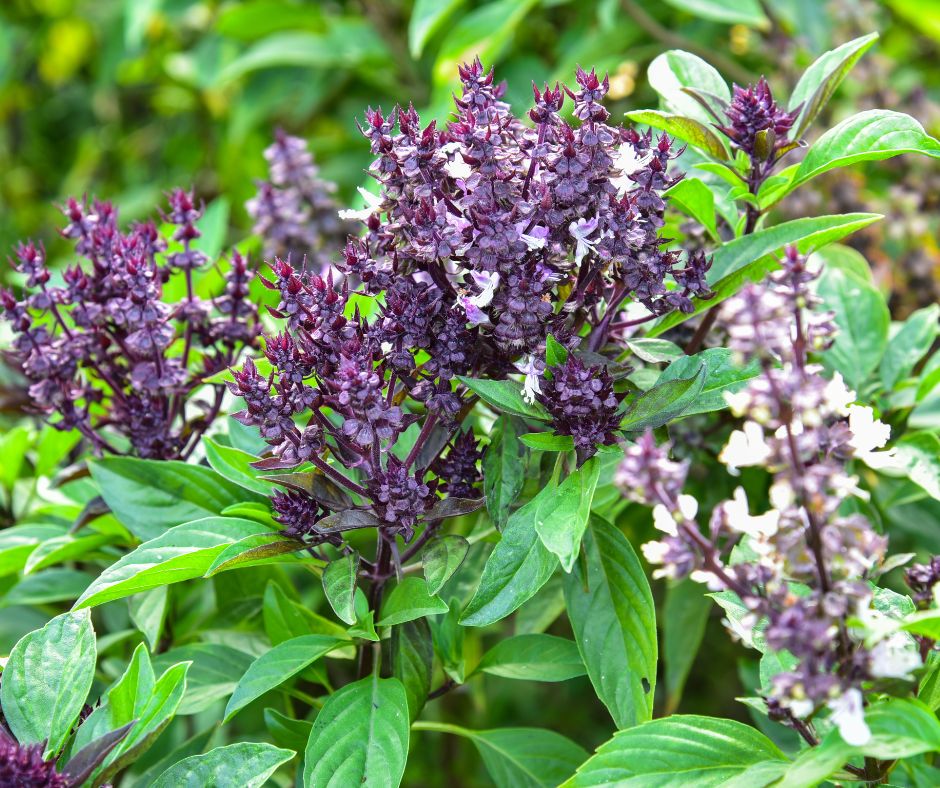
Thai basil, with its distinctive anise-like flavor and striking purple stems, complements Asian cuisine exceptionally well. Lemon basil and lime basil offer citrus undertones, adding a refreshing twist to salads and seafood dishes.
Dark Opal and Purple Ruffles basil features deep purple leaves that not only provide flavor but also add visual appeal to culinary creations and garden beds.
By incorporating a variety of basil plants into your garden, you can enjoy a diverse array of flavors and uses, ensuring that there is a perfect type of basil for every culinary need.
Where to find seeds, plants, and supplies:
Soil and Sunlight Requirements
To ensure your basil thrives, it’s essential to provide the right growing conditions. Basil prefers well-draining soil with a pH level between 6.0 and 7.0.
Amend your soil with organic matter, such as compost, to improve its structure and fertility. Basil is a sun-loving herb, requiring at least 6 hours of direct sunlight daily for optimal growth.
7 Best Garden Soil Amendments and Fertilizers
Planting and Watering
You can start basil from seeds or transplants. If using seeds, sow them directly in the garden after the last frost, planting them 1/4 inch deep and 10-12 inches apart.
Keep the soil consistently moist but not waterlogged. When the seedlings reach 2-3 inches tall, thin them out to maintain proper spacing.
If using transplants, plant them at the same depth as their original container and water them thoroughly after planting.
Maintenance Tips
Regularly pinch off the top leaves of your basil plants to encourage bushier growth and prevent flowering, which can alter the flavor of the leaves.
Apply a balanced, water-soluble fertilizer every 4-6 weeks to support healthy growth. Monitor your plants for signs of pests, such as aphids or whiteflies, and address any issues promptly using natural remedies like insecticidal soap or neem oil.
Companion Planting
Basil makes an excellent companion plant in the garden. It helps repel pests from other crops and enhances the flavor of nearby plants.
Some ideal companions for basil include tomatoes, peppers, oregano, and garlic. Avoid planting basil near cucumbers or sage, as they may hinder each other’s growth.
Companion Plants for Basil
Planting basil near other crops can provide mutual benefits, enhancing growth and flavor while repelling pests. Here is a list of plants that benefit from having basil as a companion:
- Tomatoes: Basil helps repel insects like aphids and tomato hornworms, and it can improve the flavor of tomatoes.
- Peppers: Both bell peppers and chili peppers benefit from basil’s pest-repelling properties.
- Oregano: These herbs together can create a microclimate that deters pests and promotes healthy growth.
- Asparagus: Basil repels asparagus beetles, helping to protect this perennial vegetable.
- Garlic: Known for its pest-repelling abilities, garlic pairs well with basil to double up on natural insect repellents.
- Marigolds: When planted near basil, marigolds can help ward off nematodes and other garden pests.
- Petunias: These flowers help deter aphids, tomato worms, and other pests, protecting your basil and other crops.
- Parsley: Basil can help improve the growth and flavor of parsley when planted nearby.
- Borage: This herb attracts beneficial insects like pollinators and can enhance the flavor of basil.
- Lettuce: Basil helps to improve the growth and flavor of lettuce and can deter pests such as aphids.
By strategically planting basil alongside these companion plants, you can foster a healthier and more productive garden environment.
Growing Basil in Containers
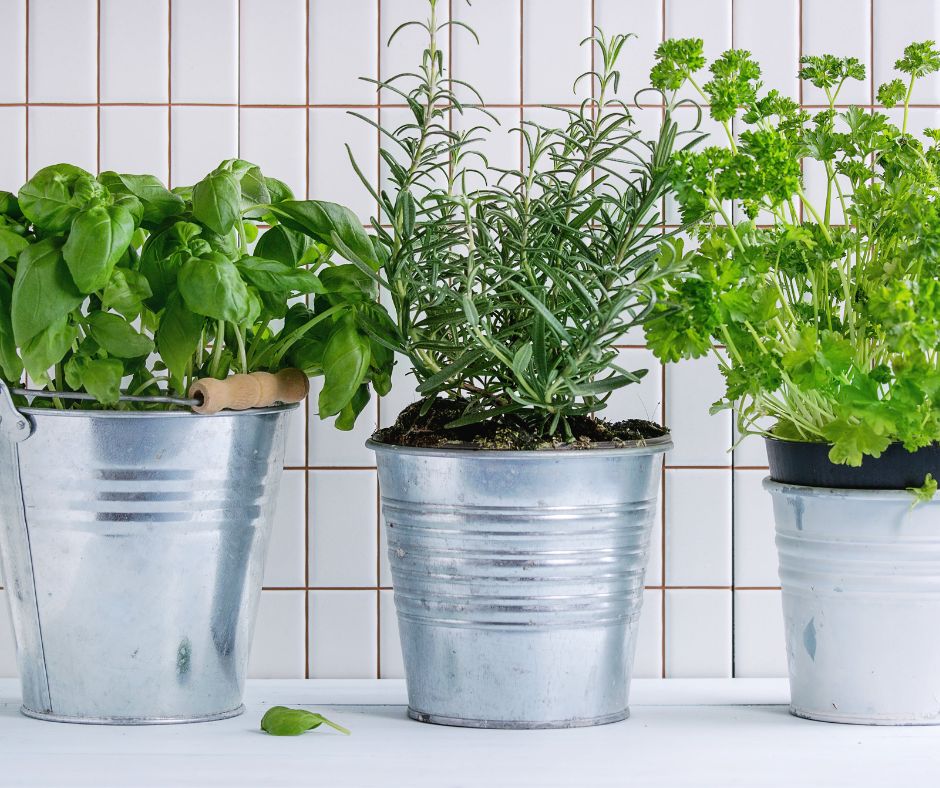
Growing basil plants in containers offers many benefits, especially for those with limited garden space or living in urban environments.
Containers are versatile and can be placed on balconies, patios, or even windowsills, making it easy to cultivate fresh herbs in a confined area.
One of the primary advantages of container gardening is the control you have over the plant’s environment. You can easily manage soil quality, drainage, and sunlight exposure, ensuring optimal growing conditions for your basil.
Another benefit is mobility. Containers can be moved to follow the sun throughout the day or to a sheltered location during harsher weather, providing a more stable and controlled growing climate.
This adaptability can lead to a more robust harvest, as basil is a sun-loving plant that thrives in consistently warm conditions. Additionally, growing basil in containers can reduce the risk of pests and diseases that thrive in garden beds.
Elevated containers are less accessible to some ground-dwelling pests, and the contained soil environment can be more easily monitored and treated.
25 Mosquito Repellent Plants for a Bug-Free Haven
Container gardening also promotes better water management. It is simpler to keep the soil at the ideal moisture level, preventing both underwatering and overwatering, which can be more challenging in traditional garden setups.
Moreover, harvesting basil from a container is often more convenient, allowing for easy access to fresh leaves right from your doorstep or kitchen.
Overall, growing basil in containers offers an excellent solution for maintaining healthy, vibrant plants and enjoying fresh, aromatic basil regardless of garden space limitations.
Choosing the Right Container
If you have limited garden space or prefer the convenience of container gardening, basil thrives in pots as well.
Select a container at least 12 inches deep and wide with adequate drainage holes. Terra cotta or ceramic pots work well, as they allow for better air circulation and moisture regulation.
Soil and Sunlight Requirements
Fill your container with a high-quality, well-draining potting mix specifically formulated for herbs. Ensure the container receives at least 6 hours of direct sunlight daily, just like garden-grown basil.
Planting and Watering
Plant your basil seedlings or transplants in the container, allowing enough space for each plant to grow.
Water your container basil more frequently than garden-grown plants, as the soil in pots tends to dry out faster. Check the soil moisture daily and water when the top inch feels dry to the touch.
Maintenance Tips
Pinch off the top leaves regularly to promote bushier growth. Apply a balanced, water soluble fertilizer every 2-4 weeks, as container plants require more frequent fertilization. Monitor for pests and address any issues promptly.
Using Basil in the Kitchen and Home
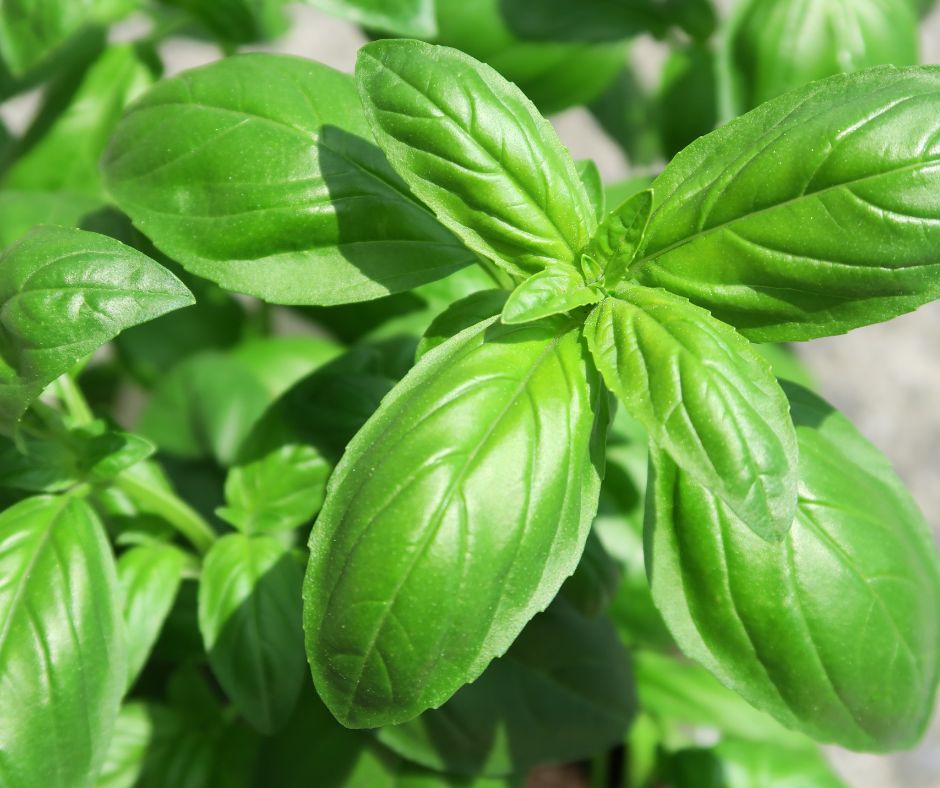
Basil is not only a garden staple but also a versatile ingredient in the kitchen, enhancing the flavor of numerous dishes.
Fresh basil leaves can be torn or chiffonade to garnish salads, pastas, and pizzas, providing a burst of aromatic freshness.
Traditional recipes like pesto showcase basil’s robust flavors, blending it with olive oil, pine nuts, garlic, and Parmesan cheese for a rich, zesty sauce.
Basil pairs exceptionally well with tomatoes, making it a perfect addition to caprese salads, tomato sauces, and bruschetta.
In addition to its culinary uses, basil has various applications around the home. Its pleasant scent makes it an excellent choice for homemade natural air fresheners or potpourri.
Basil essential oil, known for its calming properties, can be used in aromatherapy or added to homemade cleaning products for a fresh, herbal fragrance. Whether used for cooking or domestic purposes, basil’s versatility makes it an invaluable herb to keep on hand.
Health Benefits of Basil
In addition to its culinary uses, basil offers numerous health benefits. It is rich in antioxidants, vitamins (A, C, and K), and minerals like iron and calcium.
Basil has anti-inflammatory properties and may help reduce stress, support digestive health, and boost the immune system. Incorporating fresh basil leaves into your diet can contribute to overall wellness.
Growing basil in your garden or containers is a rewarding experience that yields flavorful leaves and promotes wellness.
By providing the right growing conditions, companion plants, and regular care, you can enjoy a bountiful harvest of this versatile herb.
Whether you’re a seasoned gardener or a novice, basil is a delightful addition to any green space. Embrace the joy of cultivating your own basil and savor its delightful aroma and taste in your favorite dishes.
Share your experiences and tips with fellow herb enthusiasts and inspire others to discover the pleasure of growing basil.
Happy Gardening!
Visit the Garden Resources page for supplies and inspiration. Don’t forget to subscribe to the Calendula’s Garden Newsletter for more gardening tips.
Calendula’s Garden is reader supported. When you buy through links on our site, we may earn an affiliate commission. As an Amazon Associate, I earn from qualifying purchases. For more information, view our Disclaimer page. Thank you!