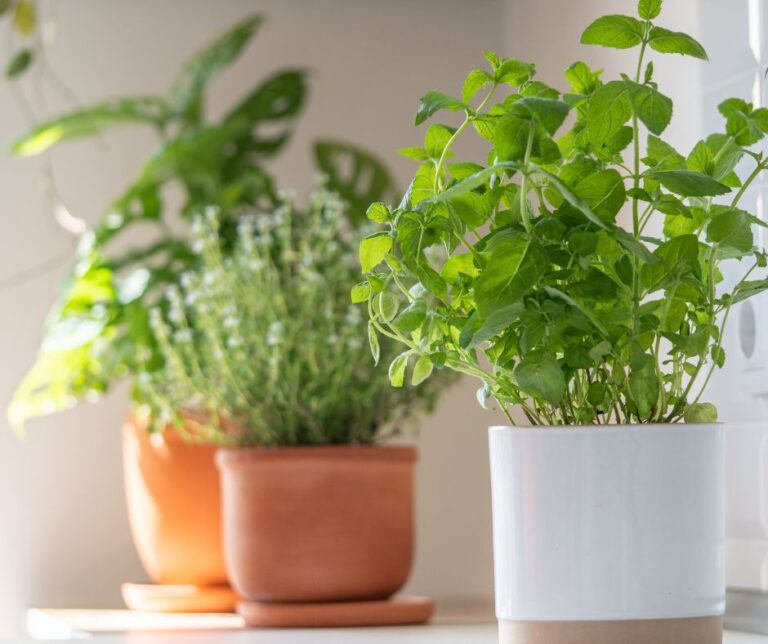
Growing and Enjoying a Thriving Parsley Patch
Calendula's Garden is reader suported This post may contain affiliate links, more on our Disclaimer page. Thank you!
Parsley often gets relegated to the side of a dinner plate, acting as a simple splash of color before being pushed away.
However, this humble herb offers an incredible depth of flavor and a wealth of nutritional benefits that deserve center stage in your kitchen.
Growing parsley from seed is a rewarding process that allows you to cultivate a continuous supply of vibrant, fresh leaves right outside your back door or on a sunny windowsill.
Many new gardeners hesitate to start herbs from scratch, fearing complex requirements or fragile seedlings.
Parsley does require a bit of patience during its early stages, but once established, it becomes one of the most resilient and productive plants in your garden. By understanding its basic needs, you can easily maintain a thriving patch of green well into the cooler months.
This comprehensive guide covers everything you need to know about cultivating this aromatic herb.
We will explore the plant’s rich history, health benefits, and specific growing requirements, providing you with a clear roadmap from sowing your first seed to serving up homemade, herb-infused dishes.
Parsley Characteristics at a Glance
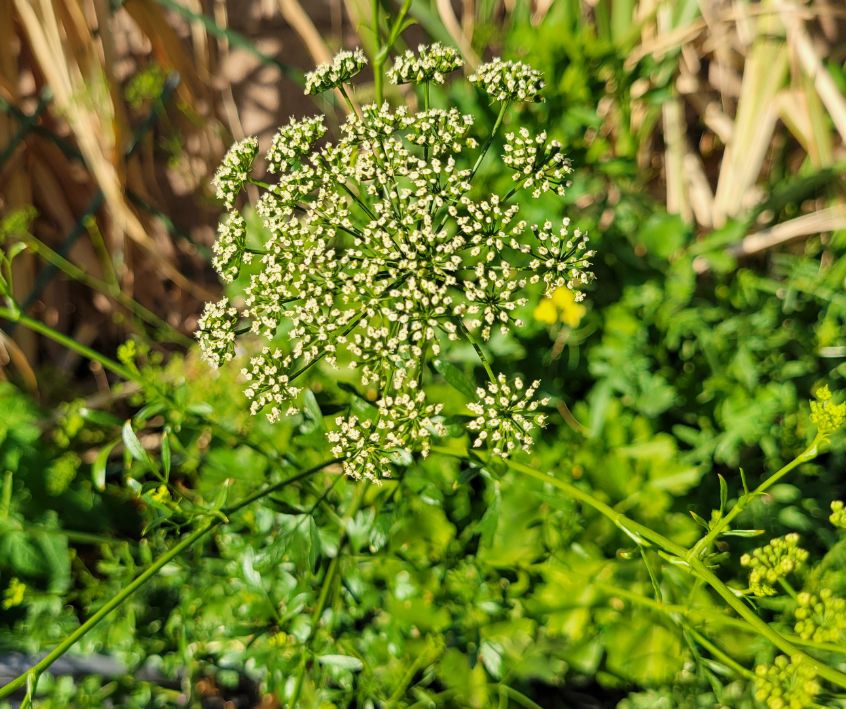
Before getting your hands dirty, it helps to understand the basic profile of the plant. Use this quick-reference table to gauge the ideal conditions for your herb garden.
| Plant Characteristic | Details |
| Botanical Name | Petroselinum crispum |
| Plant Type | Biennial (usually grown as an annual) |
| Sun Exposure | Full sun to partial shade |
| Soil Type | Loamy, well-draining, rich in organic matter |
| Soil pH | 6.0 to 7.0 (Slightly acidic to neutral) |
| Hardiness Zones | 2 through 11 |
| Water Needs | Consistent moisture, do not let soil dry completely |
Natural History and Folklore
Parsley carries a fascinating history that stretches back thousands of years. Originating in the central Mediterranean region, it was highly revered by ancient cultures long before it became a culinary staple.
The Ancient Greeks associated the herb with Persephone, the goddess of the underworld, and used it to fashion wreaths for graves and champion athletes.
The Romans eventually brought parsley into the kitchen. They consumed it in large quantities and wore garlands of the herb during banquets to deter intoxication and mask strong odors.
As the Roman Empire expanded, so did the cultivation of this hardy green plant, eventually spreading throughout Europe and the rest of the world.
Folklore from the Middle Ages suggested that parsley seeds had to travel to the devil and back seven times before they could sprout. This myth likely arose because the seeds have a notoriously long and uneven germination period.
Today, we know the science behind the slow growth, but the old stories add a touch of magic to the planting process.
Health Benefits of Parsley
Adding fresh parsley to your daily meals provides a significant nutritional boost. This herb acts as a powerhouse of essential vitamins and antioxidants, supporting various functions within the human body.
A single tablespoon of chopped fresh leaves contains more than half of your daily recommended intake of Vitamin K, which is crucial for bone health and proper blood clotting.
It also supplies a healthy dose of Vitamin C to support your immune system and Vitamin A to protect your eye health.
Parsley also contains unique volatile oils, such as myristicin, and flavonoids like luteolin. These compounds function as strong antioxidants, helping to neutralize free radicals and reduce cellular oxidative stress.
Regular consumption can aid digestion, freshen breath naturally, and provide a mild diuretic effect that supports kidney function.
Parsley Varieties: Curly vs. Flat Leaf
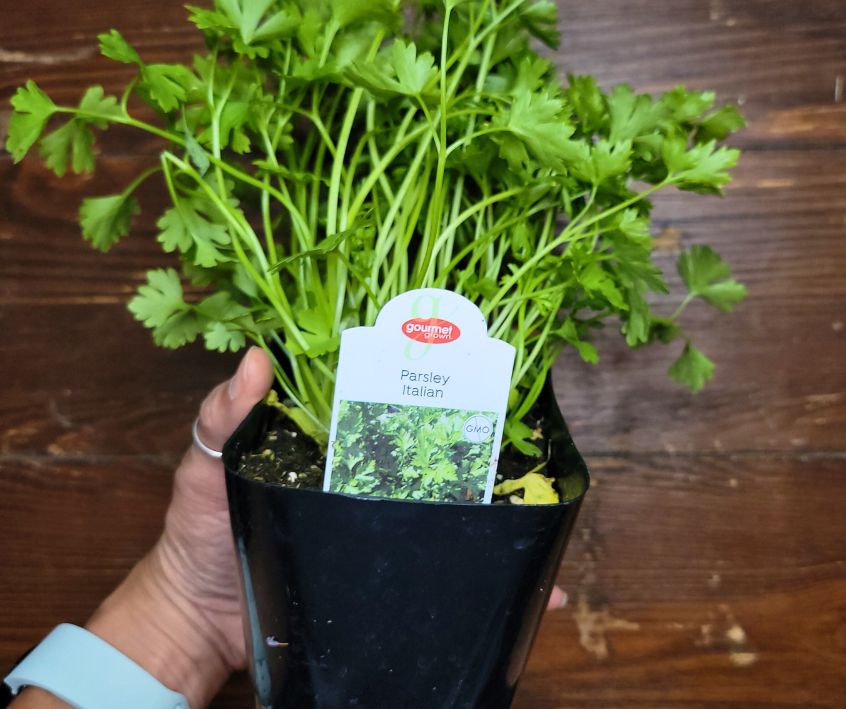
When shopping for seeds, you will generally encounter two primary varieties. Choosing the right one depends entirely on your culinary preferences and garden aesthetic.
Curly Leaf Parsley (Petroselinum crispum)
This variety features ruffled, bright green leaves that create a beautiful, textured mound in the garden. Curly parsley has a relatively mild flavor.
It holds its shape well after being chopped, making it an excellent decorative garnish for soups, roasts, and salads.
Flat Leaf or Italian Parsley (Petroselinum crispum var. neapolitanum)
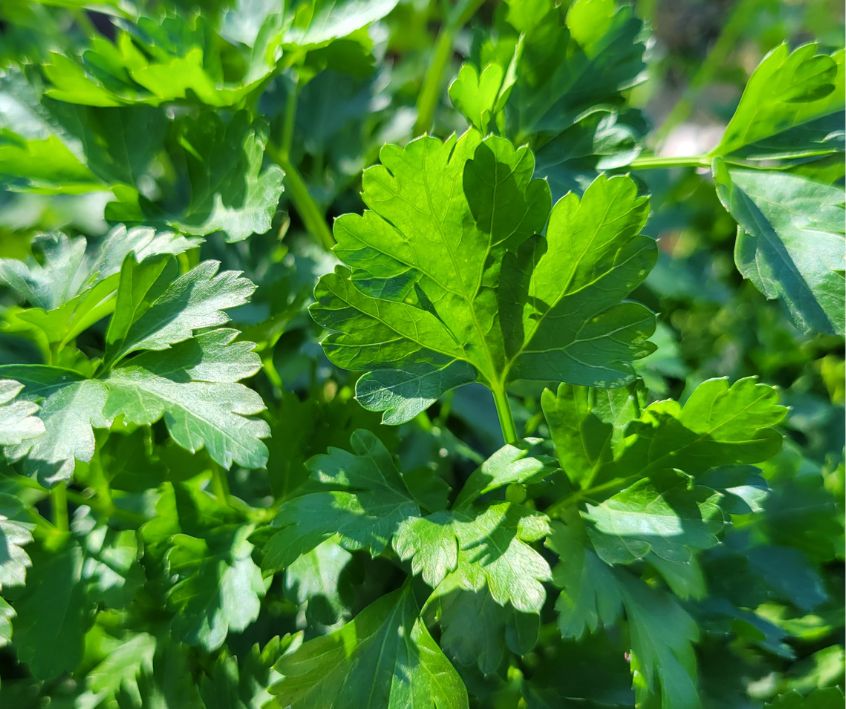
Italian parsley produces broad, smooth leaves that resemble cilantro. Chefs heavily favor this variety because it boasts a robust, peppery flavor that holds up wonderfully during the cooking process.
If you plan to use your harvest primarily for sauces, stews, and marinades, flat leaf is the superior choice.
Hamburg Rooted Parsley (Petroselinum crispum var. tuberosum)
Hamburg rooted parsley is a lesser known variety cultivated primarily for its edible taproot rather than its leaves.
Resembling a small parsnip, the root has a mildly earthy and nutty flavor, making it a great addition to soups, stews, and roasted vegetable dishes. Though its leaves are less flavorful than the curly or flat-leaf varieties, they can still be used as a garnish or seasoning.
This dual purpose plant thrives in well drained soil and requires a growing period of several months to develop fully mature roots. It is a versatile choice for gardeners looking to diversify their harvest.
Where to find seeds, plants, and supplies:
Sowing from Seed
Starting this herb from seed teaches a gardener patience. The seeds contain naturally occurring compounds called furanocoumarins in their outer coating, which inhibit rapid sprouting. Germination typically takes anywhere from three to four weeks.
You can speed up this process by soaking your seeds in warm water for 12 to 24 hours prior to planting. Discard any seeds that float to the top, as they are likely non-viable. Drain the remaining seeds and let them dry on a paper towel just enough so they do not stick to your fingers.
Sow the seeds indoors about six to eight weeks before your region’s last expected frost date. Press them lightly into a high quality seed starting mix, covering them with no more than a quarter-inch of soil.
Keep the soil consistently moist using a spray bottle, and place the trays in a warm spot, ideally around 70°F (21°C). Once the seedlings develop two sets of true leaves, they are ready to be hardened off and transplanted.
Video Step-by-Step Parsley Growing Guide
Gardening Guide: Soil, Sun, and Spacing
Parsley thrives in environments that mimic its Mediterranean origins. Choose a planting site that receives at least six to eight hours of direct sunlight daily.
If you live in a particularly hot climate, partial afternoon shade will prevent the leaves from scorching or becoming bitter.
Prepare your garden bed by working a generous amount of compost into the top six inches of soil. The roots need loose, soil with good drainage to develop properly. Heavy clay soils can retain too much water, leading to root rot.
Space your transplants or thinned seedlings about eight to ten inches apart. This spacing allows for adequate air circulation, which prevents fungal diseases like powdery mildew.
Water the plants deeply at the base to keep the root zone evenly moist. Applying a light layer of organic mulch around the stems helps retain soil moisture and suppresses competing weeds.
Companion Planting
Strategic placement in the garden benefits both your herbs and your vegetables. Parsley makes an excellent companion plant for tomatoes, asparagus, and sweet corn.
The aromatic oils in the leaves attract beneficial insects like hoverflies and parasitic wasps, which naturally prey on destructive pests such as aphids and tomato hornworms.
Avoid planting your herbs near alliums like garlic and onions, as they can stunt each other’s growth.
There are a few books I refer to on a regular basis when planning my gardens with companion planting in mind. They are:
Carrots Love Tomatoes: Secrets of Companion Planting for Successful Gardening,
Roses Love Garlic: Companion Planting and Other Secrets of Flowers
Vegetables Love Flowers: Companion Planting for Beauty and Bounty.
Succession Sowing
To ensure a continuous supply of fresh greens from spring until the first hard freeze, practice succession planting.
Instead of sowing all your seeds at once, plant a new small batch every three to four weeks. As the older plants mature and their leaf production slows down, the younger generation will be ready for cutting.
🌱Create a custom garden calendar with our Succession Planting Schedule Calculator
Harvesting and Storing Fresh Parsley
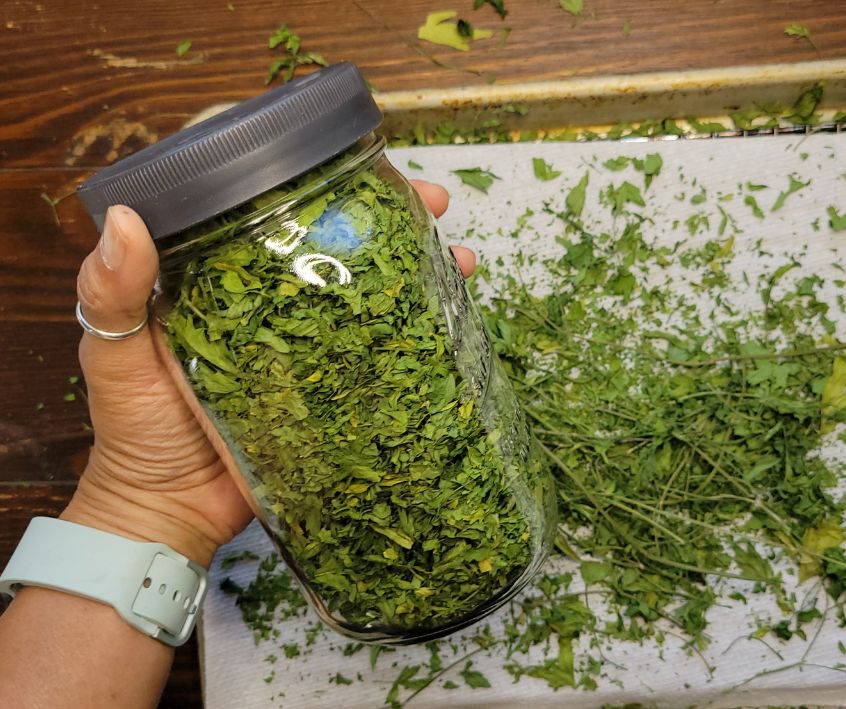
You can begin harvesting once the plant establishes a strong root system and produces plenty of leafy stems, usually about 70 to 90 days after sowing.
Always cut the outermost stems first, snipping them off right at the soil level. Leaving the inner stalks intact allows the plant to keep generating new growth from the center rosette.
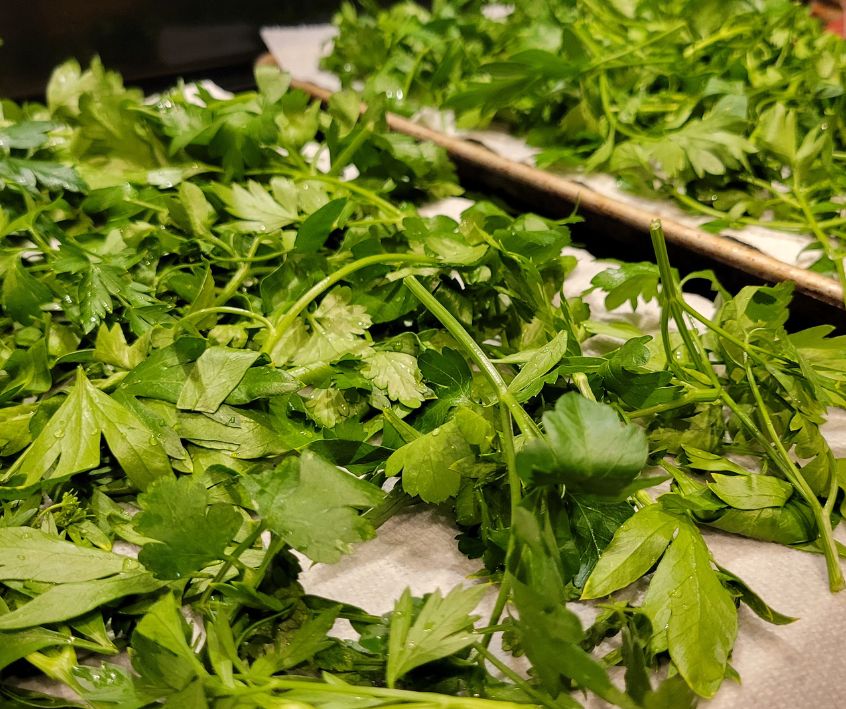
Fresh parsley loses its flavor quickly if left out on the counter. To store it in the refrigerator, trim the stem ends, place the bunch in a glass with an inch of water, and loosely cover the leaves with a plastic bag. This method keeps the greens crisp for up to two weeks.
For long term storage, freezing preserves the essential oils much better than drying. Chop the fresh leaves finely, pack them into ice cube trays, and cover them with a little olive oil or water.
Once frozen solid, transfer the cubes to a sealed container. You can drop these flavorful blocks directly into winter soups and sauces.
Parsley is easy to dry for easy storage and quick use in the kitchen. If you live in a dry climate like I do, place clean dry leaves on racks in a cool dark place. They will dry within a couple of days.
For more consistent results, use a dehydrator set to the herb setting. Placing your trays of parsley in the oven at the lowest setting is also an option. But keep a close eye on it.
The COSORI Food Dehydrator is pretty versatile. It’s great for jerky, dog treats, herbs, meat, fruit, and yogurt. It’s made of stainless steel and has produced consistent results for all of my drying projects.
Easy Parsley Recipe Inspiration
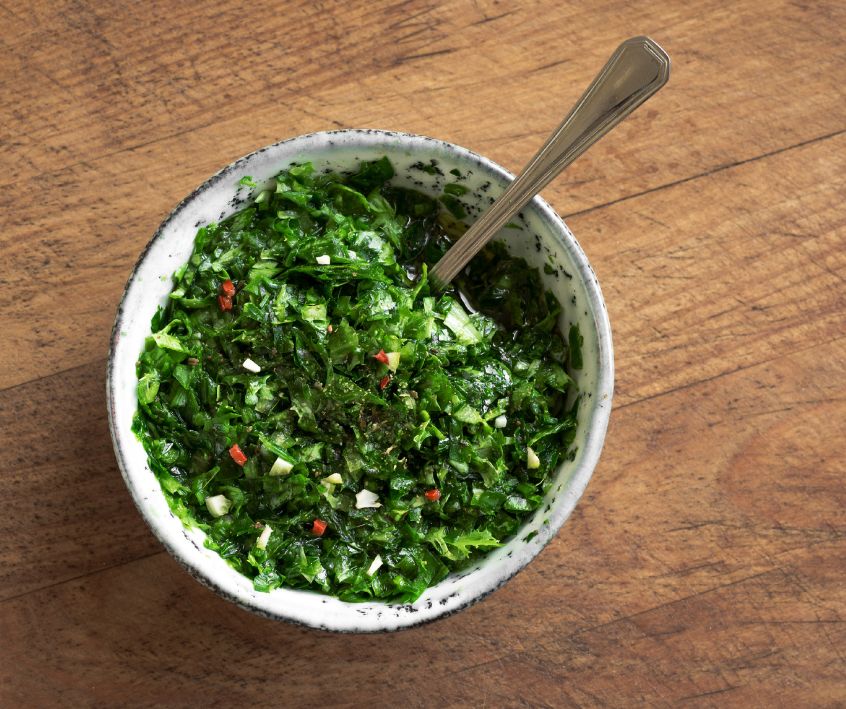
Having a bountiful harvest means you can explore plenty of fresh culinary applications. Here are a few simple ways to let your homegrown herbs shine.
Classic Chimichurri Sauce
Blend one packed cup of fresh flat-leaf parsley with three cloves of garlic, a quarter cup of olive oil, two tablespoons of red wine vinegar, a pinch of red pepper flakes, and salt to taste. Serve this vibrant, tangy sauce over grilled steak, chicken, or roasted vegetables.
My Ninja Blender has been great for making smooth sauces and smoothies.
Traditional Tabbouleh Salad
Combine finely chopped curly parsley, fresh mint, diced tomatoes, and soaked bulgur wheat. Dress the mixture generously with fresh lemon juice and high quality olive oil. This refreshing Middle Eastern salad relies on parsley as a main leafy ingredient rather than a simple garnish.
Herb Garlic Butter
Soften a stick of unsalted butter and mix in three tablespoons of minced parsley, two minced garlic cloves, and a dash of sea salt. Roll the butter into a log using parchment paper and chill it in the fridge. Slice a medallion to melt over freshly baked bread, baked potatoes, or warm pasta.
Keep Your Garden Green and Your Plates Flavorful
Growing parsley from seed provides a rewarding experience that improves both your garden’s health and your culinary adventures.
By understanding its slow germination and providing optimal soil, sunlight, and companions, you’ll be well-prepared to bring this versatile herb into your home.
With a little patience, you will soon enjoy the unmatched flavor and robust nutritional benefits of freshly harvested greens throughout the entire growing season.
Visit the Garden Resources page for supplies and inspiration. Don’t forget to subscribe to the Calendula’s Garden Newsletter for more gardening tips.
Calendula’s Garden is reader supported. When you buy through links on our site, we may earn an affiliate commission. As an Amazon Associate, I earn from qualifying purchases. For more information, view our Disclaimer page. Thank you!