Growing Alliums: A Guide to Cultivating Onions, Leeks, and Chives for Flavor and Wellness
Calendula's Garden is reader suported This post may contain affiliate links, more on our Disclaimer page. Thank you!
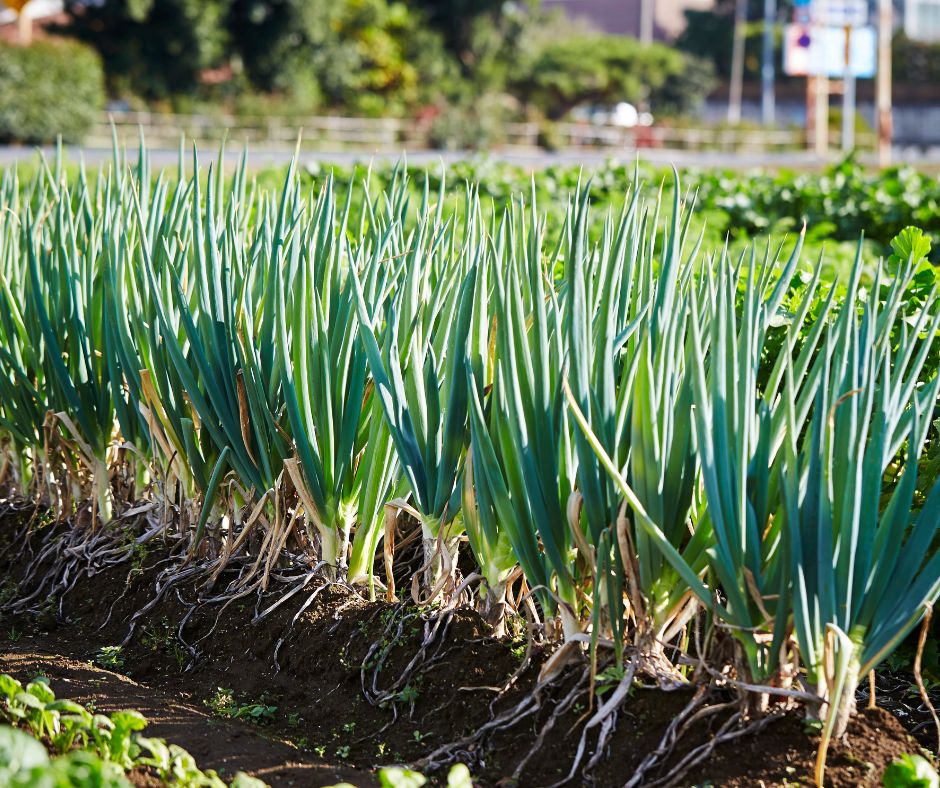
Alliums, a family of vegetables that includes onions, leeks, and chives, are not only flavorful additions to your cooking but also pack a powerful nutritional punch. In this guide, we’ll walk you through the steps to successfully grow these versatile plants in your garden or containers, discuss their health benefits, and explore companion planting options.
Growing Alliums in the Garden
Where to find seeds, plants, and supplies:
Soil and Sunlight Requirements
Alliums thrive in well-drained soil with a pH between 6.0 and 7.0. They prefer full sun, meaning at least six hours of direct sunlight per day.
Prior to planting, loosen the soil to a depth of 12-15 inches and mix in compost or well-rotted manure to improve fertility and drainage.
Planting and Spacing Guide
- Onions: Plant onion sets or transplants 1-2 inches deep and 4-6 inches apart in rows 12-18 inches apart.
- Leeks: Sow leek seeds 1/4 inch deep and 6 inches apart in rows 12-18 inches apart, or transplant seedlings 6-8 inches apart.
- Chives: Plant chive divisions or transplants 4-6 inches apart in rows 12 inches apart.
Watering and Fertilization
Water your alliums regularly, keeping the soil consistently moist but not soggy. Apply a balanced, slow-release fertilizer at planting time and every 4-6 weeks throughout the growing season. Avoid overwatering or overfertilizing, as this can lead to disease and reduced flavor.
Companion Planting
Alliums make excellent companion plants for many vegetables and herbs:
- Carrots: Onions and chives can deter carrot flies.
- Brassicas: Onions and leeks can repel pests that target broccoli, cauliflower, and cabbage.
- Chamomile: Chives and chamomile make a great pair, enhancing each other’s growth and flavor.
The Many Benefits of Companion Gardening: What You Need to Know
Growing Alliums in Containers
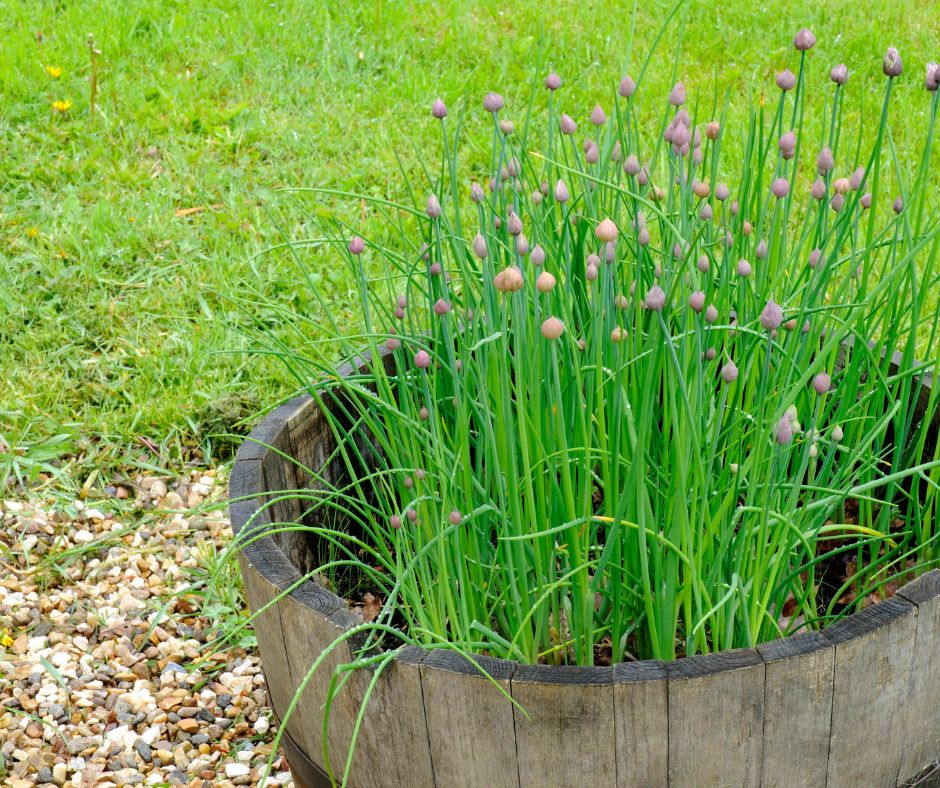
Container Selection
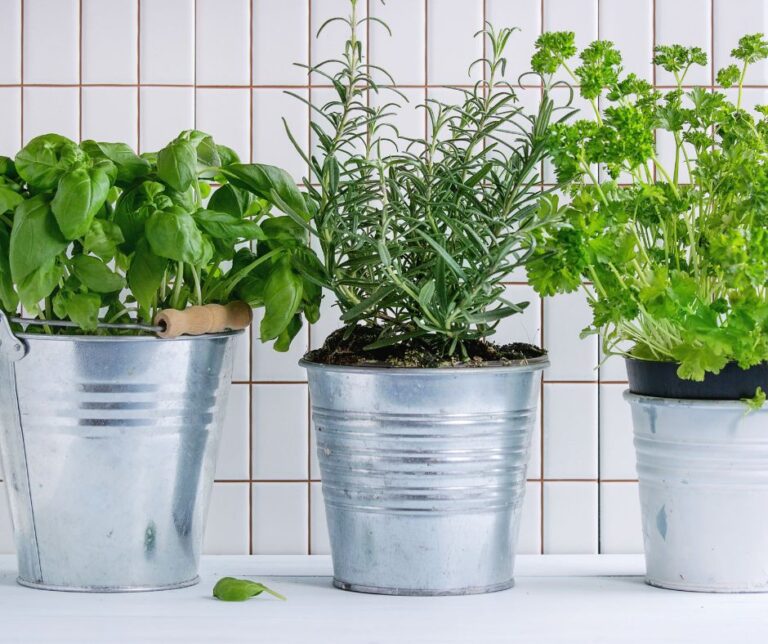
Choose containers that are at least 12 inches deep and have drainage holes. Terra cotta or fabric pots are ideal, as they allow for better air circulation and drainage.
How to design a small container garden
Soil and Drainage
Fill your containers with a high-quality, well-draining potting mix. Avoid using garden soil, as it may not provide adequate drainage and can harbor pests and diseases.
Planting and Care
Follow the same planting guidelines as for garden-grown alliums, adjusting spacing as needed for your container size.
Water container-grown alliums more frequently, as they dry out faster than those in the garden. Fertilize every 2-4 weeks with a balanced, water-soluble fertilizer.
25 Mosquito Repellent Plants for a Bug-Free Haven
Health Benefits of Alliums
Alliums are rich in vitamins, minerals, and antioxidants that offer numerous health benefits:
- Heart Health: The sulfur compounds in alliums can help lower blood pressure and cholesterol levels.
- Immune Support: Alliums contain vitamin C and other nutrients that boost immune function.
- Digestive Aid: The prebiotic fibers in alliums support healthy gut bacteria and improve digestion.
Incorporate alliums into your diet regularly for maximum health benefits. Raw or lightly cooked alliums offer the most potent nutritional punch.
Growing alliums in your garden or containers is a rewarding experience that yields flavorful, nutritious produce. By following these guidelines and exploring companion planting options, you’ll be well on your way to a bountiful harvest.
Happy gardening!
Visit the Garden Resources page for supplies and inspiration. Don’t forget to subscribe to the Calendula’s Garden Newsletter for more gardening tips.
Calendula’s Garden is reader supported. When you buy through links on our site, we may earn an affiliate commission. As an Amazon Associate, I earn from qualifying purchases. For more information, view our Disclaimer page. Thank you!