Grow Your Way to Better Gut Health
Calendula's Garden is reader suported This post may contain affiliate links, more on our Disclaimer page. Thank you!
I counted how many different plants I ate last week. The result? Let’s just say I didn’t come anywhere close to the number scientists now recommend for optimal gut health. Yes, I have a garden, but I wasn’t planning my garden harvests with maximum variety in mind.
Research from the American Gut Project suggests we should aim for 30 different plants every week to cultivate a diverse, thriving microbiome.
That’s the community of beneficial bacteria living in your digestive system, and keeping it happy means better immunity, improved digestion, and even enhanced brain function.
Thirty plants sounds impossible when you’re staring at the same broccoli and lettuce in your fridge. But here’s the secret: you don’t need to overhaul your entire diet or spend hours at the farmers market.
The real game changer is intentionally designing your garden to grow your own plant diversity at home.
The Science Behind 30 Plants
Before we dig into the how, let’s understand the why. The American Gut Project, one of the largest microbiome studies ever conducted, found something remarkable: people who ate more than 30 different plant types weekly had significantly more diverse gut microbiomes than those eating 10 or fewer.
Why does this matter? Your gut microbiome influences far more than digestion. According to research published by the National Institutes of Health, a diverse microbiome supports:
- Stronger immune function
- Better nutrient absorption
- Reduced inflammation throughout the body
- Enhanced emotional resilience and brain health
- Improved metabolic health
Dr. Margaret Schwiesow, a board certified gastroenterologist at Kaiser Permanente, notes that feeding your gut bacteria the right prebiotic fiber from plants leads to measurable improvements in chronic conditions, from blood pressure to mental clarity.
What Actually Counts as a Plant?
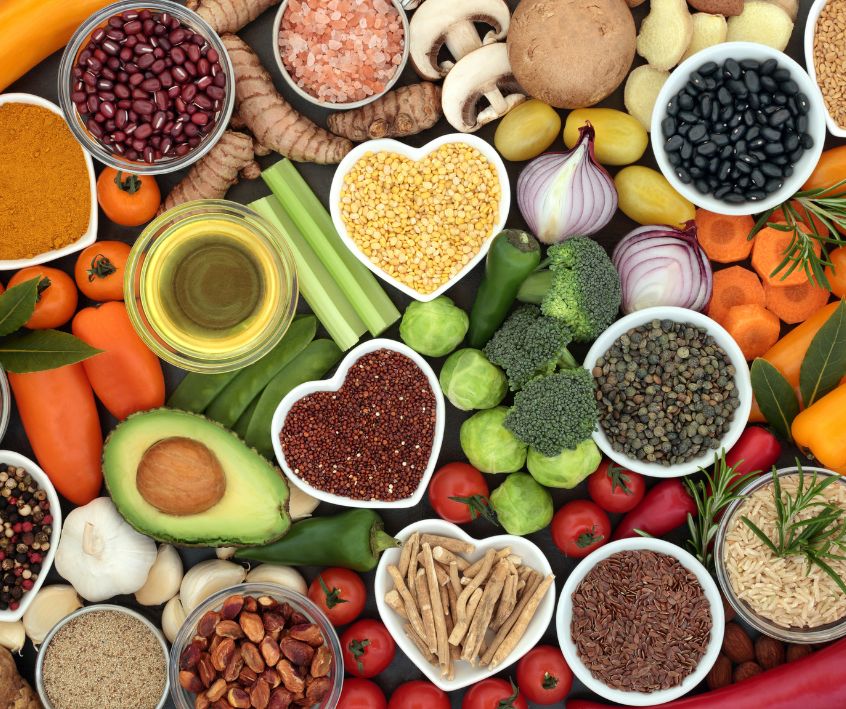
Here’s where it gets exciting: the 30-plant goal includes way more than just vegetables. You earn a “plant point” for each different type of plant you consume, including:
Vegetables: Lettuce, tomatoes, peppers, mushrooms, eggplant
Fruits: Berries, citrus, stone fruits, tropical fruits
Whole Grains: Oats, quinoa, brown rice, barley, farro
Legumes: Lentils, chickpeas, black beans, peas
Nuts and Seeds: Almonds, walnuts, chia seeds, hemp seeds, pumpkin seeds
Herbs and Spices: Fresh or dried parsley, basil, turmeric, ginger (each counts as ¼ point)
Bonus Items: Dark chocolate (at least 70% cocoa), plain popcorn, dark coffee
The diversity rule applies too: two green apples count as one point, but a green apple and a red apple count as two points because of their different nutrient profiles.
Microgreens and Gut Health
One of the things I love most about microgreens is how much they do for your gut, quietly, gently, and without the digestive drama that sometimes comes with eating more greens.
Microgreens are rich in dietary fiber, natural digestive enzymes, and prebiotic compounds. That combination means they’re not just feeding you, they’re feeding the beneficial bacteria that keep your digestive system running the way it should. When your gut flora is balanced and well-nourished, everything from digestion to inflammation tends to follow suit.
Here’s how it works in practice:
Natural Prebiotics — The fibers and phytochemicals in microgreens act as fuel for healthy gut bacteria. They help good microbes thrive while keeping your microbiome in balance.
Easier on Your System — Because microgreens are harvested young, they’re significantly easier for your digestive tract to break down than their fully mature counterparts. Less effort for your gut means less discomfort for you.
Digestive Enzymes — Varieties like alfalfa, peas, and sunflower greens naturally contain enzymes, including amylase and protease, that help your body break down carbohydrates, fats, and proteins more efficiently.
Reduced Inflammation — Research points to cruciferous microgreens, like broccoli sprouts in particular, as a meaningful source of antioxidants that can help lower gastrointestinal inflammation.
For anyone with a sensitive stomach, microgreens offer something genuinely useful: the nutritional depth of leafy greens without the tough fibers that trigger bloating or irritation. They’re one of the most stomach-friendly ways I know to add more plants to your plate.
The Microgreens Plan
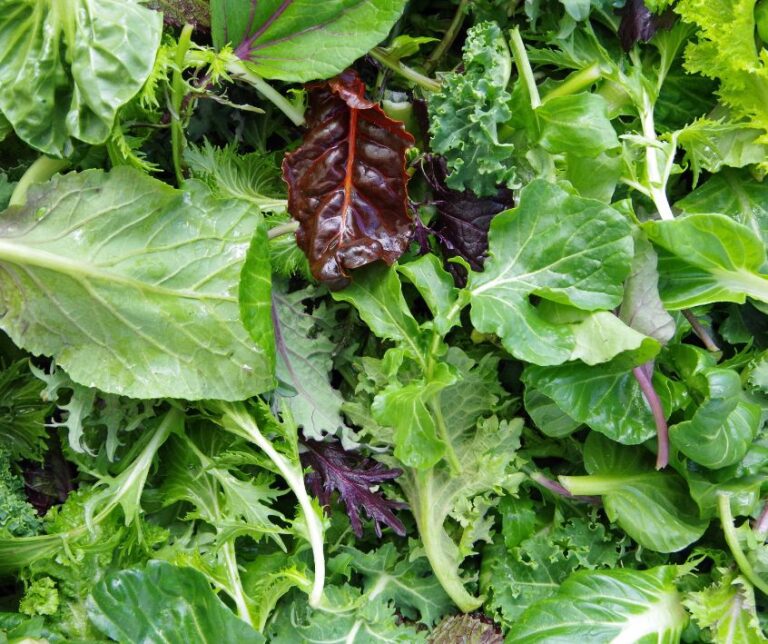
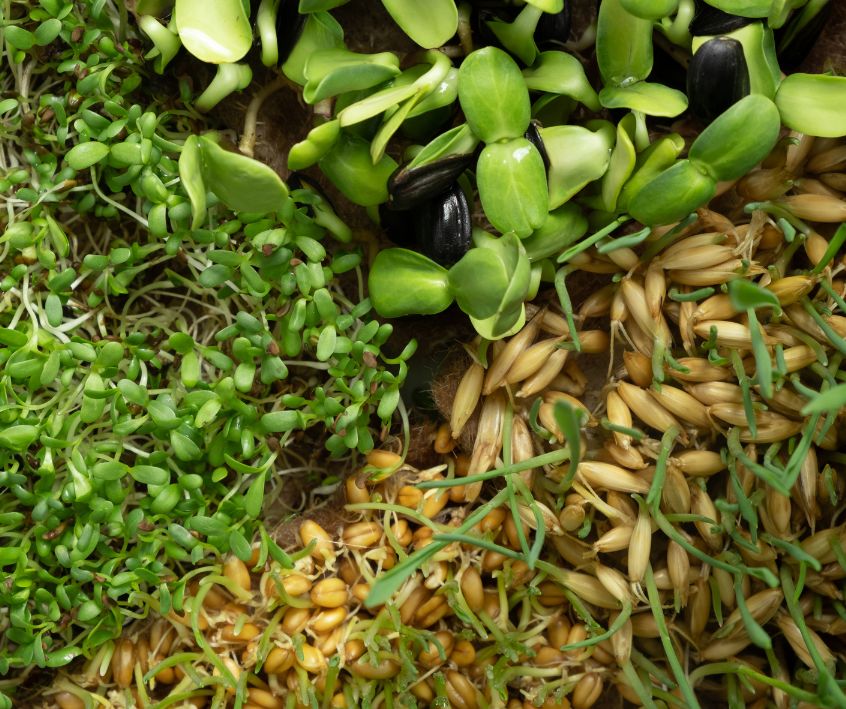
Now for the plan I promised. Growing microgreens in confetti mixes, combinations of radish, kale, mustard, broccoli, and other varieties, lets you harvest 7-8 different plant points from a single tray.
Microgreens are vegetable seedlings harvested just after their first true leaves develop, typically 7-14 days after planting.
Despite their small size, they pack 4-40 times more nutrients than their mature counterparts, according to research. They’re also incredibly forgiving for beginners.
If you want to skip the trial and error and get my complete step-by-step system for growing perfect microgreens every time, grab my How to Grow Microgreens eBook below – it’s got all the varieties, timing charts, and troubleshooting tips I wish I had when I started.

Why Confetti Mixes Work
When you grow a confetti mix, you’re cultivating multiple varieties that germinate and mature at similar rates. I prefer to grow each variety of microgreen in its own cell, so I know I’m growing enough of each plant. One harvest gives you:
- Radish microgreens (peppery bite)
- Kale microgreens (mild, slightly sweet)
- Mustard microgreens (spicy kick)
- Broccoli microgreens (fresh, green flavor)
- Arugula microgreens (nutty notes)
- Cabbage microgreens (mild crunch)
Sprinkle a handful on your morning eggs, toss into salads, or use as a sandwich topping. Just like that, you’ve knocked out 25% of your weekly plant goal.
Visit Our Microgreens Supply Shop On Amazon
Indoor Microgreens Growing Guide
Growing Microgreens with Hydroponic Kits
Hydroponic growing eliminates soil mess while providing consistent results. Here’s your step-by-step:
What You’ll Need:
- Sectional Hydroponic Microgreens Starter Kit
- LED lights
- Microgreen confetti mix seeds
- Growing medium (coconut coir or grow pads)
- Spray bottle
The Process:
- Prepare Your Medium: Soak coconut coir or place grow pads in your tray. They should be moist but not waterlogged.
- Seed Densely: Scatter seeds thickly across the surface. You want them close together but not piled up. For a 10×20 inch tray, use about 1-2 ounces of mixed seeds.
- Cover and Blackout: Place a humidity dome or second tray on top. Keep in darkness for 2-3 days while seeds germinate. This encourages strong root development.
- Introduce Light: Once you see sprouts pushing up, remove the cover and place under grow lights. Keep lights on for 12-16 hours daily.
- Water Wisely: Mist once or twice daily, keeping the medium consistently moist. Bottom watering works great. Just add water to the tray and let the medium absorb it.
- Harvest: When the first true leaves appear (usually 7-12 days), cut just above the soil line with clean scissors. Rinse and enjoy immediately for maximum freshness.
Watch The Video: Hydroponic Microgreens Growing Kit for a Healthy Microgreen Garden Fast
Where to Find Supplies Used In Video:
TrueLeafMarket.com Microgreens Seeds, Kits & Supplies
Botanical Interests Microgreens & Sprouts Seed Bundle
Here’s a breakdown of 5 unique benefits for each of the microgreen varieties we grew in our video:
1. Yellow Mustard Microgreens
- Rich in Antioxidants: Contains compounds like glucosinolates that help combat oxidative stress.
- Anti-inflammatory Properties: May reduce inflammation in the body due to its bioactive compounds.
- Digestive Health: Stimulates bile production, aiding in digestion.
- Immune Boosting: High in vitamin C, which supports immune function.
- Flavor Enhancer: Adds a mild, tangy kick to dishes, making healthy eating more enjoyable.
2. Mizuna Mustard Microgreens
- High in Vitamin K: Supports bone health and proper blood clotting.
- Detoxifying: Contains phytonutrients that aid in liver detoxification.
- Rich in Fiber: Promotes gut health and regular digestion.
- Low-Calorie Nutrient Source: Packed with nutrients while being low in calories.
- Anti-Cancer Potential: Glucosinolates may help reduce the risk of certain cancers.
3. Red Giant Mustard Microgreens
- Anti-Microbial Properties: May help fight harmful bacteria and pathogens.
- Rich in Minerals: Contains calcium, magnesium, and potassium for overall health.
- Eye Health: High in vitamin A, which supports vision.
- Spicy Flavor: Adds a bold, peppery taste to meals.
- Anti-Aging: Antioxidants help reduce signs of aging by combating free radicals.
4. Arugula Microgreens
- Heart Health: Contains nitrates that may help lower blood pressure.
- Bone Strength: High in calcium and vitamin K for strong bones.
- Improved Digestion: Rich in fiber, aiding in gut health.
- Boosts Metabolism: Contains B vitamins that support energy production.
- Skin Health: Antioxidants and vitamins promote glowing skin.
5. Red Arrow Radish Microgreens
- Detox Support: Helps cleanse the liver and kidneys.
- Rich in Vitamin C: Boosts immunity and skin health.
- Anti-Fungal Properties: May help combat fungal infections.
- Digestive Aid: Promotes healthy digestion and prevents bloating.
- Quick Growth: Grows rapidly, making it a great choice for beginners.
6. Spicy Brown Mustard Microgreens
- Metabolism Booster: Contains compounds that may help increase metabolic rate.
- Anti-Inflammatory: Reduces inflammation in the body.
- Rich in Selenium: Supports thyroid function and immune health.
- Flavorful Addition: Adds a spicy, zesty flavor to dishes.
- Supports Respiratory Health: May help clear congestion and improve breathing.
7. Purple Radish Microgreens
- Rich in Anthocyanins: Provides anti-inflammatory and anti-cancer benefits.
- Eye Health: High in lutein and zeaxanthin for vision support.
- Immune Support: Packed with vitamin C and antioxidants.
- Digestive Health: Promotes gut health with its fiber content.
- Beautiful Presentation: Adds vibrant color to meals, making them more appealing.
8. Jazzy Microgreen Mix (Botanical Interests)
- Diverse Nutrient Profile: Combines multiple varieties for a wide range of vitamins and minerals. Red Acre Cabbage, Peppergrass Cress, China Rose Radish, Red Giant Mustard, Sawtooth Mustard.
- Enhanced Flavor: Offers a mix of spicy, tangy, and mild flavors.
- Gut Health: High in fiber from the mix of greens.
- Versatile Use: Perfect for salads, sandwiches, and garnishes.
- Aesthetic Appeal: A colorful mix that enhances the visual appeal of dishes.
These benefits not only make your microgreens nutritious but also add variety and excitement to your meals.
The Best Sprouts for Beginners
Sprouts are even easier than microgreens. No lights required. They grow in jars on your countertop and are ready in 3-5 days.
Top High-Yield Sprouts:
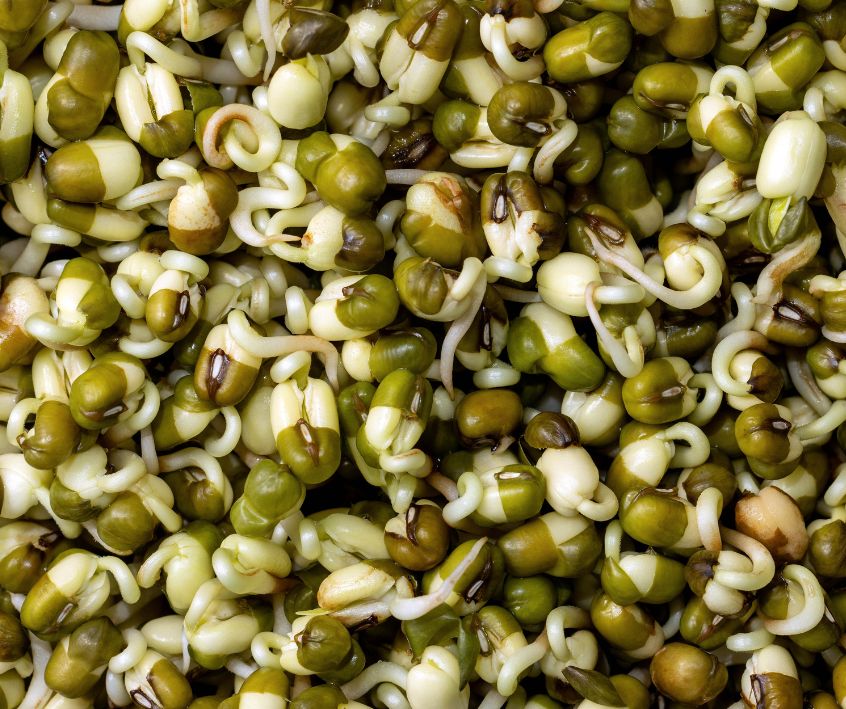
Mung Bean Sprouts: Crunchy, mild, perfect for stir-fries. Ready in 4-5 days.
Alfalfa Sprouts: Delicate, slightly nutty. Ready in 5-6 days.
Broccoli Sprouts: Packed with sulforaphane, a powerful antioxidant. Ready in 4-5 days.
Lentil Sprouts: Hearty, peppery. Ready in 3-4 days.
Watch The Video: Sprouting In Jars
How to Grow Sprouts:
- Rinse 2 tablespoons of seeds and place in a mason jar
- Cover with water and soak overnight
- Drain completely and rinse twice daily
- Keep jar tilted at an angle in a dish rack for drainage
- After 3-5 days, your sprouts are ready to eat
Sprouts add another 4-5 plant points to your weekly count with almost zero effort.
Strategic Garden Planning for Maximum Diversity
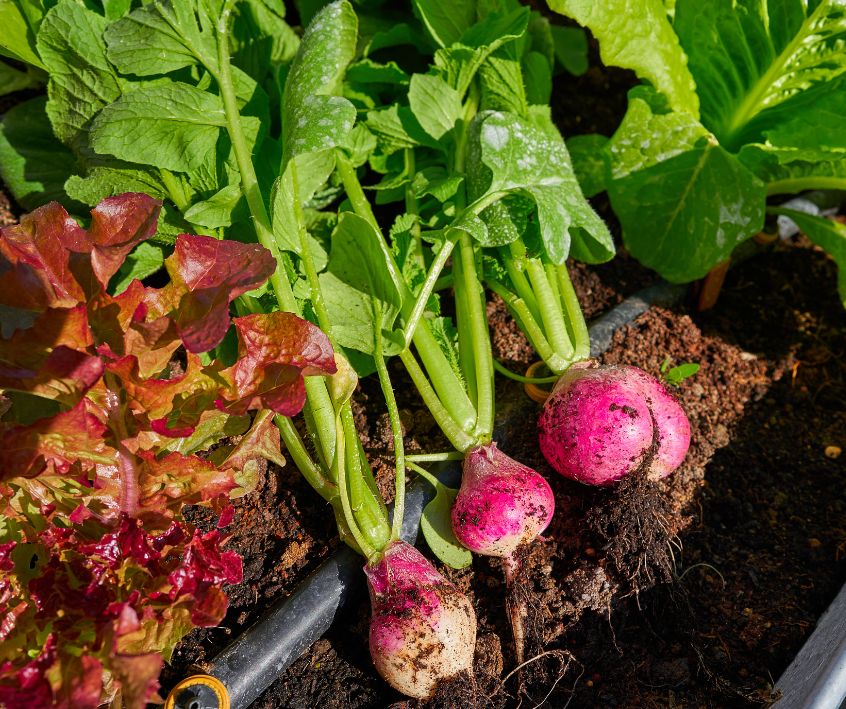
If you have outdoor space or even a sunny windowsill, designing a kitchen garden specifically for variety, not volume, transforms how you eat.
Think Diversity, Not Quantity
Instead of planting six tomato plants, plant one tomato, one pepper, one cucumber, one zucchini, and two different herbs. Your goal isn’t bushels of produce; it’s a rainbow of options.
Where to find seeds, plants, and supplies:
Plan Your Garden in Zones
Zone 1 – Continuous Harvest Herbs: Basil, parsley, cilantro, dill, mint, oregano, thyme. Snip regularly, and they’ll keep producing. Each herb = ¼ plant point.
Zone 2 – Quick-Turnover Greens: Lettuce, arugula, spinach, chard. These mature in 30-45 days. Succession plant every 2 weeks for constant variety.
Zone 3 – Diverse Fruiting Vegetables: One plant each of tomato, pepper, cucumber, eggplant, and summer squash. Choose different colors for maximum diversity.
Zone 4 – Root Vegetables: Carrots, beets, radishes. Tuck these into empty spaces since they grow underground.
Zone 5 – Climbing Plants: Peas, beans, cucumbers on trellises. Vertical growing saves space and adds variety.
Container Garden Strategy
No yard? No problem. Containers on a balcony or patio work beautifully. Use this combination:
- One large pot (5+ gallons): Cherry Tomato or Snack Bell Pepper
- Three medium pots (2-3 gallons): Different leafy greens
- Four small pots (6-12 inches): Herbs
- Window box: Continuous-harvest lettuce mix
Seasonal Succession Planning
Spring (March-May): Peas, lettuce, spinach, radishes, herbs
Summer (June-August): Tomatoes, peppers, cucumbers, zucchini, basil
Fall (September-November): Kale, chard, carrots, beets, cilantro
Winter (December-February): Indoor microgreens and sprouts
This rotation ensures you’re never eating the same plants week after week.
🌱Create a custom garden calendar with our Succession Planting Schedule Calculator
5 Quick Recipes & Snack Ideas
1. Rainbow Grain Bowl
Cooked quinoa topped with roasted sweet potato, sautéed kale, chickpeas, sliced cucumber, shredded red cabbage, and a sprinkle of microgreens. Drizzle with tahini dressing (sesame seeds = another plant point).
Plant count: 7-8 points
2. Loaded Avocado Toast
Whole grain bread, mashed avocado, hemp seeds, microgreen confetti mix, cherry tomatoes, and everything bagel seasoning.
Plant count: 6-7 points
3. Customizable Trail Mix
Mix almonds, walnuts, pumpkin seeds, sunflower seeds, dried figs, dark chocolate chips, and a pinch of cinnamon.
Plant count: 7 points
4. Quick Veggie Stir-Fry
Brown rice with snap peas, carrots, mushrooms, broccoli, ginger, garlic, and sesame seeds. Top with mung bean sprouts.
Plant count: 8-9 points
5. Morning Powerhouse Smoothie
Spinach, frozen mango, banana, blueberries, chia seeds, almond milk, topped with sliced kiwi and a sprinkle of cinnamon.
Plant count: 7 points
Bonus Snack Ideas:
- Plain popcorn sprinkled with nutritional yeast and turmeric
- Apple slices with almond butter and hemp seeds
- Whole grain crackers with hummus and sliced cucumber
- Dark chocolate squares with walnuts
Making It Happen: Your Action Plan
Hitting 30 plants weekly becomes manageable when you break it down:
Week 1: Grow your first tray of microgreen confetti mix. Start simple sprouting in mason jars.
Week 2: Add 2-3 new herbs to your cooking rotation. Plan one “big salad” with at least 10 different vegetables and toppings.
Week 3: Try two new grains or legumes you’ve never cooked with before.
Week 4: Plant a small, diverse garden or window box with 5-6 different plants.
Track your weekly plant points in a simple notebook or on your phone. You’ll be surprised how quickly the numbers add up once you start paying attention.
From Repetitive to Remarkable
The 30-plant goal isn’t about perfection. It’s about progress. Every new herb, every sprouted seed, every handful of microgreens brings you closer to a more resilient, vibrant version of yourself.
Your gut bacteria are counting on you to feed them well, and they’ll repay you with better energy, clearer thinking, and stronger immunity. The beauty of growing your own microgreens, sprouts, and diverse garden is that you’re not just eating differently. You’re connecting with the process of nourishing yourself from seed to plate.
So grab some seeds, set up that first grow tray, and watch as your diet transforms from a handful of reliable staples into a celebration of botanical diversity. Your microbiome will thank you.
References
Kaiser: Eating 30 Different Plants a Week: How to Do It https://mydoctor.kaiserpermanente.org/mas/news/eating-30-different-plants-a-week-how-to-do-it-2483697
NIH: Vegetable Variety: An Effective Strategy to Increase Vegetable Intake in Adults https://pmc.ncbi.nlm.nih.gov/articles/PMC3418806/
Emory: Could Eating 30 Plants a Week Be the Answer to Better Health? https://healthyaging.emory.edu/could-eating-30-plants-a-week-be-the-answer-to-better-health/
ASM: American Gut: an Open Platform for Citizen Science Microbiome Research https://pmc.ncbi.nlm.nih.gov/articles/PMC3418806
Visit the Garden Resources page for supplies and inspiration. Don’t forget to subscribe to the Calendula’s Garden Newsletter for more gardening tips.
Calendula’s Garden is reader supported. When you buy through links on our site, we may earn an affiliate commission. As an Amazon Associate, I earn from qualifying purchases. For more information, view our Disclaimer page. Thank you!