Grow Your Own Catnip Plants: From Planting to Harvesting
Calendula's Garden is reader suported This post may contain affiliate links, more on our Disclaimer page. Thank you!

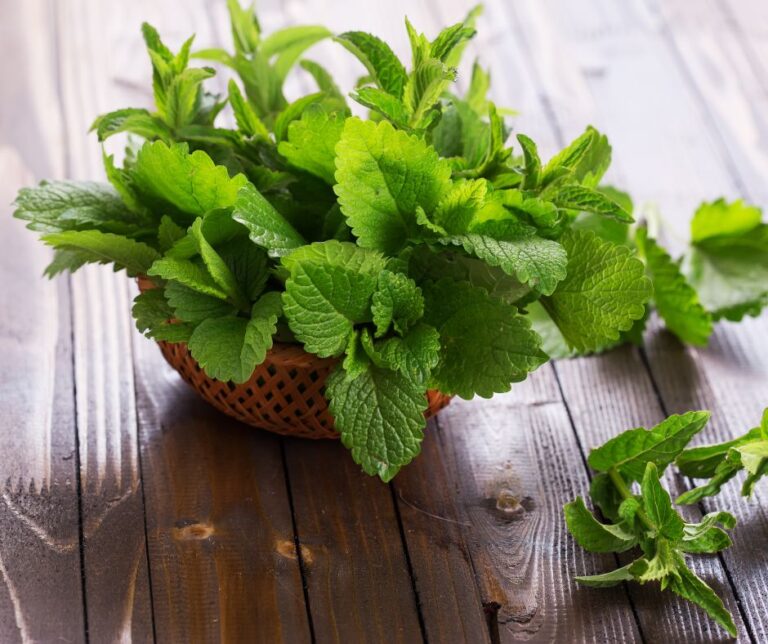
Catnip, scientifically known as Nepeta cataria, is a perennial herb from the mint family. It has a long history of use in traditional medicine and is known for its calming effects on both humans and cats.
In this guide, we’ll walk you through the process of growing catnip in your garden or in containers, discuss companion planting, and explore its various health benefits.
Planting Catnip
Including catnip in your garden offers numerous advantages that extend beyond its appeal to cats. Catnip is a low-maintenance plant that thrives in most conditions, making it an excellent choice for both novice and experienced gardeners. Its aromatic leaves can act as a natural pest repellent, effectively deterring garden nuisances such as aphids, beetles, and ants.
Additionally, catnip serves as an attractive companion plant, enhancing the growth and health of nearby plants like tomatoes, cucumbers, and squash. Beyond its utilitarian benefits, catnip also adds visual interest to your garden with its lush green foliage and delicate lavender flowers.
In the Garden
To grow catnip successfully in your garden, ensure you have well-draining soil that’s rich in organic matter. Catnip prefers a neutral to slightly alkaline soil pH. Plant the seeds about 1/4 inch deep and 18-20 inches apart. Choose a location that receives full sun to partial shade.
In Containers

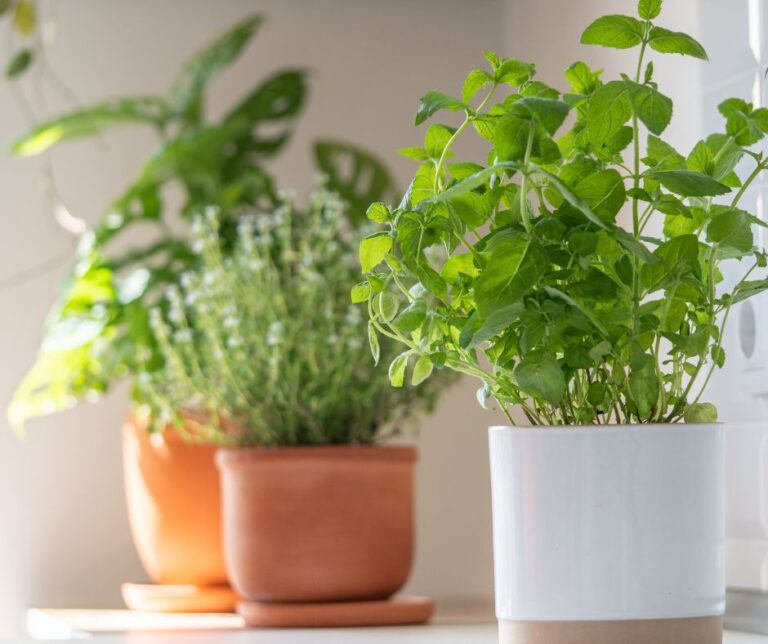
If you’re limited on space or want to keep your catnip close at hand, growing it in containers is a great option. Select a pot that’s at least 12 inches deep and wide, with drainage holes. Use a high-quality potting mix and position the container in an area that receives ample sunlight.
Where to find seeds, plants, and supplies:
Watering and Maintenance
Catnip is relatively drought-tolerant once established, but it’s important to water it regularly during the first few weeks after planting. Aim to keep the soil consistently moist but not waterlogged.
Prune the plant occasionally to encourage bushier growth and remove any dead or yellowing leaves. Watch for common pests like aphids and spider mites, and address any issues promptly with natural remedies or insecticidal soaps.
Companion Planting
Companion planting involves placing complementary plants near each other to promote growth, deter pests, and attract beneficial insects. Some excellent companion plants for catnip include:
- Brassicas (e.g., broccoli, kale, and brussels sprouts)
- Eggplant
- Corn
- Hyssop
Avoid planting catnip near other members of the mint family, as they can easily cross-pollinate and produce hybrids.
The Many Benefits of Companion Gardening: What You Need to Know
Harvesting Catnip
You can begin harvesting catnip leaves once the plant reaches about 6-8 inches tall. The best time to harvest is just before the flowers open, as this is when the essential oil content is highest.
Cut the stems about 2 inches above the ground, then hang them in bundles to dry in a cool, dark place with good air circulation. Once dried, store the leaves in an airtight container away from direct light.
Using Catnip in the Kitchen and Home
Catnip is not only beneficial for your garden and your feline friends, but it also has a variety of uses in the kitchen and around the home. Here are some creative ways to incorporate catnip into your daily life:
In the Kitchen
Catnip offers a subtle minty flavor that can be used to enhance various dishes and beverages:
- Herbal Teas: Brew catnip leaves to make a soothing and aromatic tea. Simply steep a handful of fresh or dried catnip leaves in hot water for five to ten minutes. You can also combine catnip with other herbs like chamomile or lemon balm for a calming blend.
- Salads and Garnishes: Add fresh catnip leaves to salads for a mild, minty taste. The leaves can also be used as a garnish for desserts, adding both flavor and aesthetic appeal.
- Infused Oils and Vinegar Flavor: Create flavored oils and vinegar by placing catnip leaves in your choice of oil or vinegar and allowing them to infuse for a couple of weeks. These infusions can be used in salad dressings or marinades.
In the Home
Catnip can be used for various household purposes due to its pleasant aroma and beneficial properties:
- Natural Air Freshener: Place dried catnip leaves in sachets or small cloth bags and tuck them into drawers, closets, or cupboards to act as a natural air freshener. The mild minty scent can help to keep your space smelling fresh.
- DIY Cat Toys: Fill small fabric pouches with dried catnip to create homemade cat toys. Your cats will love playing with these safe and stimulating toys.
- Relaxation and Stress Relief: Use fresh or dried catnip leaves in your bath to create a relaxing herbal soak. Add a handful of leaves to a muslin bag and place it under running water to enjoy a calming bath experience.
- Pest Repellent: Catnip has natural insect-repelling properties. You can make a simple insect repellent spray by steeping catnip leaves in water and spraying the mixture around windows and doorways to deter pests such as mosquitoes and aphids.
25 Mosquito Repellent Plants for a Bug-Free Haven
Incorporating catnip into your kitchen and home not only adds a unique flavor and aroma but also utilizes its natural beneficial properties, making it a versatile herb to keep on hand.
Health Benefits of Catnip

Catnip has been used for centuries to treat a number of stress-related ailments. It’s known for its calming effects and can be used to alleviate stress, anxiety, and insomnia.
Catnip tea is a popular way to consume the herb and can also help with digestive issues like bloating and indigestion. Additionally, catnip has been shown to have mild sedative effects on cats, making it a useful tool for managing feline stress and anxiety.
Growing catnip is a rewarding experience that offers numerous benefits for both you and your feline friends. By following the tips outlined in this guide, you’ll be well on your way to cultivating a thriving catnip patch in your garden or container. Not only will you enjoy the plant’s aromatic foliage and pretty white or purple flowers, but you’ll also be able to harness its calming and medicinal properties. Happy gardening!
Visit the Garden Resources page for supplies and inspiration. Don’t forget to subscribe to the Calendula’s Garden Newsletter for more gardening tips.
Calendula’s Garden is reader supported. When you buy through links on our site, we may earn an affiliate commission. As an Amazon Associate, I earn from qualifying purchases. For more information, view our Disclaimer page. Thank you!