Grow These Garden Vegetables for Home Canning
Calendula's Garden is reader suported This post may contain affiliate links, more on our Disclaimer page. Thank you!
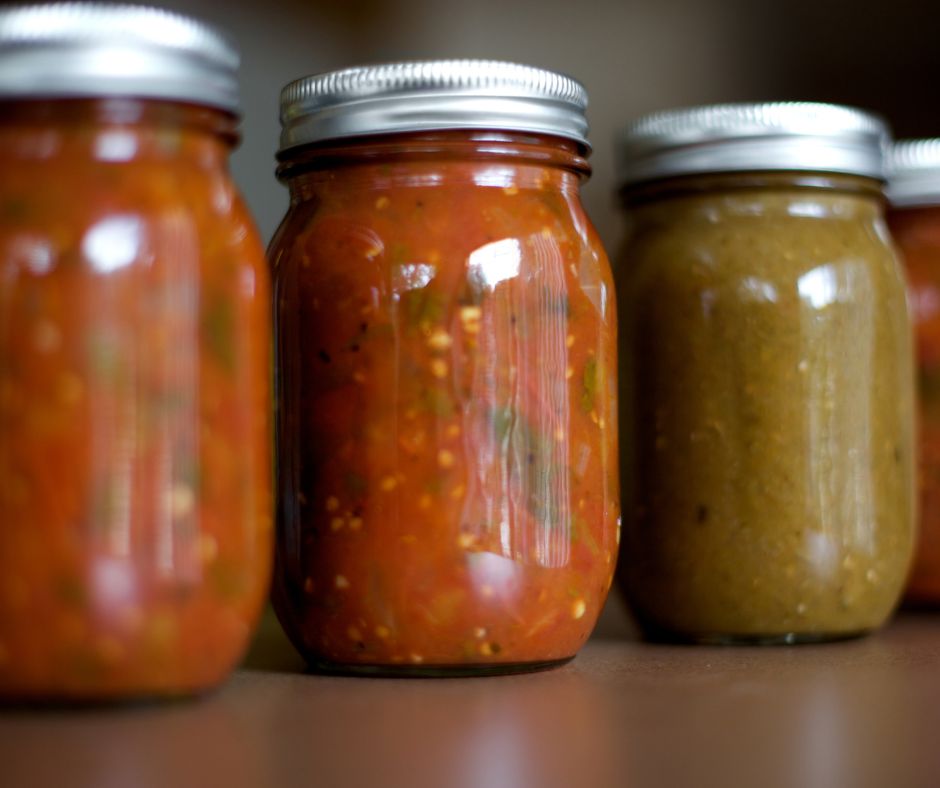
There’s something incredibly satisfying about growing your own vegetables and preserving them for later enjoyment.
Not only does home canning save money, but it also ensures you know exactly what’s in your food, no additives or preservatives to worry about. Which is a big deal for us since I developed food allergies later in life.
Plus, we’ll share helpful tips for growing, harvesting, and safely canning your produce.
Essential Supplies for Canning Your Garden Vegetables
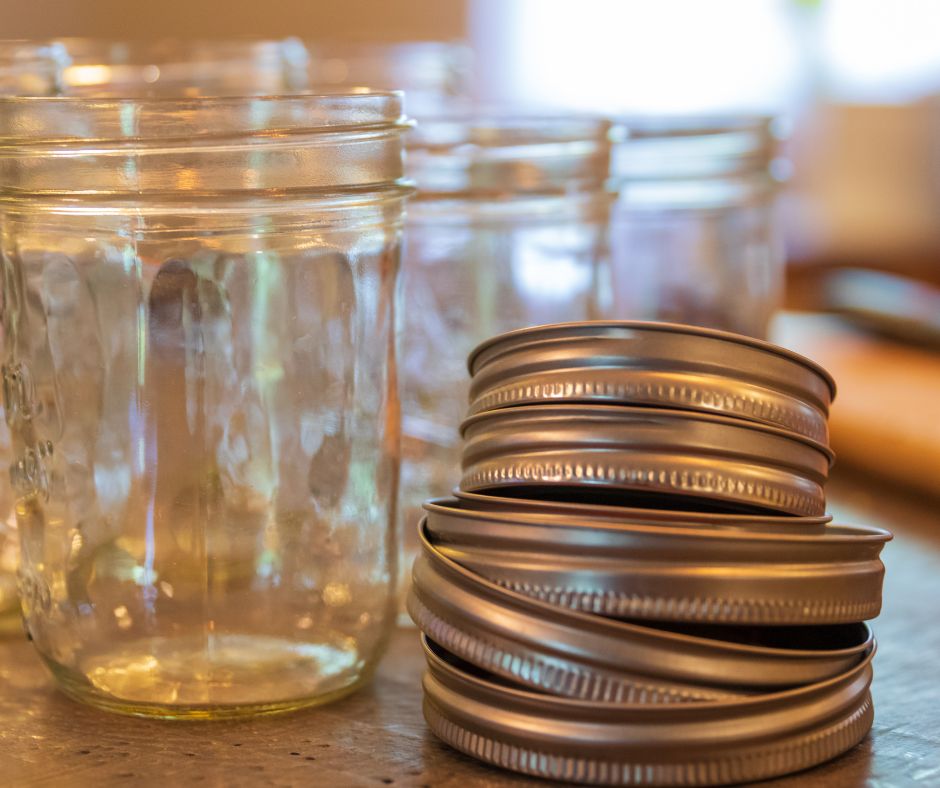
Canning your garden’s bounty is a gratifying way to enjoy fresh produce year-round, but having the right supplies is key to doing it safely and effectively.
Must-Have Canning Supplies
To start canning at home, you’ll need the following basics:
The Ball Complete Book of Home Preserving
Canning Jars
Canning jars are the backbone of your canning adventure. These tempered glass jars come in a variety of sizes, such as pint or quart, to accommodate different foods. Opt for brands designed specifically for canning, as they’re made to withstand high heat and pressure.
Ball – 16oz Wide Mouth Jars with Lids & Bands
Lids and Bands
Jars are typically paired with two-piece lids consisting of flat metal lids and screw-on bands. The lid seals your food, ensuring freshness, while the band holds the lid firmly in place.
Always use new lids for each canning session since the seal is single-use, but bands can be reused if they’re rust-free and intact.
Canning Labels Dissolvable Stickers for Mason Jars
Canner
Depending on the type of food you’re preserving, you’ll need either a water bath canner (for high-acid foods like fruits and pickles) or a pressure canner (for low-acid foods like vegetables and meats).
These tools help achieve the temperatures necessary to safely preserve your food, preventing spoilage and bacterial growth.
Water Bath Canning Pot with Rack & Lid + Starter Kit Set for Beginners
T-fal Pressure Cooker Aluminum Pressure Canner
Jar Lifter
This tool is specially designed to safely lift hot jars out of boiling water without risking burns or breaking jars. A sturdy jar lifter is a must for safe canning.
Funnel
A wide mouth funnel makes it easy to transfer liquids or chopped foods into jars while minimizing mess. Look for funnels designed for canning so they fit securely into jars.
Bubble Remover and Headspace Tool
Trapped air bubbles can affect the seal or compromise food safety. A bubble remover, often combined with a headspace measuring tool, helps you remove air and ensure the correct headspace in each jar.
Canning Kit: Canning Magnetic Lid Lifter Canning Lid Lifter + Canning Bubble Popper Remover
Kitchen Thermometer
A thermometer can be helps for ensuring hot foods are prepared to the right temperature before sealing.
Stainless Steel Candy and Deep Fry Thermometer
Tips for Choosing and Maintaining Your Canning Supplies
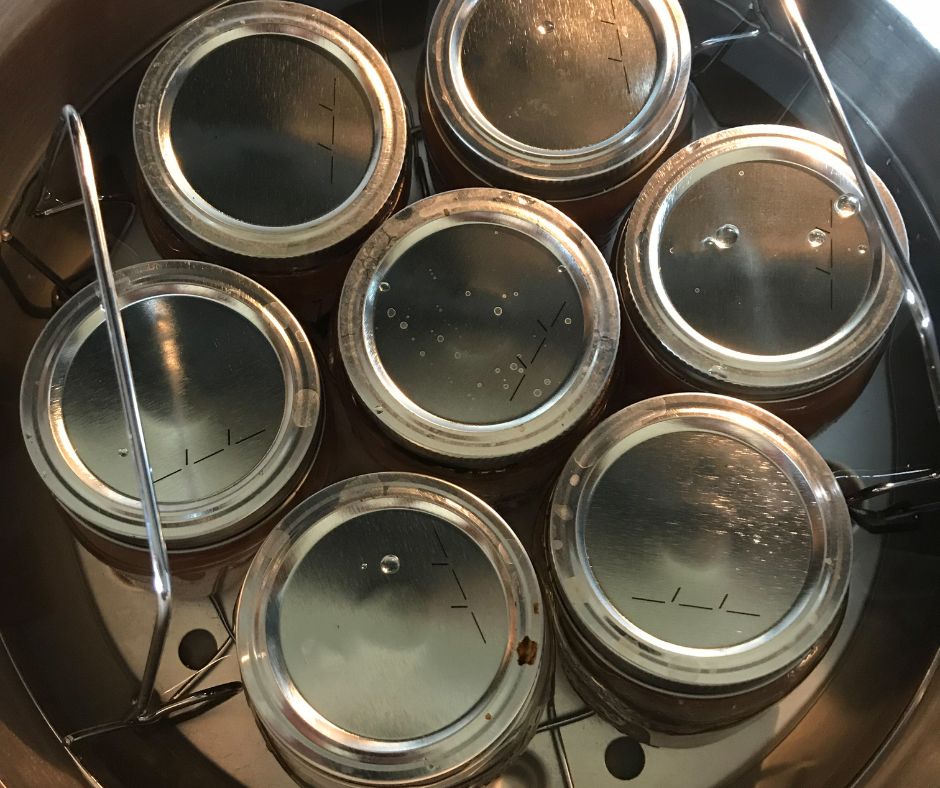
Start Small
If you’re new to canning, start with a basic set of supplies and expand as you become more experienced. Starter kits often bundle core items like jars, a canner, and basic tools.
Invest in Quality
High-quality tools are more durable and safer to use. For instance, reputable brands of jars and lids are less likely to crack under pressure.
Inspect Regularly
Before every canning session, check jars for chips, inspect bands for rust or dents, and ensure your canner is clean and in working order.
Store Tools Properly
Properly clean and store your supplies after each use. For example, keep jars and lids in a cool, dry place to avoid damage over time.
A Quick Recap
Equipping yourself with the right supplies, from quality jars and lids to a reliable canner, sets you up for success. With proper choices and maintenance, your tools will serve you for many canning seasons, allowing you to savor your garden’s flavors all year long.
Must-Grow Vegetables for Your Home Canning Pantry
Whether you’re a seasoned canner or just starting out, these vegetables are worth planting in your garden. They will help you build a pantry full of delicious, nutrious, homegrown food.
Tomatoes: The All-Rounder for Canning
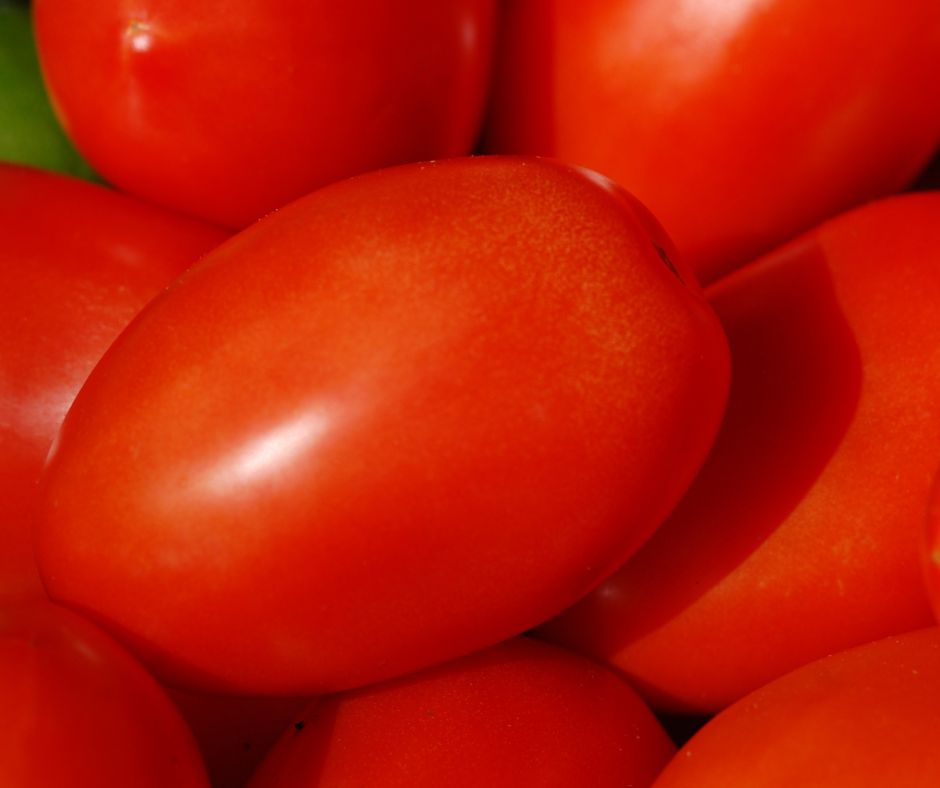
Tomatoes are a must-have for canning, thanks to their incredible versatility. They’re perfect for preserving as sauces, soups, salsa, crushed tomatoes, or even whole peeled tomatoes.
Why They’re Great for Canning
With their high acidity, tomatoes are well-suited for water bath canning. Many varieties, like Roma or San Marzano, have a meaty texture that makes them ideal for sauces and pastes.
Tip for Growing
Tomatoes thrive in well-drained soil and full sun. Plant in rows or cages for support as they grow, and be sure to water consistently to avoid blossom-end rot.
A layer of mulch can help retain soil moisture. Roma tomato varieties are prolic, dense fleshed, and very flavorful. Perfect for canning.
Green Beans: A Nutrient-Rich Classic
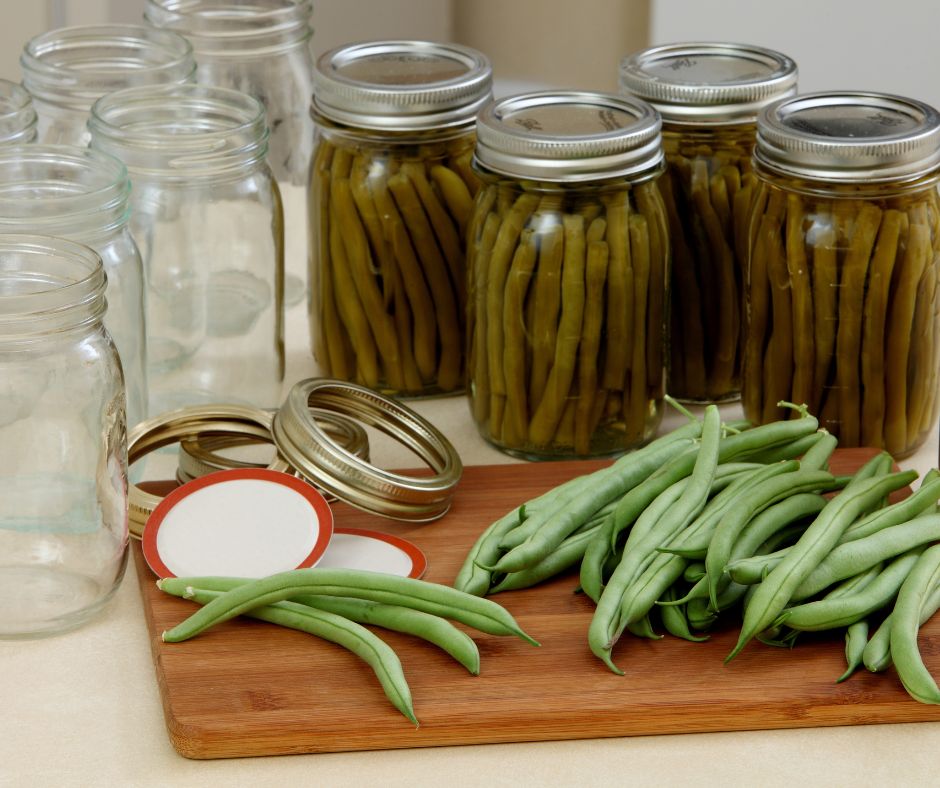
Green beans have long been a favorite for home canning. They’re easy to grow and offer plenty of variety (e.g., bush beans and pole beans). Whether pickled or canned straight, they retain an excellent flavor and texture.
Why They’re Great for Canning
Packed with vitamins like A and C, green beans are perfect for pressure canning to preserve their nutrients and crunchy texture.
Tip for Growing
They prefer moist, fertile soil and at least 6–8 hours of sunlight daily. If you’re growing pole beans, make sure to provide trellises or stakes for support. Harvest when beans are firm and bright green for maximum freshness.
Cucumbers: The Pickling Favorite
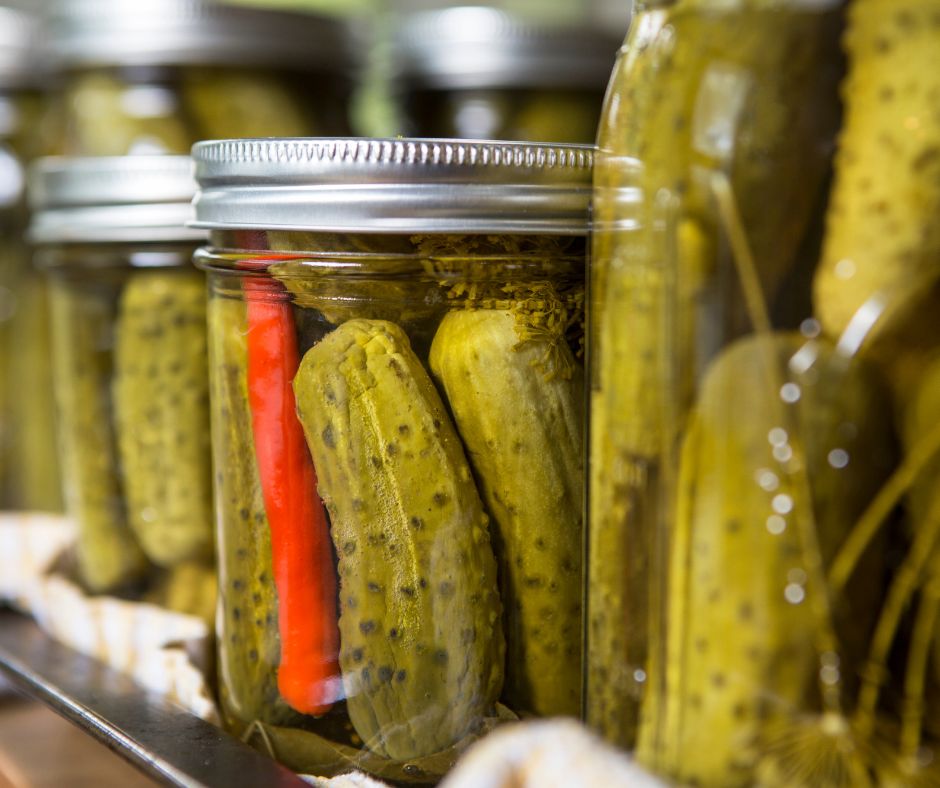
No canning pantry is complete without jars of pickles, and cucumbers are the star ingredient. From crunchy dill pickles to sweet bread-and-butter slices, cucumbers add variety to your homemade goods.
Why They’re Great for Canning
Cucumbers soak up pickling brine, making them ideal for long-term preservation. They hold their texture in vinegar-based solutions.
Tip for Growing
Cucumbers require loose, nutrient-rich soil and plenty of water. Opt for varieties specifically bred for pickling, such as Cool Customer pickling cucumbers. Pick them when they’re small,around 4–6 inches long, to ensure a crisp finish.
Peppers: For a Spicy Twist on Canning
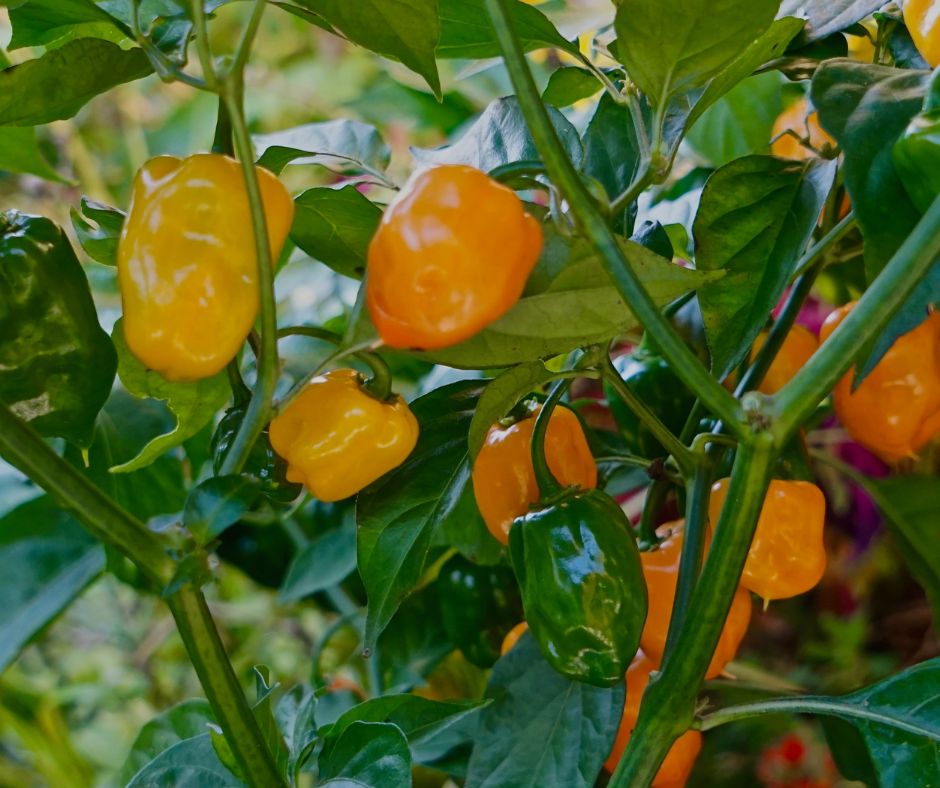
Peppers are a canning superstar, adding flavor and spice to your preserved recipes. Whether you’re pickling jalapeños, fermenting hot sauce, or preserving roasted red peppers, their versatility can spice things up.
Why They’re Great for Canning
Peppers are low-acid vegetables, making them ideal for pressure canning. They add depth to recipes like relish, salsa, and even chili bases. The habenaro apricot jelly recipe from Ball Complete Book of Home Preserving is one of my favorites.
Tip for Growing
Peppers love warm soil and full sun. Avoid overhead watering, which can encourage diseases like blight. For hot varieties, stress the plant slightly toward the end of the season by reducing water to intensify the heat.
Zucchini and Squash: Perfect for Relishes
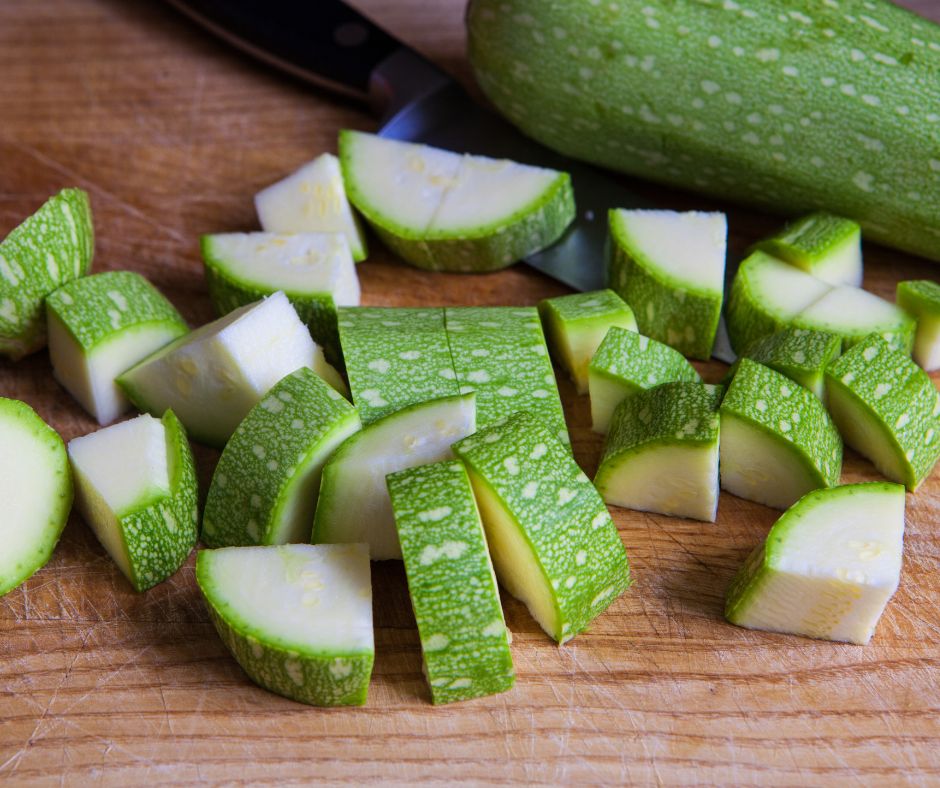
Zucchini and summer squash might not usually come to mind for canning, but they’re excellent for relishes, pickles, or combining in vegetable medleys. Their neutral flavor makes them a great base for creative recipes.
Why They’re Great for Canning
Their high moisture content pairs well with acidic brines, making them ideal for pickles or chutneys. Plus, they’re plentiful in most summer gardens!
Tip for Growing
Zucchini thrives in rich, well-drained soil and appreciates consistent watering. Opt for succession planting so you can enjoy a steady supply throughout the growing season. Pick zucchini when they’re 6–8 inches long for the best texture.
Best Practices for Growing Top Canning Vegetables
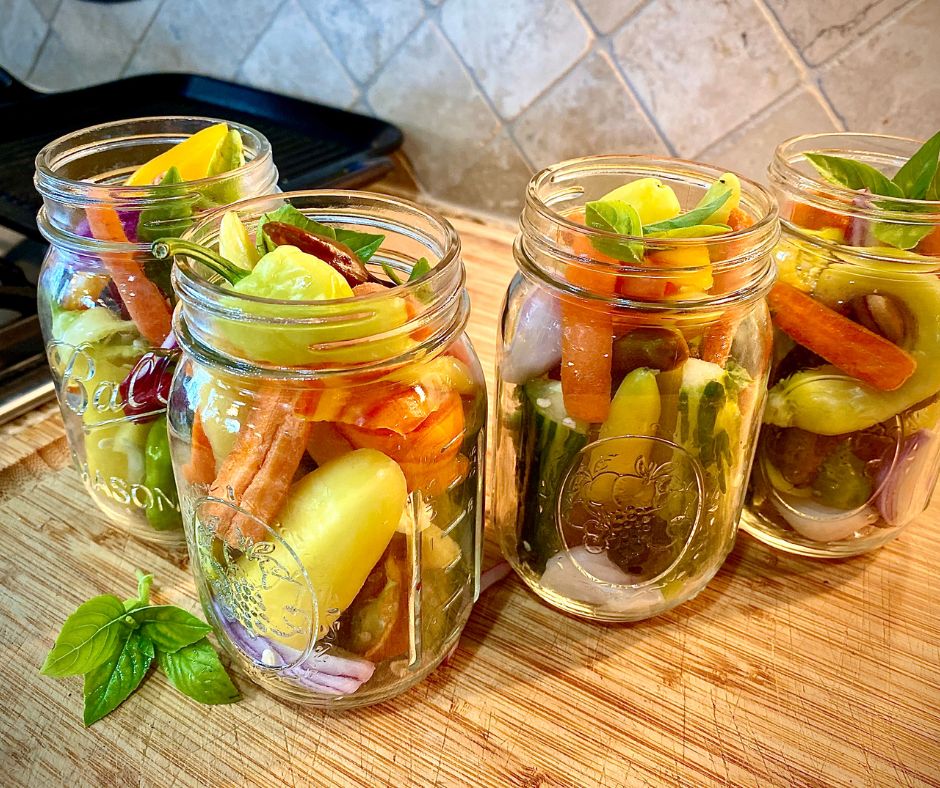
Sun and Soil Requirements
All the vegetables in this guide thrive in full sun, needing 6–8 hours of sunlight daily. So you can plant them near each other and create a “Canning Garden.” Prepare your soil with compost and ensure proper drainage.
Avoiding Pests and Diseases
Use companion planting (like marigolds to deter pests) and practice crop rotation to keep your plants healthy.
Watering Tips
Consistent watering is essential, lack of moisture can lead to stunted growth or poor-quality vegetables.
Where to find seeds, plants, and supplies:
Harvesting and Preparing Your Vegetables for Canning
Harvest Timing
Pick your vegetables at their peak ripeness for the best flavor and texture. For instance, tomatoes are ready when they’re slightly soft and vibrantly deep colored, while zucchini should feel dense and firm. If birds have spotted your tomatoes. Harvest at first blush and allow them to finish ripening indoors.
Cleaning & Prepping
Wash your produce thoroughly to remove dirt and any chemicals. For harder vegetables like cucumbers, soft scrubbing might be required. Trimming and cutting vegetables into uniform sizes will ensure even processing during canning.
Canning Safety and Techniques
Hygiene Matters
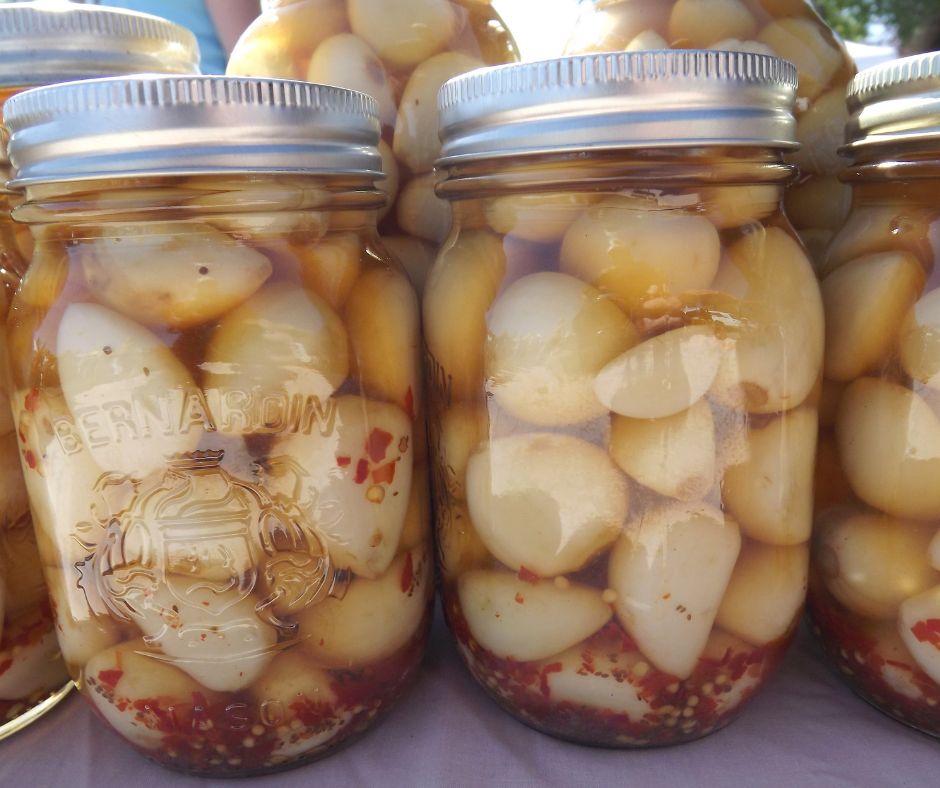
Start with sterilized jars and equip yourself with a trusted canning guide. Cleanliness is critical to avoid contamination. Follow the guide in your canning book. I usually follow the boiled water technique.
Water Bath vs. Pressure Canning
High-acid vegetables like tomatoes can be canned using a simple water bath. Which is great for beginners. I still can small batches of tomatoes in a water bath.
Low-acid vegetables such as green beans or peppers require pressure canning to ensure safety.
Follow Tested Recipes
Stick to tried-and-true recipes from trusted sources to ensure safety and quality. Adding extra ingredients like garlic or spices without proper guidance can affect pH levels.
All of the recipes I have tried in the Ball Complete Book of Home Preserving have come out great.
Preserve Your Garden’s Best Today
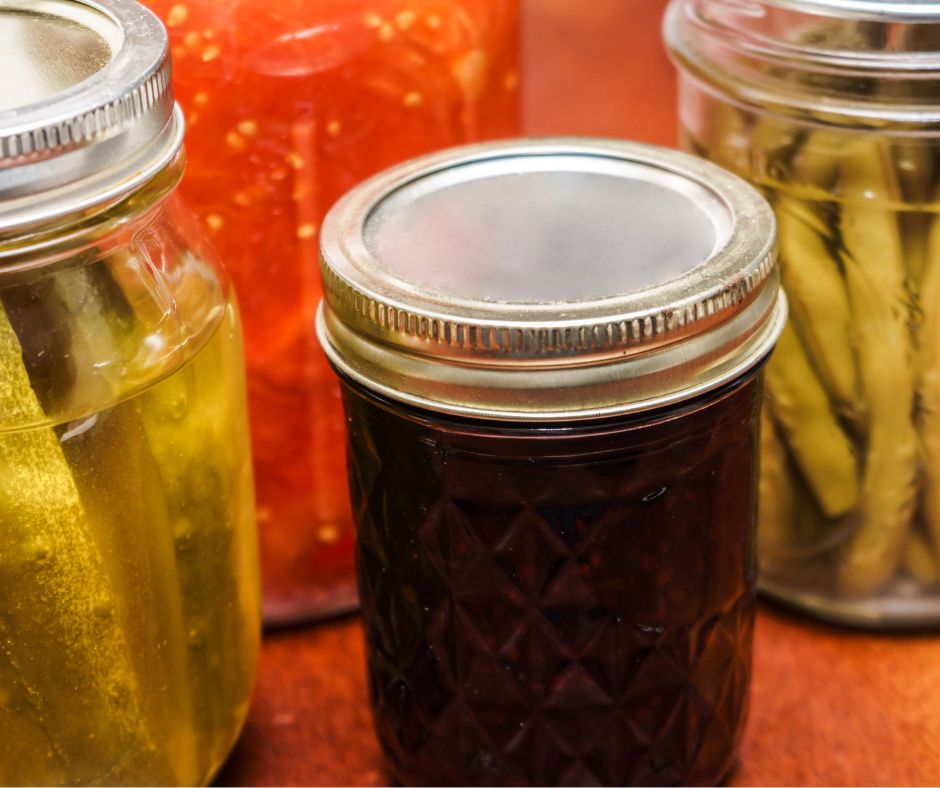
Home canning combines the joy of gardening with the delight of enjoying your vegetables year-round. Whether it’s a tangy pickle, rich tomato sauce, or zingy pepper relish, canning your garden produce is both rewarding and practical.
Start small by planting a few vegetables from this list, and watch your pantry fill with vibrant jars of homemade goodness.
Visit the Garden Resources page for supplies and inspiration. Don’t forget to subscribe to the Calendula’s Garden Newsletter for more gardening tips.
Calendula’s Garden is reader supported. When you buy through links on our site, we may earn an affiliate commission. As an Amazon Associate, I earn from qualifying purchases. For more information, view our Disclaimer page. Thank you!