Grow Peppermint: A Refreshing Addition to Your Garden
Calendula's Garden is reader suported This post may contain affiliate links, more on our Disclaimer page. Thank you!

Peppermint is a versatile herb that has been treasured for centuries. With its invigorating aroma and refreshing flavor, peppermint is a staple in many kitchens, gardens, and even medicine cabinets. In this guide, we’ll explore how to cultivate peppermint in both garden beds and containers, discuss ideal companion plants, and delve into the numerous health benefits this herb offers.
Growing Peppermint in the Garden
Peppermint is a hardy, fast-growing perennial that thrives in a variety of conditions. Here’s how to create the optimal environment for your peppermint plants:
Soil and Sunlight Requirements
- Choose a location with partial shade to full sun exposure.
- Ensure the soil is rich, moist, and well-draining, with a pH between 6.0 and 7.5.
- Amend the soil with organic matter like compost to improve fertility and drainage.
Planting and Maintenance
- Plant peppermint in spring once the risk of frost has passed.
- Space plants 18 to 24 inches apart to allow for growth and air circulation.
- Water regularly to keep the soil consistently moist but not waterlogged.
- Apply a thin layer of mulch to retain moisture and suppress weed growth.
- Pinch off flower buds to encourage fuller foliage growth.
Vacation-Proof Gardening: Tips to Keep Your Outdoor Potted Plants Thriving
Where to find seeds, plants, and supplies:
Companion Planting
Peppermint makes an excellent companion plant for many crops:
- Cabbage, broccoli, and cauliflower: Peppermint repels cabbage moths and other pests.
- Tomatoes and eggplants: The strong scent of peppermint masks the presence of these plants from pests.
- Beans and peas: Peppermint attracts beneficial insects that prey on common legume pests.
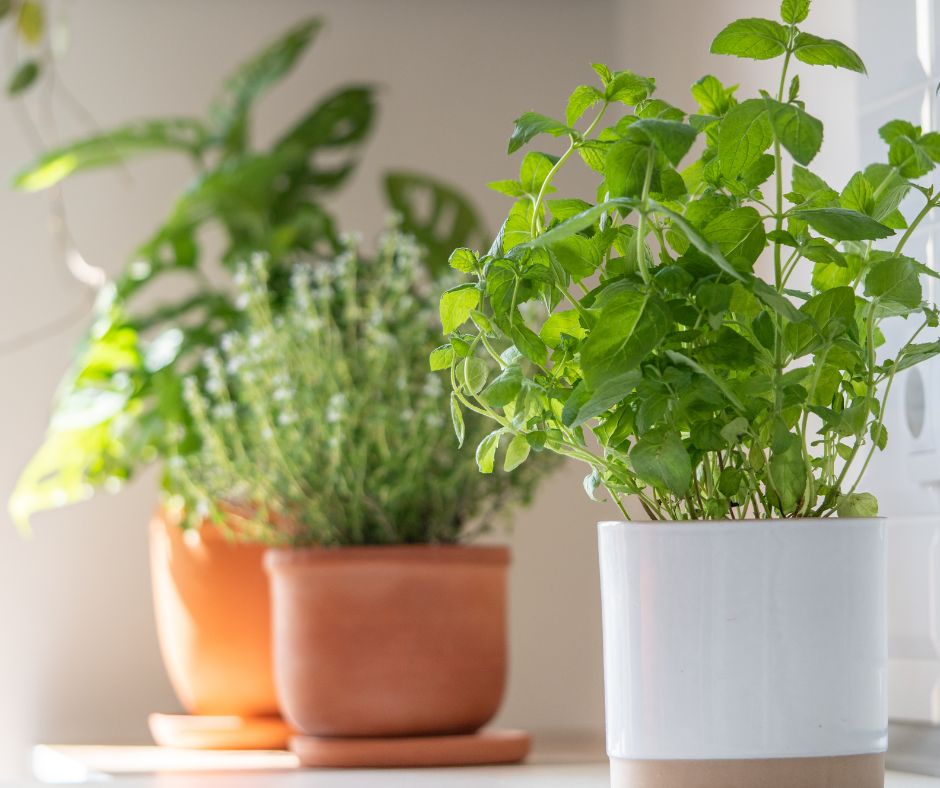
Growing Peppermint in Containers

Container gardening is an ideal solution for those with limited space or who want to keep peppermint from spreading aggressively.
How to design a small container garden
Container and Soil Selection
- Choose a container at least 12 inches deep with adequate drainage holes.
- Use a high-quality, well-draining potting mix specifically formulated for herbs.
Watering and Placement
- Water container-grown peppermint when the top inch of soil feels dry to the touch.
- Place the container in an area that receives partial shade to full sun exposure.
- Rotate the container periodically to ensure even growth and sunlight exposure.
Using Peppermint
Peppermint’s versatility extends beyond the garden, offering numerous usese in both home settings and garden management. Here’s how you can make the most of this refreshing herb:
Culinary Uses
Peppermint adds a burst of flavor to various dishes and beverages:
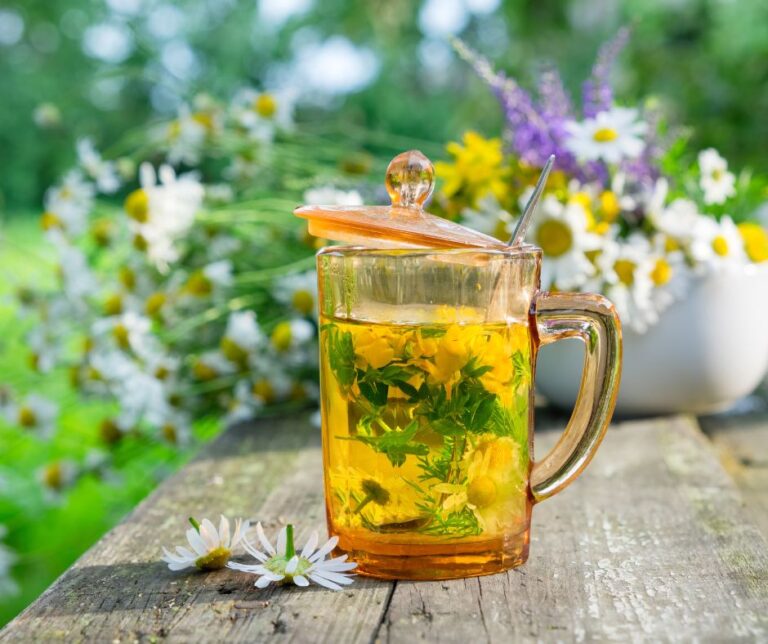
- Teas and Infusions: Fresh or dried peppermint leaves can be steeped to create a soothing tea, known for its digestive benefits.
- Desserts and Baked Goods: Incorporate peppermint into cookies, cakes, and ice creams for a refreshing twist.
- Salads and Savory Dishes: Sprinkle finely chopped peppermint leaves into salads, salsas, and marinades for a burst of freshness.
Household Applications
Peppermint also provides practical solutions for everyday household needs:
- Natural Air Freshener: Place a few sprigs of fresh peppermint in a vase or use peppermint essential oil in diffusers to invigorate the room with a refreshing scent.
- Pest Repellent: Use peppermint leaves or essential oil to deter common household pests like ants, spiders, and mice. Simply place sachets of dried peppermint in corners or spray diluted peppermint oil around entry points.
- Cleaning: Integrate peppermint essential oil into homemade cleaning solutions for a pleasant aroma and additional antibacterial properties.
Garden Uses
In the garden, peppermint serves multiple beneficial purposes:
- Pest Control: Plant peppermint around the garden to naturally repel pests, reducing the need for chemical interventions. Its strong scent can deter rodents, aphids, squash bugs, and beetles.
- Beneficial Insect Attraction: The flowers of peppermint attract pollinators, such as bees and butterflies, which are essential for the health and productivity of your garden ecosystem.
- Ground Cover: Peppermint’s dense growth habit can be used as ground cover to help prevent soil erosion and retain moisture, especially in garden beds and borders.
25 Mosquito Repellent Plants for a Bug-Free Haven
By integrating peppermint into your home and garden routines, you can enjoy its myriad benefits beyond its delightful aroma and taste. Whether used in cooking, as a natural remedy, or for garden enhancement, peppermint proves to be an invaluable herb.
Health Benefits of Peppermint

Beyond its culinary uses, peppermint offers a wide array of health benefits:
- Digestive Aid: Peppermint helps relieve digestive issues like bloating, gas, and indigestion.
- Respiratory Support: The menthol in peppermint can help clear congestion and alleviate respiratory ailments.
- Stress Relief: The aroma of peppermint has been shown to reduce stress and improve focus.
- Pain Relief: Peppermint oil can be used topically to alleviate headaches, muscle aches, and joint pain.
- Immune Booster: Rich in antioxidants and vitamins, peppermint can support a healthy immune system.
Mount Sinai Peppermint Information
Growing peppermint in your garden or containers is a rewarding project that provides you with a fresh supply of this versatile herb. By following the guidelines outlined in this post, you can successfully cultivate peppermint and enjoy its numerous benefits. Not only will you have a fragrant addition to your garden, but you’ll also have a natural remedy for various health concerns at your fingertips. Happy gardening!
Visit the Garden Resources page for supplies and inspiration. Don’t forget to subscribe to the Calendula’s Garden Newsletter for more gardening tips.
Calendula’s Garden is reader supported. When you buy through links on our site, we may earn an affiliate commission. As an Amazon Associate, I earn from qualifying purchases. For more information, view our Disclaimer page. Thank you!