Grow More, Waste Less: Mastering Succession Planting in Your Garden
Calendula's Garden is reader suported This post may contain affiliate links, more on our Disclaimer page. Thank you!
Are you tired of seeing empty patches in your garden after a harvest? Welcome to the world of succession planting, where you can maximize your garden’s productivity and contribute to sustainable living.
This technique keeps your garden producing all season long, ensuring you get the most out of every square foot.
In this guide, we’ll explore the ins and outs of succession planting, from planning your schedule to choosing the right vegetables. By the end, you’ll be equipped with practical tips to help you grow more and waste less. Let’s dig in.
Benefits of Succession Planting for Gardeners and the Environment
Boosting Garden Productivity
One of the most significant advantages of succession planting is the ability to maximize your garden’s output.
By continuously planting crops, you can harvest multiple times throughout the growing season. This means more fresh produce for you and less reliance on grocery stores.
Reducing Soil Erosion
Planting crops successively helps maintain soil structure and prevents erosion. When you keep your garden beds occupied, the roots of growing plants hold the soil together, reducing the risk of erosion caused by wind and water.
Enhancing Biodiversity
Succession planting also promotes biodiversity in your garden. By rotating crops and planting different varieties, you create a more resilient ecosystem. This diversity can help deter pests and diseases, reducing the need for chemical interventions.
Where to find seeds, plants, and supplies:
How to Plan Your Succession Planting Schedule
Assess Your Growing Season
The first step in planning your succession planting schedule is to assess your growing season.
Understand the length of your frost-free period and the specific climate conditions in your area. This information will help you determine the best times to plant and harvest crops.
Create a Planting Calendar
Once you have a clear understanding of your growing season, create a planting calendar. Start by listing the crops you want to grow and their respective planting and harvesting dates. Use this calendar to map out when and where each crop will be planted.
Find a handy succession planting chart at WVU Extension – Succession Planting
Start with Quick-Growing Crops
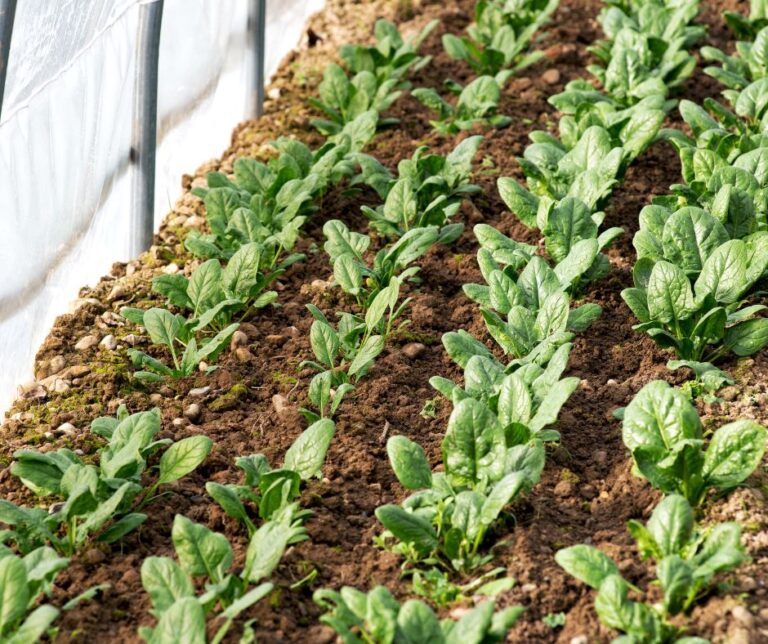
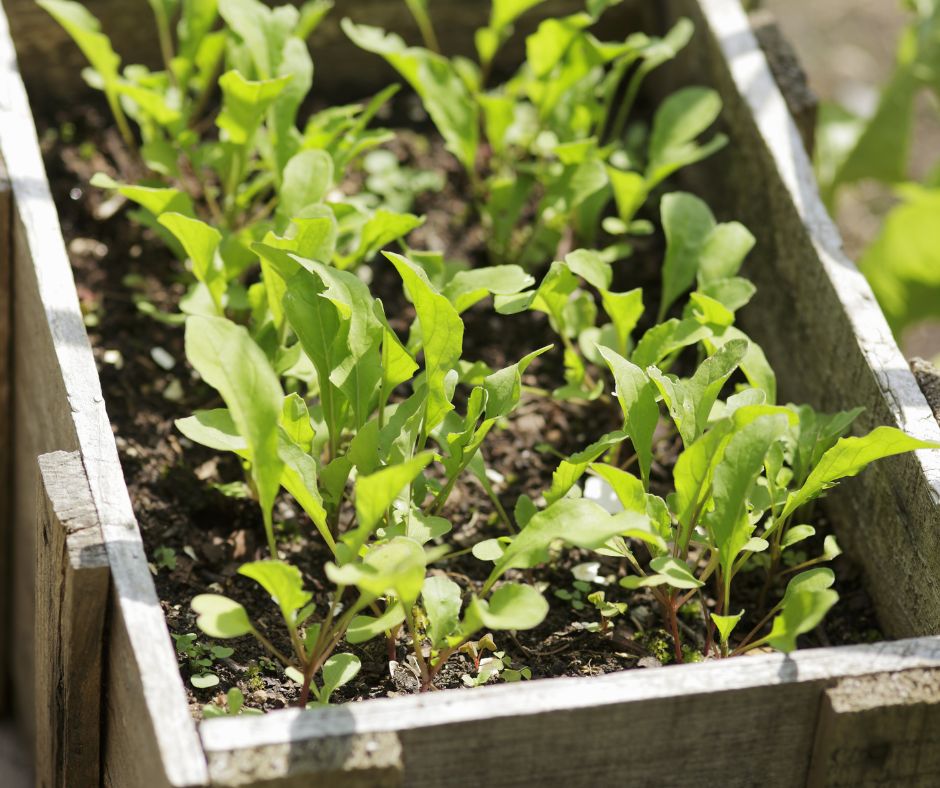
Begin your succession planting schedule with quick-growing crops like radishes, lettuce, and spinach. These crops can be harvested in as little as 30 days, allowing you to replant the same space multiple times throughout the season.
🌱Create a custom garden calendar with our Succession Planting Schedule Calculator
Choosing the Right Vegetables for Succession Planting
Cool-Season Vegetables
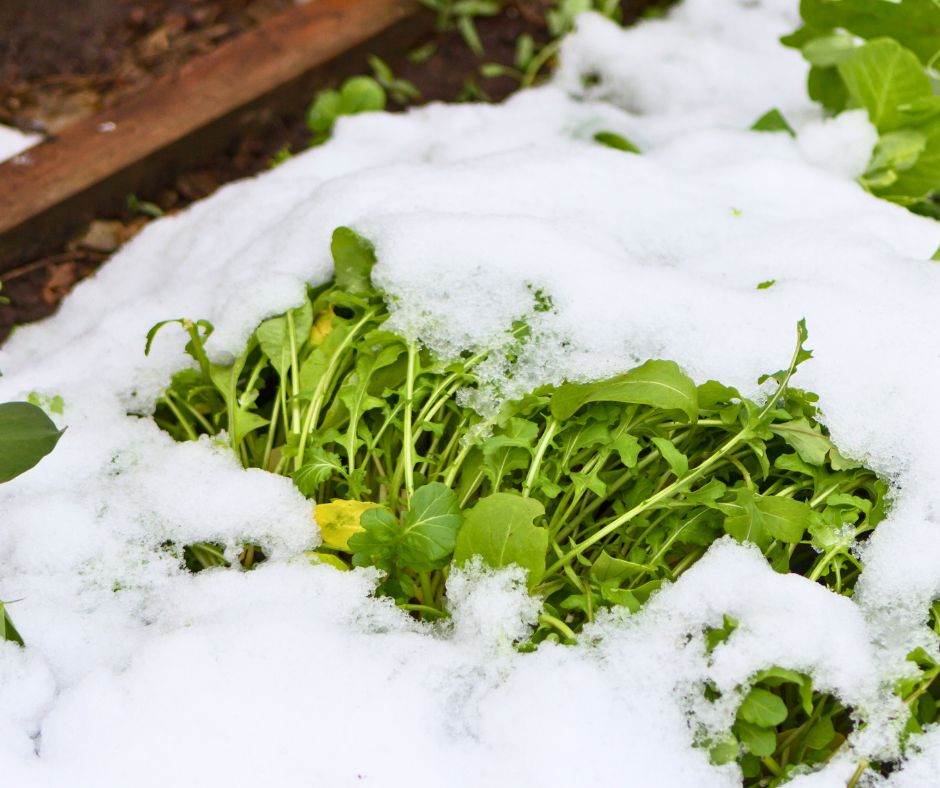
Cool-season vegetables are ideal for early spring and fall planting. Crops like peas, carrots, and broccoli thrive in cooler temperatures and can be planted successively to extend your harvest.
Warm-Season Vegetables
Warm-season vegetables, such as tomatoes, peppers, and beans, should be planted once the danger of frost has passed. Stagger the planting of these crops to ensure a continuous supply of fresh produce throughout the summer.
Perennial Vegetables
Don’t forget about perennial vegetables like asparagus and rhubarb. While these plants take longer to establish, they provide a reliable harvest year after year, making them an excellent addition to your succession planting strategy.
25 Perennial Vegetables Every Gardener Should Know
Step-by-Step Succession Planting Your Garden
Starting your succession planting journey can be both exciting and a bit overwhelming. Here’s a step-by-step guide to help you seamlessly integrate this technique into your gardening routine:
1. Prepare Your Garden Beds
- Clear and Clean: Start by removing any leftover plant debris from the previous season to reduce pest and disease risks.
- Enrich the Soil: Add compost or organic matter to your soil to ensure it remains nutrient-rich and ready for new crops.
2. Plan Your Crops
- Research Suitable Vegetables: Determine which cool-season and warm-season vegetables are best suited to your climate.
- Draw a Garden Layout: Sketch a simple layout of your garden beds and assign areas for quick-growing, cool-season, and warm-season crops.
3. Create a Planting Calendar
- Mark Important Dates: Note down the frost dates and calculate the planting and harvesting cycles for each type of vegetable.
- Stagger Plantings: Plan to plant small batches of seeds every two to three weeks to ensure a continuous harvest.
🌱Create a custom garden calendar with our Succession Planting Schedule Calculator
4. Start Seedlings Indoors
- Use Seed Trays or Pots: Begin by sowing seeds indoors in trays or pots, especially for warm-season crops that require a longer growing period.
- Label Clearly: Ensure each container is labeled with the crop type and planting date.
5. Transplant and Direct Sow
- Transplant Seedlings: Once the danger of frost has passed and your seedlings are sturdy, transplant them into the garden following your layout.
- Direct Sow Seeds: For quick-growing crops, direct sow seeds into prepared garden beds at the intervals planned on your calendar.
6. Maintain Consistent Care
- Regular Watering: Keep the soil consistently moist, but be careful not to overwater.
- Monitor for Pests: Conduct regular checks for pests and diseases, and take prompt action if you spot any issues.
- Fertilize Appropriately: Feed your plants with balanced organic fertilizers to support healthy growth.
7. Harvest and Replant
- Harvest Timely: Pick your vegetables as they become ready to avoid overcrowding and to make space for new plantings.
- Prepare for Next Cycle: After harvesting, reseed or transplant new crops following your succession plan.
8. Keep Records
- Track Progress: Maintain a gardening journal to document planting dates, weather conditions, and crop performance.
- Adjust as Needed: Use your notes to make adjustments for future planting schedules and to learn from your experiences.
By following these steps, new gardeners can efficiently implement succession planting and enjoy a bountiful and diverse garden throughout the growing season.
Example of Planning for Succession Planting Leaf Lettuce
Succession planting of leaf lettuce ensures a continuous supply of fresh, tender greens throughout the growing season. Follow the steps below for a detailed example of how to plan and execute this strategy effectively:
- Assess Your Growing Season:
- Identify the length of your frost-free period and the average soil temperatures suitable for growing lettuce. Lettuce thrives in cooler temperatures, ideally between 60°F and 70°F.
- Create a Planting Calendar:
- First Planting: Start by planting your first batch of leaf lettuce as soon as the soil can be worked in early spring, typically around two to four weeks before the last expected frost date.
- Staggered Plantings: Plan to plant a new batch of lettuce seeds every two weeks thereafter. This regular interval will ensure you always have lettuce maturing and ready for harvest.
- Select Varieties:
- Choose a mix of leaf lettuce varieties to ensure diversity and resilience. Varieties such as Black Seeded Simpson, Oakleaf, and Red Sails are well-suited for successive planting.
- Prepare Your Garden Beds:
- Clear any debris and enrich the soil with compost. Ensure that the beds have good drainage and are positioned to receive adequate sunlight, preferably in a location that can receive shade during the hottest part of the day.
- Planting and Maintenance:
- Direct Sow: Sow the leaf lettuce seeds directly into the garden bed at a depth of approximately ¼ inch. Space them about 4 inches apart to allow room for growth.
- Water Regularly: Keep the soil consistently moist but not soggy. Use mulching to help retain moisture and keep the soil cool.
- Thin Seedlings: Once the seedlings emerge, thin them to maintain the 4-inch spacing to reduce competition and enhance air circulation.
- Harvest and Replant:
- Harvesting: Begin harvesting outer leaves once they are large enough to use, usually about 3-4 weeks after planting. Harvest leaves often to encourage new growth.
- Preparing for Replanting: After harvesting, clear the space and enrich the soil with additional compost before sowing new seeds. This cycle allows you to maximize your garden space and continue the succession planting process.
By following this example, you can create a continuous and productive cycle of leaf lettuce, ensuring fresh greens for salads, sandwiches, and garnish all season long.
Success Stories
The Smith Family Garden
The Smith family transformed their backyard into a thriving garden using succession planting techniques.
By carefully planning their planting schedule and choosing the right crops, they enjoyed fresh vegetables from early spring to late fall. Their success story is a testament to the power of succession planting.
Community Garden Initiative
A local community garden implemented succession planting to maximize their harvest and support local food banks.
By coordinating planting schedules and sharing resources, they were able to provide fresh produce to those in need throughout the entire growing season.
Urban Gardening Success
Urban gardeners often face space constraints, but succession planting offers a solution.
One urban gardener used vertical gardening techniques and succession planting to grow a variety of vegetables on a small balcony.
Their success demonstrates that even limited spaces can yield abundant harvests.
Tools and Techniques for a Successful Garden
High-Quality Seeds
Invest in high-quality seeds from reputable sources. Quality seeds have higher germination rates and produce healthier plants, ensuring a successful succession planting experience.
Soil Preparation
Prepare your soil by adding compost and organic matter. Healthy soil provides essential nutrients to your plants, promoting vigorous growth and bountiful harvests.
Mulching and Watering
Mulch your garden beds to retain moisture and suppress weeds. Consistent watering is also crucial for healthy plant growth. Consider installing a drip irrigation system to ensure your plants receive adequate water throughout the growing season.
From Straw to Wood Chips: Choosing the Right Mulch for Your Garden
Succession planting is a powerful technique that can transform your garden into a continuous source of fresh, homegrown produce. By understanding your growing season, planning your planting schedule, and choosing the right vegetables, you can enjoy a bountiful harvest all year round.
Ready to get started? Join our community of passionate gardeners and sustainable living enthusiasts. Share your experiences, learn from others, and take your gardening to the next level.
Happy Gardening!
Visit the Garden Resources page for supplies and inspiration. Don’t forget to subscribe to the Calendula’s Garden Newsletter for more gardening tips.
Calendula’s Garden is reader supported. When you buy through links on our site, we may earn an affiliate commission. As an Amazon Associate, I earn from qualifying purchases. For more information, view our Disclaimer page. Thank you!