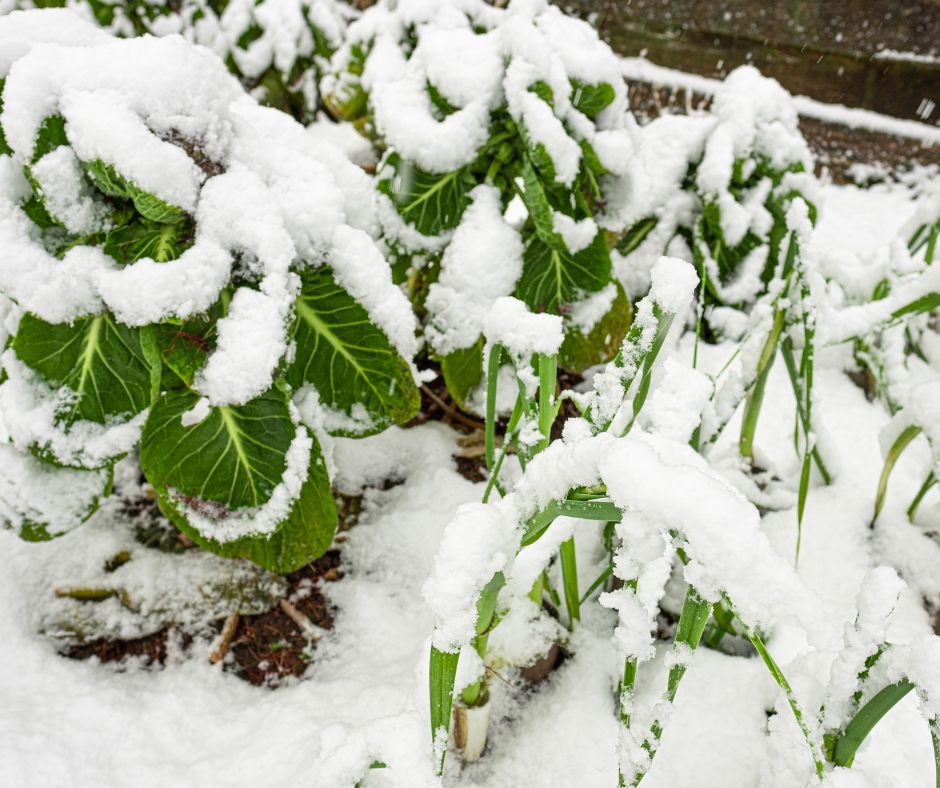
Green Thumb Secrets for Eco-Friendly Winter Gardening
Calendula's Garden is reader suported This post may contain affiliate links, more on our Disclaimer page. Thank you!
Winter is here, and so is the perfect opportunity to make your garden a bastion of sustainability. Many might think that gardening during the colder months is more about survival than thriving.
Yet, winter presents a unique chance to hone eco-friendly practices in your garden. For gardeners, adopting sustainable methods isn’t merely about keeping plants alive—it’s about nurturing the earth all year round.
In this guide, we’ll explore the ins and outs of winter gardening with an eco-friendly twist, offering insights and strategies to help your garden flourish sustainably.
The Environmental Impact of Winter Gardening
Winter gardening comes with its own set of challenges and environmental impacts. With the ground frozen and daylight hours limited, maintaining a garden during winter can strain natural resources if not managed sustainably.
Traditional methods often consume excessive energy and water, leading to a larger carbon footprint.
One major challenge is the reliance on heating systems to protect plants from the cold. While effective, these systems often lead to increased energy consumption.
In addition, the demand for water can rise due to dry, windy conditions, which can drain local water supplies if gardeners aren’t careful.
Easy DIY Wind Protection for Your Garden
Furthermore, improper winter gardening practices can disrupt the local ecosystem. Soil degradation and habitat loss for beneficial insects are common issues that arise from unsustainable gardening techniques.
However, with the right strategies, these environmental impacts can be mitigated, ensuring that your garden contributes positively to the environment.
Eco-Friendly Winter Gardening Techniques
Sustainability in winter gardening starts with adopting eco-friendly techniques. Composting is one such practice that benefits your garden by enriching the soil with nutrients while reducing waste.
Winter composting can be maintained by incorporating kitchen scraps and shredded leaves, providing a steady supply of organic matter.
Mulching is another effective technique. By covering the soil with organic materials like straw or wood chips, you insulate plants against the cold, retain moisture, and suppress weeds. This layer of protection reduces the need for chemical fertilizers and pesticides.
Greenhouses offer yet another avenue for sustainable gardening. These structures trap solar heat, creating a microclimate where plants can thrive without artificial heating.
5 Backyard Greenhouses for Thriving Gardens
By using recycled materials for your greenhouse, you further minimize environmental impact. Together, these techniques form the foundation for a more sustainable winter garden.
Plant Selection for Winter Gardening
Choosing the right plants is crucial for eco-friendly winter gardening. Opt for varieties that are naturally resilient to cold weather and have minimal resource needs. Hardy perennials like kale, Brussels sprouts, and winter cabbage can withstand lower temperatures while offering nutritious yields.
Native plants are another excellent choice as they are adapted to the local climate and require less intervention. By supporting native species, you also promote biodiversity, providing habitats and food sources for local wildlife.
When selecting seeds or plants, consider those certified as organic or heirloom.
Essential Winter Vegetables for Greenhouse Growing
These varieties are typically more robust and sustainable, having been cultivated without synthetic fertilizers or pesticides.
The right plant selection not only ensures survival during winter but also enhances the ecological balance of your garden.
Water Conservation Strategies
Water is a precious resource, especially during winter when natural precipitation may not suffice. Implementing water conservation strategies is vital for sustainable gardening.
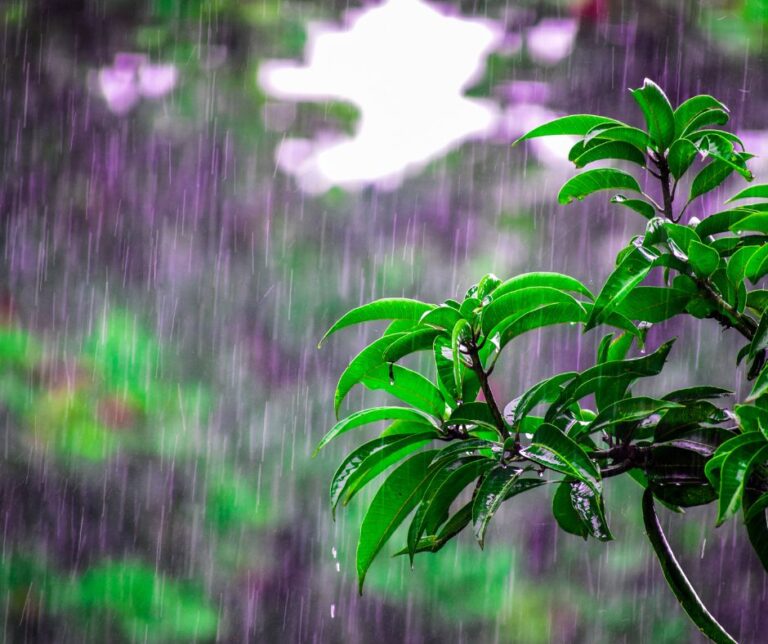
Rainwater harvesting is a simple yet effective way to collect and store water for future use. By setting up rain barrels, you can capture runoff from roofs, providing your garden with a free and sustainable water source.
Smart irrigation systems can also significantly reduce water wastage. These systems use sensors to monitor soil moisture levels, ensuring plants receive just the right amount of water.
How to Keep Your Garden Alive While on Vacation
Drip irrigation is another method that delivers water directly to the root zone, minimizing evaporation and waste.
Additionally, grouping plants with similar water needs can optimize water use.
This approach prevents overwatering and ensures each plant receives adequate hydration, making your garden more resilient during dry winter months.
Attracting Beneficial Insects and Wildlife
A thriving garden ecosystem relies on the presence of beneficial insects and wildlife. Even in winter, attracting these allies can enhance your garden’s health and sustainability.
Ladybugs, bees, and butterflies play essential roles in pollination and pest control.
Natural Pest Control: Welcoming Mosquito Predators
To attract these beneficial creatures, incorporate native flowering plants that bloom in the colder months. These provide nectar and pollen, sustaining insects through winter.
Creating habitats like log piles or birdhouses can also offer shelter for overwintering wildlife.
The Best Bird Feeders for Your Garden
By fostering a diverse ecosystem, you create a self-sustaining environment that supports your garden’s health.
Beneficial insects and wildlife can significantly reduce the need for chemical pest control, making your garden both eco-friendly and vibrant.
Energy-Efficient Garden Maintenance
Maintaining a winter garden can be energy-intensive, but it doesn’t have to be. By adopting energy-efficient practices, you can minimize your carbon footprint.
Start by utilizing manual tools rather than power tools for tasks like pruning and weeding. This not only conserves energy but also offers a more tactile connection with your garden.
Solar-powered lights and heaters can replace traditional electric versions, providing necessary warmth and light with renewable energy.
The Benefits of Outdoor Lights with Motion Detectors
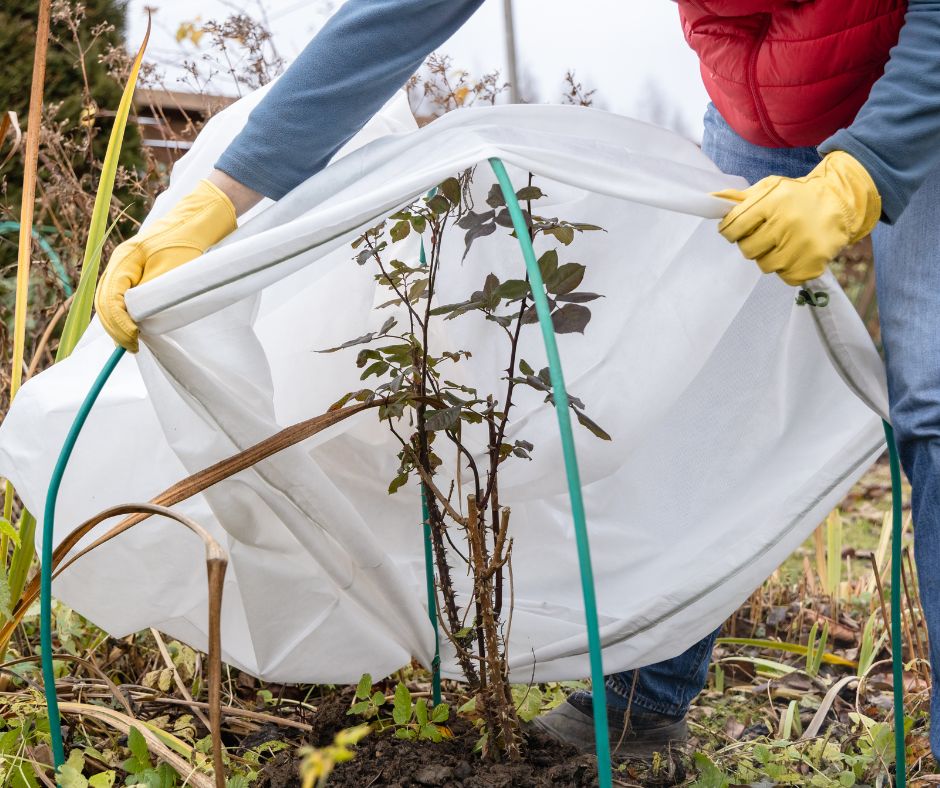
Additionally, using insulated covers or frost cloths can protect plants without relying on heating systems.
Timing your gardening activities to coincide with warmer periods of the day can also reduce energy needs. By aligning with natural cycles, you use less artificial energy and work in harmony with your garden’s rhythm.
Case Studies and Success Stories
Across the globe, gardeners are successfully implementing eco-friendly winter practices, demonstrating that sustainability is achievable in any climate.
In Vermont, a community garden has adopted greenhouse cultivation using recycled materials, drastically cutting down on their heating requirements and extending their growing season.
In Sweden, a small urban garden has embraced water conservation through innovative rainwater harvesting systems.
By collecting and using rainwater efficiently, the garden has reduced its reliance on municipal water supplies by 40%.
These success stories highlight the potential for creativity and innovation in sustainable gardening. By learning from these examples, you can adapt similar practices to your own garden, contributing to a broader movement toward environmental stewardship.
Eco-friendly winter gardening isn’t just about surviving the colder months; it’s about thriving responsibly and sustainably. By implementing the techniques and strategies discussed, you can create a garden that is not only beautiful but also eco-conscious.
From selecting the right plants to conserving water and energy, every step you take toward sustainability makes a significant impact. It’s not only about fostering a green space but also about nurturing a greener planet.
We encourage you to adopt these practices in your own garden and become part of the solution. For more insights and personalized advice, consider connecting with local gardening communities or eco-friendly organizations. Together, we can cultivate a future where gardens flourish in harmony with nature.
Visit the Garden Resources page for supplies and inspiration. Don’t forget to subscribe to the Calendula’s Garden Newsletter for more gardening tips.
Calendula’s Garden is reader supported. When you buy through links on our site, we may earn an affiliate commission. As an Amazon Associate, I earn from qualifying purchases. For more information, view our Disclaimer page. Thank you!