Gardening Strategies for Thriving in Changing Climate Conditions
Calendula's Garden is reader suported This post may contain affiliate links, more on our Disclaimer page. Thank you!
Climate change is no longer a distant threat; it’s impacting our gardens now. Rising temperatures, unpredictable weather patterns, and extended droughts are challenging even the most seasoned gardeners.
This guide covers practical strategies to adapt their gardens to these changes. By the end of this article, you’ll have actionable tips to make your garden more resilient and sustainable in the face of climate change.
Understanding the Changing Climate Zones
Shifting Plant Hardiness Zones
One of the most noticeable impacts of climate change is the shift in plant hardiness zones. These zones are critical for determining which plants can thrive in your area.
Researchers have observed that these zones are moving northward, meaning plants once suited for warmer climates can now grow in previously cooler areas. Understanding these shifts is crucial for planning a resilient garden.
The Role of Microclimates
Microclimates are small areas with different climatic conditions from the surrounding region. Factors like buildings, bodies of water, and even large trees can create microclimates in your garden.
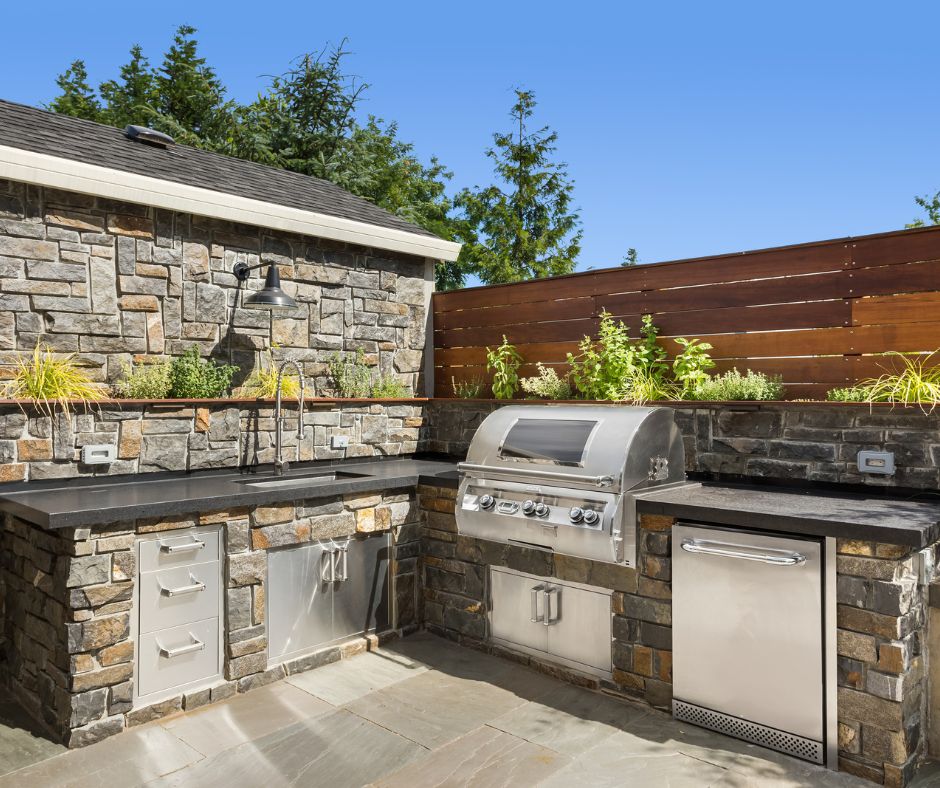
Creating a Cool Oasis: The Importance of Shade in Your Garden
Identifying and utilizing these microclimates can help you grow a more diverse range of plants.
For example, a south-facing wall can provide warmth and shelter for tender plants that might not survive in the open garden.
Tools for Monitoring Climate Changes
Several online tools and apps can help you track changes in your local climate. Websites like the USDA Plant Hardiness Zone Map are updated regularly to reflect new data.
Additionally, weather apps that offer detailed climate analytics can be invaluable for planning your garden activities. Staying informed about local climate trends will help you make better gardening decisions.
Selecting and Adapting Plant Varieties for Resilience
Native and Adapted Plants
Native plants are naturally adapted to your local climate and soil conditions, making them more resilient to climate fluctuations. They require less water and are more resistant to pests and diseases.
Similarly, adapted plants—those that have evolved to thrive in similar climatic conditions—can also be a great addition to your garden.
Drought-Tolerant Species
With increasing droughts, selecting drought-tolerant plants is more important than ever. Plants like lavender, succulents, and certain herbs can thrive with minimal water.
Incorporating these species into your garden not only conserves water but also ensures that your garden remains lush and vibrant during dry periods.
Heirloom and Hybrid Varieties
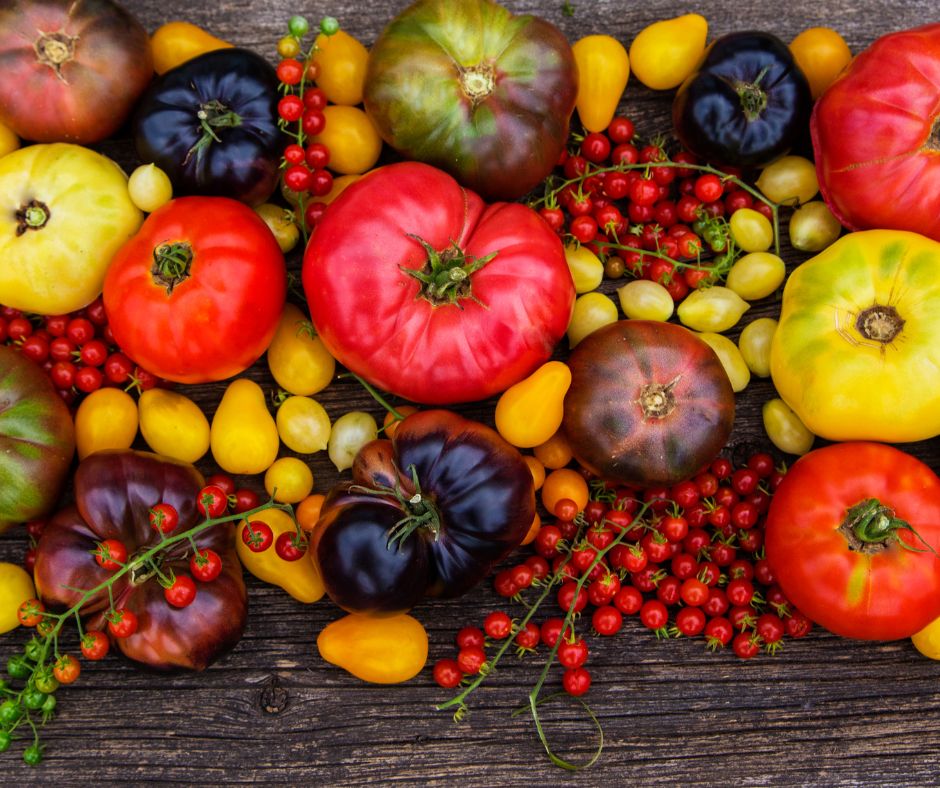
Heirloom plants are traditional varieties that have been passed down through generations and are known for their adaptability and resilience. On the other hand, hybrid plants are crossbred to enhance specific traits like drought tolerance or pest resistance.
Combining heirloom and hybrid varieties can give you the best of both worlds—a garden that’s both resilient and diverse.
Water-Saving Techniques and Drought-Tolerant Plants
Efficient Irrigation Systems
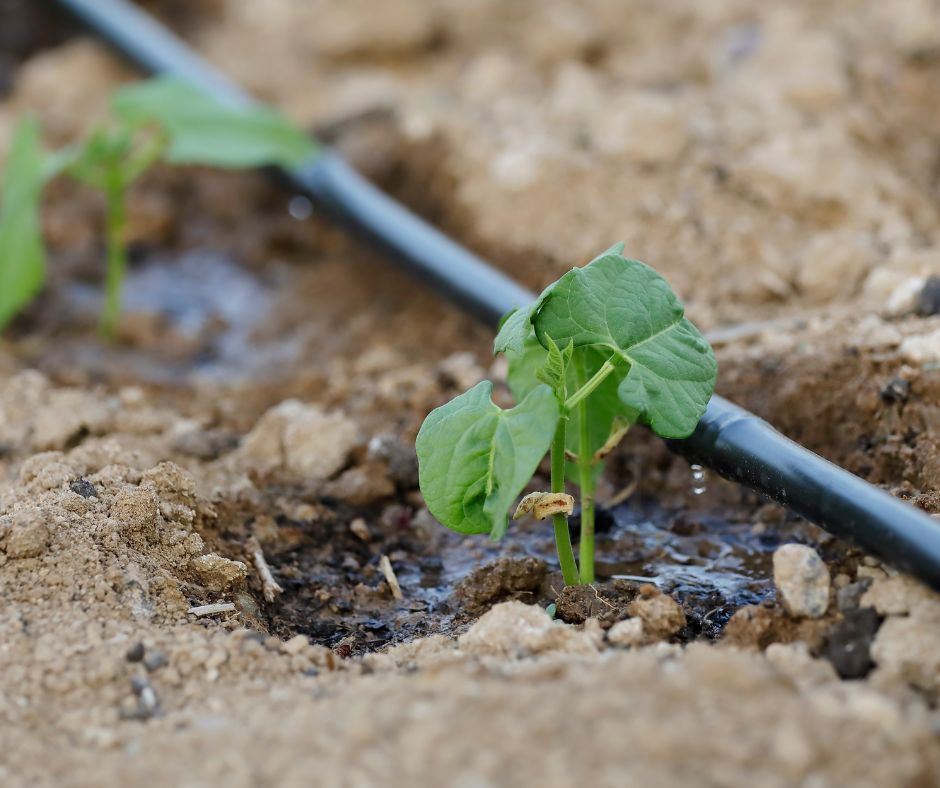
Traditional watering methods can be wasteful and inefficient. Drip irrigation systems deliver water directly to the roots, reducing evaporation and runoff.
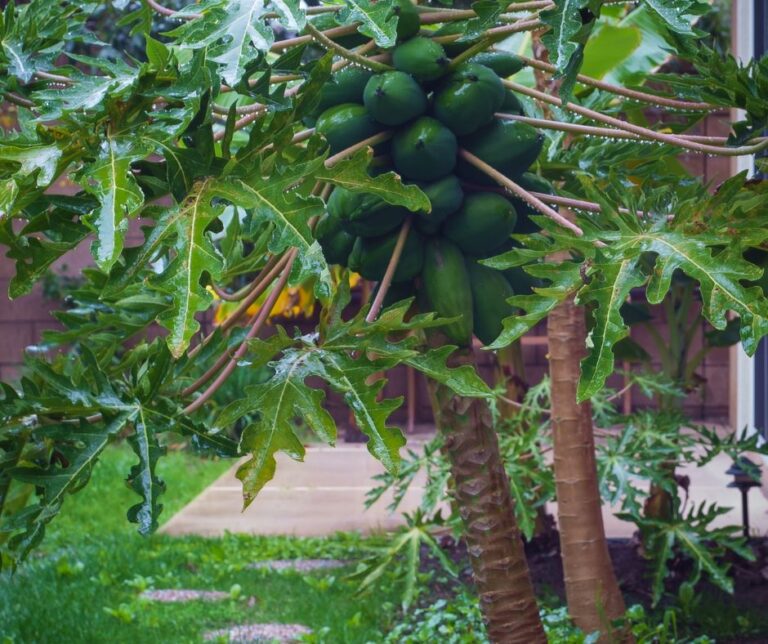
How to Keep Your Garden Alive While on Vacation
Installing a rainwater harvesting system can further conserve water by collecting and storing rainwater for future use.
Mulching for Moisture Retention
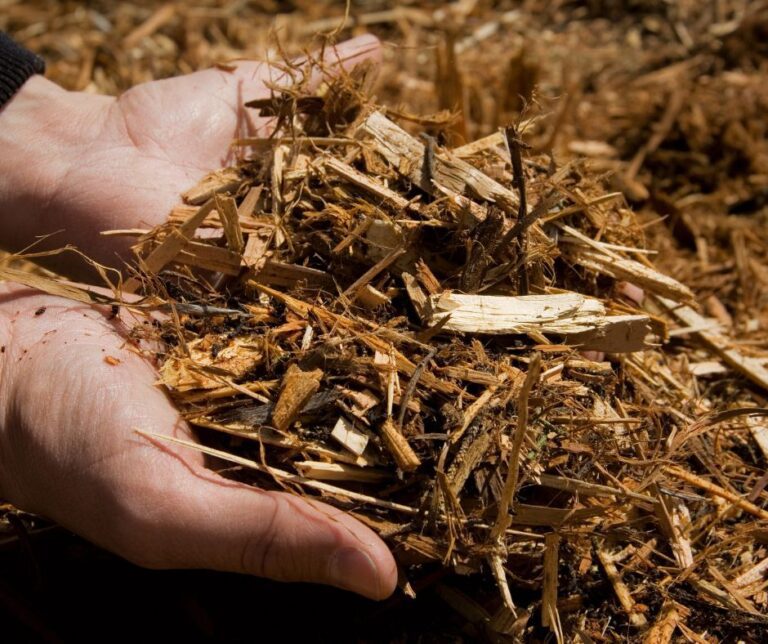
Mulching is a simple yet effective way to retain soil moisture. Organic mulches like straw, wood chips, and compost not only conserve water but also improve soil health.
From Straw to Wood Chips: Choosing the Right Mulch for Your Garden
Mulching helps regulate soil temperature, suppress weeds, and slowly release nutrients into the soil.
Planting Techniques for Drought Resistance
Proper planting techniques can significantly enhance drought resistance. Grouping plants with similar water needs together ensures that each plant receives the appropriate amount of water.
Additionally, planting in raised beds can improve drainage and prevent waterlogging, which is especially important for drought-tolerant plants.
Innovative Garden Designs for Extreme Weather
Raised Beds and Contour Gardening
Raised beds are a versatile solution for gardens facing extreme weather conditions. They improve drainage in wet climates and help retain soil moisture in dry areas.
Choosing the Best Raised Garden Bed
Contour gardening, which involves planting along the natural contours of the land, can reduce soil erosion and water runoff, making your garden more resilient.
Windbreaks and Shade Structures
Windbreaks like hedges or fences can protect your garden from harsh winds, which can damage plants and dry out the soil.
Build Your Peaceful Oasis: A Guide to Freestanding Garden Pergolas
Shade structures such as pergolas or shade cloths can shield sensitive plants from excessive heat and sunlight, reducing water evaporation and preventing sunburn.
Vertical Gardening and Green Roofs
Limited space shouldn’t be a barrier to creating a resilient garden. Vertical gardening maximizes space by growing plants on trellises, walls, and other vertical surfaces.
Creative Ways to Maximise Your Small Space with Vertical Gardening
Green roofs are another innovative solution, providing insulation and reducing stormwater runoff while creating additional garden space.
Community and Sustainable Gardening Practices
Community Gardens and Shared Resources
Community gardens are a fantastic way to promote sustainable gardening practices. They provide a shared space for people to grow their own food, share resources, and exchange gardening tips.
AMERICAN COMMUNITY GARDENING ASSOCIATION – Community Garden Locator
These gardens foster a sense of community and collective responsibility for the environment.
Sustainable Practices and Organic Methods
Sustainable gardening practices like composting, using organic fertilizers, and implementing integrated pest management (IPM) can significantly reduce your garden’s environmental impact.
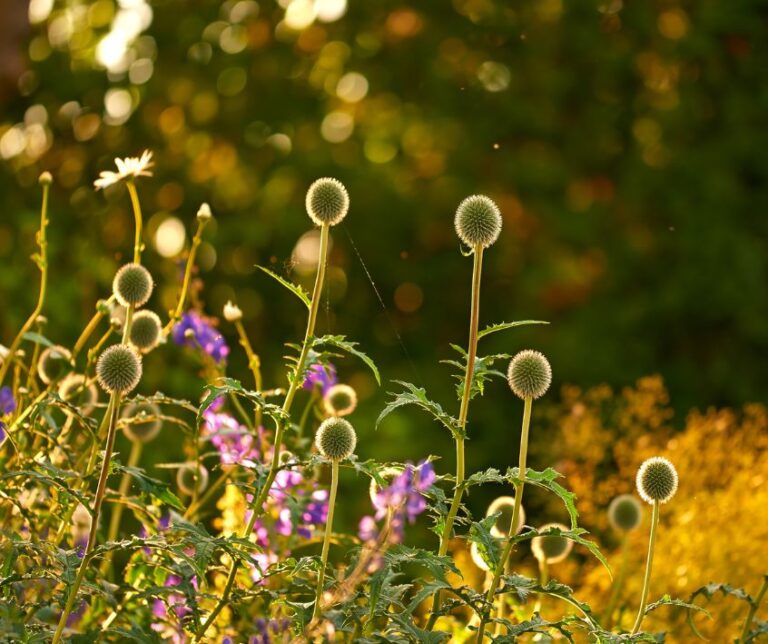
LADY BIRD JOHNSON WILDFLOWER CENTER
Organic methods focus on building healthy soil, conserving water, and promoting biodiversity, making your garden more resilient to climate change.
Educating and Engaging the Community
Raising awareness about the importance of resilient gardening is essential for broader climate adaptation.
The Best Plants For Privacy Hedges In Hot Climates
Hosting workshops, webinars, and community events can educate people about sustainable gardening practices. Engaging the community in these activities fosters a culture of environmental stewardship and collective action.
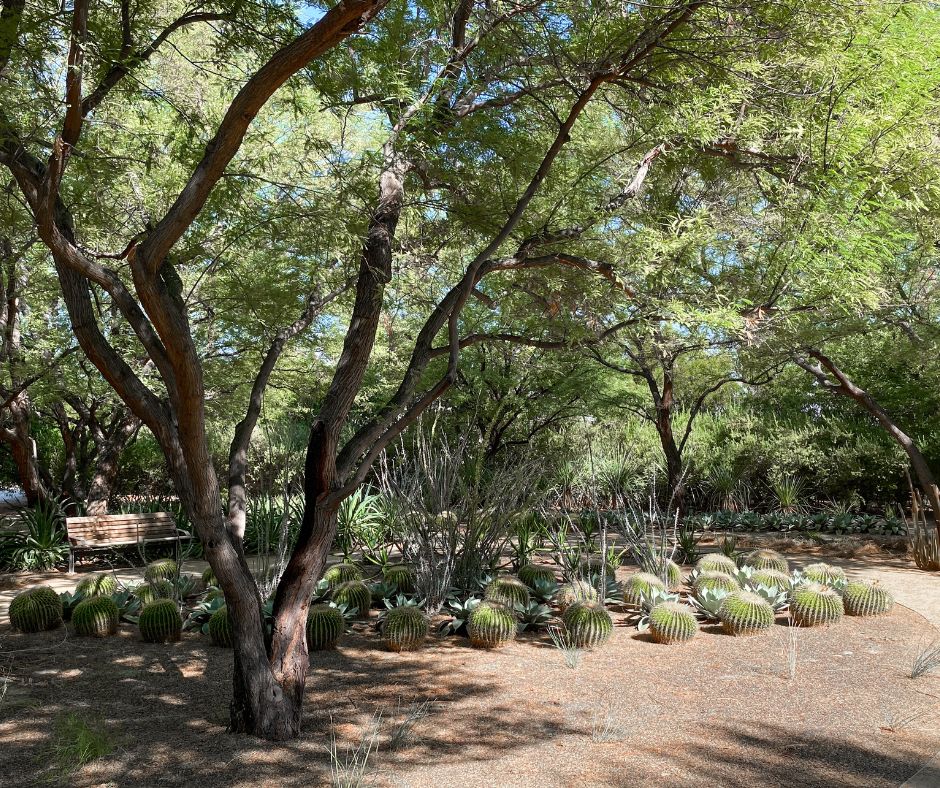
Gardening in a changing climate presents its challenges, but it’s also an opportunity to innovate and adapt. By understanding climate shifts, selecting resilient plant varieties, and implementing water-saving techniques, we can create gardens that not only survive but thrive in these new conditions.
Landscaping | Arizona Department of Water Resources
Community engagement and sustainable practices further enhance our collective ability to meet these challenges head-on.
Ready to transform your garden? Start with these strategies today and join a community of like-minded individuals committed to sustainable living. Let’s build resilient gardens together!
Visit the Garden Resources page for supplies and inspiration. Don’t forget to subscribe to the Calendula’s Garden Newsletter for more gardening tips.
Calendula’s Garden is reader supported. When you buy through links on our site, we may earn an affiliate commission. As an Amazon Associate, I earn from qualifying purchases. For more information, view our Disclaimer page. Thank you!