Garden to Wellness: Growing Lemon Balm
Calendula's Garden is reader suported This post may contain affiliate links, more on our Disclaimer page. Thank you!

Lemon Balm (Melissa officinalis) is a perennial herb native to the Mediterranean region. It has been used for centuries in traditional medicine for its calming and soothing properties. With its delightful lemon scent and easy-to-grow nature, Lemon Balm is a perfect addition to any herb garden or container setup.
Growing Lemon Balm in the Garden
Planting Time and Location
The best time to plant Lemon Balm is during the spring or fall. Choose a location with partial shade to full sun exposure. Lemon Balm thrives in areas with morning sun and afternoon shade. It’s a low-maintenance plant and pretty easy to grow. So you don’t need to do a ton of special prep before planting it.
Where to find seeds, plants, and supplies:
Soil Preparation
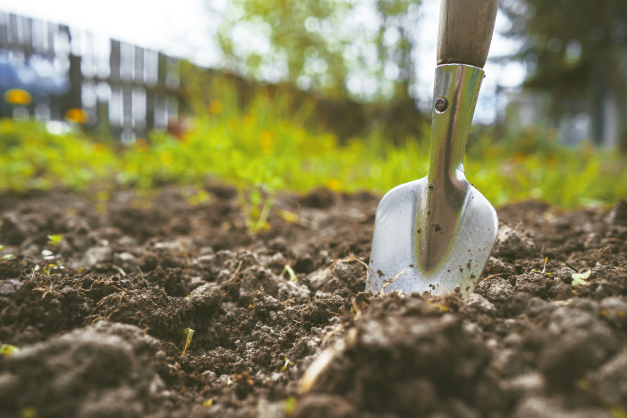
Lemon Balm prefers well-draining soil rich in organic matter. The ideal soil pH range is between 6.0 and 7.0. Before planting, amend the soil with compost or well-rotted manure to improve its structure and fertility, and that’s it.
Watering and Care
Water Lemon Balm regularly, keeping the soil consistently moist but not waterlogged. Mulch around the plants to retain moisture and suppress weed growth. Prune the plant after flowering to encourage bushier growth and prevent self-seeding.
Propagation Methods
Lemon Balm can be easily propagated through seeds, stem cuttings, or division. Sow seeds directly in the garden or start them indoors for transplanting later. Propagation by cuttings is a lot faster.
Take stem cuttings in the spring or summer and plant them in moist potting soil. Divide mature plants every 2-3 years to maintain their vigor.
Growing Lemon Balm in Containers

Choosing the Right Pot and Soil
Select a container with adequate drainage holes and a minimum size of 12 inches in diameter. Use a high-quality, well-draining potting mix specifically formulated for containers. Avoid using garden soil, as it may retain too much moisture and may have disease organisms.
Watering and Feeding
Container-grown Lemon Balm requires more frequent watering compared to garden-grown plants. Water when the top inch of soil feels dry to the touch. Feed the plants with a balanced, water-soluble fertilizer every 4-6 weeks during the growing season.
Sunlight and Temperature
Place your Lemon Balm container in a spot that receives at least 6 hours of sunlight per day. Lemon Balm can tolerate a wide range of temperatures but protect it from extreme heat or cold. Bring the container indoors during harsh winter conditions.
Companion Planting with Lemon Balm
Lemon Balm is an excellent companion plant for many herbs and vegetables. It attracts beneficial insects like bees and butterflies, which help with pollination. Some great companion plants for Lemon Balm include:
- Tomatoes
- Squash
- Broccoli
- Cabbage
- Cauliflower
Avoid planting Lemon Balm near other herbs in the mint family, as they may compete for resources and become invasive.
The Many Benefits of Companion Gardening
Growing Lemon Balm Indoors
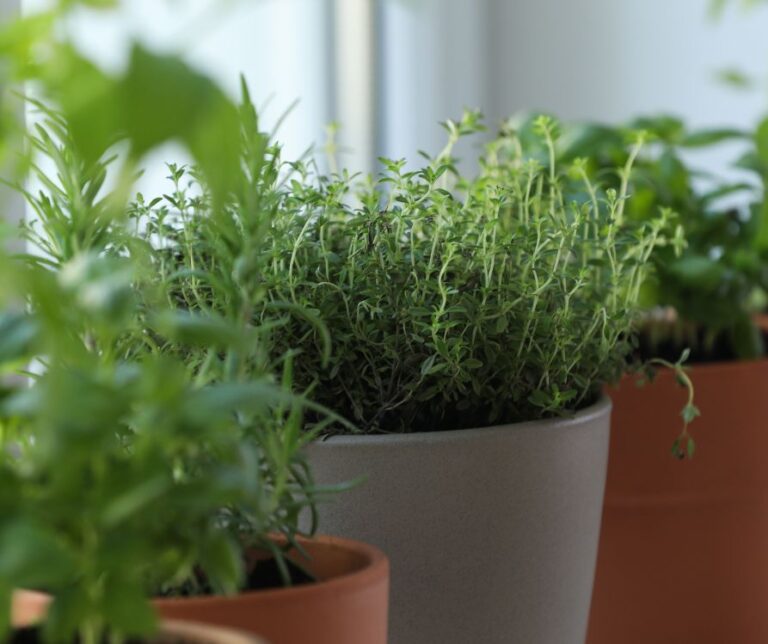
Growing lemon balm indoors is an excellent way to ensure a fresh supply of fragrant leaves year-round. Start by selecting a container with good drainage holes to prevent waterlogging, which can harm the roots. A pot that is at least 6-8 inches deep is ideal for healthy root development. Use a high-quality potting mix that retains moisture but also provides adequate drainage.
Place the container in a location that receives plenty of bright, indirect sunlight. A south-facing window is perfect, but if natural light is limited, consider using a grow light to provide the plant with the 6-8 hours of light it needs daily.
When it comes to watering, keep the soil consistently moist but not soggy. Check the top inch of soil regularly. Water when it feels dry to the touch. Overwatering can lead to root rot, so ensure any excess water drains away effectively.
Feed your indoor lemon balm with a diluted, water-soluble fertilizer once a month during the growing season to support healthy growth. However, reduce or stop feeding during the winter when the plant’s growth naturally slows. With proper care, your indoor lemon balm will thrive and provide fresh, aromatic leaves to enjoy.
Using Lemon Balm in the Kitchen and Home

Lemon Balm is a versatile herb that can be used in various culinary and household applications. Its refreshing, lemony flavor and aroma make it a delightful addition to many dishes and products.
Culinary Uses
- Herbal Teas: Fresh or dried Lemon Balm leaves can be brewed into a soothing tea that helps promote relaxation and reduce stress. Simply steep a handful of leaves in hot water for 5-10 minutes, strain, and enjoy.
- Salads and Dressings: Add chopped Lemon Balm leaves to green salads, fruit salads, or salad dressings. The citrusy taste pairs well with a variety of ingredients, adding a bright flavor to your dishes.
- Desserts and Baked Goods: Lemon Balm can be used in a range of sweet treats such as cookies, cakes, and muffins. Incorporate finely chopped leaves into your batter or dough for a subtle lemon flavor.
- Savory Dishes: Enhance the flavor of soups, stews, and marinades by adding Lemon Balm. It also complements poultry, fish, and vegetable dishes. Use it fresh or dried, but add it towards the end of cooking to maintain its delicate flavor.
Household Uses
- Aromatic Bath: Create a relaxing bath by adding a handful of fresh Lemon Balm leaves to your bathwater. The natural oils released will provide a calming effect and a pleasing scent.
- Homemade Cleaning Products: Infuse vinegar with Lemon Balm leaves for a natural cleaning solution. Fill a jar halfway with fresh leaves, cover with vinegar, and let it sit for a few weeks. Strain the liquid and use it to clean surfaces in your home.
- Potpourri and Sachets: Dry Lemon Balm leaves can be used in potpourri mixtures or sachets to freshen up drawers, closets, and rooms. Combine with other dried herbs and flowers for a delightful aromatic blend.
- Insect Repellent: Lemon Balm’s natural oils can help deter mosquitoes and other insects. Crush fresh leaves and rub them on your skin or place them around outdoor seating areas.
By incorporating Lemon Balm into your kitchen and home routines, you can enjoy its fresh, citrusy flavor and numerous benefits year-round.
25 Mosquito Repellent Plants for a Bug-Free Haven
Health Benefits of Lemon Balm
Lemon Balm has been traditionally used to:
- Reduce stress and anxiety
- Promote relaxation and better sleep
- Alleviate digestive issues
- Boost cognitive function
To incorporate Lemon Balm into your wellness routine, try making a soothing herbal tea, adding fresh leaves to salads, or using it in aromatherapy.
Find out about the interesting history and folklore that surrounds fragrant herb – LEMON BALM: THE IMMORTAL LIFE OF BEES
Growing Lemon Balm is a rewarding experience for both novice and experienced gardeners. By following the tips outlined in this guide, you can successfully cultivate Lemon Balm in your garden or containers.
Remember to choose the right location, prepare the soil, and provide adequate water and care. Don’t forget to explore companion planting options and enjoy the numerous health benefits Lemon Balm has to offer.
We encourage you to share your Lemon Balm growing experiences, tips, and recipes with fellow gardeners.
Happy gardening!
Visit the Garden Resources page for supplies and inspiration. Don’t forget to subscribe to the Calendula’s Garden Newsletter for more gardening tips.
Calendula’s Garden is reader supported. When you buy through links on our site, we may earn an affiliate commission. As an Amazon Associate, I earn from qualifying purchases. For more information, view our Disclaimer page. Thank you!