Floss Flower: A Gardener’s Dream for Beauty and Utility
Calendula's Garden is reader suported This post may contain affiliate links, more on our Disclaimer page. Thank you!
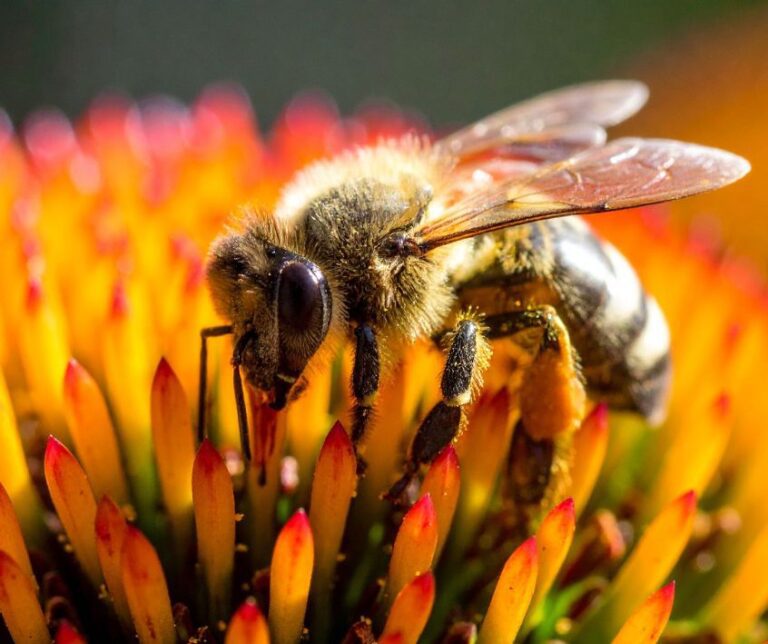
Today, we’ll explore the enchanting world of Floss Flower (Ageratum houstonianum), a delightful plant that not only adds beauty to your garden but also supports local pollinators.

What are Floss Flowers?
Floss Flower, also known as Bluemink or Blueweed, is a charming annual plant native to Central America and Mexico.
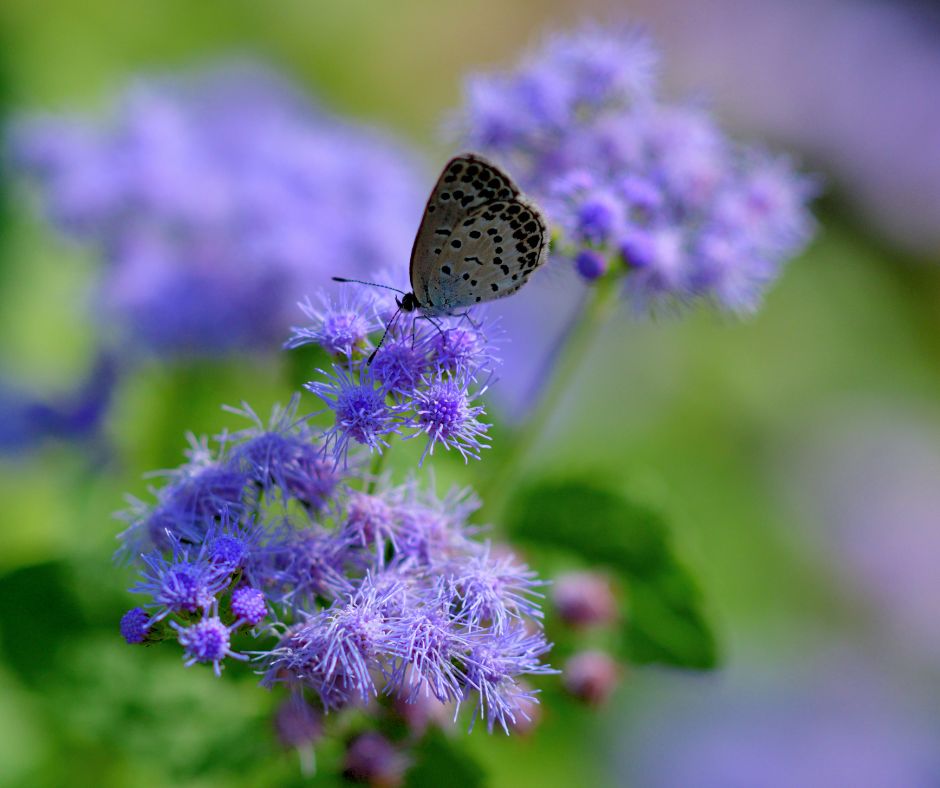
Its fluffy, button-like flowers bloom in shades of blue, purple, pink, and white, creating a captivating display in any garden.
Benefits of Floss Flower
Beyond its aesthetic appeal, Floss Flower is a natural insect repellent, making it an excellent companion for pest-prone plants and sitting areas.
However, make sure your Floss Flower patch is well labeled, as it should not be eaten due to its toxic properties.
25 Mosquito Repellent Plants for a Bug-Free Haven
Growing Floss Flowers in the Garden
Sunlight and Soil Requirements
Floss Flower thrives in full sun to partial shade and prefers well-draining soil rich in organic matter. It is adaptable to various soil types but performs best in slightly acidic to neutral soil.
Planting Instructions
- Sow seeds directly in the garden after the last frost or start indoors 6-8 weeks before the last expected frost.
- Plant seeds 1/8 inch deep and gently press soil over them.
- Space plants 6-12 inches apart, depending on the variety.
Where to find seeds, plants, and supplies:
Watering and Maintenance Tips
- Keep the soil consistently moist but not soggy.
- Deadhead spent flowers to encourage continuous blooming.
- Pinch back young plants to promote bushier growth.
Companion Planting
Floss Flower makes an excellent companion for various plants, including:
- Roses: Repels aphids and other pests.
- Herbs: Enhances the growth and flavor of basil, oregano, and thyme.
- Vegetables: Deters pests from tomatoes, peppers, and squash.
Growing Floss Flower in Containers
Choosing the Right Pot and Soil
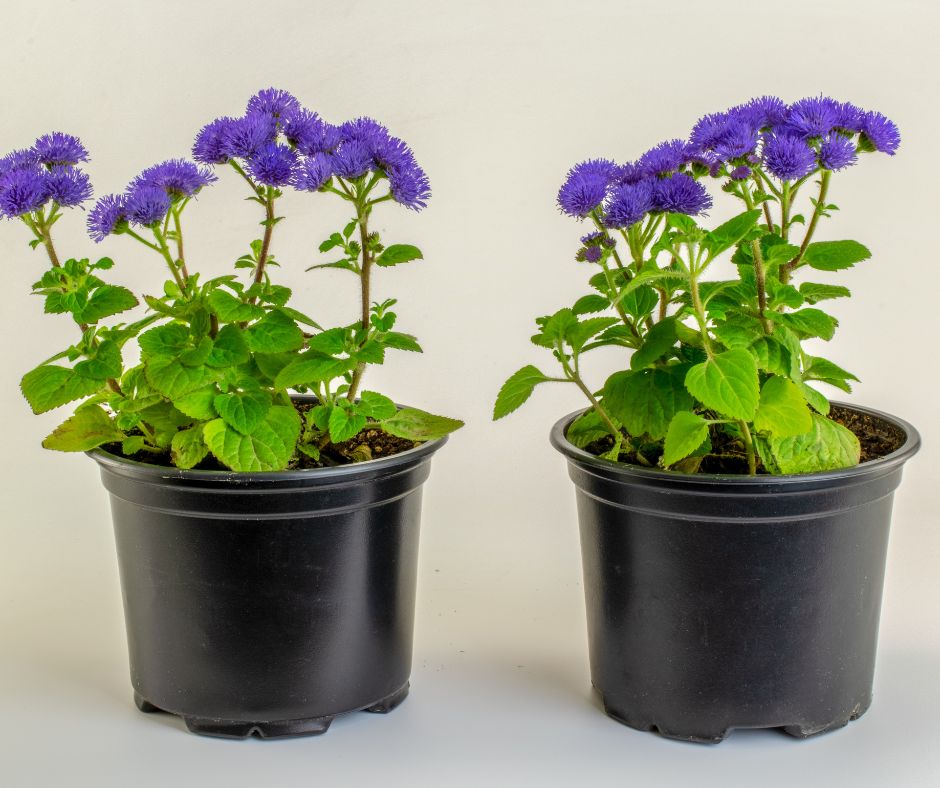
- Select a container with drainage holes to prevent waterlogging.
- Use a well-draining potting mix containing perlite, vermiculite, or sand for optimal growth.
Planting Instructions
- Fill the container with potting mix, leaving space for watering.
- Sow seeds 1/8 inch deep or transplant seedlings, spacing them according to the variety.
- Gently water the soil, ensuring even moisture.
Watering and Maintenance Tips for Container Gardening
- Water when the top inch of soil feels dry, avoiding overwatering.
- Fertilize every 2-3 weeks with a balanced, water-soluble fertilizer.
- Deadhead and pinch back as needed to maintain a compact, bushy shape.
Benefits of Container Gardening for Floss Flower
Growing Floss Flower in containers offers several advantages:
- Allows for better control over soil quality and moisture levels.
- Enables easy relocation to optimize sunlight exposure.
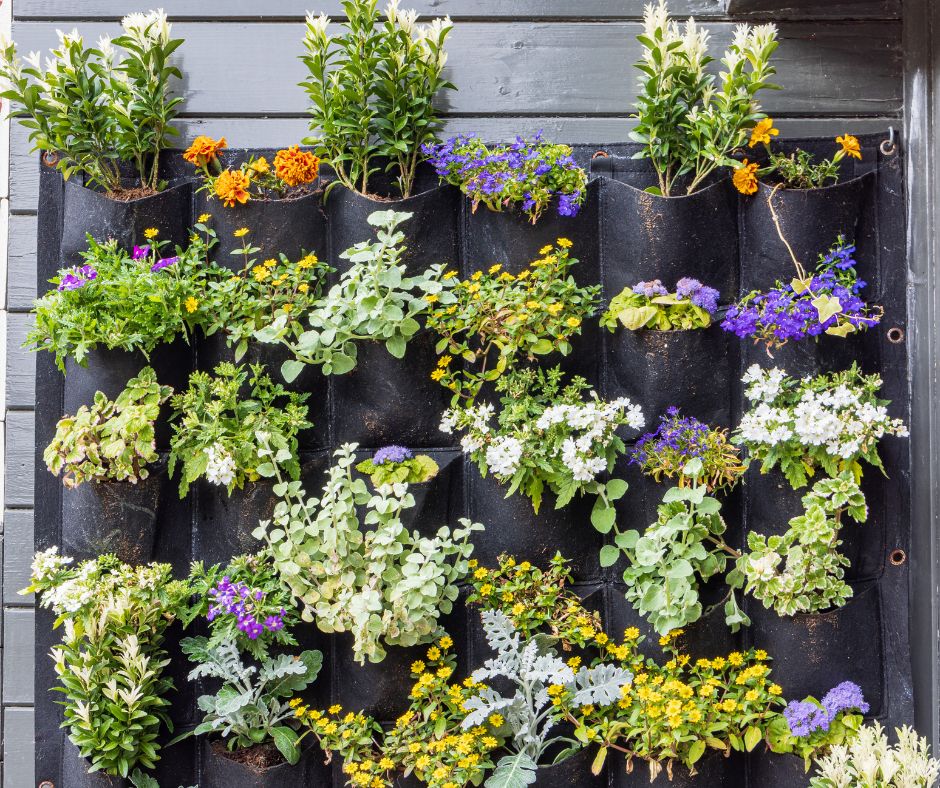
- Provides flexibility in garden design and placement.
Floss Flower is a delightful addition to any garden, offering both visual appeal and health benefits. Its easy-to-grow nature and versatility make it an ideal choice for novice and experienced gardeners alike.
More about Floss Flower – Thomas Jefferson’s Monticello
By following these simple guidelines, you’ll soon enjoy the magic of Floss Flower in your own garden or containers.
Visit the Garden Resources page for supplies and inspiration. Don’t forget to subscribe to the Calendula’s Garden Newsletter for more gardening tips.
Calendula’s Garden is reader supported. When you buy through links on our site, we may earn an affiliate commission. As an Amazon Associate, I earn from qualifying purchases. For more information, view our Disclaimer page. Thank you!