How to Make Stove Top Potpourri Last Longer
Calendula's Garden is reader suported This post may contain affiliate links, more on our Disclaimer page. Thank you!
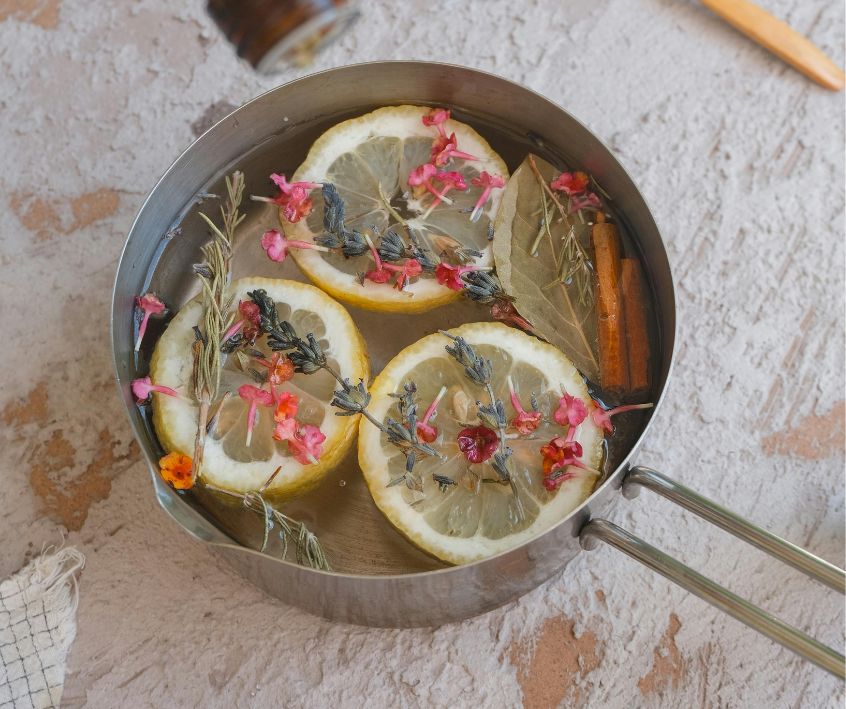
For those of us trying to reduce our exposure to synthetic fragrances and the phthalates found in many commercial candles and plug-ins, stove top potpourri, often called a “simmer pot,” is a revelation.
It is a simple, sustainable way to scent your living space using nothing but water, heat, and botanical ingredients.
However, a common frustration for newcomers to this method is longevity. You toss some orange peels and cinnamon into a pot, and within an hour, the scent fades or the water runs dry.
The good news is that with a little know-how, you can extend the life of your simmer pot significantly.
By choosing the right botanical elements and managing the heat correctly, you can make a single batch last for days, reducing waste and keeping your home smelling fresh and cozy.

The Science of Scent: Why Ingredients Matter
Not all ingredients are created equal when it comes to heat endurance. When you create a simmer pot, you are essentially performing a steam distillation.
The heat breaks down the cellular structure of the plants, releasing volatile essential oils into the steam, which then carries the scent through your home.
To make your potpourri last, you need to select ingredients that release these oils slowly rather than all at once.
Whole Spices vs. Ground Powders
It might be tempting to sprinkle ground cinnamon or nutmeg into your water, but this is a shortcut that rarely pays off.
Ground spices release their scent instantly and then quickly turn the water into a muddy, sludge-like consistency that can burn easily.
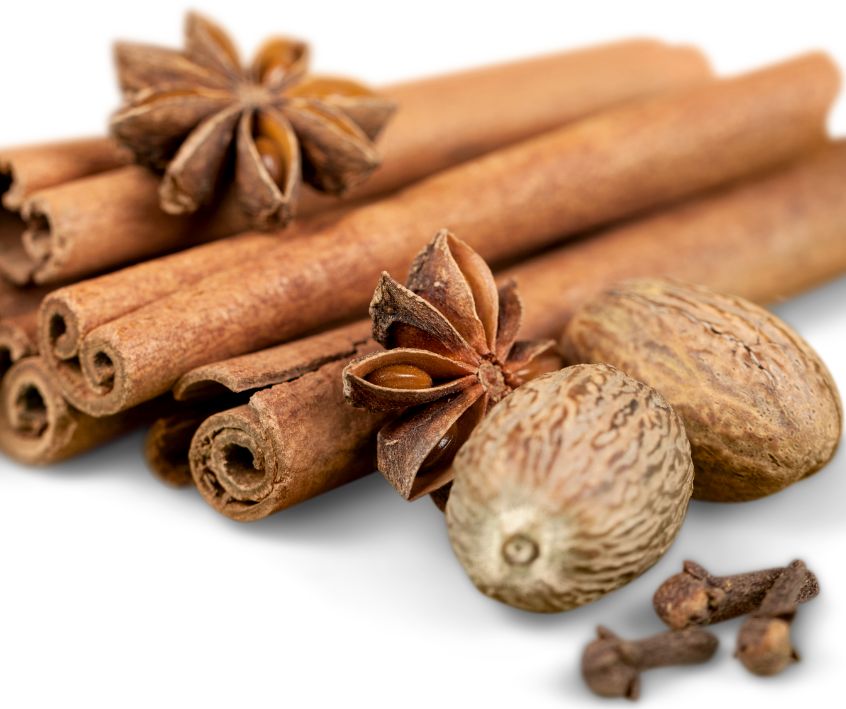
Instead, opt for whole spices. Cinnamon sticks, whole cloves, star anise, and whole nutmeg nuts are dense structures.
They release their aromatic compounds gradually as they rehydrate and warm up, providing a sustained fragrance release over many hours.
Woody Herbs vs. Soft Herbs
Soft herbs like mint or basil have high water content and delicate structures. In a simmer pot, they tend to turn mushy and lose their fragrance within thirty minutes.
For longevity, look to the woody end of the herb garden.
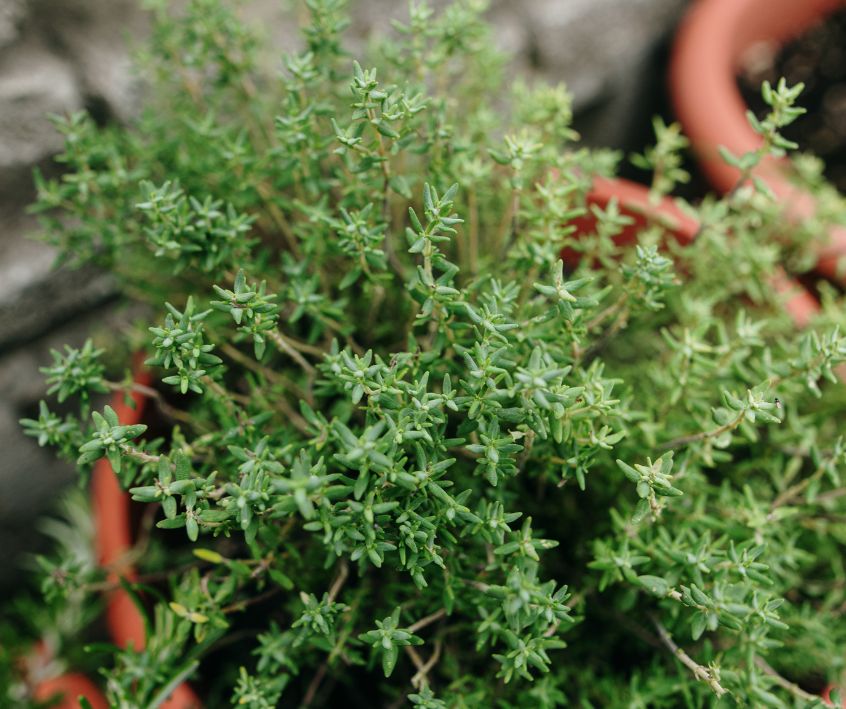
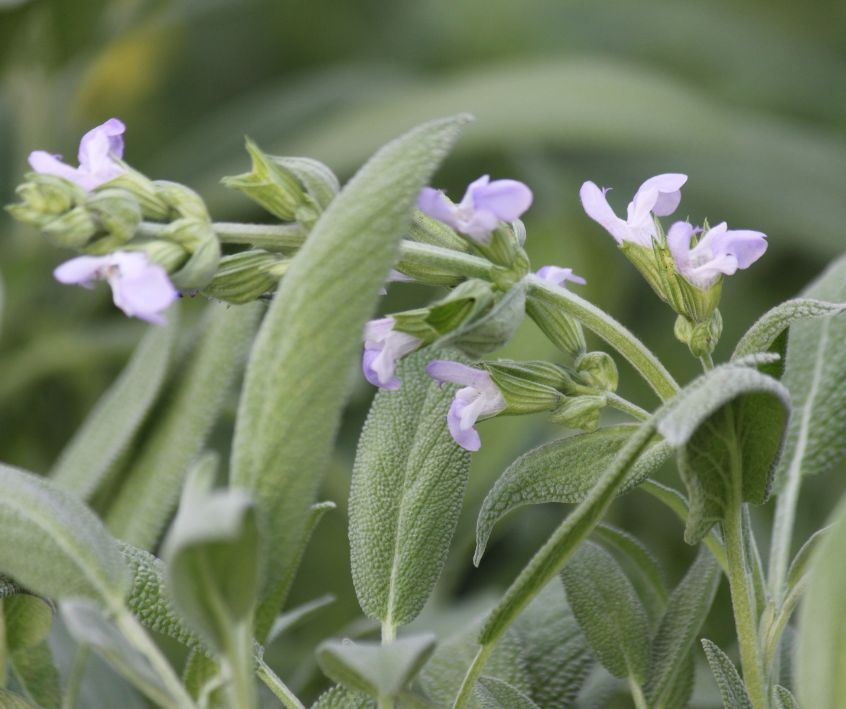
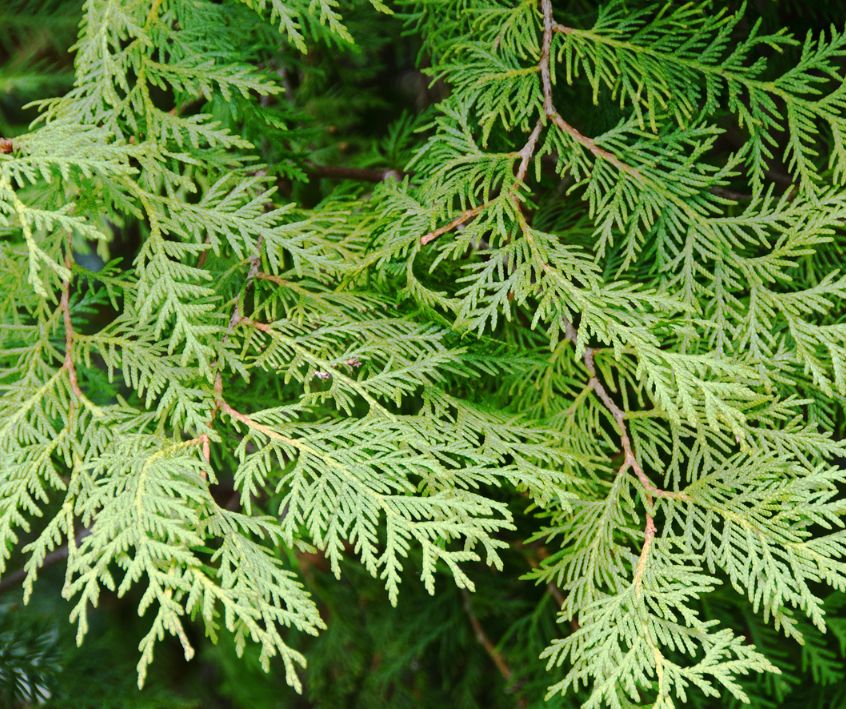
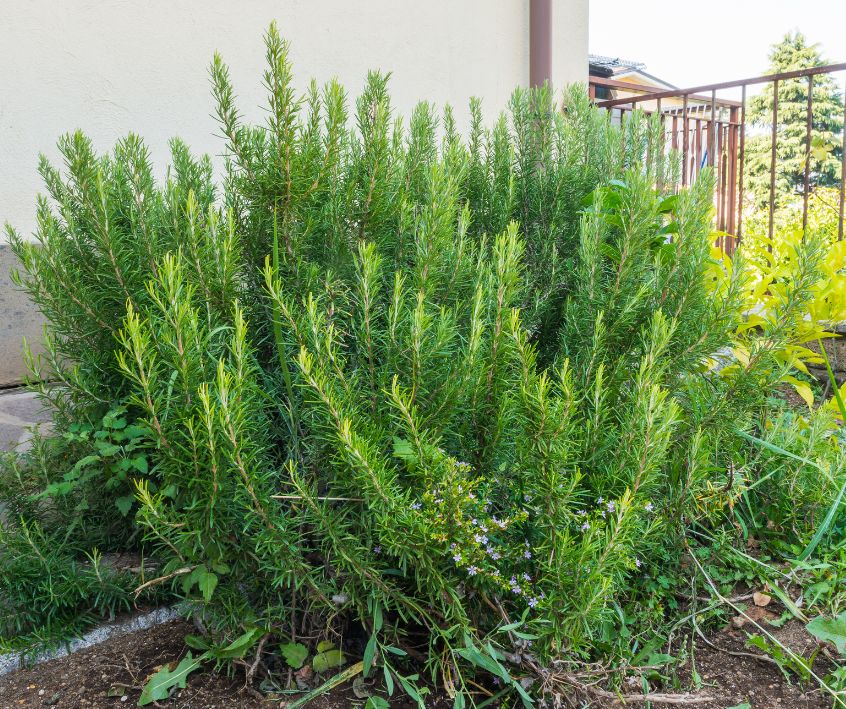
Rosemary, thyme, sage, and cedar clippings have tough, fibrous stems and leaves that stand up well to prolonged heat.
They act as the “base notes” of your natural perfume, providing a lasting earthy backdrop.
The Power of Peels
Citrus is a staple in stove top potpourri, but the fruit flesh often breaks down too fast. The real power lies in the rind, which contains the oil sacs.
Lemon, orange, and grapefruit peels are incredibly durable. If you are eating an orange for a snack, save the peel in the freezer; it creates less waste and ensures you always have high-quality aromatic ingredients on hand.
Prep Work: Releasing the Oils
Before you even turn on the stove, how you prepare your ingredients can dictate how strong the scent is and how long it lasts. You want to encourage the release of oils without destroying the structural integrity of the plant.
For citrus, avoid slicing the fruit paper-thin. Thick wedges or large strips of peel are better because they won’t disintegrate into pulp after an hour of simmering.
For your woody herbs, give them a little help. Take a sprig of rosemary or pine and gently bend and twist it until you feel the fibers snap slightly.
This is called “bruising” the herb. It opens up the plant cells just enough to let the scent escape more easily once it hits the warm water, without requiring a rolling boil to get the process started.
With whole spices, you can use a mortar and pestle to gently crack them. Don’t grind them, just break them open.
A cracked nutmeg releases significantly more scent than a whole one, but it will still last much longer than grated nutmeg.
Simmering Strategies for Longevity
The most crucial factor in extending the life of your potpourri is heat management. The goal is a gentle release of steam, not a rapid reduction of liquid.
Low and Slow
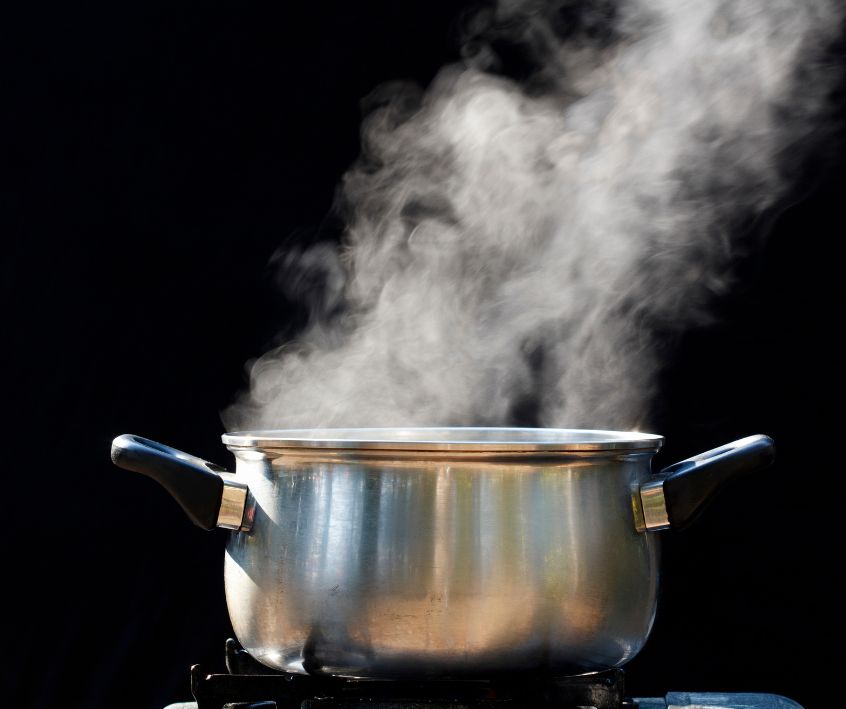
Bring your pot of water and ingredients to a boil, then immediately turn the heat down to the absolute lowest setting. You want a wisp of steam, not a rolling bubble.
A violent boil will evaporate your water in minutes and can “cook” the scent out of the ingredients, leaving them smelling more like overcooked soup than a fresh fragrance.
The Lid Trick
If you want to scent the room, the lid needs to be off. However, if you are leaving the room for an hour or simply want to pause the scent, pop the lid on and turn the heat off.
This traps the remaining essential oils inside the pot so they don’t dissipate into the air when you aren’t there to enjoy them. It also prevents water evaporation.
Maintenance is Key
A well-tended simmer pot can last for 3 to 4 days if you treat it right. This is where the eco-friendly aspect really shines, as you get maximum utility out of your organic materials.
The Water Rule
Never let the pot run dry. This is a safety hazard, but it also ruins the potpourri instantly.
Burnt citrus and charred cinnamon is a smell that lingers for days,and not in a good way. Keep a pitcher of water nearby and top off the pot every 30 to 45 minutes.
The Refrigerator Reset
You don’t need to throw the mixture away when you go to bed. Simply let the pot cool down, cover it, and place it in the refrigerator overnight.
The cold environment halts the breakdown of the organic materials. The next morning, bring it back out, add a little fresh water, and simmer it again.
You can usually repeat this cycle for several days before the ingredients are spent.
Troubleshooting Common Issues
Even with the best intentions, sometimes a simmer pot falls flat. Here is how to fix it.
The Scent is Too Weak
If you feel like the scent isn’t traveling far enough, check your airflow. Simmer pots work best in areas with a little air movement to carry the steam.
If the location is fine, try adding a “booster.” A splash of vanilla extract or a single drop of essential oil (like clove or eucalyptus) added to the existing mixture can revitalize the scent profile without needing to start from scratch.
The Water Looks Murky
After a day or two, the water might turn dark brown or cloudy. This is normal. It’s just the tannins and oils from the spices and peels.
However, if it starts to look sludge-like, strain the solids out. Rinse the ingredients gently in a colander, wipe out the pot to remove any residue, and put the solids back in with fresh water. This “rinse cycle” can often give you one more day of use.
Creative Combinations for Every Season
To get you started, here are three durable combinations designed to last.
The Long-Lasting Autumn
- 2 Cinnamon sticks (broken in half)
- 1 Tablespoon whole cloves
- Peels from 2 oranges
- 1 Star anise
The Winter Evergreen
- 2 Sprigs of fresh pine or cedar (foraged from the yard is perfect)
- 1 cup fresh cranberries (these hold their shape well)
- 1 Lemon, quartered
The Spring Clean
- 2 Sprigs of rosemary
- 3 Slices of grapefruit (thickly cut)
- 1 Teaspoon whole vanilla beans or 1 tsp vanilla extract
Embrace the Ritual
Making stove top potpourri last longer is about mindfulness. It requires a small amount of attention, topping up the water, adjusting the heat, that brings you back to the present moment.
By choosing whole, hardy ingredients and treating them gently, you can create a sustainable, non-toxic atmosphere in your home that persists for days.
Once your mixture finally gives up the ghost and the scent is gone, remember that this is a zero-waste project.
Strain the water into the sink and toss the spent solids into your compost bin. It’s a natural cycle that starts and ends with the earth.
Visit the Garden Resources page for supplies and inspiration. Don’t forget to subscribe to the Calendula’s Garden Newsletter for more gardening tips.
Calendula’s Garden is reader supported. When you buy through links on our site, we may earn an affiliate commission. As an Amazon Associate, I earn from qualifying purchases. For more information, view our Disclaimer page. Thank you!