Essential Tips for Effective Winter Pruning
Calendula's Garden is reader suported This post may contain affiliate links, more on our Disclaimer page. Thank you!

Winter pruning is an essential task for any gardener looking to maintain the health and beauty of their garden.
By taking advantage of the dormant season, you can ensure that your trees, shrubs, and perennials grow more vigorously come spring.
This guide will walk you through everything you need to know about winter pruning, from the benefits it offers your plants to the specific techniques and timing to use for different types of plants.
Importance of Winter Pruning
Winter pruning isn’t just about cleaning up your garden; it’s a strategic practice that can lead to healthier, more productive plants.
During the winter months, many plants enter a state of dormancy, making it an ideal time to prune without causing undue stress. Pruning during this period helps to:
- Stimulate Growth: Removing dead or overgrown branches allows plants to focus their energy on producing new growth.
- Improve Shape and Structure: Pruning helps maintain the desired shape of your plants and trees, preventing them from becoming unruly.
- Increase Sunlight and Air Circulation: Thinning out dense branches improves light penetration and air circulation, reducing the risk of disease.
Understanding Winter Pruning
What to Prune: Trees, Shrubs, and Perennials
Not all plants are suitable for winter pruning, so it’s crucial to identify which ones in your garden can benefit from it:
- Trees like apple and pear trees respond well to winter pruning. However, avoid pruning trees like maple, birch, and walnut until late winter to prevent excessive sap flow.
- Shrubs, particularly those that bloom in summer, such as butterfly bush and hydrangeas, can be pruned during the winter.
- Perennials can benefit from pruning too, especially those that are prone to disease or pest issues. Remove any dead foliage to encourage healthy new growth in spring.
Tools You’ll Need
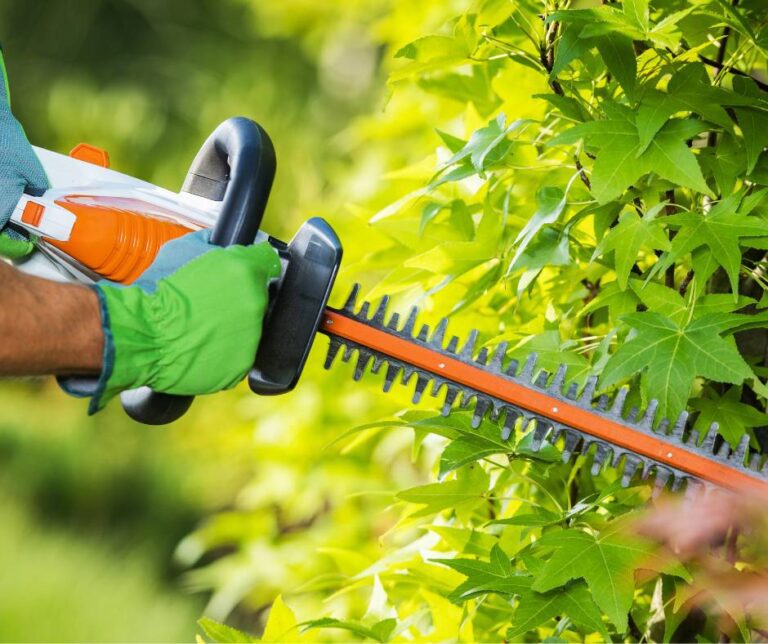
Having the right tools is crucial for effective pruning. Here’s what you’ll need:
- Pruning Shears for cutting small branches and stems.
- Loppers for thicker branches up to 2 inches in diameter.
- Pruning Saw for larger limbs.
- Gloves and goggles for safety.
Best Practices
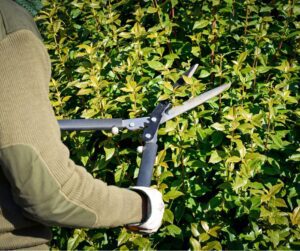
Timing: The Right Time to Prune
Timing is everything when it comes to winter pruning. Generally, the ideal time is late winter, just before spring’s active growth phase. For specific plants:
- Deciduous trees should be pruned during their dormancy in late winter.
- Summer-flowering shrubs are best pruned in late winter or early spring.
- Evergreens should generally be pruned in late winter but take care not to cut into old wood.
Techniques for Different Plant Types
- Trees: Use the “three-cut method” to remove large branches without damaging the tree. Start with an undercut, followed by a top cut, and finally a finishing cut close to the branch collar.
- Shrubs: For rejuvenation, cut one-third of the oldest stems at ground level to promote new growth.
- Perennials: Cut back to ground level to remove dead growth.
Safety Measures
Always prioritize safety when pruning:
- Wear protective eyewear and gloves.
- Ensure your ladders are stable and use them safely to reach high branches.
- Keep your tools sharp and clean to avoid injury and plant damage.
Step-by-Step Guide
How to Prune Trees
- Identify branches that need removal.
- Make the first cut 12-18 inches from the trunk.
- Make a second cut an inch beyond the first to remove the limb.
- Clean up with a final cut just outside the branch collar.
How to Prune Shrubs
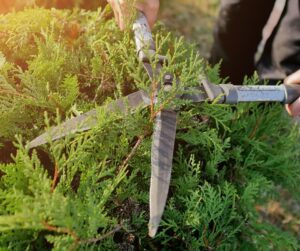
- Remove dead or diseased wood first.
- Cut overly long branches to shape the shrub.
- Thin out crowded areas to improve air circulation.
How to Prune Perennials
- Trim dead growth back to ground level.
- Leave some seed heads for wildlife if desired.
- Mulch around the base for added protection.
Post-Pruning Care
Protecting Plants from Frost
After pruning, additional care can prevent frost damage. Apply a layer of mulch to insulate soil and keep roots warm. Use burlap or frost cloth for sensitive plants.
Promoting Healthy Growth
Feed your plants with a slow-release fertilizer in early spring to kickstart growth. Water the plants thoroughly to help them recover and flourish in spring.
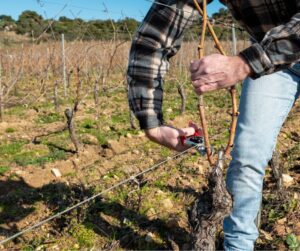
Winter pruning is a powerful tool in a gardener’s arsenal, offering numerous benefits, including healthier, more productive plants. By understanding the right timing and techniques, you can transform your garden into a vibrant oasis.
Now that you’re armed with the knowledge, it’s time to put it into practice and watch your garden thrive. For more expert advice and tips, consider joining a local gardening group or community to share experiences and learn from others. Happy gardening!
Visit the Garden Resources page for supplies and inspiration. Don’t forget to subscribe to the Calendula’s Garden Newsletter for more gardening tips.
Calendula’s Garden is reader supported. When you buy through links on our site, we may earn an affiliate commission. As an Amazon Associate, I earn from qualifying purchases. For more information, view our Disclaimer page. Thank you!