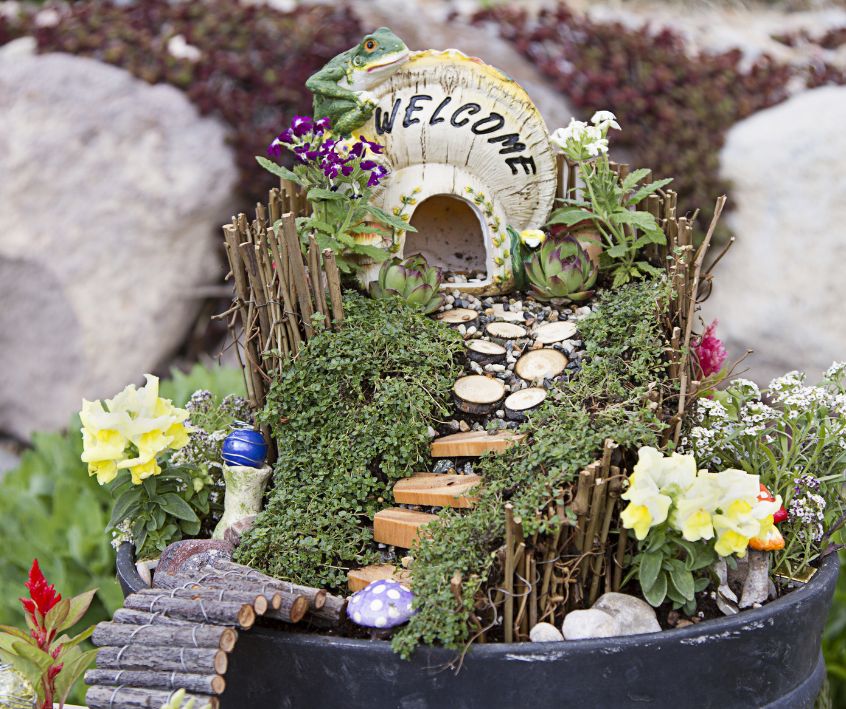
Enchanted Fairy Garden Ideas Perfect for Small Spaces
Calendula's Garden is reader suported This post may contain affiliate links, more on our Disclaimer page. Thank you!
While many of us dream of sprawling acreage or vast flower meadows, the reality of modern living often restricts our gardening ambitions to balconies, patios, or even just a sunny windowsill.
But limited square footage shouldn’t limit your creativity. In fact, small spaces are the perfect canvas for a fairy garden.
These miniature landscapes allow you to cultivate a deep connection with nature on a manageable scale. For beginner gardeners, they offer a fantastic, low-pressure introduction to horticulture.
You can experiment with design, texture, and plant care without the physical demands of a full sized plot. Plus, by choosing the right plants, even a tiny pot can become a haven for local biodiversity, offering a resting spot for passing pollinators.
Whether you are looking for a relaxing solo project or a way to get the family interested in sustainability and nature, building an enchanted forest in a pot is a rewarding experience. Let’s look at how you can bring a touch of magic to your small space.
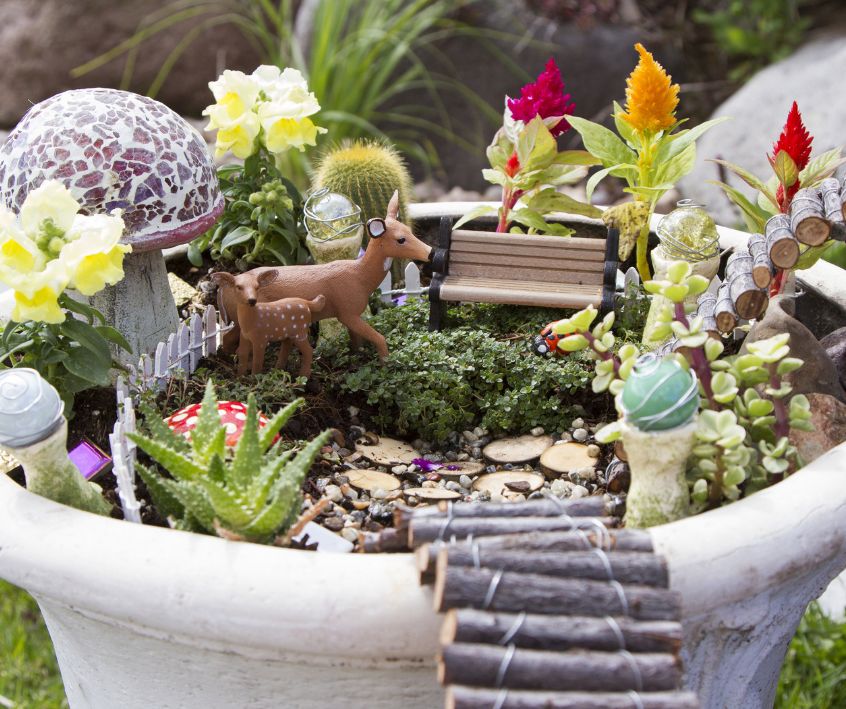
Planning Your Miniature Landscape
Before you rush to the nursery, take a moment to assess your location. The success of your garden depends entirely on where it lives.
Assess the Light
Is your available space bathed in hot afternoon sun, or is it a shady corner of a covered porch?
This will dictate your plant choices. A true “enchanted forest” theme usually relies on mosses and ferns, which prefer shade or dappled light.
If you have a blazing hot balcony, you might need to adapt your theme to a “dry woodland” using succulents that mimic forest shapes.
Choose Your Container
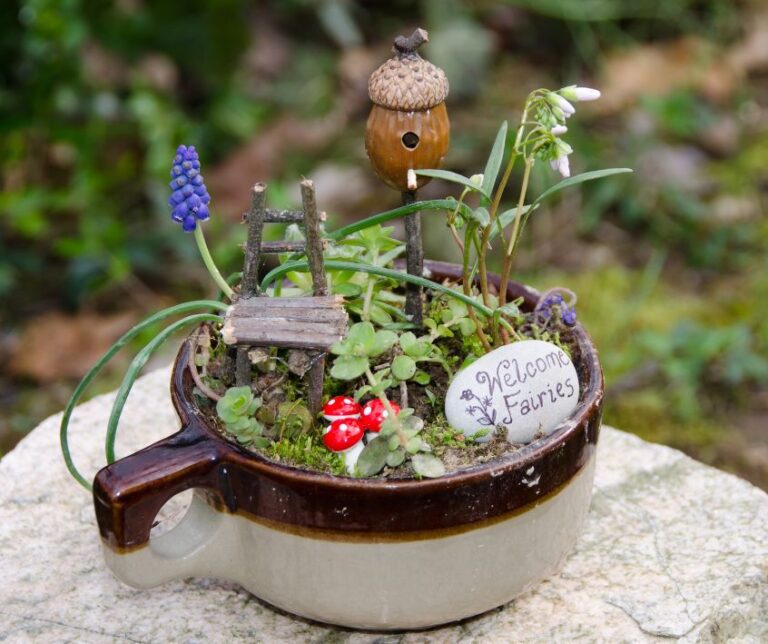
Almost anything can become a home for fairies. However, sustainability is key. Instead of buying new plastic pots, look around for items you can repurpose.
An old galvanized washtub, a cracked terracotta pot (the broken side creates a beautiful tiered effect), a wooden crate, or even a vintage teacup can work wonders.
Ensure your container has drainage holes; if water pools at the bottom, your magical forest will quickly become a swamp.
Fairy Garden Accessories Miniature Table and Chairs Set
Sketch a Layout
You don’t need an architectural blueprint, but a rough sketch helps. Decide where the “house” or focal point will go.
Usually, placing the largest elements slightly off-center creates a more natural, organic look.
Choosing the Right Plants
Scale is the most critical factor when selecting plants for a fairy garden. You want species that look like miniature trees or shrubs to maintain the illusion.
For an eco-friendly approach, try incorporating slow-growing varieties that won’t outgrow the pot within a month.
Where to find seeds, plants, and supplies:
For Shady “Forest” Spots:
- Baby’s Tears (Soleirolia soleirolii): This plant forms a dense, bright green mat that looks exactly like a miniature lawn. It loves moisture and shade.
- Miniature Ferns: Varieties like the Button Fern (Pellaea rotundifolia) offer wonderful texture and that prehistoric forest vibe.
- Polka Dot Plant (Hypoestes phyllostachya): These add a splash of pink or white color to the greenery, mimicking exotic forest undergrowth.
- Moss: Scotch moss or Irish moss (actually sagina subulata) are excellent for covering soil and retaining moisture.
For Sunny Spots:
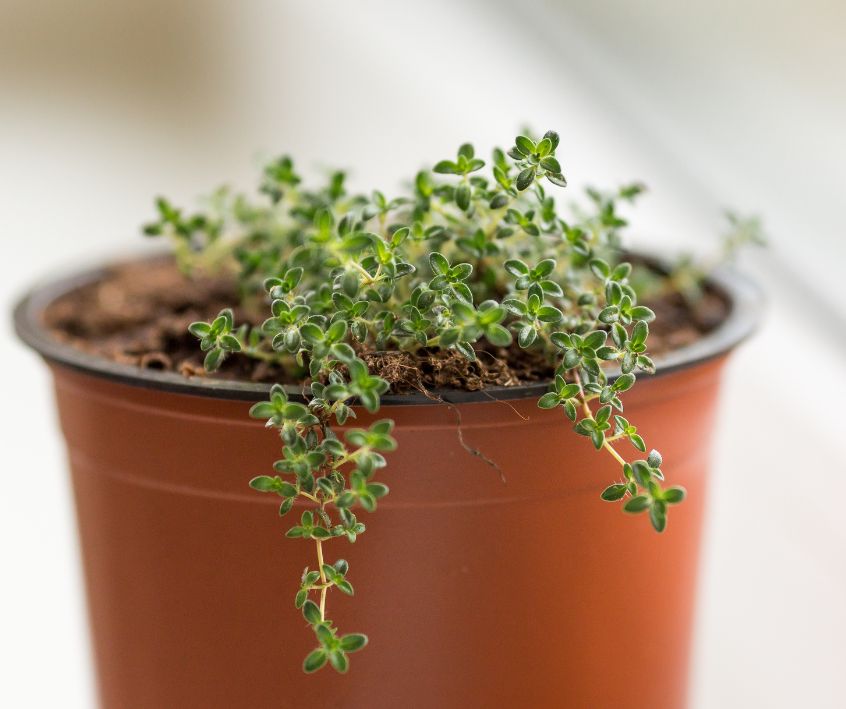
- Creeping Thyme (Thymus serpyllum): A fantastic choice for pollinators. It smells incredible when brushed against, blooms with tiny flowers, and stays low to the ground.
- Miniature Conifers: Dwarf varieties of juniper or spruce can act as the “ancient trees” of your forest.
- Sedum: Tiny stonecrops can look like alien flora or bushes and are incredibly drought-tolerant.
Selecting Fairy Garden Accessories
This is where your personality shines through. While craft stores are full of resin accessories, using natural and sustainable materials creates a more authentic “enchanted” feel and is better for the environment.
The Dwelling: You can buy a miniature house, or you can build one using bark, stones, and pinecones. A simple door nestled against the base of a “tree” (your dwarf conifer) suggests a subterranean home.
Top Collection Miniature Garden Oak Alley Hidden Home
Pathways: Create winding paths using fine gravel, sand, or dried beans. Broken pieces of ceramic tile or sea glass can create a magical “yellow brick road” effect.
Furniture: A thimble can become a planter; a bent twig can become a bench; an acorn cap can serve as a birdbath or a fairy bowl.
Water Features: A small mirror or a blue-glazed saucer sunk into the soil mimics a pond perfectly without the mess of real water.
Constructing Your Fairy Garden: Step-by-Step
Ready to get your hands dirty? Follow these steps to build your foundation.
- Prepare the Base: Cover the drainage hole with a piece of mesh or a pottery shard to keep the soil in while letting water out. Fill your container with a high-quality organic potting mix. If you are planting succulents, mix in some sand or perlite for better drainage. Back to the Roots 100% Organic Indoor Potting Mix
- Hardscape First: Before planting, place your largest non-living elements. Position your fairy house and lay out the main pathway. Press them firmly into the soil so they look settled, not just floating on top.
- Planting: Start with the largest plant (your “tree”) and work your way down to the ground cover. Gently loosen the root balls before placing them in the soil.
- Top Dressing: Cover any exposed soil with small pebbles, bark chips, or preserved moss. This finishes the look and helps retain soil moisture, reducing the need for frequent watering.
- Water In: Gently water the garden using a watering can with a rose attachment or a spray bottle to settle the soil around the roots without washing away your design.
Adding Magical Touches

Once the structure is in place, it’s time to add the sparkle.
Lighting: Solar-powered fairy lights are an eco-friendly way to illuminate your garden at night. Weave a thin string of copper-wire LEDs through the plants for a firefly effect.
Joomer Solar Fairy Lights, 2-Pack
Whimsy: Add a tiny signpost made from a popsicle stick, or hang a miniature swing from a taller plant.
Personalize: If you are gardening with family, have everyone contribute one small stone they’ve painted. It makes the space feel shared and special.
Maintenance Tips for Longevity
A fairy garden is a living ecosystem. To keep it enchanting, you need to practice a little maintenance.
Pruning is Essential
Plants will grow, and without trimming, your “tree” will soon block the view of the fairy house. Snip back overgrowth regularly to maintain the miniature scale. Think of it as bonsai for beginners.
Watering
Small containers dry out faster than large garden beds. Check the soil moisture daily by sticking your finger an inch into the dirt. If it’s dry, give it a drink. Misting is often better than heavy pouring for delicate mosses.
Feeding
Since the volume of soil is small, nutrients deplete quickly. Feed your garden with a diluted organic liquid fertilizer once a month during the growing season.
Pest Control
Keep an eye out for aphids or spider mites. Since you are likely close to your living space, avoid harsh chemicals. A simple spray of neem oil or a mixture of water and mild dish soap usually does the trick.
10 Common Garden Pests and How to Get Rid of Them Naturally
Cultivate Wonder in Your Backyard
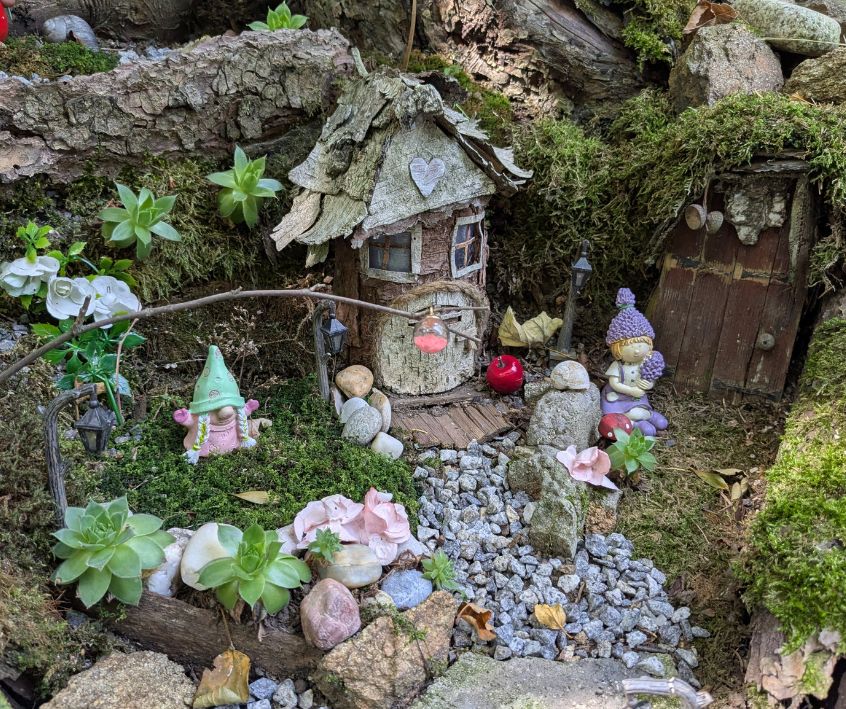
Creating an enchanted fairy garden is more than just arranging small objects in dirt. It is an act of mindfulness and a celebration of nature’s intricate details.
It proves that you don’t need acres of land to experience the joy of a harvest. Even if that harvest is just a moment of peace and a beautiful view.
So, gather your pots, find some moss, and let your imagination take root. You might be surprised at how much magic you can grow in just a few square inches.
Visit the Garden Resources page for supplies and inspiration. Don’t forget to subscribe to the Calendula’s Garden Newsletter for more gardening tips.
Calendula’s Garden is reader supported. When you buy through links on our site, we may earn an affiliate commission. As an Amazon Associate, I earn from qualifying purchases. For more information, view our Disclaimer page. Thank you!