Effective Strategies to Combat Powdery Mildew
Calendula's Garden is reader suported This post may contain affiliate links, more on our Disclaimer page. Thank you!
Dealing with powdery mildew in your garden or on your houseplants can be a daunting task. However, understanding the nature of this common plant disease and learning effective control measures can help you preserve the health and beauty of your plants.
In this guide, we’ll explore what powdery mildew is, how to identify and prevent it, and provide actionable strategies for treating affected plants.
By the end, you’ll be well-equipped to tackle this issue and ensure your plants thrive.
Understanding Powdery Mildew
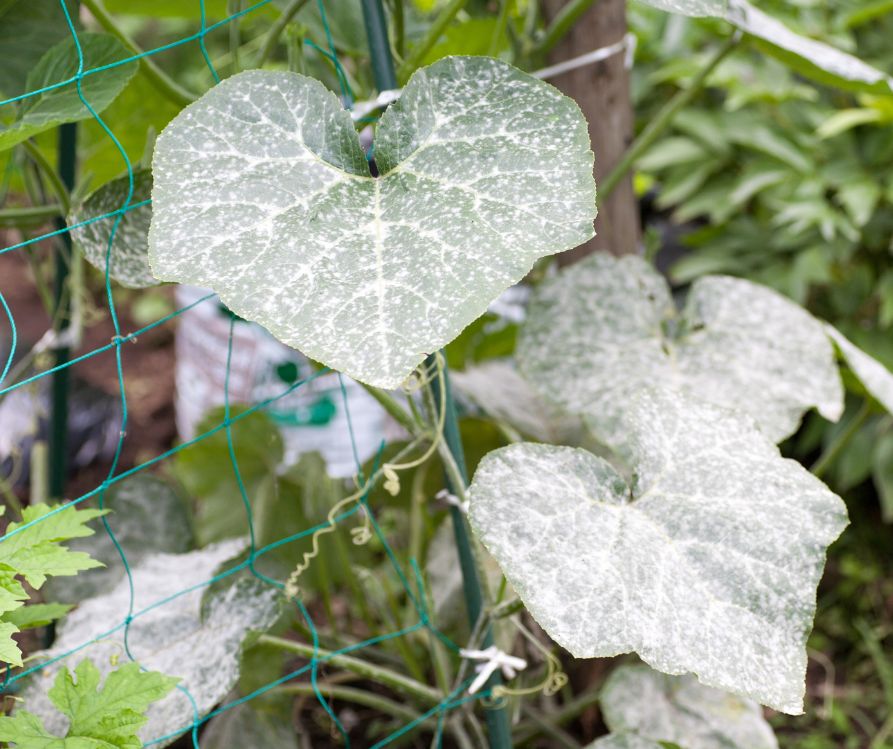
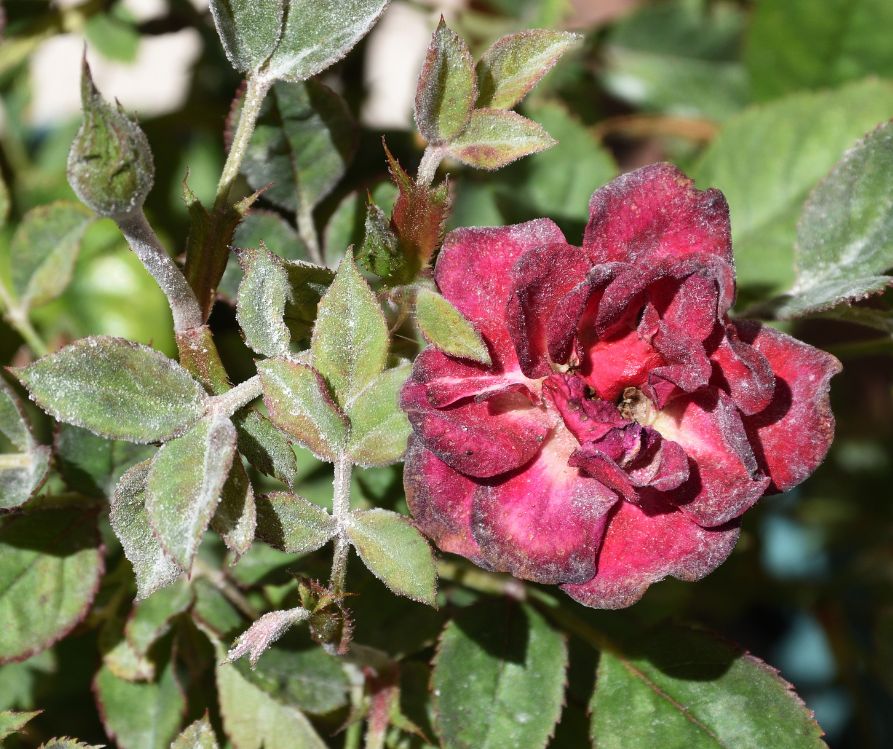
Powdery mildew is a fungal disease that appears as white or gray powdery spots on the leaves and stems of plants.
It thrives in warm, humid conditions, making it particularly common in late summer and early fall. While it affects a wide range of plants, from flowers to vegetables, some species are more susceptible than others.
The impact of powdery mildew can be significant. It inhibits photosynthesis by covering the leaf surface, leading to reduced plant vigor, distorted growth, and in severe cases, plant death. Understanding the basics of this disease is the first step in managing it effectively.
Identification
Recognizing powdery mildew early can make a big difference in controlling its spread. Common signs include:
- White, powdery spots on leaves, stems, and sometimes fruits.
- Yellowing or browning of leaves.
- Distorted or stunted growth.
- Premature leaf drop.
It’s important to regularly inspect your plants, especially during warm, dry periods, to catch any signs of powdery mildew early.
Prevention
Creating unfavorable conditions for powdery mildew is crucial in preventing its occurrence. Here are some effective strategies:
Proper Plant Spacing and Ventilation:
- Space plants appropriately to ensure good air circulation. Crowded plants create a humid environment that mildew loves.
- Trim overgrown foliage to improve airflow.
Watering Practices:
- Water at the base of the plant rather than from above to keep leaves dry.
- Water early in the day to allow foliage to dry before evening.
Select Resistant Varieties:
Choose plant varieties known for their resistance to powdery mildew.
Regular Cleaning:
Remove and dispose of affected leaves and debris around plants to prevent the spread of spores.
Treatment for Garden Plants

If powdery mildew is already present, several treatment options can help manage it:
Organic Treatments:
Neem Oil: This natural pesticide disrupts the growth of fungi. Mix one tablespoon of neem oil with one gallon of water and spray on affected areas weekly until resolved.
Baking Soda Solution: Mix one tablespoon of baking soda with one teaspoon of liquid soap in a gallon of water and spray weekly.
Chemical Treatments:
Use fungicides specifically labeled for powdery mildew. Follow the manufacturer’s instructions for application.
Grower’s Ally Fungicide Spray for Plants Ready-to-Use
When applying treatments, ensure thorough coverage on the upper and lower surfaces of leaves. Avoid using chemical treatments during the hottest part of the day to prevent leaf burn.
Treatment for Houseplants
Houseplants require gentler handling due to their typically more delicate nature:
Milk Solution
Mix one part milk with two parts water and spray on affected areas. The proteins in milk can help reduce mildew.
Hydrogen Peroxide
Use a mixture of one tablespoon of hydrogen peroxide per cup of water. Spray directly onto mildew spots.
Always test treatments on a small area first to ensure they do not damage your plants.
Maintenance and Future Prevention
After treating powdery mildew, continue with preventive care to avoid reoccurrence:
- Prune Regularly: Maintain good airflow by regularly pruning overcrowded branches.
- Healthy Soil Practices: Ensure your plants have proper nutrients to strengthen their resistance to diseases.
- Regular Inspections: Check plants weekly for any signs of mildew returning.
Final Tips
Dealing with powdery mildew doesn’t have to be a losing battle. By understanding the disease, recognizing its symptoms early, and implementing preventive and treatment strategies, you can manage and even prevent this common issue.
Keep your plants healthy with regular inspections and maintenance, and remember that a little attention goes a long way in keeping your garden and houseplants thriving.
Ready to take action? Start implementing these strategies today and watch your plants flourish. If you’re looking for more personalized advice, consider reaching out to local gardening experts or community forums for tailored tips and support.
Visit the Garden Resources page for supplies and inspiration. Don’t forget to subscribe to the Calendula’s Garden Newsletter for more gardening tips.
Calendula’s Garden is reader supported. When you buy through links on our site, we may earn an affiliate commission. As an Amazon Associate, I earn from qualifying purchases. For more information, view our Disclaimer page. Thank you!