Easy to Grow Fruits for Canning, Jams, and Jellies
Calendula's Garden is reader suported This post may contain affiliate links, more on our Disclaimer page. Thank you!
Growing your own fruits and turning them into delicious jams and jellies is a gratifying way to connect with nature and preserve the taste of summer all year long. Whether you’re a seasoned gardener or someone just starting to experiment with home canning, growing fruits for this purpose can be surprisingly simple.
This guide will introduce you to some of our favorite fruits to grow for canning and provide helpful tips to get you started.
By the end of this list, you’ll know which fruits are perfect for beginner gardeners and home canners, along with insider advice to make your canning process smoother than ever.
What Makes a Fruit “Easy to Grow” for Canning?
Before we jump into the list, here are the key factors that determine whether a fruit is ideal for beginner growers and preserves well:
- Low Maintenance: The plant thrives with minimal care and is resistant to common pests and diseases.
- High Yield: Produces an abundance of fruit, ensuring plenty for both eating fresh and preserving.
- Versatile Use: Adapts well to a variety of canning recipes like jams, jellies, or sauces.
- Shelf-Life & Flavor: Fruits that maintain their taste and quality when canned or preserved.
If a fruit checks these boxes, it’s not only easy to grow but also perfect for your jam-making adventures.
Where to find seeds, plants, and supplies:
Canning Supplies To Get You Started
Ball Complete Book of Home Preserving
Ball Mason 4oz Quilted Jelly Jars with Lids and Bands, Set of 12
Norpro Canning Essentials Boxed Set, 6 Piece Set
1. Peaches – The Classic Summer Staple
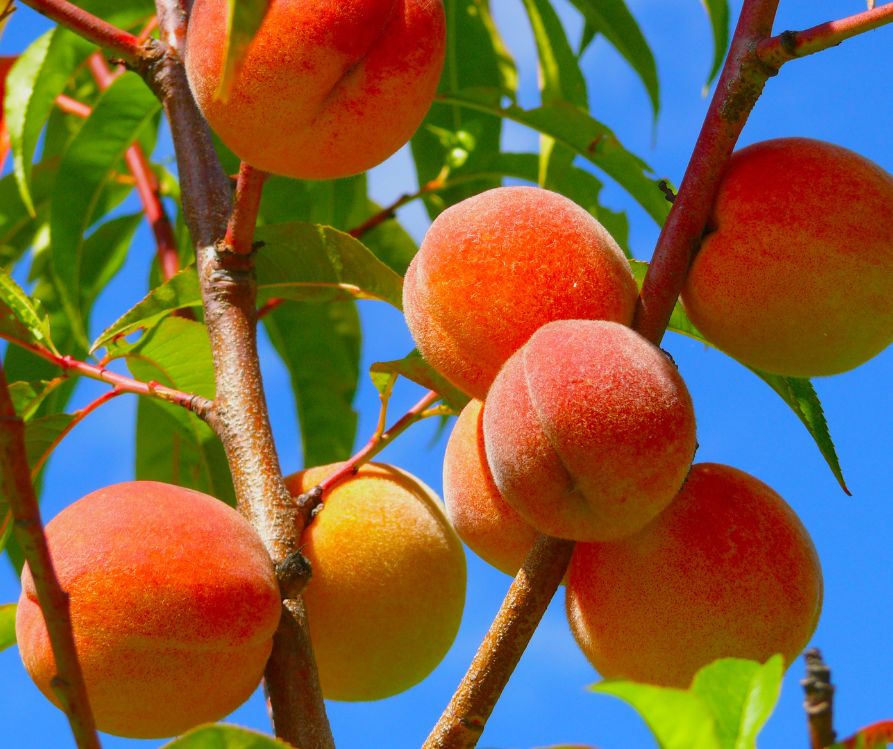
Peaches are beloved for their juicy sweetness and unbeatable aroma, making them a golden choice for canning.
- Why They’re Easy to Grow: Peaches grow on hardy trees that do well in moderate climates. Dwarf peach varieties are an excellent option for smaller spaces, such as patios or compact gardens.
- How to Grow Them: Plant in a sunny location with well-draining soil. Prune yearly to encourage fruit production, and watch out for common pests like borers.
- Best for Canning: Peaches work beautifully in light syrups for canned desserts or in spiced peach preserves. Their natural sweetness shines in jams, and they pair exceptionally well with vanilla or cinnamon.
2. Strawberries – A Perfect All-Rounder
Strawberries are one of the most versatile and beloved fruits for jams and jellies, and best of all, they grow nearly anywhere!
- Why They’re Easy to Grow: Strawberries are perennial plants, meaning they come back each year. They grow quickly and require minimal effort beyond consistent watering and occasional weeding.
- How to Grow Them: Choose a sunny garden bed or hanging pots with rich, well-draining soil. Look for disease-resistant varieties for an even easier experience.
- Best for Canning: Nothing beats the flavor of homemade strawberry jam. Use your harvest for bright preserves, freezer jams, or mix them with other fruits like rhubarb or blueberries for unique combinations.
3. Blueberries – Low Maintenance and Profitable
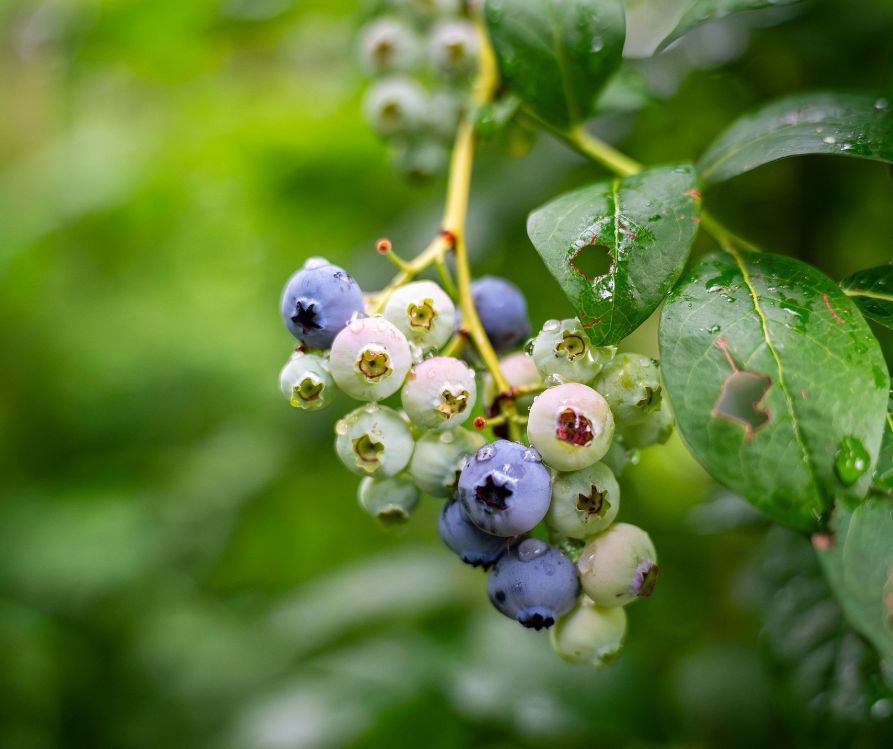
Blueberries come loaded with antioxidants and require surprisingly little care, making them a favorite among canners and gardeners alike.
- Why They’re Easy to Grow: Blueberry bushes are hardy and can thrive for decades if planted in acidic soil. They’re drought-tolerant and pest-resistant, meaning less work for you.
- How to Grow Them: Plant in full sun or partial shade. Add organic mulch to retain moisture, and fertilize during the growing season to encourage bigger yields.
- Best for Canning: Blueberries transform into thick, syrupy preserves perfect for pancakes or yogurt. They’re also fantastic for pie fillings or infused jams with a hint of lemon zest.
4. Apples – A Timeless Wonder
Apples offer unparalleled variety, with endless uses from spreads to sauces. Their universal appeal and durable nature make them a top choice.
- Why They’re Easy to Grow: Apple trees adapt well to most climates and can bear fruit within just a few years. Many varieties are pest-resistant and suited for organic growing.
- How to Grow Them: Choose the right apple variety for your region—some prefer colder climates, while others thrive in milder ones. Space trees well and prune regularly for the best harvest.
- Best for Canning: Apples are legendary for homemade applesauce, simmered slices in cinnamon syrup, or aromatic apple butter. They’re also a great base for fruit jellies when combined with berries.
5. Raspberries – A Sweet and Tangy Delight
Raspberries produce abundant harvests in small spaces and deliver a bold, tangy flavor that’s perfect for preserves.
- Why They’re Easy to Grow: Raspberry canes grow quickly, spreading naturally and rewarding you with large yields year after year. They’re excellent for small gardens, thriving even in containers.
- How to Grow Them: Plant in well-draining soil and full sunlight. Support canes with stakes or trellises, and prune after the fruiting season to promote new growth.
- Best for Canning: Raspberries are known for their rich flavor, making them ideal for jams, seedless jellies, or tart coulis. They also pair wonderfully with peaches or blackberries in mixed-fruit preserves.
6. Blackberries – A Hardy and Flavorful Choice
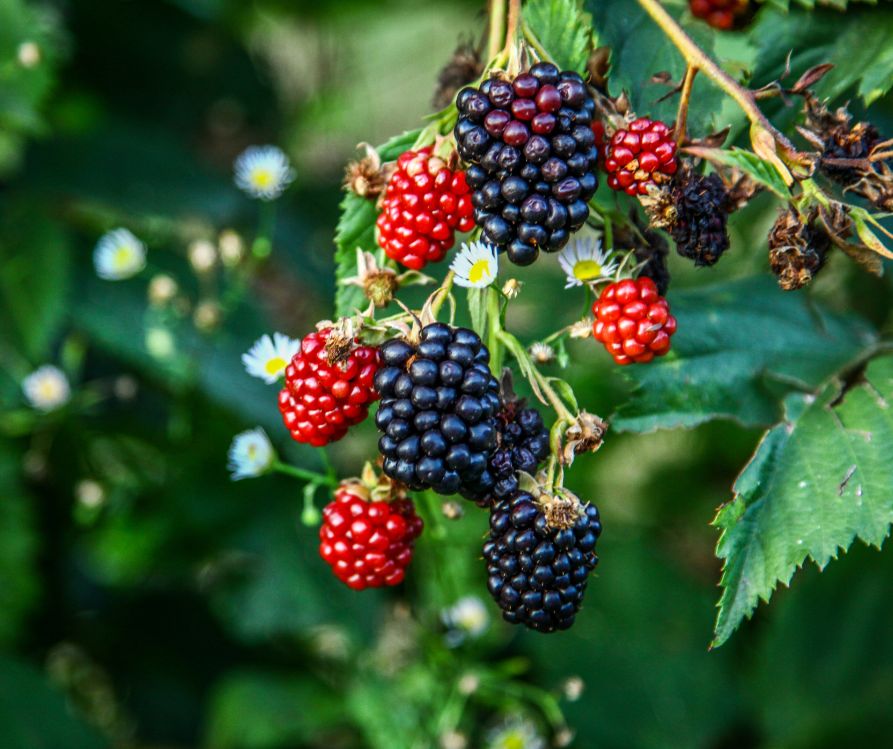
Blackberries are resilient fruits that grow abundantly, even in challenging conditions, and they’re perfect for canning and making jellies.
- Why They’re Easy to Grow: Blackberry bushes are hardy and adapt well to various climates. Many thornless varieties are available for easier handling.
- How to Grow Them: Plant them in full sunlight with well-draining soil, and provide trellising for support. Prune in late winter or early spring to encourage healthy growth.
- Best for Canning: Blackberries shine in jams, jellies, and syrups. Their rich, tart flavor pairs beautifully with citrus or vanilla, creating complex and delicious preserves.
7. Cherries – A Sweet and Tangy Treat
Cherries are a rewarding fruit to grow, offering versatility for jams, preserves, and even pie fillings.
- Why They’re Easy to Grow: Tart cherry varieties are particularly hardy and have fewer pest problems compared to sweet cherries. They thrive in sunny spots and require minimal care once established.
- How to Grow Them: Plant in well-draining soil in full sun. Prune to maintain size and shape, and protect from birds using netting during the fruiting season.
- Best for Canning: Sour cherries are ideal for jam and pie fillings, while sweet cherries are excellent for flavorful syrups and compotes.
8. Figs – A Unique, Low-Maintenance Option
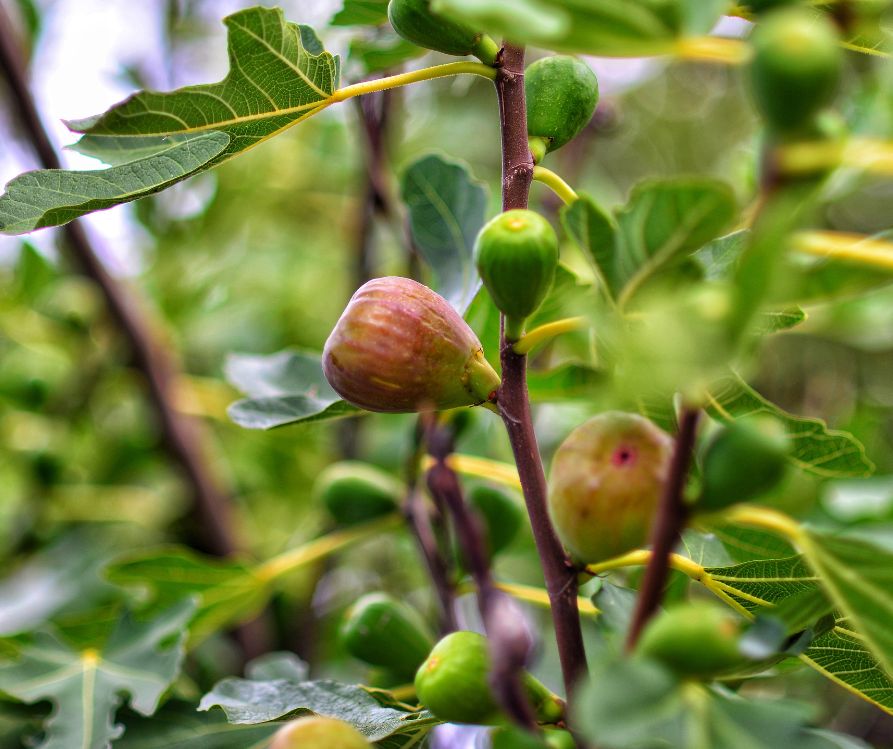
Figs are an exotic delight that also happens to be easy to grow and highly suitable for canning and preserves.
- Why They’re Easy to Grow: Figs thrive in warm climates but can also adapt to cooler environments when grown in containers and overwintered indoors. Their drought tolerance and low pest susceptibility make them hassle-free.
- How to Grow Them: Plant in sunny locations with well-draining soil. Container-grown figs are excellent for small spaces or colder areas.
- Best for Canning: Figs are perfect for making thick, decadent jams, spiced preserves, or even fig syrups to drizzle over desserts.
9. Plums – Juicy and Full of Flavor
Plums are versatile fruits that lend themselves well to a variety of canned goods like jams, sauces, and chutneys.
- Why They’re Easy to Grow: Plum trees come in many hardy varieties that can tolerate different climate conditions. They’re relatively pest-resistant and don’t require extensive care.
- How to Grow Them: Plant in well-draining soil with lots of sunlight. Prune regularly to encourage airflow and prevent disease.
- Best for Canning: Plums are excellent for making savory-sweet chutneys, silky jams, and preserves with spices like cinnamon or cloves for added depth.
10. Rhubarb – A Tart, Reliable Favorite
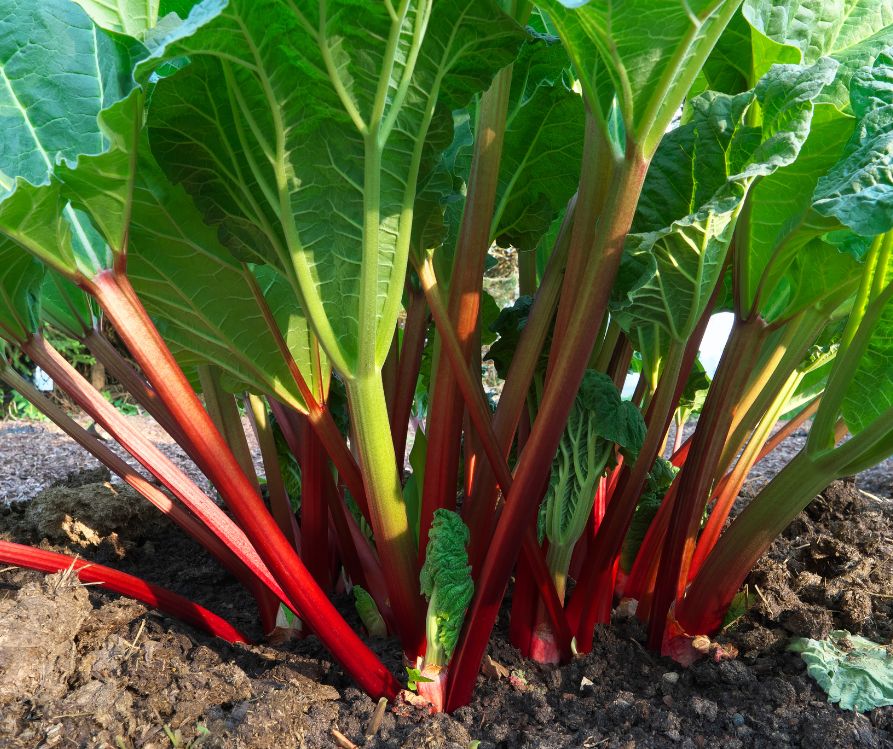
Technically a vegetable but often treated as a fruit, rhubarb is an essential ingredient for unique jams and compotes.
- Why They’re Easy to Grow: Rhubarb is a perennial plant that thrives in cooler climates. It requires little maintenance beyond occasional watering and thrives year after year.
- How to Grow Them: Plant in rich, well-drained soil and sunny locations. Avoid overharvesting in the first year to allow the plant to establish itself.
- Best for Canning: Rhubarb’s tangy flavor is perfect for pairing with strawberries or other sweet fruits in jams and preserves, creating a delightful balance of sweet and tart.
Bonus Tips for Canning Success
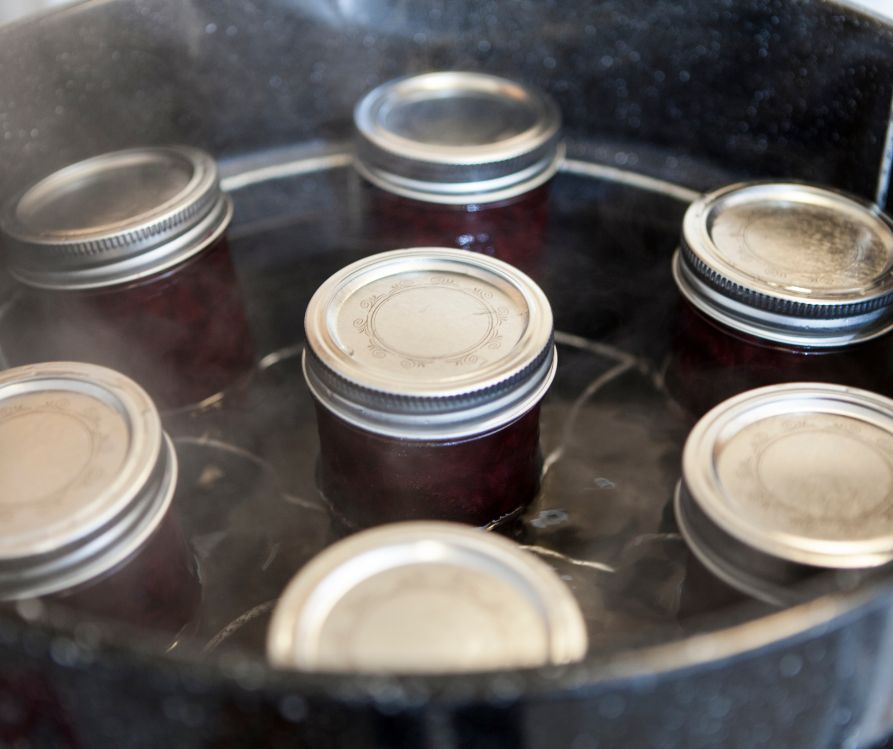
Now that you know which fruits to grow, here are some bonus tips to maximize your canning efforts:
- Start with Fresh Fruit: Use freshly picked fruit for the best flavor and quality in your preserves.
- Experiment with Combinations: Mix fruits like blueberries and apples or raspberries and peaches to create unique flavors.
- Use Proper Canning Tools: Invest in mason jars, a canning rack, and a large stockpot for water bath canning.
- Label Your Jars: Always date your jars and include the type of preserve, so you can track your inventory and rotate jars as needed.
- Store Properly: Keep your canned fruits in a cool, dry place for maximum shelf life, which can range from 1-2 years.
Canning Supplies
Ball Complete Book of Home Preserving
Ball Mason 4oz Quilted Jelly Jars with Lids and Bands, Set of 12
Norpro Canning Essentials Boxed Set, 6 Piece Set
Reflecting on the Joy of Homegrown Fruits
Creating jams, jellies, and canned fruits is more than a skill. It’s an art that connects you to the seasons, your garden, and a simpler way of life. With the five fruits above, you’ll have a reliable, abundant harvest to fill your pantry and share with loved ones.
Are you ready to start your homegrown preserving adventure? Begin planting a few of these easy-to-grow fruits today and turn your backyard into a delicious retreat. And if you’re looking for more tips on gardening or canning, subscribe to our newsletter for exclusive guides and recipes!
Visit the Garden Resources page for supplies and inspiration. Don’t forget to subscribe to the Calendula’s Garden Newsletter for more gardening tips.
Calendula’s Garden is reader supported. When you buy through links on our site, we may earn an affiliate commission. As an Amazon Associate, I earn from qualifying purchases. For more information, view our Disclaimer page. Thank you!