Easy and Healthy Warm Salad Recipe Ideas for Winter
Calendula's Garden is reader suported This post may contain affiliate links, more on our Disclaimer page. Thank you!
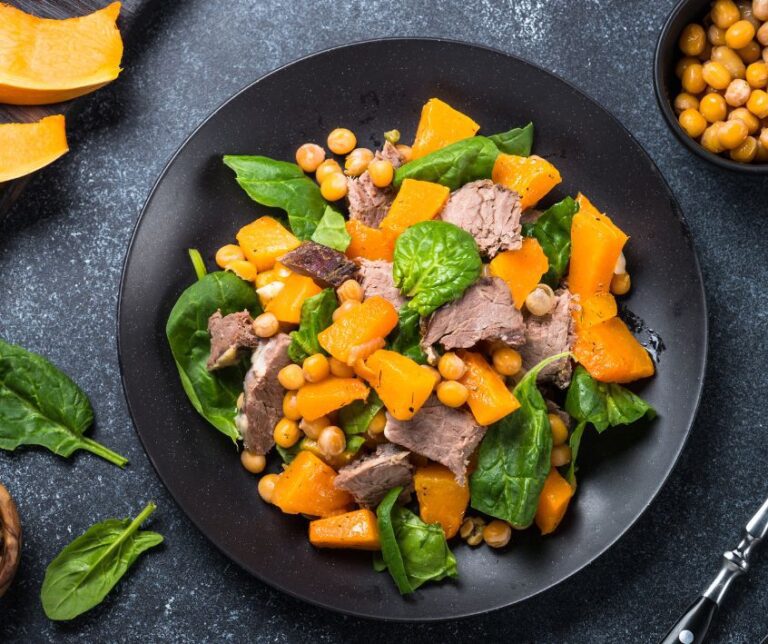
When the temperatures drop, and frost settles on the garden beds, a cold, crisp lettuce salad often feels a bit… uninspiring. Our bodies naturally crave something heartier and more comforting during the winter months.
But that doesn’t mean you have to abandon your healthy eating goals or your love for garden-fresh produce. Enter the warm salad: the perfect culinary bridge between nutritious greens and cozy comfort food.
Warm salads are a fantastic way to utilize what’s currently growing in your winter garden, dig into those pantry preserves you worked so hard on in the fall, and showcase fresh sprouts from your indoor setup.
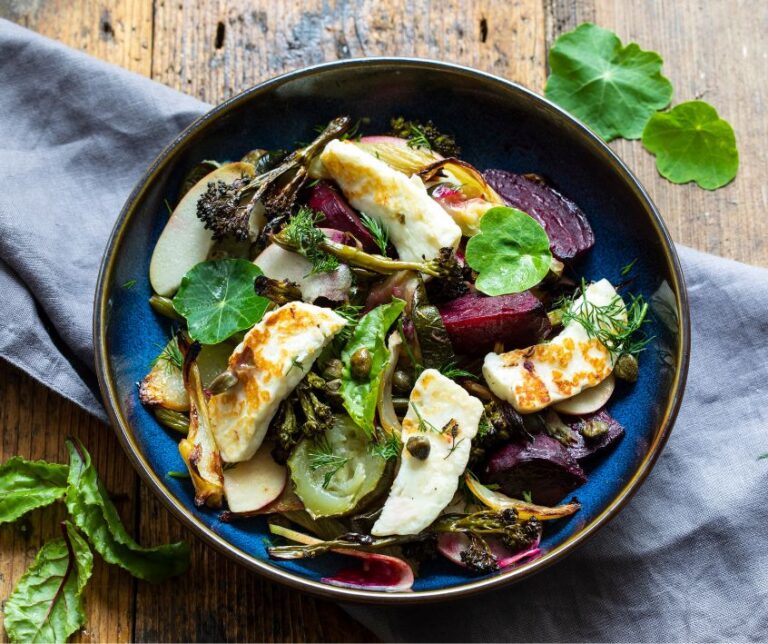
By gently wilting hearty greens and tossing them with roasted root vegetables and warm dressings, you transform simple ingredients into a meal that feels like a warm hug.
Why Warm Salads are Perfect for Winter
Winter cooking is often synonymous with heavy stews and rich casseroles, but warm salads offer a refreshing alternative that is just as satisfying. They allow you to maintain a high intake of vitamins and fiber when your body needs them most to fight off seasonal bugs.
Nutritional Powerhouses
The ingredients available in winter, think deep green kale, vibrant carrots, and earthy beets, are nutritional powerhouses. Winter greens are often packed with vitamins A, C, and K, while root vegetables provide essential minerals and slow-burning carbohydrates to keep your energy steady.
When you cook these vegetables slightly (roasting or sautéing), you often make certain nutrients more bioavailable, easier for your body to absorb, compared to eating them raw.
Comfort Meets Versatility
The beauty of a warm salad is its adaptability. It’s a canvas for whatever you have on hand. Did you preserve jars of pickled beets or dry some cranberries? This is their time to shine.
Do you have a tray of spicy radish microgreens growing on your windowsill? They make the perfect fresh garnish.
Whether you are vegan, gluten-free, or just looking to add more veggies to your plate, warm salads can be customized to fit every dietary need without sacrificing flavor.
Key Ingredients for Winter Warm Salads
To build the perfect winter bowl, you want a mix of textures and temperatures. Here are the three main categories of ingredients we’ll be using in our recipes:
Winter Garden Vegetables
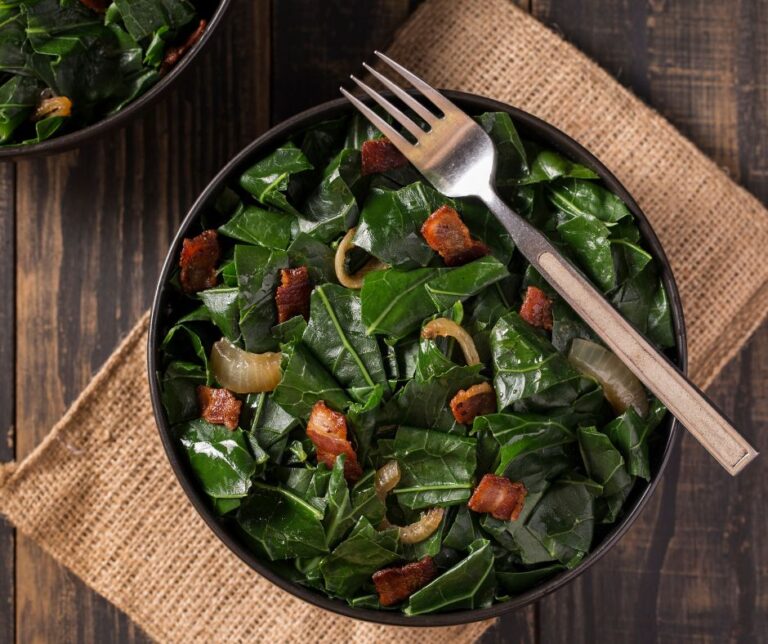
These are the hardy heroes that survive, and often taste sweeter after a frost. Kale, Brussels sprouts, carrots, parsnips, and winter squash are excellent bases because they hold up well to heat without turning into mush.
Preserved Pantry Staples
Winter is the season to enjoy the fruits of your labor. Pickled vegetables (like beets or onions) add a necessary zing of acidity to cut through rich roasted flavors. Dried fruits like cranberries, cherries, or apricots add sweetness and chewiness.
Indoor Freshness
Just because there is snow on the ground doesn’t mean you can’t have fresh greens. Indoor gardening offers a lifeline of freshness. Sprouts (like alfalfa or lentil) and microgreens (like arugula or sunflower) add a crunch and a punch of concentrated nutrition that elevates a cooked dish instantly.
Kitmiido Seed Sprouting Kit, 2 Large Wide Mouth Mason Jars with Sprout Lids
Recipe 1: Roasted Brussels Sprouts and Kale Salad
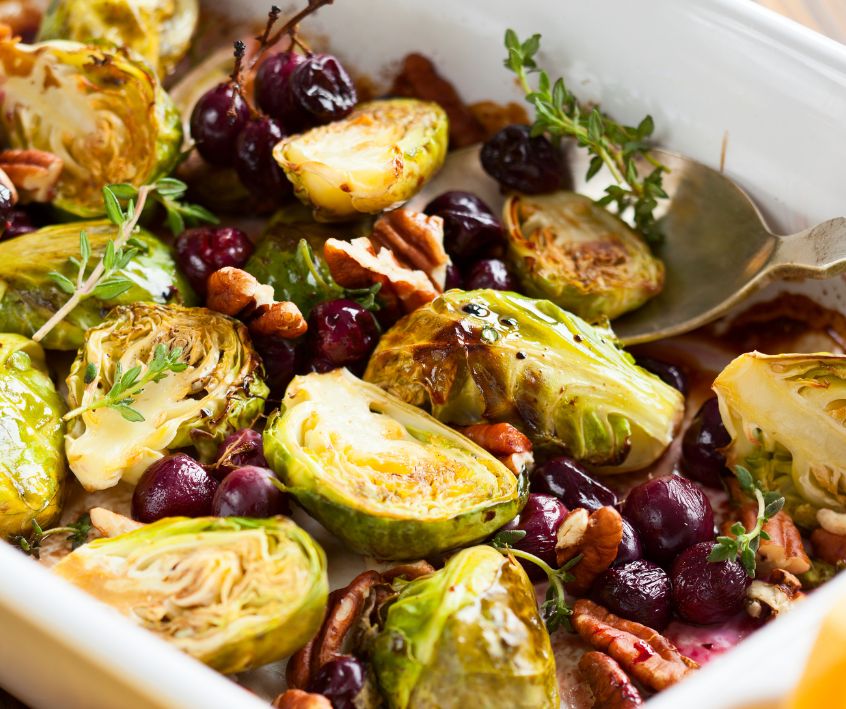
This salad features the kings of the winter garden: kale and Brussels sprouts. Roasting the sprouts brings out their nutty sweetness, which pairs beautifully with the slightly bitter, massaged kale.
Ingredients
- 1 lb Brussels sprouts, trimmed and halved
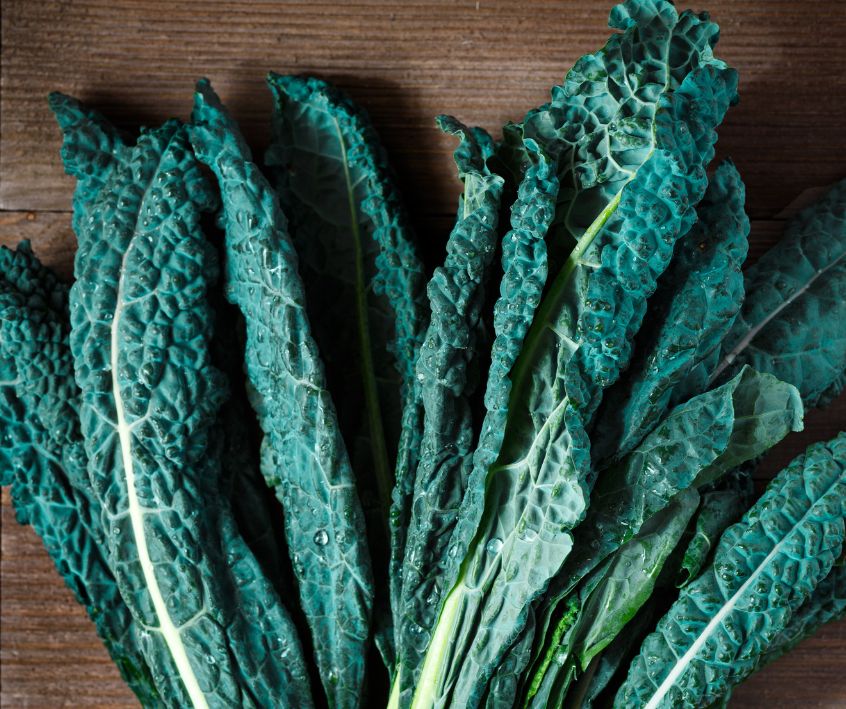
- 1 bunch of curly kale or lacinato kale (dinosaur kale), stems removed and leaves chopped
- 2 tbsp olive oil, divided
- ½ cup walnuts or pecans, roughly chopped
- ¼ cup dried cranberries (preserved from autumn or store-bought)
- 2 tbsp balsamic vinegar
- 1 tsp honey or maple syrup
- Salt and pepper to taste
- Handful of fresh sunflower microgreens (optional garnish)
Directions
- Roast the Sprouts: Preheat your oven to 400°F (200°C). Toss the halved Brussels sprouts with 1 tablespoon of olive oil, salt, and pepper. Spread them on a baking sheet and roast for 20–25 minutes, or until they are tender and caramelized on the edges.
- Massage the Kale: While the sprouts are roasting, place your chopped kale in a large bowl. Drizzle with a teaspoon of olive oil and a pinch of salt. Using your hands, massage the kale for about 2–3 minutes. This breaks down the tough fibers, making it tender and easier to digest.
- Toast the Nuts: In a small dry skillet over medium heat, toast the walnuts for 3–4 minutes until fragrant. Watch them closely so they don’t burn!
- Make the Dressing: Whisk together the balsamic vinegar, honey (or maple syrup), and the remaining olive oil.
- Assemble: As soon as the Brussels sprouts come out of the oven, toss them directly into the bowl with the kale (the heat will slightly wilt the kale further). Add the cranberries and toasted walnuts. Drizzle with the dressing and toss to combine.
- Serve: Top with a handful of fresh sunflower microgreens for a nutty crunch and serve immediately.
Recipe 2: Warm Carrot and Pickled Beet Salad
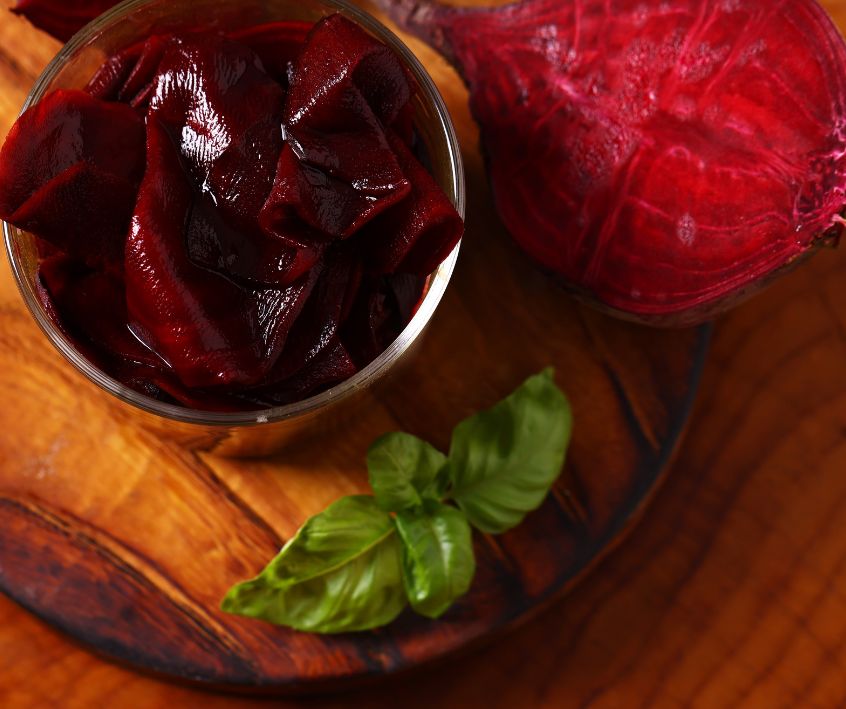
This recipe is a celebration of root vegetables. The sweetness of roasted carrots contrasts perfectly with the tangy bite of pickled beets. It’s a great way to use up those jars you canned last season!
Ingredients
- 1 lb carrots, scrubbed (peeled if the skin is tough) and cut into 2-inch batons
- 1 cup pickled beets, drained and chopped into chunks
- 4 cups mixed winter greens (spinach or chard works well)
- 2 tbsp olive oil
- ½ tsp ground cumin
- ½ cup cooked quinoa or farro (for extra protein)
- ¼ cup goat cheese or feta (optional)
- Handful of spicy radish sprouts
Directions
- Roast the Carrots: Preheat oven to 400°F (200°C). Toss the carrot batons with olive oil, cumin, salt, and pepper. Roast on a baking sheet for 20–25 minutes until tender and slightly browned.
- Prepare the Base: Place your mixed winter greens in a serving bowl. If you want them wilted, you can quickly sauté them in a pan for 1 minute, but usually, the heat from the roasted carrots is enough to soften them gently.
- Add Grains: Stir the warm cooked quinoa or farro into the greens.
- Combine: Top the greens and grains with the hot roasted carrots and the cold pickled beets.
- Garnish: Crumble cheese over the top if using. Finish with a generous handful of spicy radish sprouts—their peppery kick is the perfect counterpoint to the sweet carrots.
- Dress: Use a splash of the pickling liquid from the beet jar, whisked with a little olive oil for a zero-waste, instant dressing.
Sprouting Nature’s Superfood: A Guide to Growing Radish Microgreens
Recipe 3: Winter Sprout and Cranberry Salad
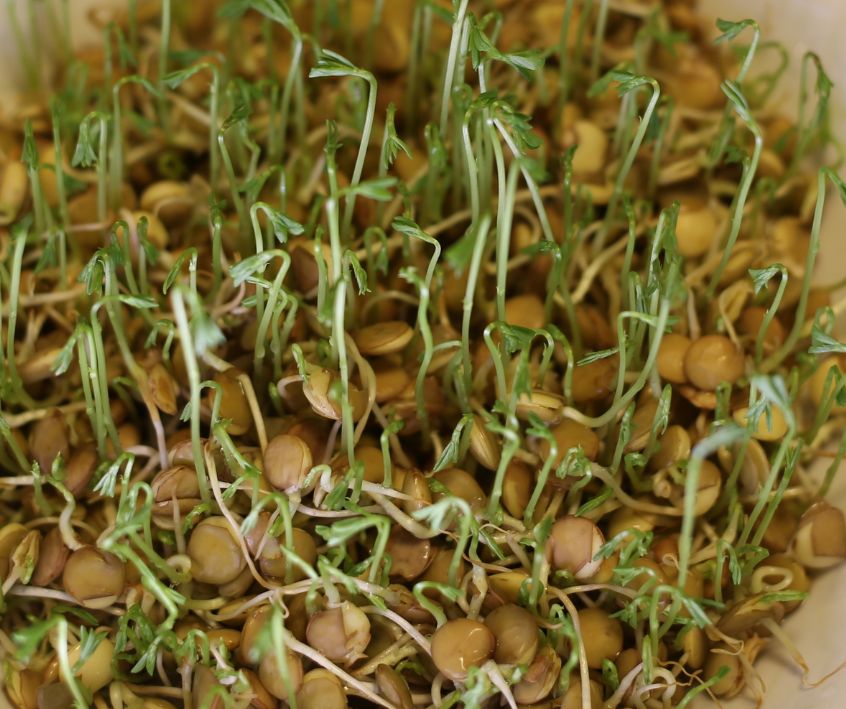
Don’t have a huge outdoor garden? No problem. This salad relies heavily on indoor gardening staples like bean sprouts and lentils, making it a high-protein option that comes together in minutes.
Ingredients
- 2 cups warm cooked lentils (brown or green hold their shape best)
- 1 cup fresh bean sprouts (mung bean or lentil sprouts grown indoors)
- 1 small red onion, thinly sliced
- ½ cup dried apricots or cranberries, chopped
- ¼ cup pumpkin seeds (pepitas)
- 2 tbsp apple cider vinegar
- 1 tbsp Dijon mustard
- 3 tbsp olive oil
- Salt and pepper
Directions
- Make the Dressing: In the bottom of your serving bowl, whisk together the apple cider vinegar, Dijon mustard, olive oil, salt, and pepper.
- Soften the Onions: Add the sliced red onions to the dressing and let them sit for 10 minutes. The acid in the vinegar will mellow the raw onion flavor and turn them a lovely shade of pink.
- Combine Warm Ingredients: Add the warm cooked lentils to the bowl. The heat helps them absorb the dressing flavors.
- Add Crunch: Toss in the dried fruit and pumpkin seeds.
- Fold in Sprouts: Just before serving, gently fold in your fresh indoor-grown bean sprouts. You want them to maintain their crunch, so don’t let them sit in the heat for too long.
- Serve: Serve warm as a hearty lunch or a light dinner.
Tips for Making the Best Warm Salads
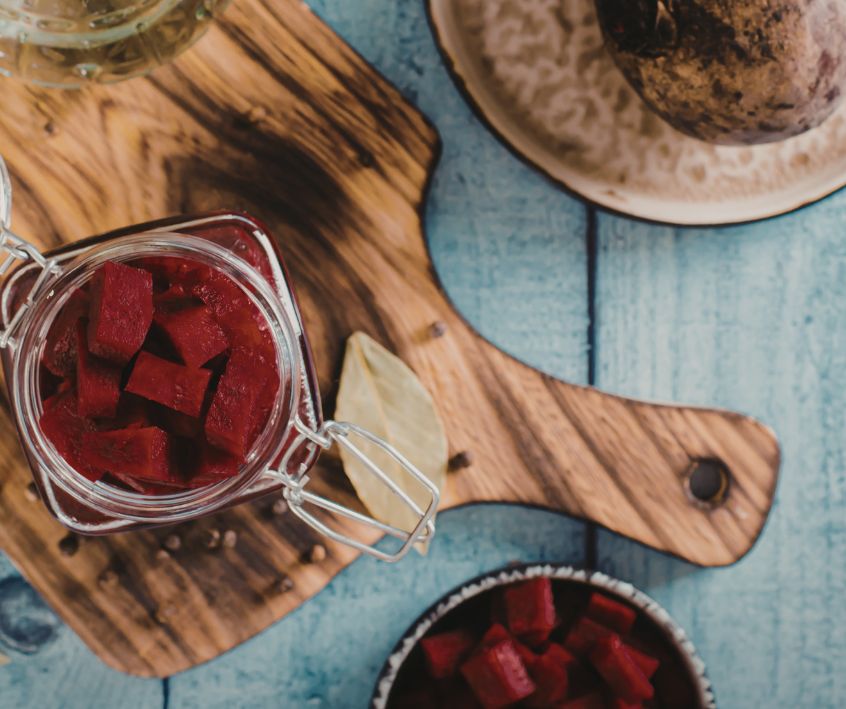
Creating a great warm salad is all about timing and balance. Here are a few tips to help you master the art:
- Prep in Advance: You can roast your root vegetables on Sunday and keep them in the fridge. When you’re ready for lunch during the week, simply reheat them in a pan or the microwave before tossing them with your greens.
- Balance Flavors: Winter vegetables tend to be sweet (carrots, squash) or bitter (kale, Brussels sprouts). Always try to include an acidic element—like lemon juice, vinegar, or pickled veggies—to brighten the dish.
- Texture Matters: Since roasted veggies are soft, always add a crunchy element. Nuts, seeds, raw sprouts, or even homemade croutons made from stale bread prevent the salad from feeling one-note.
- Customize It: These recipes are just guidelines. If you don’t have kale, use Swiss chard. If you hate beets, try roasted sweet potatoes. Gardening and cooking are about experimenting with what you have.
Keep Your Garden Growing
Warm salads are more than just a meal; they are a way to stay connected to your garden throughout the colder months. By combining the hardiness of outdoor winter crops with the vibrant freshness of indoor sprouts and the rich history of your pantry preserves, you create meals that support your health and the planet.
We’d love to see what you’re harvesting and cooking up this winter! Did you try the Brussels sprout roast? Or did you invent a new combination using your microgreens? Share your photos and recipes in our community forum or tag us on social media. Let’s inspire each other to keep growing and eating well, all year round.
Visit the Garden Resources page for supplies and inspiration. Don’t forget to subscribe to the Calendula’s Garden Newsletter for more gardening tips.
Calendula’s Garden is reader supported. When you buy through links on our site, we may earn an affiliate commission. As an Amazon Associate, I earn from qualifying purchases. For more information, view our Disclaimer page. Thank you!