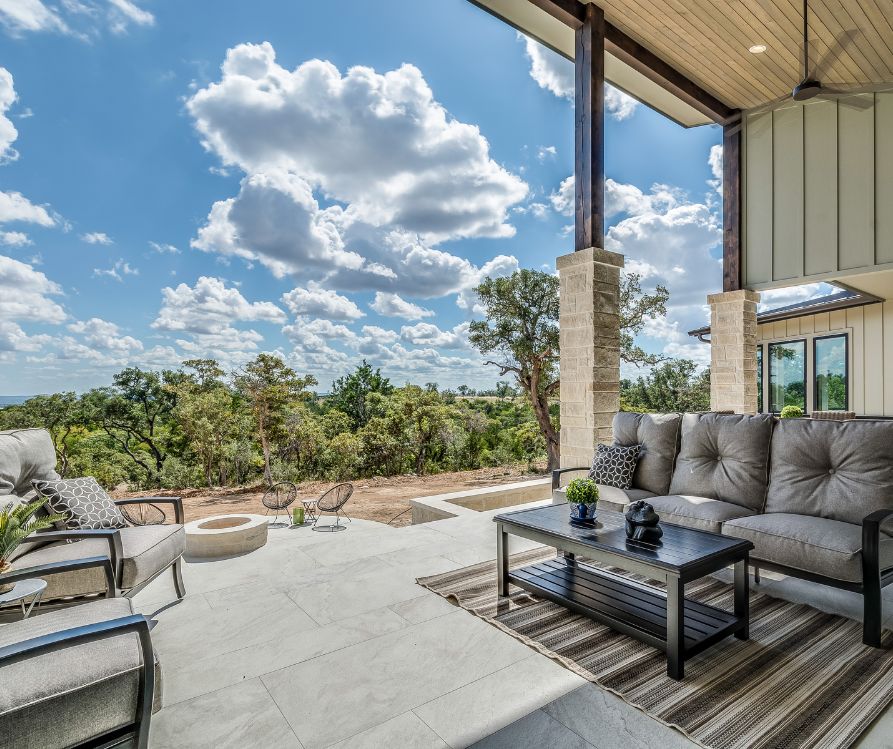
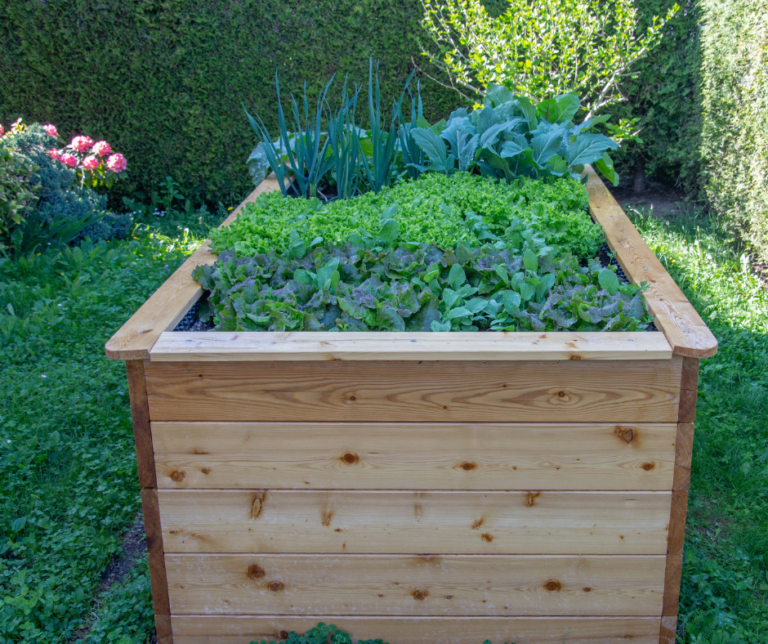
Dreaming of Endless Blooms? 8 Easy DIY Projects for Your Cottage Garden
Calendula's Garden is reader suported This post may contain affiliate links, more on our Disclaimer page. Thank you!
Few things are as enchanting as a cottage garden. With its charmingly untamed appearance and vibrant array of flowers, it exudes a welcoming, heartfelt beauty.
Unlike the structured precision of formal landscapes, a cottage garden invites nature to flourish freely, creating a space that feels both comforting and alive.
It is a riot of color, a mix of scents, and a haven where nature is allowed to be a little wild. If you have ever looked out at your backyard and wished for a sanctuary that feeds both your soul and the local pollinators, you are in the right place.
The beauty of the cottage style lies in its accessibility. It is meant to be perfectly imperfect. For beginner gardeners, this is wonderful news. You don’t need a degree in horticulture or acres of land to create a stunning outdoor space.
In fact, the cottage aesthetic is one of the most sustainable ways to garden. By mixing edibles with ornamentals and focusing on native plants, you naturally create a diverse ecosystem that supports bees, butterflies, and beneficial insects.
Whether you are looking to grow your own organic produce to improve your family’s health or simply want a chemical-free retreat to unwind in after a long week, these projects are designed for you.
We have compiled eight accessible, eco-friendly DIY projects to help you transform your patch of grass into a thriving, biodiversity-rich paradise. Let’s get your hands dirty and start building.
1. Build Raised Beds for Better Soil Health
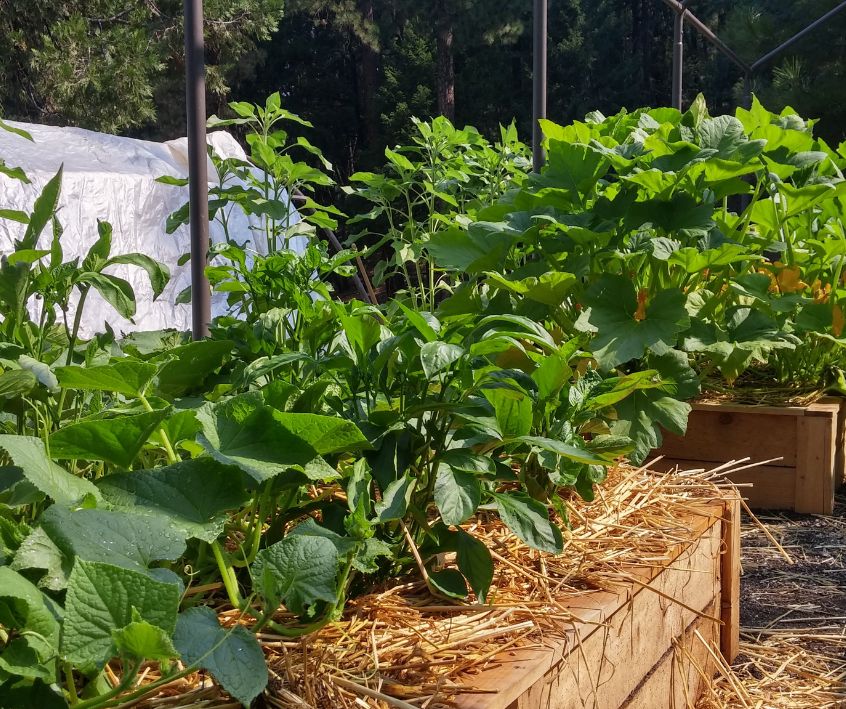
The foundation of any thriving garden is the soil. However, digging into compacted earth can be back-breaking work, and existing soil often lacks the nutrients your plants need. Raised garden beds are a staple of the cottage look, offering a practical solution that looks beautiful.
Raised beds allow you to control exactly what goes into your soil, ensuring your vegetables and flowers have a nutrient-rich, organic medium to grow in. They also warm up faster in the spring, giving you a jumpstart on the planting season.
How to Build a Simple Timber Bed
For a rustic cottage feel, untreated cedar or redwood are excellent choices because they are naturally rot-resistant without introducing chemicals into your organic garden.
- Choose your spot: Look for an area that gets at least 6-8 hours of sunlight.
- Select your materials: 2×10 lumber is a standard size. A 4-foot by 8-foot bed is a great starter size, wide enough to grow plenty of food, but narrow enough that you can reach the center without stepping on the soil.
- Assembly: Screw the corners together using galvanized deck screws.
- Preparation: Place thick cardboard over the grass where the bed will sit. This smothers weeds and eventually breaks down, feeding the earthworms below.
- Fill it up: Fill your new bed with a mix of topsoil and high-quality compost.
By lifting your plants, you also save your back and knees, making gardening a joy rather than a chore. This project sets the stage for a “harvest” of healthy, homegrown food.
2. Create a Meandering Pathway
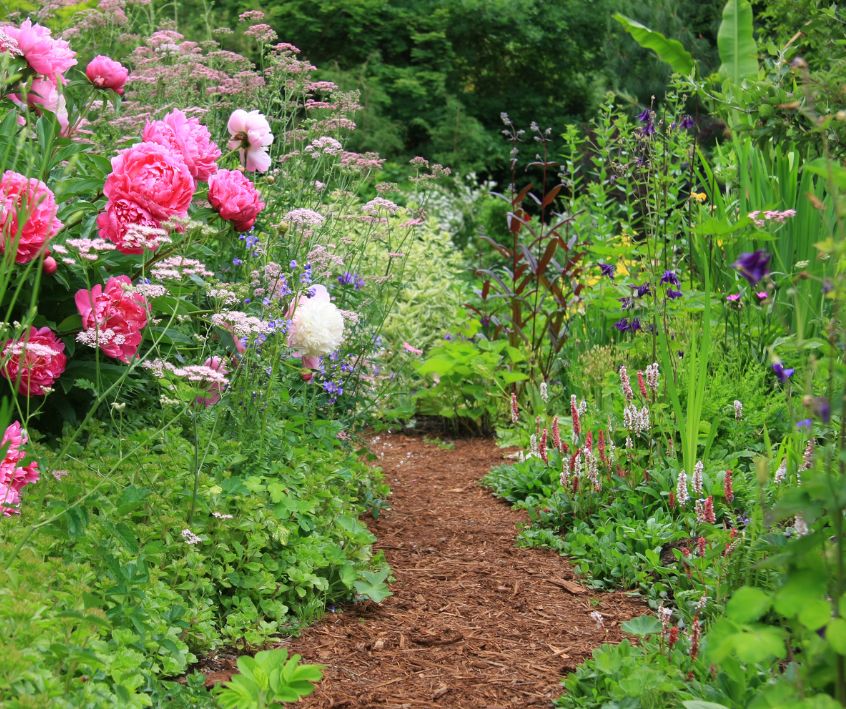
Straight lines are rare in nature. To capture that whimsical cottage vibe, you want a pathway that invites you to slow down and wander.
A winding path helps define your garden beds and encourages you to walk through and inspect your plants daily, a key habit for spotting pests or diseases early.
From an eco-friendly perspective, permeable paths are superior to concrete. They allow rainwater to soak into the ground rather than running off into storm drains, keeping your garden hydrated and reducing erosion.
Materials to Consider
- Wood Chips or Mulch: Affordable and soft underfoot. As they decompose, they feed the soil.
- Gravel or Pea Stone: Provides excellent drainage and a satisfying crunch when you walk.
- Reclaimed Brick: Old bricks add instant character and history to a new garden.
Start by laying out your path with a garden hose to visualize the curves. Once you are happy with the shape, remove the sod, lay down landscape fabric (or layers of newspaper) to suppress weeds, and fill with your chosen material. Border the path with low-growing plants like creeping thyme or alyssum to soften the edges.
From Straw to Wood Chips: Choosing the Right Mulch for Your Garden
3. Plant Fragrant, Pollinator-Friendly Flowers
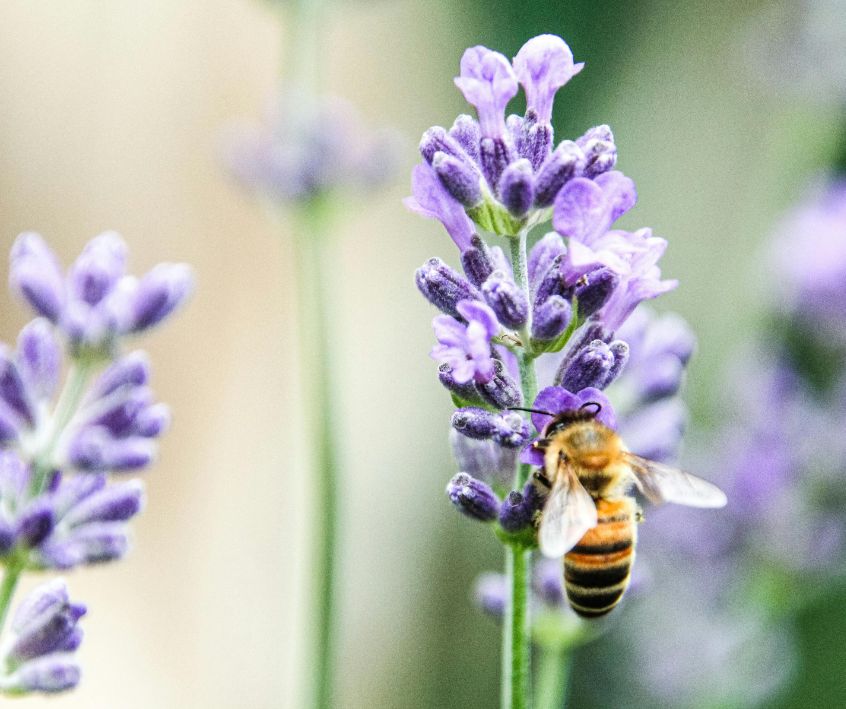
A true cottage garden appeals to all the senses, especially smell. But fragrant flowers do more than just perfume the air; they are beacons for pollinators.
Creating a “pollinator paradise” ensures better yields for your vegetable crops and supports the local ecosystem.
When choosing plants, focus on variety. You want a mix of blooms that flower at different times (early spring, mid-summer, and late fall) to provide a consistent food source for bees and butterflies.
Where to find seeds, plants, and supplies:
Top Picks for Beginners
- Lavender (Lavandula): Drought-tolerant and beloved by bees. Its calming scent is perfect for stress relief.
- Sweet Alyssum: A low-growing ground cover that smells like honey and attracts hoverflies (which eat aphids!).
- Cosmos: Easy to grow from seed. Their open, daisy-like heads make it easy for butterflies to land and feed.
- Calendula: Also known as pot marigold, these bright orange flowers are edible, medicinal, and great for attracting beneficial insects.
Don’t worry about spacing things perfectly. The cottage look is abundant. Plant things close together to shade the soil, which helps retain moisture and suppresses weeds naturally.
Find plants native to your region: Xerces Society Pollinator Conservation Program Pollinator-Friendly Native Plant Lists
4. Add a Bird Bath for Wildlife Support
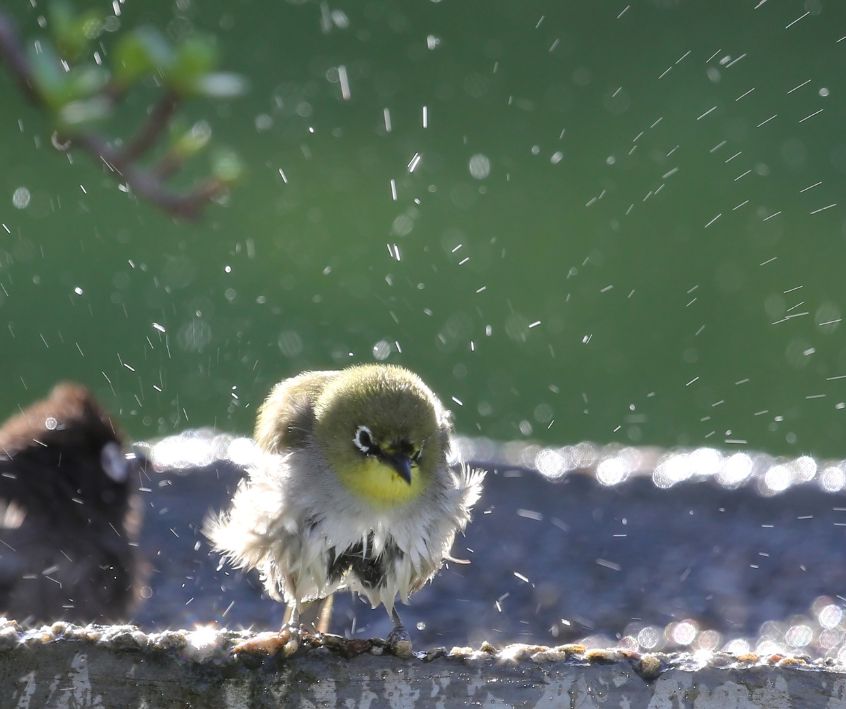
Biodiversity is a sign of a healthy organic garden. Birds are excellent natural pest controllers, happily munching on slugs, caterpillars, and beetles that might otherwise damage your crops. To encourage them to stick around, you need to provide water.
A bird bath doesn’t have to be an expensive stone structure. You can DIY one easily. The goal is to provide a shallow, safe water source.
DIY Ideas
- Terracotta Saucer: Place a large, glazed plant saucer on top of an overturned pot or stump.
- Upcycled Glass: A shallow glass bowl mounted on a sturdy wooden post adds a touch of sparkle.
Nurturing Nature: Pollinator Garden Water Source Ideas
Important Tip: Keep the water fresh. Stagnant water can breed mosquitoes. Scrub the bath out every few days. Place a few stones in the center so smaller birds and insects (like bees) have a safe place to land and drink without drowning. This simple addition turns your garden into a sanctuary for local wildlife.
Keep water moving with a Solar Fountain Water Pump for Bird Bath
5. Construct a Small Pond
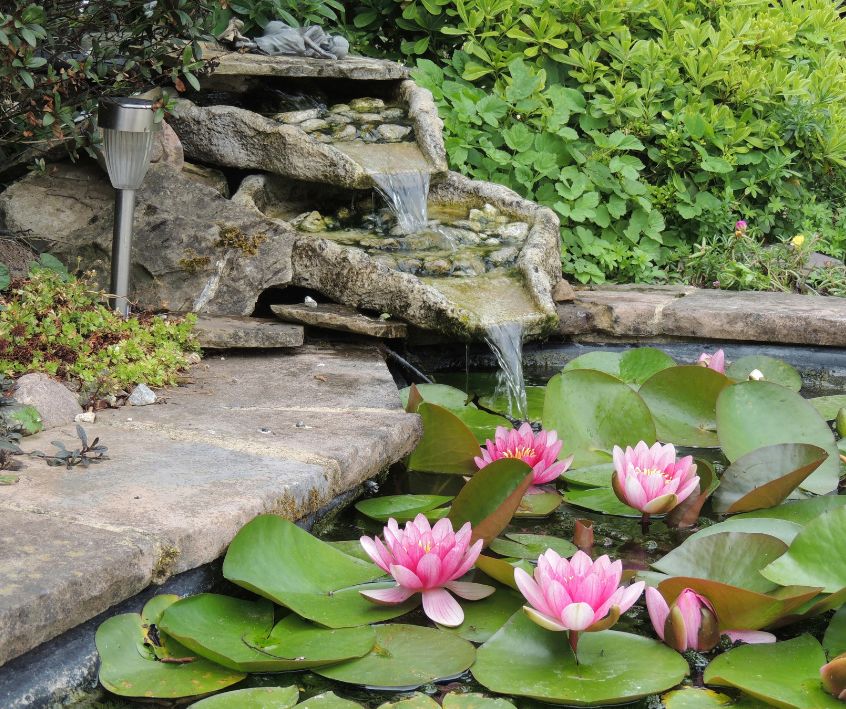
If you want to take biodiversity to the next level, consider a small water feature. Even a tiny pond can attract frogs and dragonflies.
Why do you want them? Dragonflies are voracious predators of mosquitoes, and frogs help keep the slug population in check. It is a natural, chemical-free way to manage pests.
Natural Pest Control: Welcoming Mosquito Predators
You don’t need to dig a massive hole. A “container pond” is perfect for small to medium-sized gardens.
How to Make a Container Pond
- Find a vessel: An old galvanized tub, a half-whiskey barrel, or a large ceramic pot works well.
- Seal it: If using a wooden barrel or porous pot, line it with pond liner.
- Add plants: You need oxygenating plants (to keep water clear) and floating plants (like a small water lily) to provide shade and reduce algae growth. Water Lettuce (Bundle of 5) Aquatic Water Plant
- Create an exit: Ensure there are stones or a ramp so that if a small animal falls in, it can climb out easily.
Safety first: If you have small children, ensure the pond is positioned safely or covered with a protective grid.
6. Install Climbing Plant Supports
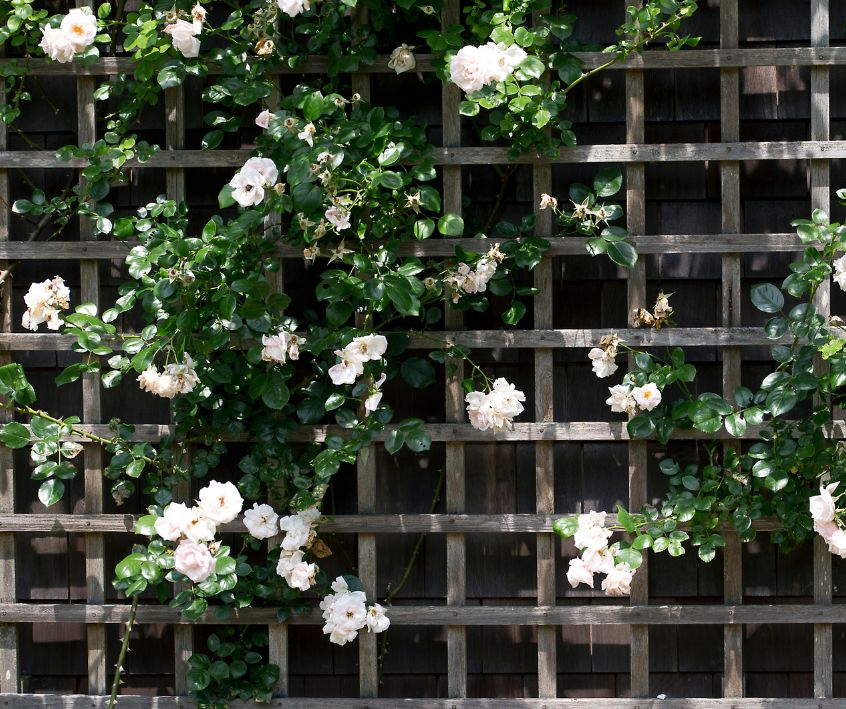
One of the tricks to the lush, overflowing look of a cottage garden is using vertical space. Growing upward allows you to fit more plants into a small footprint, maximizing your “nature’s bounty.”
7 Lush Climbing Vines for Full Sun Gardens
Trellises, arbors, and obelisks add architectural interest and support climbing plants like sweet peas, runner beans, and clematis.
Rustic DIY Trellis
You can make a beautiful, natural-looking trellis using pruned branches or bamboo stakes.
- Gather three to five long, straight branches (willow or hazel works well).
- Push them into the ground in a circle (for a teepee shape) or a line (for a screen).
- Tie the tops together with natural twine.
- Weave smaller, flexible branches horizontally through the uprights to create a ladder effect for tendrils to grab onto.
This organic approach costs nothing if you have access to materials and looks far more at home in a cottage setting than plastic netting.
Creative Trellis Ideas for a Stunning Garden
7. Incorporate Vintage Decor
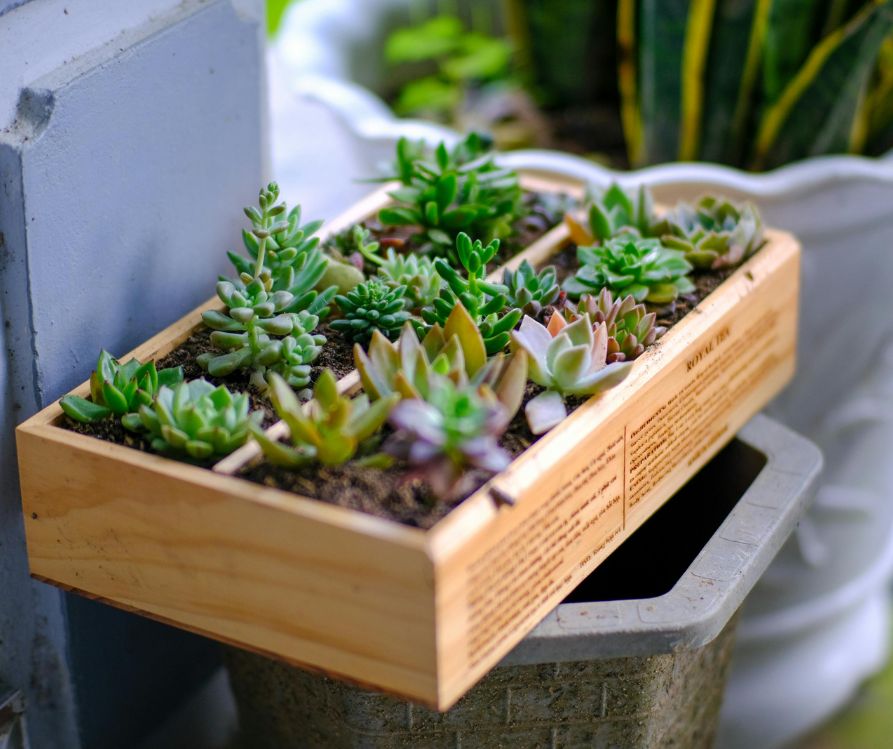
Sustainability is about more than just gardening practices; it is also about how we consume. Instead of buying new plastic ornaments, cottage gardens thrive on upcycled, vintage finds. This adds instant charm and history to your space.
Look for items that can have a second life as planters or art. An old rusty wheelbarrow filled with spilling nasturtiums is a classic cottage image. An antique chair with the seat removed can hold a pot of bright geraniums.
Tips for Upcycling
- Drainage is key: If you are planting in an old galvanized bucket, teapot, or toolbox, you must drill holes in the bottom. Without drainage, plant roots will rot.
- Safety: If you are growing food, be careful with painted items. ensure old paint isn’t flaking into the soil where you are growing vegetables. For edible plants, it’s often safer to use a pot inside the vintage container.
This approach keeps waste out of landfills and gives your garden a unique personality that you can’t buy at a big-box store.
8. Set Up a Seating Area
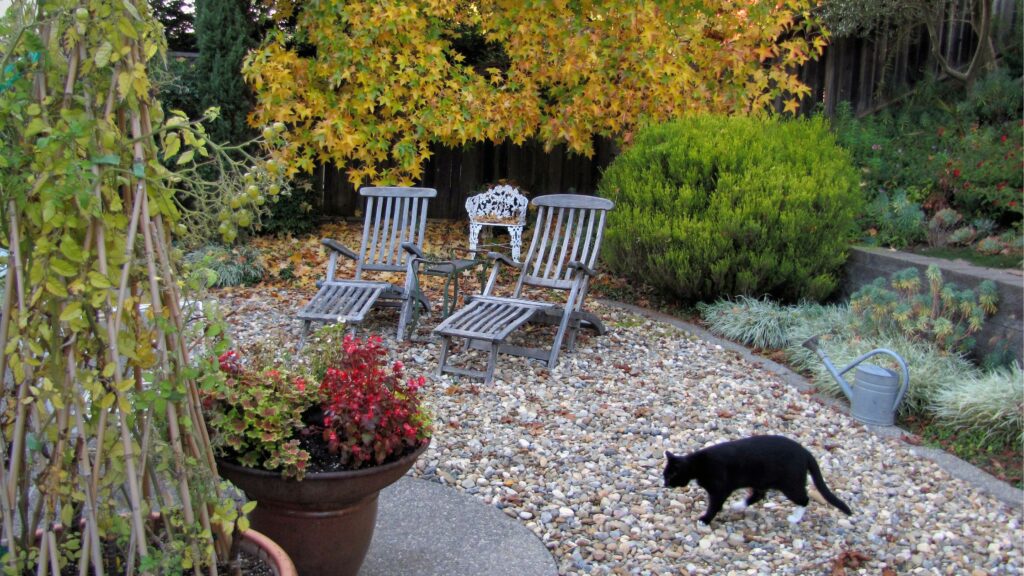
Gardening is good exercise, but it is also a form of mindfulness. It is vital to carve out a space where you can sit, rest, and observe the ecosystem you have cultivated. A seating area allows you to enjoy the fruits of your labor, literally and figuratively.
Transform Your Backyard into a Dreamy Outdoor Living Space With These Design Tips
It doesn’t need to be a large patio. A small bistro set tucked into a corner, or a wooden bench under a tree, is perfect.
Location, Location, Location
Place your seating area where you have a view of your hard work, but also consider privacy. Tucking a bench amongst tall hollyhocks or behind a trellis covered in jasmine creates a “secret garden” feel.
This space invites you to spend more time outdoors, soaking up Vitamin D and decompressing from the stress of daily life. It transforms the garden from a project into a living space.
Your Garden, Your Pace
Starting a garden can feel overwhelming, but remember: nature is resilient, and so are you. You do not need to tackle all eight of these projects in a single weekend. Gardening is a slow, seasonal process.
Start with one raised bed. Plant a few seeds. Watch them grow. Every flower you plant is a victory for the local bees, and every vegetable you harvest is a step toward a healthier, more sustainable lifestyle for your family.
The cottage garden style is forgiving of mistakes. If a plant dies, it’s just an opportunity to try something new. If a weed pops up, it’s just nature filling a void. Embrace the imperfections and enjoy the journey of cultivating your own patch of earth.
Are you ready to grow your health and happiness? Pick one project from this list and get started this weekend. Your future garden, and the butterflies, will thank you.
Visit the Garden Resources page for supplies and inspiration. Don’t forget to subscribe to the Calendula’s Garden Newsletter for more gardening tips.
Calendula’s Garden is reader supported. When you buy through links on our site, we may earn an affiliate commission. As an Amazon Associate, I earn from qualifying purchases. For more information, view our Disclaimer page. Thank you!