
DIY Personal and Home Cooling Solutions for Hot Days
Calendula's Garden is reader suported This post may contain affiliate links, more on our Disclaimer page. Thank you!

With global temperatures and our electric bills on the rise, summers are becoming tougher to endure. Year after year, heatwaves are breaking records, leaving us all searching for ways to stay cool and comfortable.
Whether you’re a gardener spending hours tending to your plants, a homeowner looking to beat the heat, or an eco-conscious individual aiming to find greener solutions, there’s a growing need for practical and sustainable cooling methods.
This guide walks you through smart, DIY personal and home cooling solutions that are both environmentally friendly and budget-friendly. Read on to discover how to keep cool while making eco-friendly choices.
The Case for DIY and Eco-Friendly Cooling
Cooling your home and yourself doesn’t have to mean soaring energy bills and reliance on energy-intensive air conditioners. DIY and sustainable options are cost-effective and help reduce the strain on electrical grids during heatwaves. They’re also an excellent way to minimize your carbon footprint.
Here’s what you can gain by opting for DIY personal and home cooling solutions:
- Lower costs compared to investing in high-power cooling appliances.
- Energy efficiency results in reduced electricity usage.
- Eco-friendly solutions that protect the environment.
- Custom options that cater to your specific cooling needs.
It’s time to leave behind inefficiencies and get creative with eco-conscious ideas.
Protect Yourself from Heatstroke and Sunburn this Summer
Stay Cool with DIY Personal Cooling Hacks
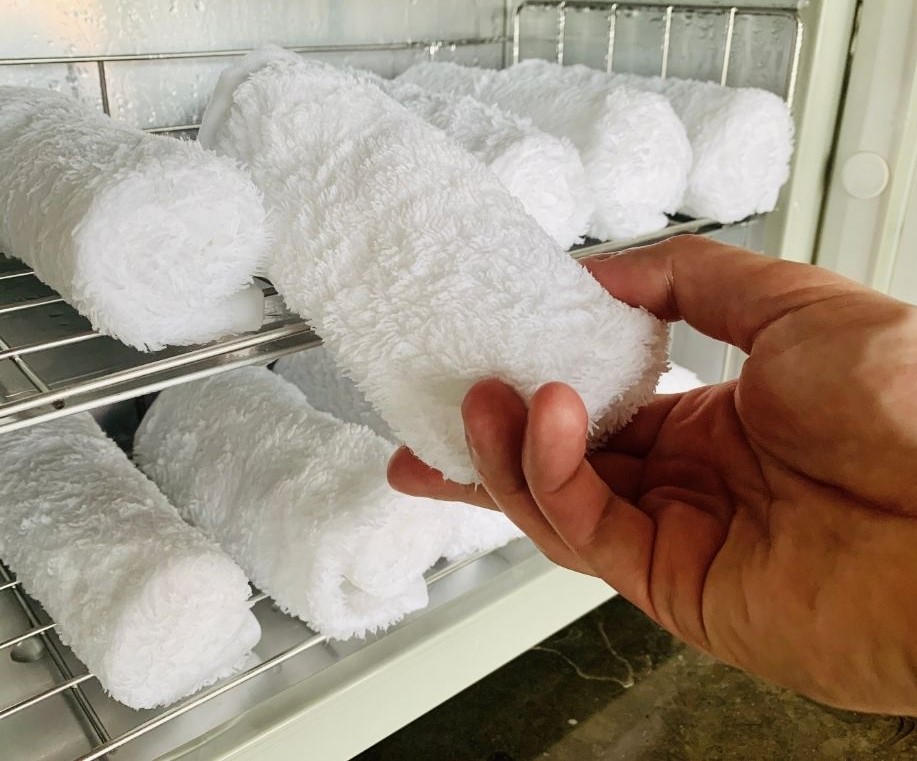
When it’s scorching outdoors, keeping yourself cool is a top priority. Fortunately, some simple DIY projects can help you beat the heat without resorting to wasteful single-use items.
1. Create Your Own Cooling Necklace
Personal cooling necklaces are a game-changer during summer. These wearable solutions keep you cool while you run errands, work in the garden, or even relax at home. Here’s how to make one:
Materials You’ll Need:
- Cotton fabric or old T-shirts (recycled materials work great here!)
- Water beads or silica gel crystals (often used in vases)
- Sewing supplies (needle, thread, or a sewing machine)
Instructions:
- Cut the fabric into a long strip (about 4 inches by 36 inches).
- Sew the edges to create a tube, leaving one end open.
- Fill the tube with water beads or silica gel crystals. These will absorb water and keep your necklace cool for hours.
- Stitch the open end shut.
- To use, soak the necklace in cold water for 10-15 minutes and drape it around your neck.
Not only is this solution reusable, but it’s also compact enough to bring on hikes or long outdoor days.
2. DIY Handheld Fan
There’s nothing quite as satisfying as a refreshing breeze when the heat is on. Instead of buying battery-operated handheld fans, you can craft your own powerful version:
Materials You’ll Need:
- An old computer fan (or small, lightweight fan)
- An external battery pack or USB cord
- Some basic wiring supplies
Steps:
- Safely remove and retain the fan from an old, unused computer.
- Connect the fan to the USB cord or external battery pack, ensuring the wiring is secure.
- Add a casing or handle to make it portable and easy to grip.
Voila! A mini handheld fan that’s energy-efficient and convenient.
Cool Your Home the DIY Way
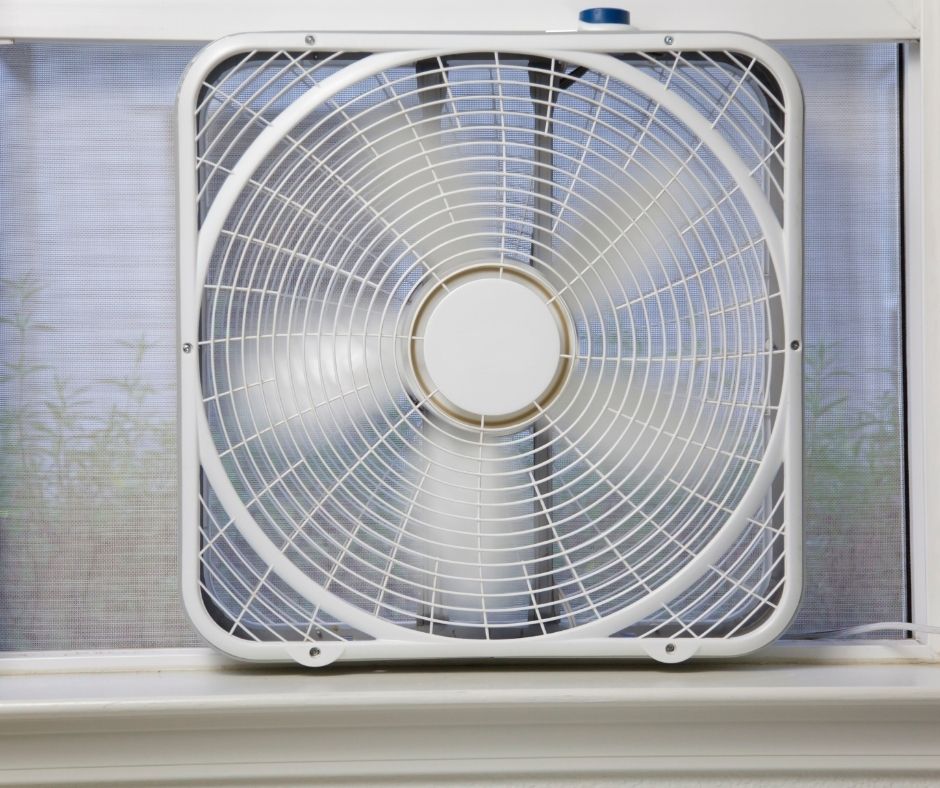
Cooling your personal space is just as important, especially during sweltering afternoons and humid nights. Here are some effective DIY techniques to transform your home into a summer oasis.
1. Create a Cross-Ventilation System
Cross ventilation uses natural airflow to cool your home with minimal effort. Here’s how to set it up:
- Open windows on opposite sides of your house or apartment to create airflow.
- On the breezier side, position fans to direct cooler air inward.
- On the warmer side, set up exhaust fans to pull hot air out.
This natural cooling system requires minimal energy and is perfect for eco-conscious homeowners.
2. DIY Air Conditioner with Fans and Ice

When it’s too hot for comfort but you don’t want to run an air conditioner, a DIY air-cooling unit can save the day!
What You’ll Need:
- A small box fan or desk fan
- A shallow tray, a cooler, or a large bowl
- Freezer packs, ice cubes, or frozen water bottles
Steps:
- Place the ice cube tray or frozen bottles in front of your fan.
- Position the fan so it directs cool air outward as the ice chills the air.
- Enjoy a refreshingly cool breeze without the guilt of an energy-heavy air conditioner.
Pro Tip:
To minimize electricity usage, use this DIY air conditioner in smaller spaces or for short bursts of time.
3. Optimize Ceiling Fans for Better Cooling
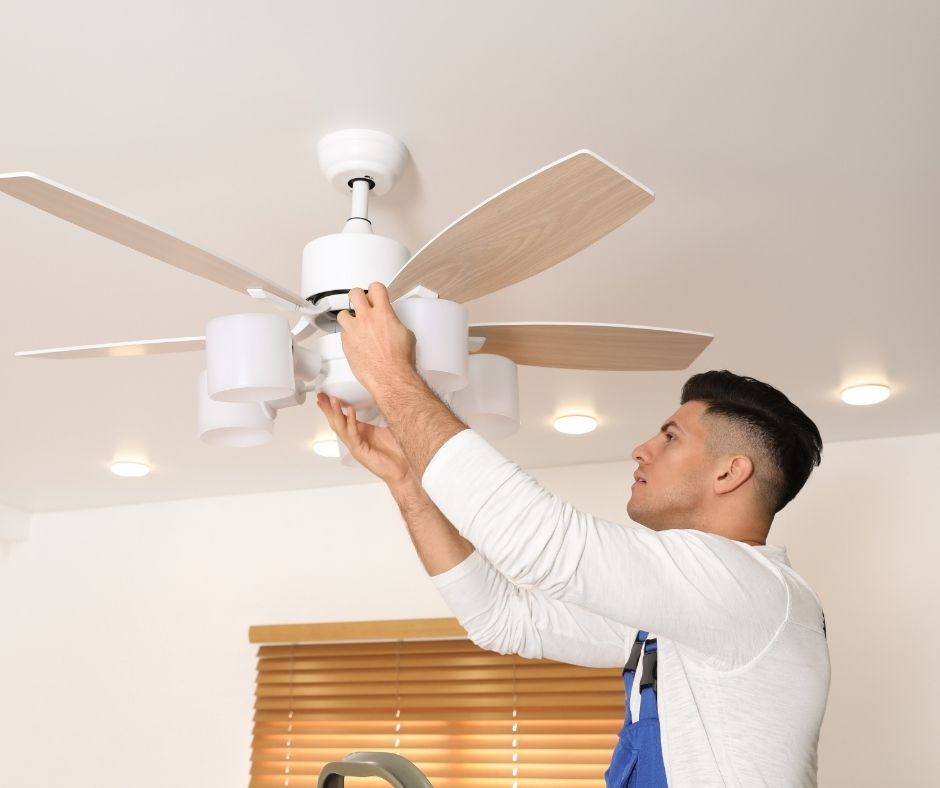
Did you know that the direction of your ceiling fan affects its cooling efficiency? During summer, make sure your ceiling fan is set to spin counterclockwise, which forces air downward and creates a pleasant breeze.
Here’s how to adjust most ceiling fans:
- Look for a small switch on the motor housing of your fan and flip it to change the rotation direction.
- Pair this with naturally cooling measures, like keeping curtains drawn during peak sunlight hours.
This small adjustment can make a huge difference and will help you stay cool without extra energy use.
Don’t Just Stay Cool, Stay Sustainable

Beating the heat this summer doesn’t have to come at the expense of the environment—or your energy bills. By taking proactive, DIY measures to cool yourself and your home, you ensure comfort while reducing your carbon footprint.
Whether you’re fashioning a sustainable cooling necklace, setting up cross-ventilation, or tweaking your ceiling fan, small changes can lead to significant results. Plus, they’re fun, creative projects you can take pride in.
The Mayo Clinic Explains Heat Exhaustion
Are you ready to transform your summer with smarter, eco-friendly cooling solutions? Start planning your DIY cooling hacks today and enjoy a green, refreshing summer that everyone in your household will thank you for.
Visit the Garden Resources page for supplies and inspiration. Don’t forget to subscribe to the Calendula’s Garden Newsletter for more gardening tips.
Calendula’s Garden is reader supported. When you buy through links on our site, we may earn an affiliate commission. As an Amazon Associate, I earn from qualifying purchases. For more information, view our Disclaimer page. Thank you!