Create A Lush Bamboo Privacy Screen In Half Barrel Containers
Calendula's Garden is reader suported This post may contain affiliate links, more on our Disclaimer page. Thank you!
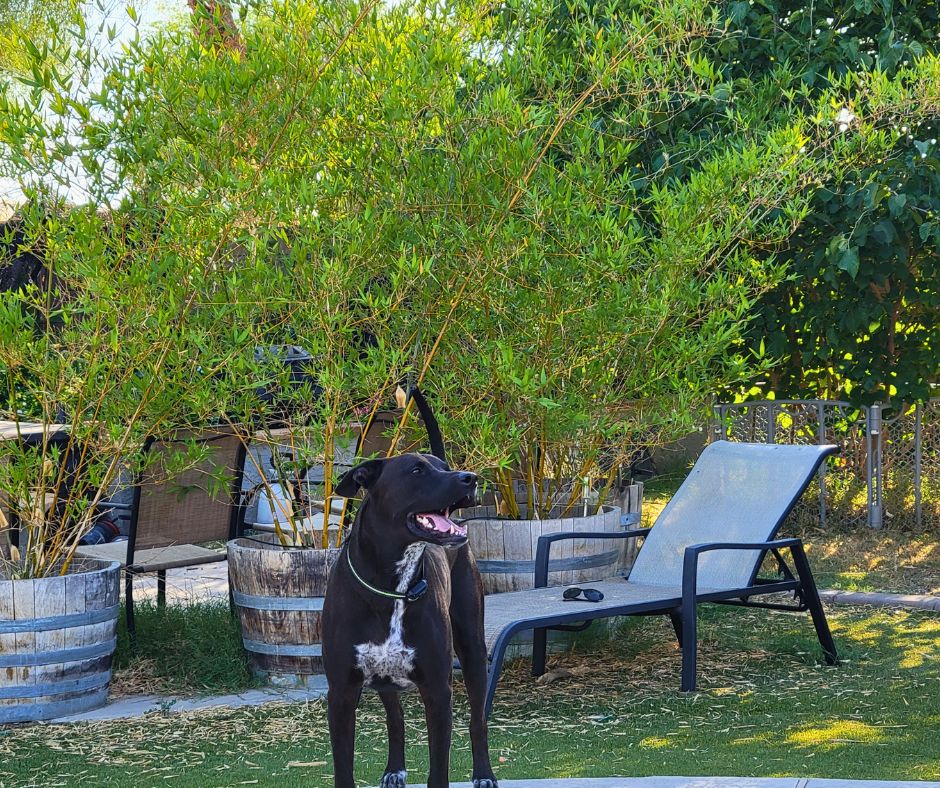
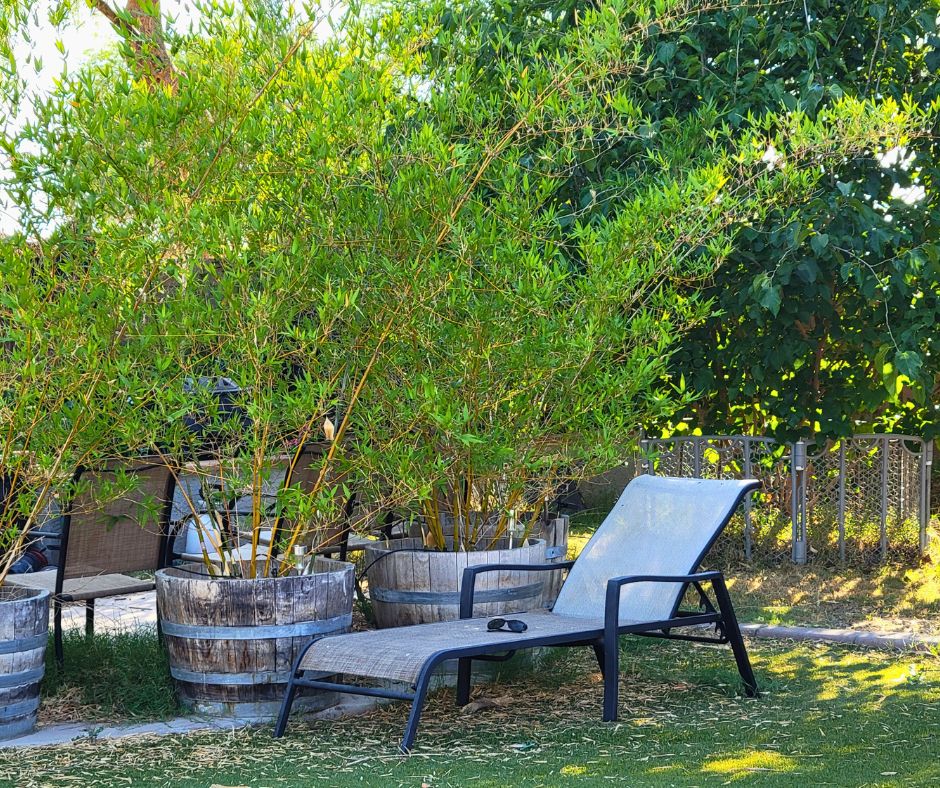
Looking to create a natural privacy fence that’s both functional and visually stunning? Our container bamboo privacy screen was a fun weekend project, and is now one of our favorite spots to chill in the yard.
Growing bamboo in half barrels is an excellent way to add greenery, protect your space from prying eyes, and keep things low-maintenance.
Bamboo grows quickly, offers a tropical aesthetic, and can thrive in contained environments like barrels, making it the perfect option for gardeners.
This guide will walk you through everything you need to know about creating a DIY bamboo privacy screen using half barrel planters.
From selecting the right bamboo to planting and maintaining your living barrier. By the end of this post, you’ll have a gorgeous, functional privacy screen that will add comfort to your outdoor space.
Why Bamboo in Half Barrels?

Bamboo offers a range of benefits that make it ideal for privacy fencing:
Environmentally Friendly
Bamboo is a fast growing plant that is not prone to pest infestations. Making it great for eco-conscious homeowners.
Portable and Contained
By growing bamboo in half barrels, you can prevent it from spreading invasively, which is a common concern with running bamboo. Barrels are large and usually less expensive than other containers of similar sizes.
Low Maintenance
Once established, bamboo requires minimal upkeep compared to other privacy screens, and it provides a relaxing rustling sound in the slightest breeze.
Customizable Height
You can select bamboo species that grow to your desired height for the perfect level of privacy.
Beyond functionality, a bamboo privacy fence adds a natural, elegant touch to balconies, backyards, and patios.
Materials and Tools You’ll Need
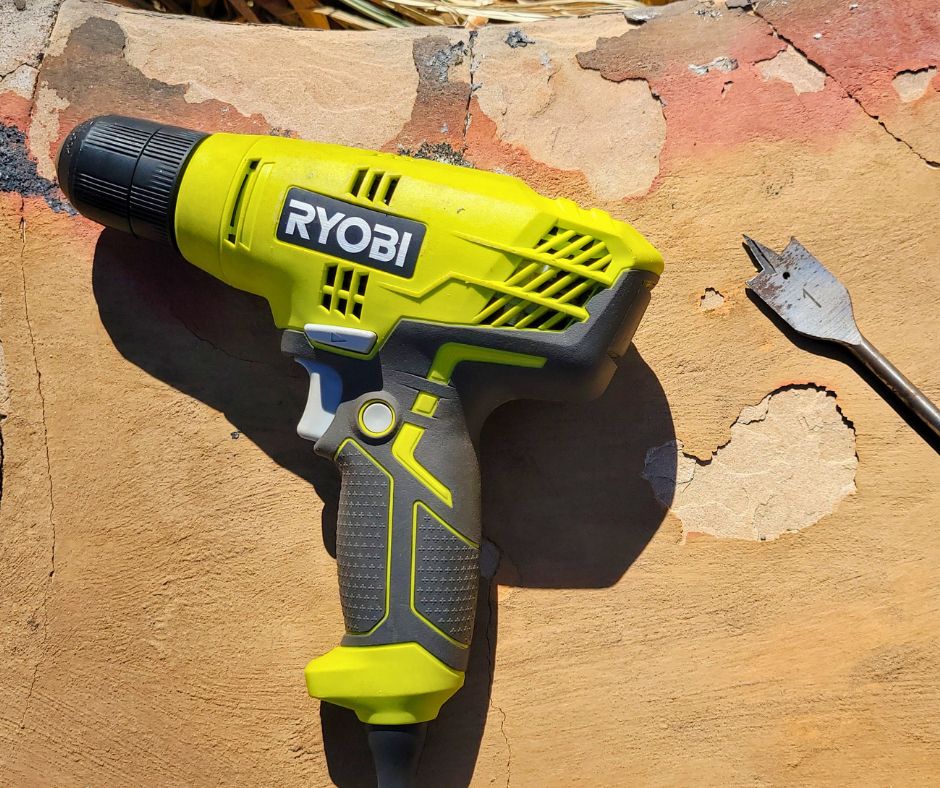
Before you begin, gather the following supplies to streamline the process:
- Half Barrels: Recycled wooden or plastic barrels work best. Ensure they’re large enough to support bamboo root growth. Try Tractor Supply
- Bamboo Plants: Purchase a bamboo species suitable for your climate and space (more on this below!).
- Potting Soil: Choose high-quality soil with good drainage properties. Buy in bulk.
- Gravel or Pebbles: For creating a drainage layer at the bottom of the barrels. Try Tractor Supply
- Fertilizer: A nitrogen-rich formula designed for grass-like plants such as bamboo.
- Drill and Drill Bit: To add drainage holes in the barrels.
- Shovel or Garden Trowel: For planting bamboo.
- Mulch: To retain moisture and regulate soil temperature.
- Gardening Gloves: To keep your hands safe and clean during the project.
Where to Find Bamboo Plants
Step 1: Selecting and Preparing the Half Barrels
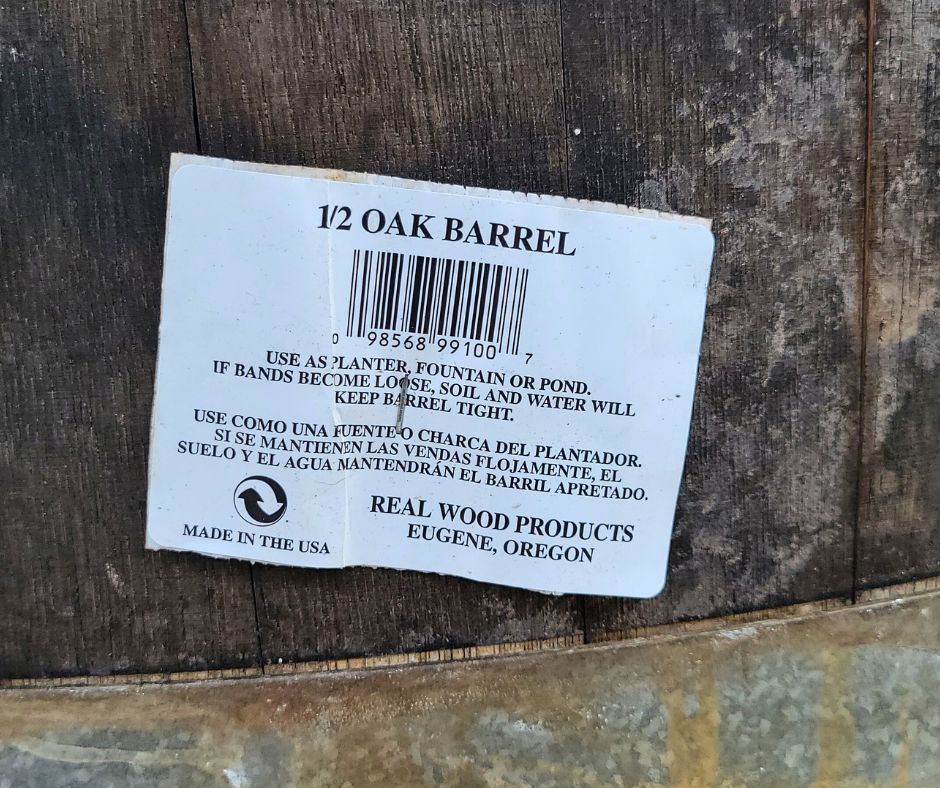
The type of half barrels you choose can significantly impact the growth of your bamboo. Here’s how to prep them for planting:
Choose the Right Barrels
Opt for barrels at least 22–24 inches in diameter and a similar depth. This provides ample space for bamboo roots to grow and spread. Plastic barrels are lighter, but wooden barrels offer a rustic, natural look. Plastic containers also tend to heat up faster than wooden or terracotta.
Drill Drainage Holes
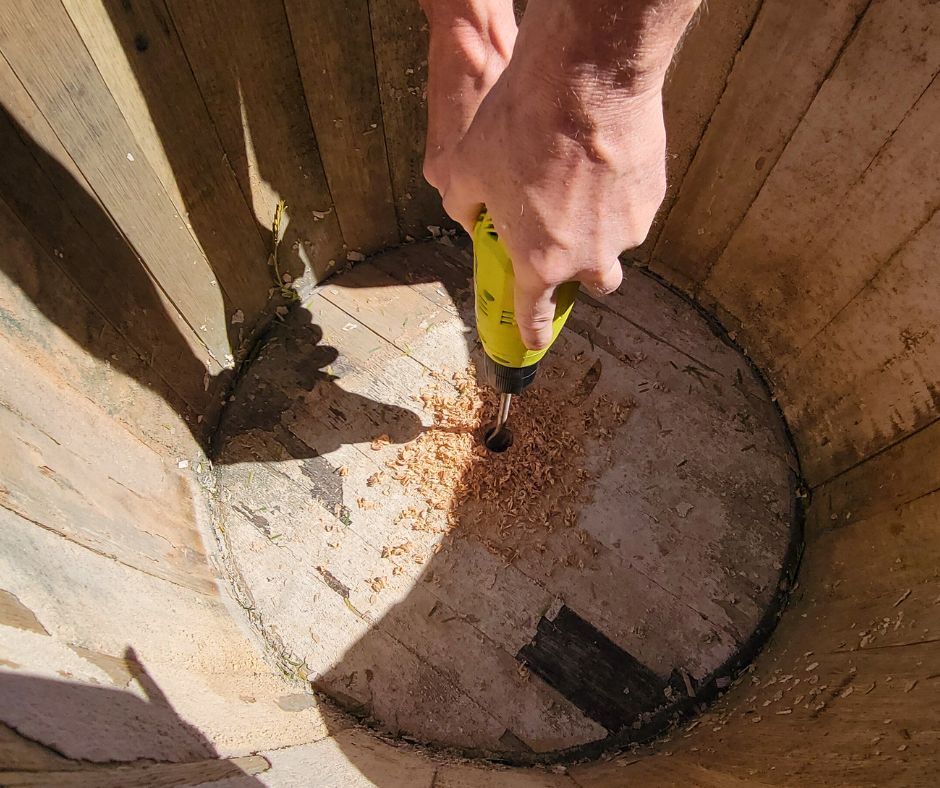
Bamboo doesn’t like soggy roots, so drill 6–10 evenly spaced drainage holes in the bottom of each barrel. This ensures excess water doesn’t pool, which can lead to root rot.
Add a Drainage Layer
Place 1–2 inches of gravel or small pebbles in the base of each barrel. This layer will allow water to drain freely while keeping your bamboo healthy.
Step 2: Choosing the Right Bamboo

Bamboo selection is crucial since not all species are suitable for container planting or privacy screens. Here’s what to look for:
Clumping Bamboo (Best Option)
This type grows in tight clusters, making it easier to manage and ideal for containers.
Height Requirements
For balconies or patios, choose species that grow 6–10 feet tall, like Fargesia robusta.
For full-scale privacy, go for taller species such as Bambusa multiplex, which grows up to 20 feet.
Climate Suitability

Check the hardiness zone of your area and pick a species that thrives in your climate. For example, Fargesia nitida is perfect for cooler zones, while Bambusa textilis loves warmer areas.
Step 3: Planting the Bamboo
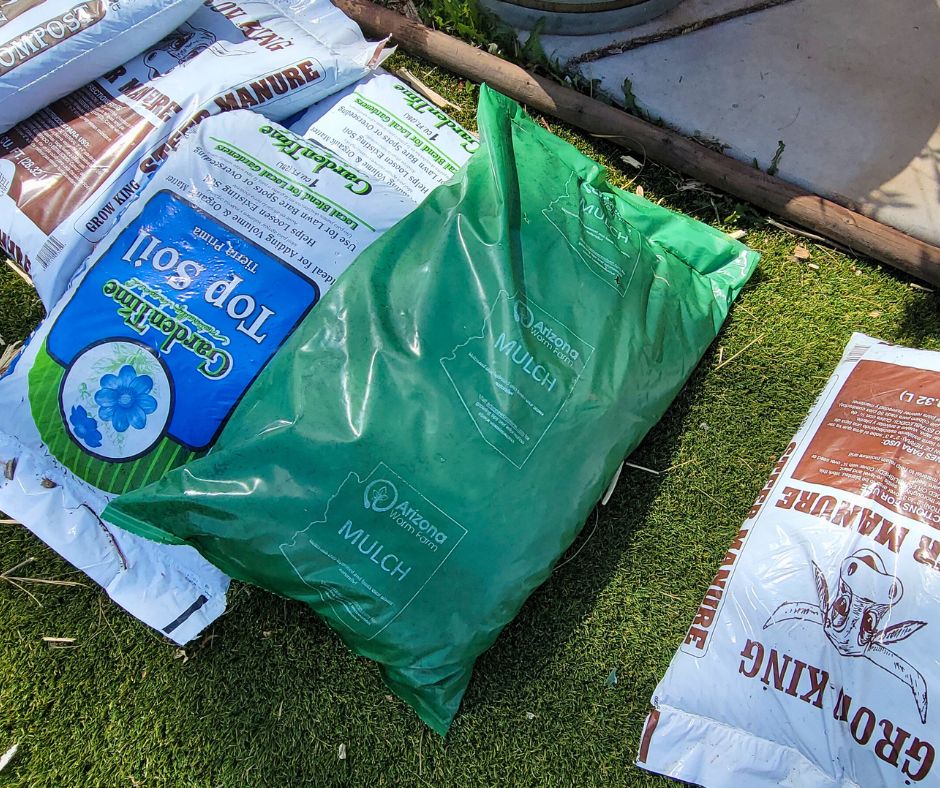
With your barrels and bamboo ready, it’s time to bring your privacy screen to life. Follow these steps:
Prepare the Soil
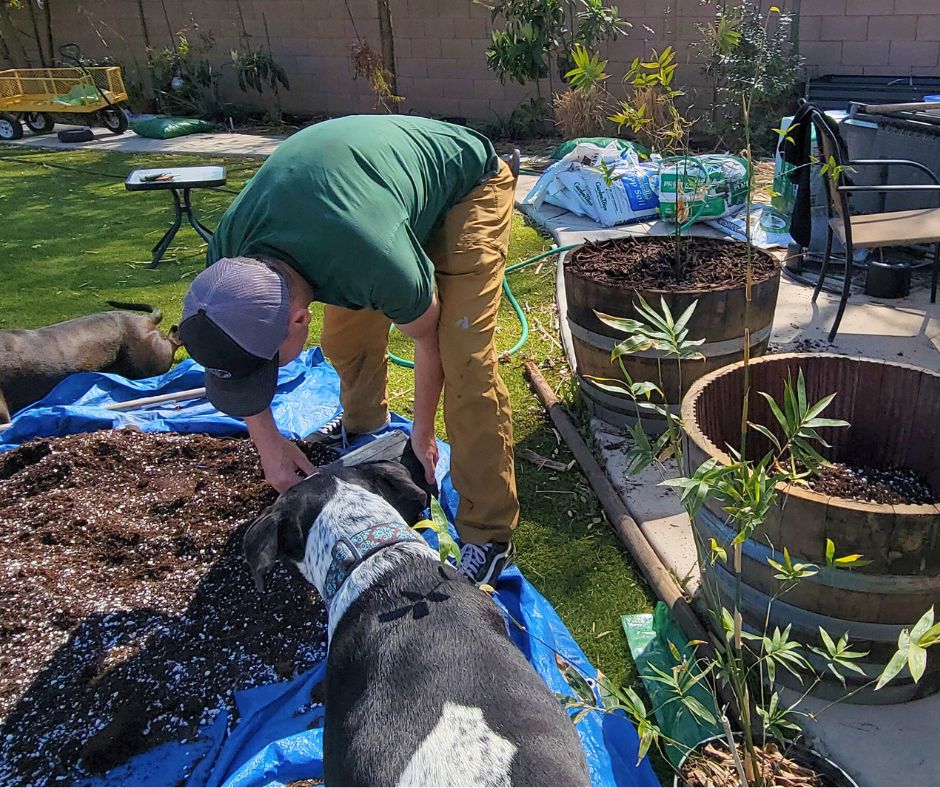
Use high-quality potting soil and mix it with organic compost to ensure a nutrient-rich environment. Bamboo thrives in slightly acidic to neutral soil (pH 6.0–7.0). If you are planting multiple containers, it would be worthwhile to make your own potting soil to save money.
Position the Barrels
Place the barrels where you want your privacy fence to stand. It’s easier to position them now versus once they’re filled with soil and bamboo.
Plant the Bamboo
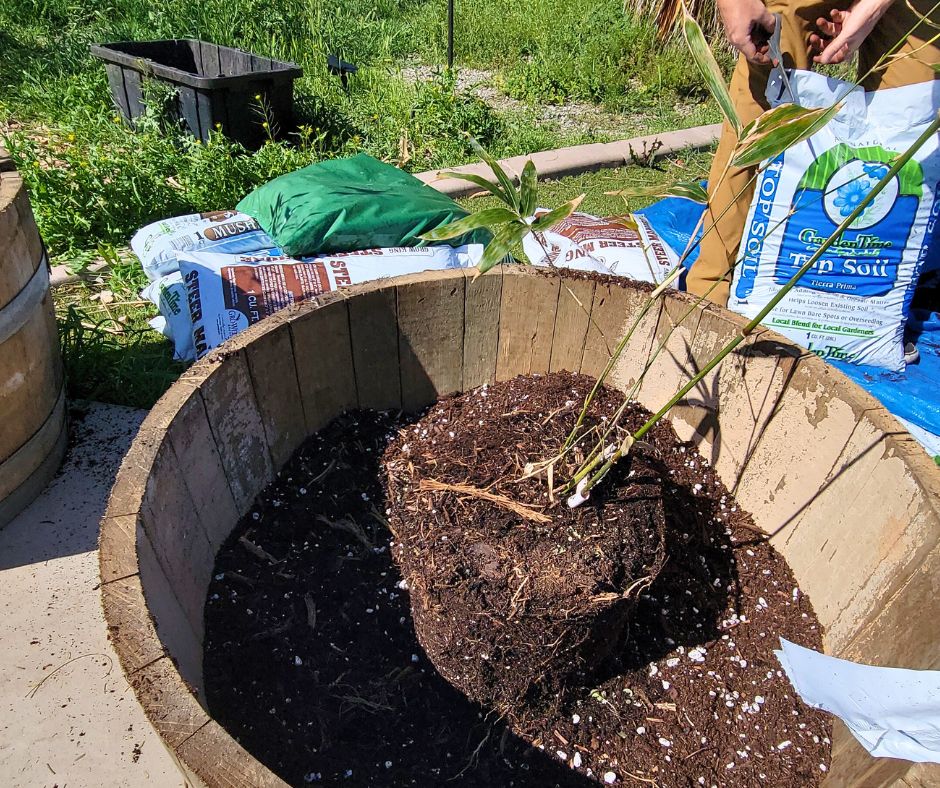
- Add 1-2 inches of gravel to the bottom of the container
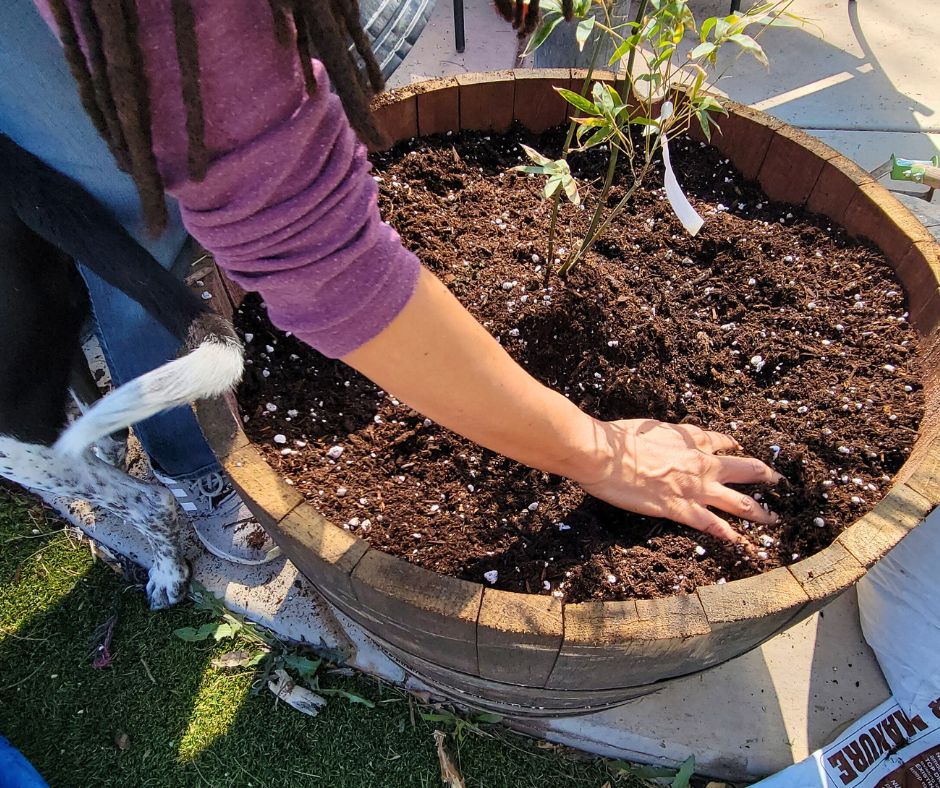
- Fill the barrel with your prepared soil mix until it’s halfway full.
- Gently remove your bamboo plant from its nursery pot, taking care not to damage the roots.
- Position the plant in the center of the barrel and fill in the remaining space with soil, leaving about 1–2 inches of space at the top for mulch.
Apply Mulch
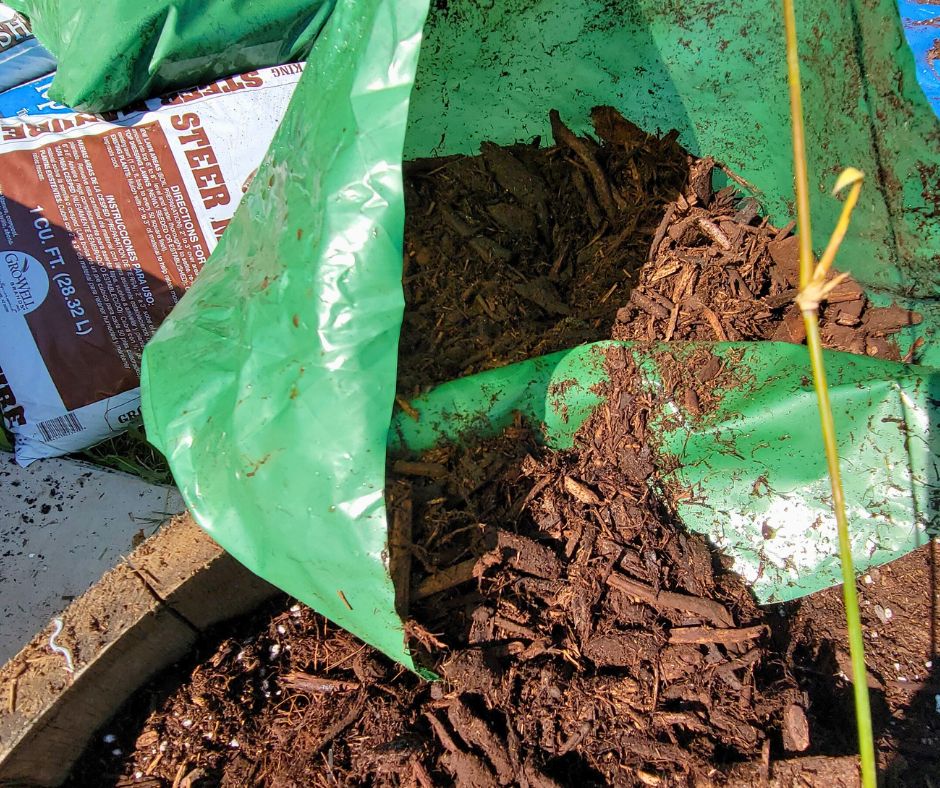
Add a layer of mulch to retain moisture and regulate soil temperature. Containers are prone to drying out faster and overheating.
Water Thoroughly
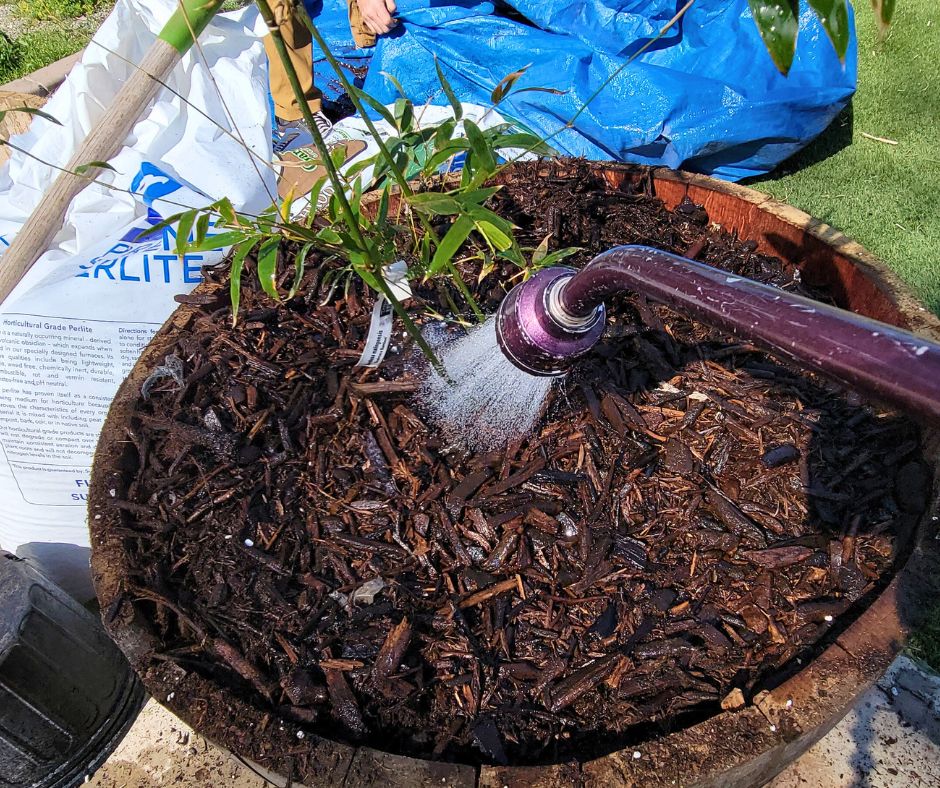
Water the bamboo immediately after planting until water starts draining from the bottom of the barrel.
Step 4: Caring for Your Bamboo Fence
Proper care ensures your bamboo stays healthy and grows into a lush privacy barrier. Here’s what you need to know:
Watering
Bamboo loves consistent moisture, especially during its initial growth phase. Water your plants 2–3 times a week, or more during hot weather. Installing a drip system will make this super easy, and you can increase frequency during heat waves.
Fertilizing
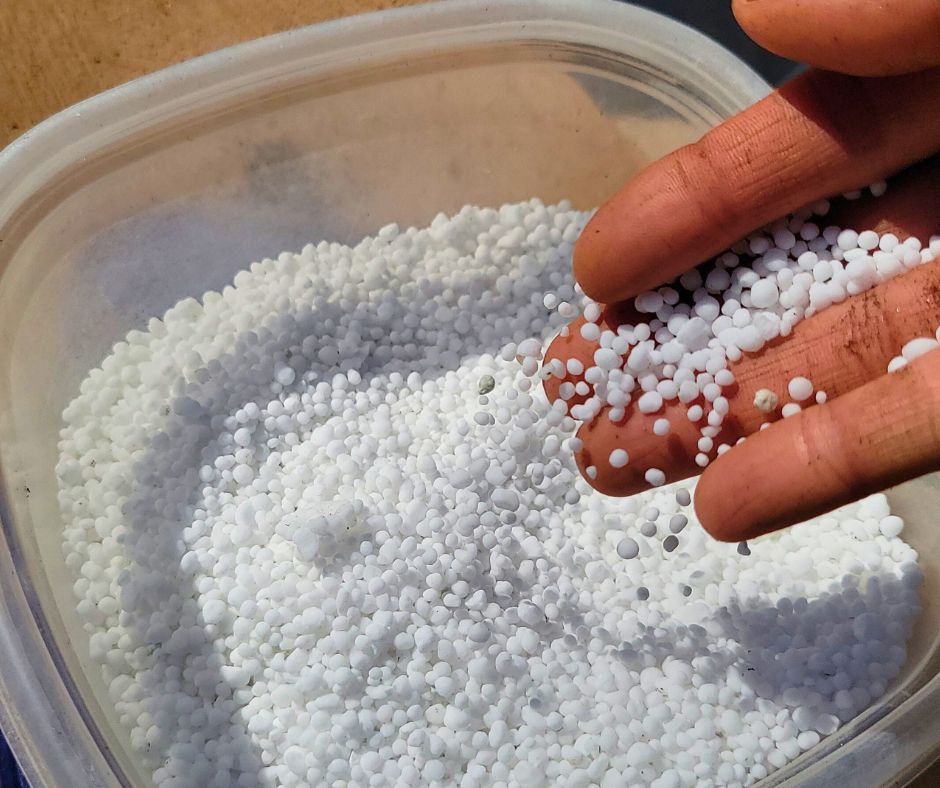
Use a nitrogen rich fertilizer once a month during spring and summer to support dense, green growth. Avoid over-fertilizing, as this can stress your plants.
Pest Protection
Keep an eye out for pests like aphids on new shoots. Treat any infestations with organic insecticides or neem oil. If your containers develop dry areas, they can attract ants. Make sure to keep the soil moist.
Say Bye Bye to Garden Ants! How to Get Rid of Ants in Your Yard
Pruning
Trim any yellowing leaves or dead canes to promote healthy growth and maintain a clean aesthetic.
Step 5: Maintaining Your Privacy Screen
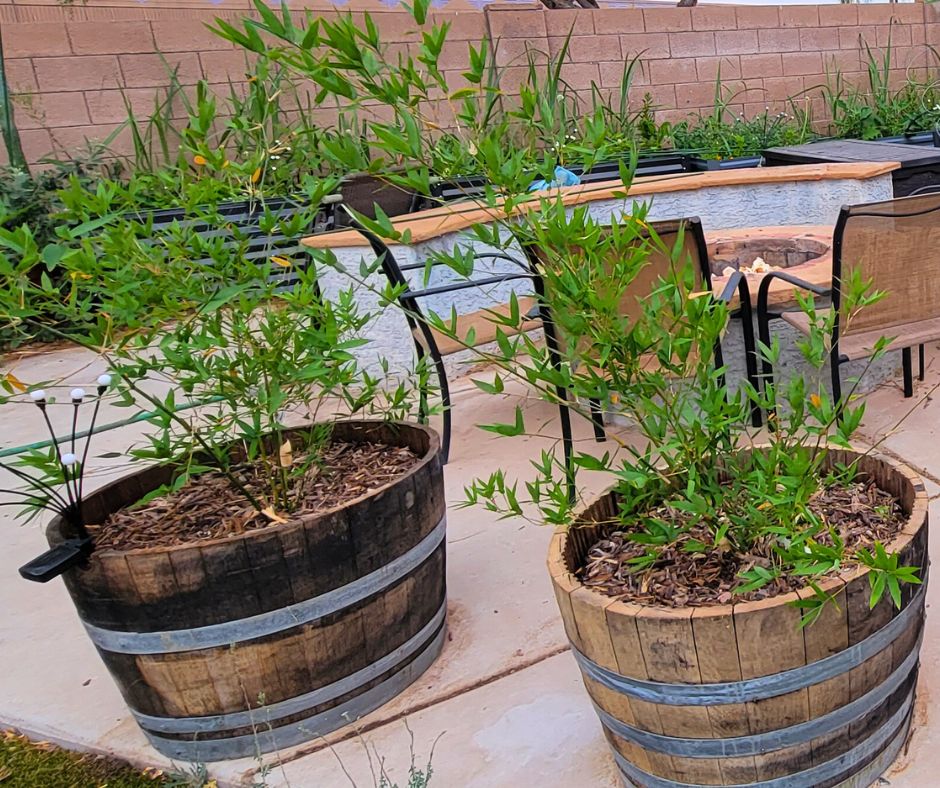
A well maintained bamboo screen is not only functional but also beautiful. Here’s how to keep yours in top shape:
Regular Inspections
Check periodically that the bamboo isn’t outgrowing its barrels. If roots start to crowd the container, consider dividing the plant and repotting in a larger barrel. Or dividing it and adding another barrel to your privacy screen.
Replenish Soil and Mulch
Over time, soil settles and loses nutrients. Add fresh soil and mulch annually to keep your bamboo thriving.
Adjust Barrel Positions
If you notice uneven sunlight exposure, rotate the barrels to ensure all plants grow evenly.
Wrapping Things Up
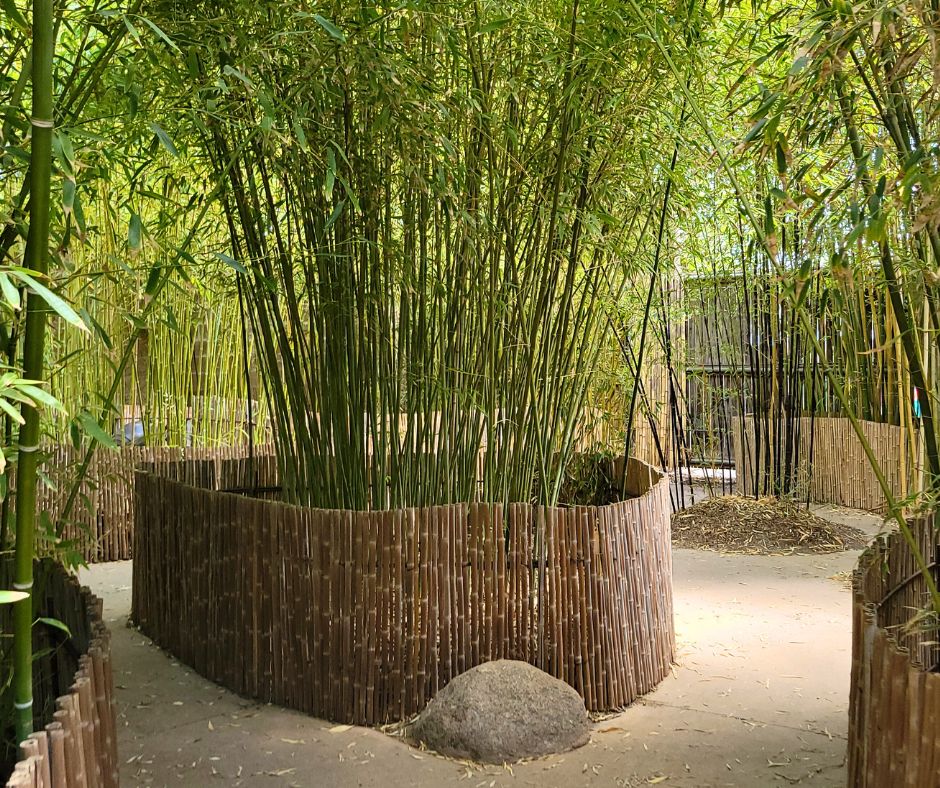
Creating a privacy fence with bamboo grown in half barrels is a rewarding DIY project that combines functionality with natural beauty. Not only is bamboo fast-growing and low-maintenance, but planting it in barrels keeps it contained and portable.
Your new privacy fence will provide a lush, green backdrop for your outdoor space while offering shade and seclusion. Next, consider enhancing your outdoor space even further—perhaps with string lights or planters filled with seasonal blooms.
Excited to get started? Gather your materials today and transform your yard into a private oasis!
Visit the Garden Resources page for supplies and inspiration. Don’t forget to subscribe to the Calendula’s Garden Newsletter for more gardening tips.
Calendula’s Garden is reader supported. When you buy through links on our site, we may earn an affiliate commission. As an Amazon Associate, I earn from qualifying purchases. For more information, view our Disclaimer page. Thank you!