Dig Deep into Regenerative Gardening for Rich, Healthy Soil
Calendula's Garden is reader suported This post may contain affiliate links, more on our Disclaimer page. Thank you!
Gardening has always been a labor of love, a way to connect with nature and cultivate beauty. Today, gardening can also be a powerful tool for environmental healing.
This includes regenerative gardening, a set of practices that go beyond sustainability to actively restore and enhance soil health. For gardeners and advocates of sustainable living, this approach promises not only healthier plants but also a healthier planet.
What is Regenerative Gardening?
Regenerative gardening is more than just a buzzword; it’s a holistic approach that aims to rejuvenate and energize the soil, making it more fertile and resilient.
Unlike conventional gardening methods that often deplete natural resources, regenerative gardening focuses on restoring and maintaining the soil’s natural vitality.
This method aligns perfectly with the principles of sustainable living, as it emphasizes long-term ecological balance and health.
Why Regenerative Gardening Matters
In an era marked by climate change and environmental degradation, regenerative gardening offers a beacon of hope.
By improving soil health, this practice plays a crucial role in mitigating climate change, conserving water, and enhancing biodiversity.
For those who are passionate about sustainable living, regenerative gardening provides a tangible way to make a positive impact on the environment right in their own backyard.
Techniques to Improve Soil Health
No-Dig Gardening
No-dig gardening is exactly what it sounds like: gardening without turning over the soil. This technique helps maintain the soil structure and reduces soil disturbance, which is beneficial for soil organisms.
Concept: Instead of digging, you add organic matter directly on top of the soil. Over time, this material breaks down and enriches the soil beneath.
Benefits: No-dig gardening promotes the growth of beneficial microorganisms and earthworms, improves water retention, and reduces erosion.
Getting Started: Begin with sheet mulching, layer cardboard or newspaper over the ground to smother weeds, then add layers of compost and organic mulch. This method is simple yet incredibly effective for creating a healthy garden ecosystem.
Composting
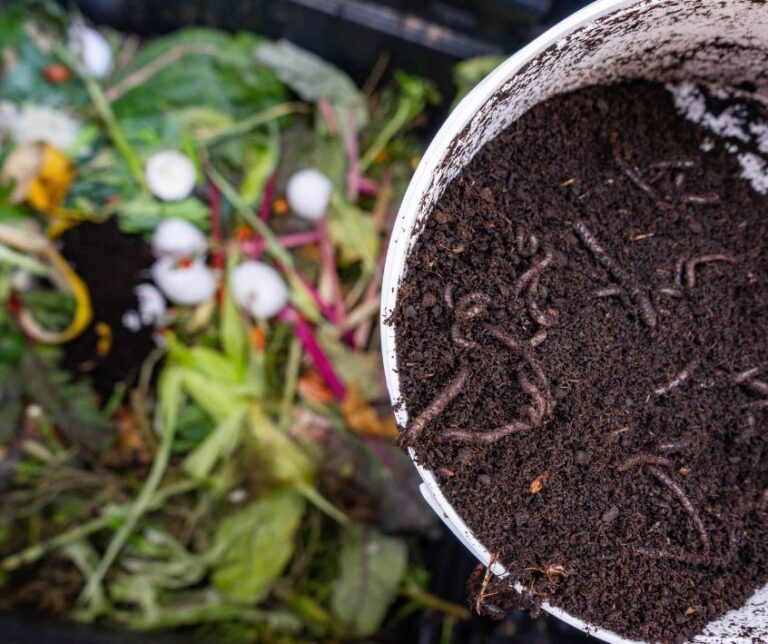
Composting is the process of breaking down organic material into nutrient-rich compost that can be added back into the soil.
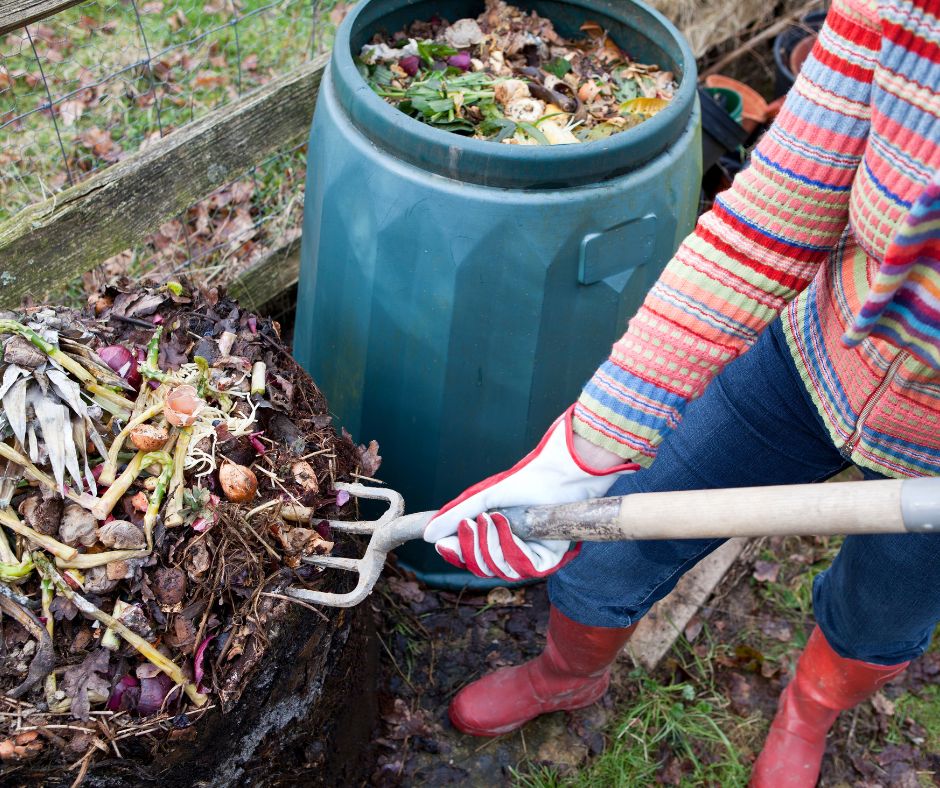
Starting a Pile: Choose a spot in your garden, and start by layering greens (like vegetable scraps) and browns (like dried leaves). Turn the pile regularly to aerate it.
Benefits: Composting enriches the soil with essential nutrients, improves soil structure, and helps retain moisture. It also reduces the need for chemical fertilizers.
Maintenance Tips: Keep your compost pile moist but not soggy, and turn it every few weeks to speed up the decomposition process.
Which Compost bin is best for you?
Mulching
Mulching involves covering the soil with a layer of organic or inorganic material to protect it and improve its quality.
Types of Mulch: Organic mulches like straw, wood chips, and leaves add nutrients to the soil as they decompose. Inorganic mulches like gravel and plastic sheeting are more durable but don’t offer the same nutritional benefits.
Benefits: Mulching helps regulate soil temperature, retains moisture, suppresses weeds, and prevents soil erosion.
Application: Spread mulch evenly around plants, leaving some space around the stems to prevent rot. Replenish the mulch layer as needed throughout the growing season.
From Straw to Wood Chips: Choosing the Right Mulch for Your Garden
Crop Rotation
Crop rotation is the practice of growing different types of crops in the same area across different seasons to improve soil health.
Strategies: Rotate crops based on their nutrient needs and pest resistance. For example, follow nitrogen-fixing legumes with heavy feeders like tomatoes.
Benefits: Crop rotation prevents soil depletion, reduces pest and disease buildup, and improves soil structure.
Planning: Keep a garden journal to track what you plant where. This will help you plan future rotations and maximize the benefits.
Cover Crops
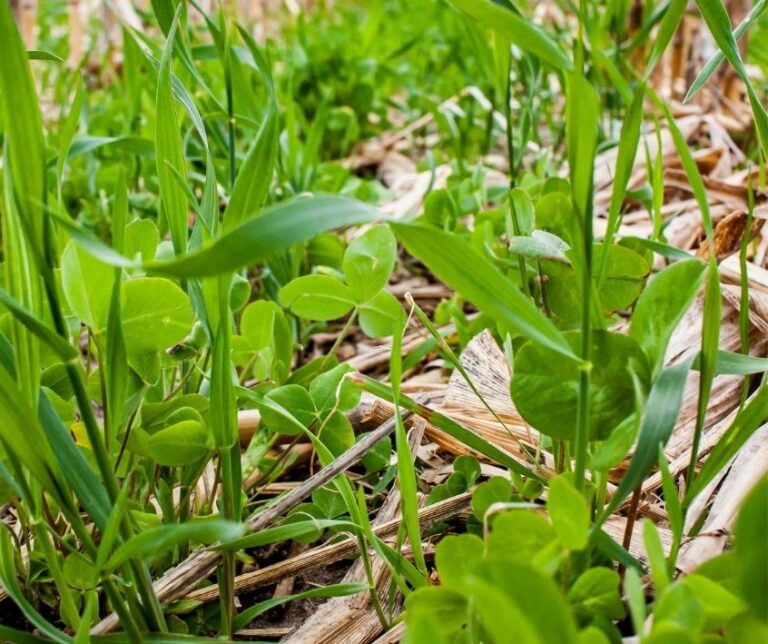
Cover crops are plants grown primarily to cover the soil rather than for harvest, serving various roles in enhancing soil health and fertility.
Purpose: Cover crops help prevent soil erosion, improve soil structure, and increase organic matter content. They can be sown during the off-season or in between main crops to protect and enrich the soil.
True Leaf Market Cover Crop Seeds
Benefits: By adding nutrients back into the soil, especially when legumes are included, cover crops can reduce the need for synthetic fertilizers. They also enhance soil moisture retention, suppress weeds, and promote beneficial soil microorganisms.
Choosing and Planting: Select cover crops based on your specific goals and growing conditions.
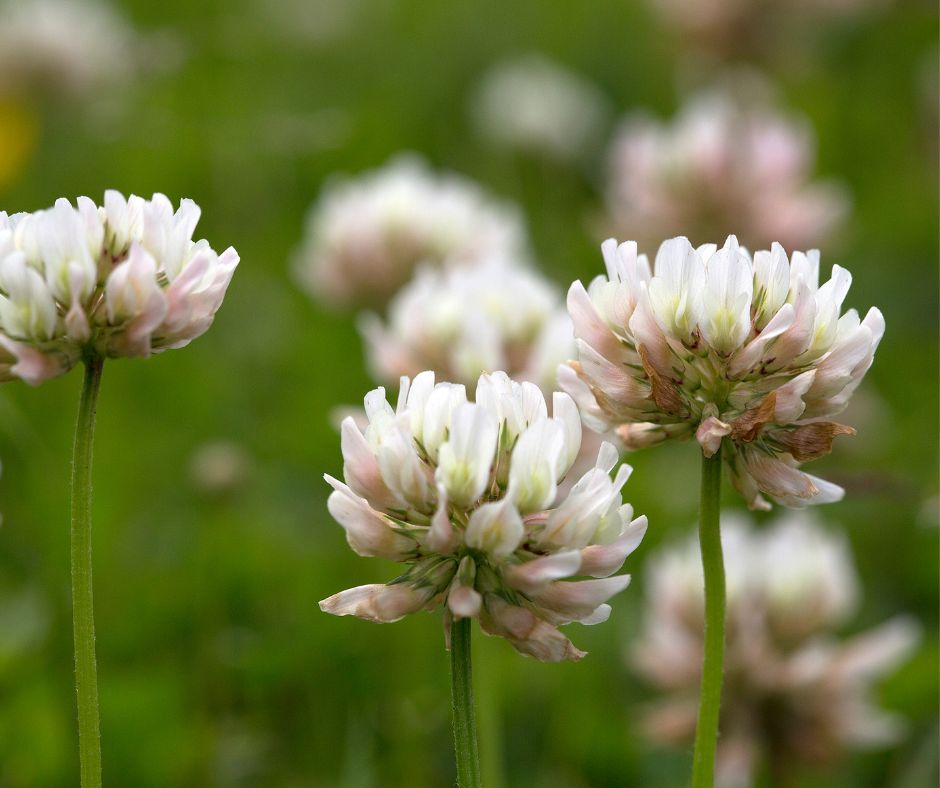
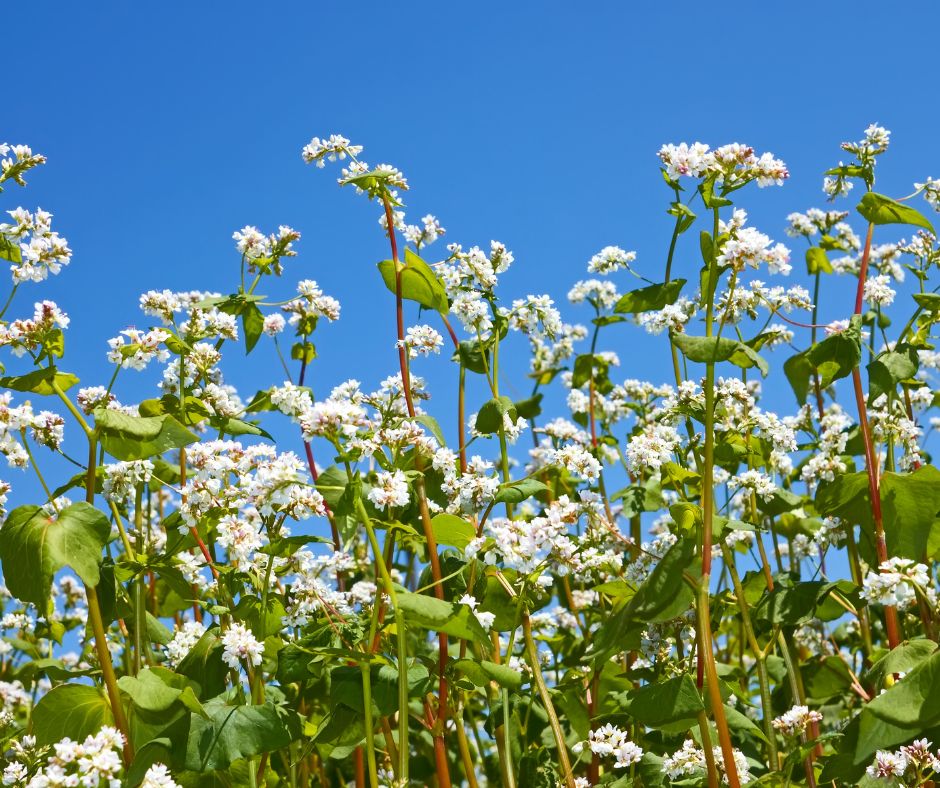
Common options include clover for nitrogen fixation, rye for erosion control, and buckwheat for weed suppression.
Sow cover crops in early fall or spring, allowing them to establish before terminating them at the appropriate time to maximize benefits.
Implementing Regenerative Gardening in Your Own Space
Step-by-Step Guide
- Assess Your Space: Start by evaluating the current state of your garden. Identify areas that need improvement.
- Choose Techniques: Pick the regenerative techniques that align best with your goals and the specific needs of your garden.
- Prepare the Soil: Add compost and mulch to enrich the soil.
To implement regenerative gardening in your own space, start by assessing your garden’s current condition. Take the time to investigate the soil quality, plant health, and overall ecosystem present in your space.
Identify specific areas that require attention, such as compacted soil or lower plant vitality.
Understanding your garden’s strengths and weaknesses will guide you in developing a tailored approach to enhancing its health and productivity.
Next, choose the regenerative gardening techniques that resonate with your goals and suit the unique characteristics of your garden.
For instance, if you’re aiming to improve soil quality, you might consider starting with no-dig gardening, which maintains soil structure and encourages beneficial organisms.
However, if you are starting with hard compacted clay that is primarily discarded fill dirt from a new home build, you will need to open up the soil and add amendments. This can be done by double digging or tilling.
Implementing composting and mulching practices can further enrich the soil, while crop rotation can help diversify plant growth and enhance nutrient levels.
By selecting the right methods, you’ll set a solid foundation for a thriving garden ecosystem.
Overcoming Challenges
Regenerative gardening is a rewarding but sometimes challenging endeavor. Common issues include sourcing organic materials and managing pests naturally.
However, with persistence and creativity, these challenges can be overcome.
Additional Tips
- Start Small: Begin with a small section of your garden to test new techniques before expanding.
- Stay Informed: Keep learning about regenerative practices through books, online courses, and community workshops.
- Connect with Others: Join gardening clubs and online forums to share experiences and advice.
Looking to the Future
Large-Scale Potential
While regenerative gardening is often practiced on a small scale, its principles can be applied to larger agricultural systems.
Farms that adopt regenerative practices can play a significant role in improving soil health and combating climate change.
Noble Research Institute: What is Regenerative Agriculture?
Community Support
Individuals can support regenerative gardening efforts on a community level by participating in local gardening programs, advocating for sustainable practices, and educating others about the benefits of regenerative methods.
Final Thoughts
Regenerative gardening is more than just a trend; it’s a powerful approach to gardening that restores soil health and promotes environmental sustainability.
By adopting techniques like no-dig gardening, composting, mulching, and crop rotation, you can create a thriving garden while contributing to the health of our planet.
Share this post with fellow gardeners and spread the word about the benefits of regenerative gardening.
Happy gardening! 🌱
Visit the Garden Resources page for supplies and inspiration. Don’t forget to subscribe to the Calendula’s Garden Newsletter for more gardening tips.
Calendula’s Garden is reader supported. When you buy through links on our site, we may earn an affiliate commission. As an Amazon Associate, I earn from qualifying purchases. For more information, view our Disclaimer page. Thank you!