Designing Your Dream Hybrid Living Space
Calendula's Garden is reader suported This post may contain affiliate links, more on our Disclaimer page. Thank you!
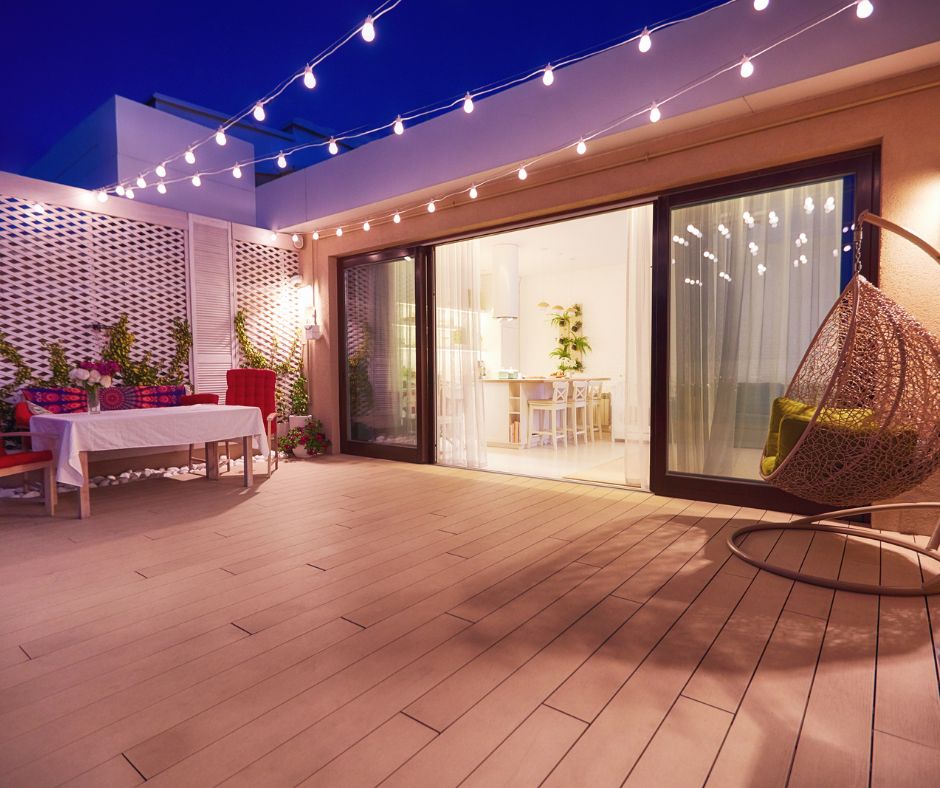
Imagine enjoying the comfort of your living room while basking in the beauty of your garden. This dream can become a reality with hybrid living spaces that seamlessly integrate indoor and outdoor living areas.
Now, more than ever, homeowners are recognizing the value of creating cohesive living environments that bridge the gap between inside and out.
We’ll explore what hybrid spaces are, why they’re becoming popular, and how you can transform your home to include one.
Introduction to Hybrid Living Spaces
A hybrid living space blends the best of both worlds by combining indoor comfort with outdoor beauty. These spaces are designed to provide a seamless transition between the interior of a home and its exterior, often using large windows, sliding doors, and natural materials.
The concept has gained popularity among homeowners, gardeners, and outdoor enthusiasts who want to maximize their living areas and create a harmonious connection with nature.
Hybrid spaces are not only aesthetically pleasing but also functional. They allow for greater flexibility in how you use your space, whether you’re hosting a garden party, enjoying a quiet morning coffee, or simply relaxing with a good book.
10 Tips For Creating Your Dream Outdoor Reading Nook
With the right design, a hybrid space can become the heart of your home, offering a unique and inviting atmosphere that you’ll love spending time in.
The Benefits of Integrating Indoor and Outdoor Living
Physical and Mental Health Benefits
One of the most significant advantages of hybrid spaces is their positive impact on physical and mental health.
Natural light, fresh air, and the presence of greenery have all been shown to reduce stress, improve mood, and boost overall well-being.
By creating a space that encourages you to spend more time outdoors, you can enjoy these benefits regularly.
Environmental Impact
Hybrid living spaces also offer environmental benefits. By incorporating natural elements into your home, you can reduce your reliance on artificial lighting and climate control, which can lead to lower energy consumption.
Additionally, using sustainable materials and designing with the environment in mind can help minimize your carbon footprint and promote a more eco-friendly lifestyle.
Cost Savings
Integrating indoor and outdoor living can also lead to cost savings. By optimizing your use of natural light and ventilation, you can reduce your energy bills.
Furthermore, a well designed hybrid space can increase the value of your home, making it a worthwhile investment for the future.
Design Inspirations for Hybrid Living Spaces
Seamless Transitions
To create a seamless transition between indoor and outdoor areas, consider using large sliding glass doors or folding walls that can be fully opened to connect the two spaces. This not only allows for easy access but also ensures that both areas feel like one cohesive unit.
Natural Materials
Using natural materials such as wood, stone, and plants can help create a harmonious connection between your indoor and outdoor spaces. These materials add warmth and texture to your design, making the space feel inviting and comfortable.
Flexible Furniture
Invest in flexible furniture that can be easily moved between indoor and outdoor areas. Items such as lightweight chairs, modular sofas, and weather-resistant tables can help you create a versatile and adaptable living space that meets your needs year-round.
DIY Tips for Creating Your Own Hybrid Space
Assess Your Space
Start by assessing your current outdoor area and identifying any potential obstacles, such as uneven terrain or limited space.
Consider how you want to use the space and what features are most important to you, such as seating, shade, or outdoor cooking facilities.
Plan Your Design
Once you have a clear idea of your goals, begin planning your design. Sketch out a layout that includes both indoor and outdoor elements, and think about how you can create a seamless transition between the two areas. Consider factors such as lighting, ventilation, and accessibility.
Implement Your Design
With your plan in hand, start implementing your design. Begin by making any necessary structural changes, such as installing sliding doors or leveling the ground.
Next, focus on adding elements that enhance the connection between indoor and outdoor spaces, such as natural materials, plants, and water features.
Finally, furnish your space with flexible, weather-resistant furniture that can be easily moved and rearranged as needed.
10 Creative Hybrid Living Space Ideas
Garden Room
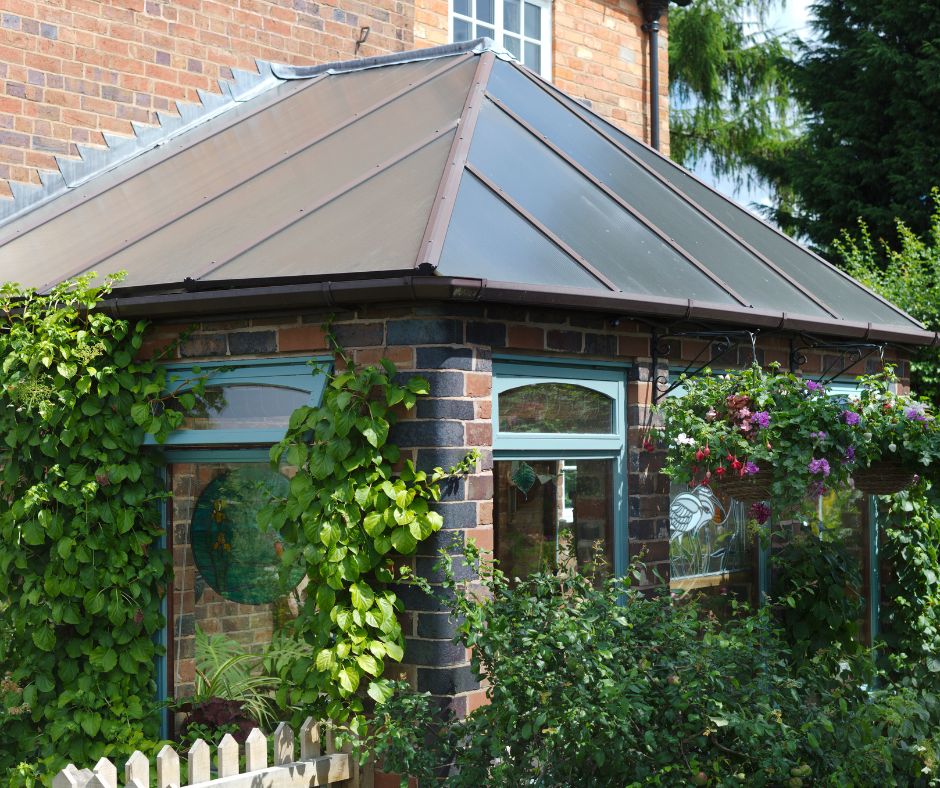
Create a dedicated garden room with large windows that provide views of your outdoor space while offering the comfort of indoor living.
This space can be used as a reading room, home office, or creative studio.
A garden room serves as a versatile sanctuary, providing numerous possibilities for its use. Here are some detailed ideas and options to consider when designing your garden room:
Home Office
With the rise of remote work, a garden room can serve as a peaceful office away from the distractions of the main house. Incorporate ergonomic furniture, ample storage, and a good broadband connection to create a productive workspace surrounded by nature.
Creative Studio
Whether you’re an artist, writer, or musician, a garden room can inspire creativity. Design the space with plenty of natural light, open shelving for materials, and comfortable seating for brainstorming sessions or artistic endeavors.
Relaxation Spot
Transform your garden room into a tranquil retreat where you can meditate, read, or practice yoga. Use calming colors, incorporate soft furnishings, and add elements like indoor plants or a small water feature to create a soothing atmosphere.
Entertainment Area
Create a stylish entertainment hub by equipping your garden room with a small kitchenette, a bar area, and comfortable seating for entertaining guests. Consider installing sound systems and screens for movie nights or gatherings.
Guest Accommodation
A garden room can also serve as a charming guest suite, offering visitors a private space to relax. Equip it with a cozy bed, an ensuite bathroom, and personal touches to ensure a welcoming stay.
Indoor Greenhouse
For plant lovers, designing a garden room as an indoor greenhouse can be an exciting project. Utilize large windows for natural light and shelves for potted plants, creating an environment where you can cultivate herbs, flowers, and succulents throughout the year.
Workout Area
Dedicate the garden room to fitness by installing equipment for yoga, pilates, or weight training. Large windows can provide natural light and an appealing view, motivating you to maintain an active lifestyle.
Additional Design Considerations
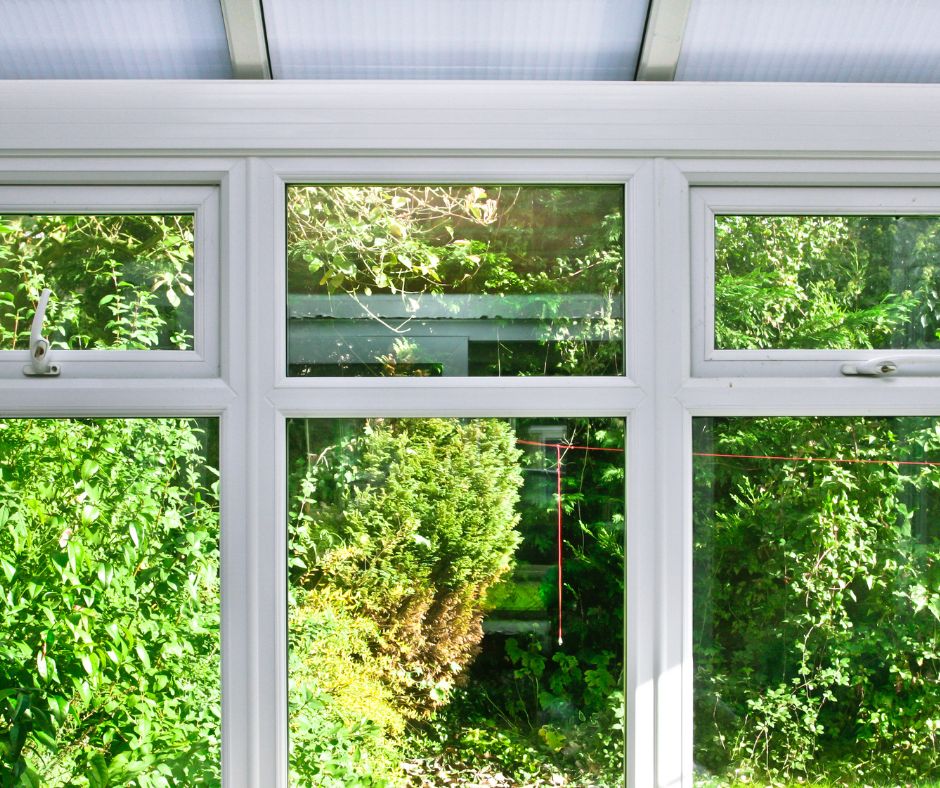
- Insulation and Temperature Control: Ensure the garden room is well-insulated, and consider adding heating or cooling options to make it comfortable year-round.
- Lighting: Incorporate both natural and artificial lighting options to enhance functionality. Skylights can provide additional light during the day, while soft pendant lighting can create a cozy evening atmosphere.
- Outdoor Integration: To enhance the connection with nature, consider adding a deck or patio area outside the garden room. This can serve as an extension of the indoor space, suitable for outdoor meals or relaxing in the sun.
By exploring these options, you can create a garden room that not only complements your hybrid space but also meets your lifestyle needs and personal style.
Outdoor Kitchen
Design an outdoor kitchen that seamlessly integrates with your indoor dining area, complete with a pass-through window for easy serving.
Designing an outdoor kitchen that seamlessly integrates with your indoor dining area can elevate your culinary experience while enhancing the overall functionality of your hybrid space.
Here are additional details and options to consider for your outdoor kitchen:
Appliances and Equipment:
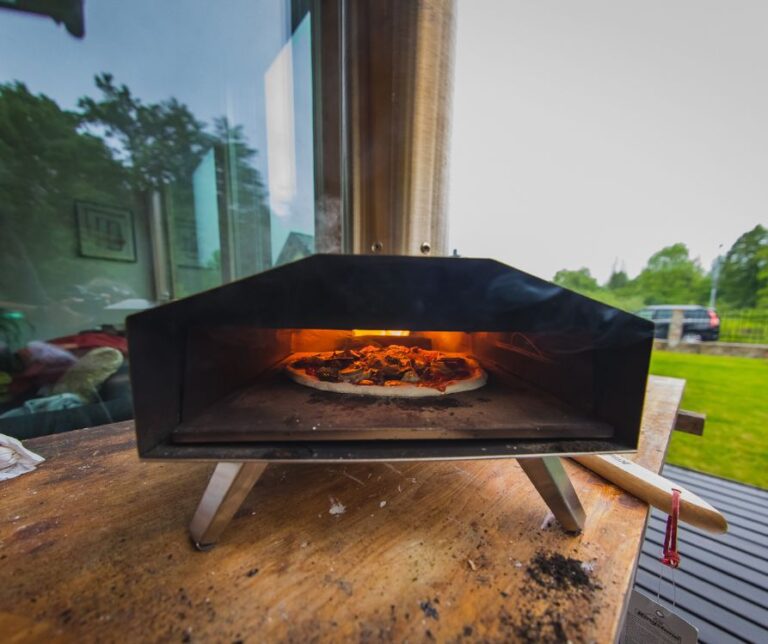
Invest in high-quality, weather-resistant appliances such as grills, smokers, or built-in pizza ovens. Incorporate a refrigerator and a sink for convenience, allowing you to prepare and serve food without needing to run inside.
Counter Space:
Ensure ample counter space for food preparation and serving. Consider including a spacious island that can also serve as a gathering spot for guests during meal prep or BBQs.
Storage Solutions:
Incorporate cabinets and drawers in your outdoor kitchen to store utensils, plates, and cooking equipment. Choose materials that can withstand the elements, such as stainless steel or treated wood.
Shelter and Shade:
Add a pergola or awning to provide shelter from the sun or rain, making it more comfortable to cook and dine outdoors regardless of weather conditions. This can also create a defined space for your kitchen area.
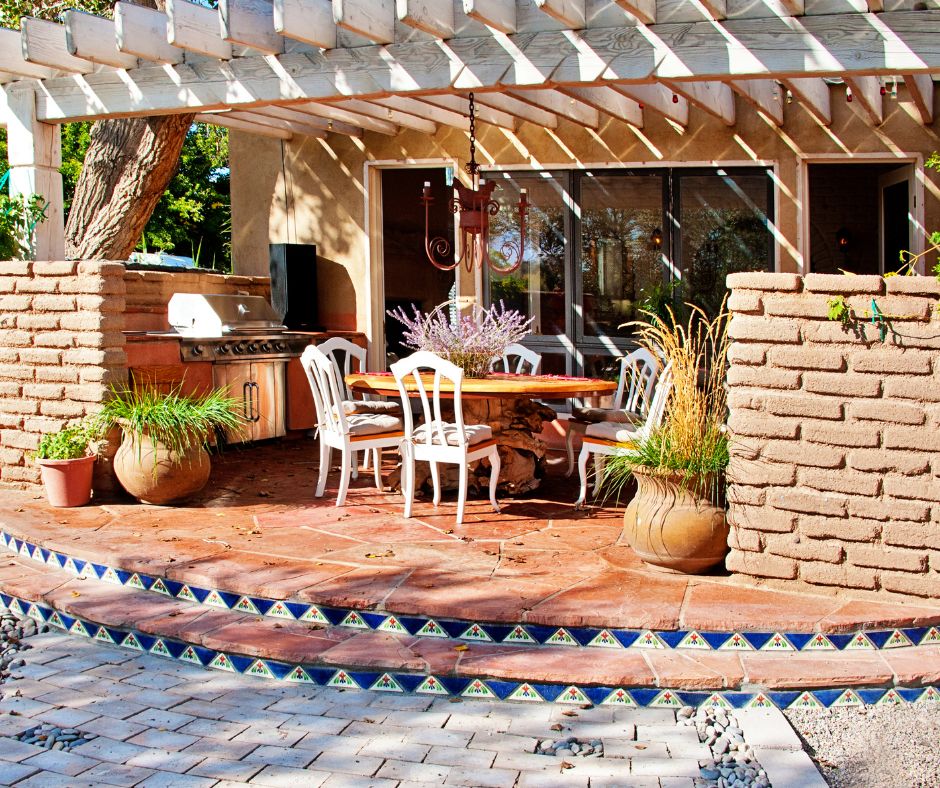
Seating Arrangements:
Include comfortable seating near the outdoor kitchen for family and guests to relax while food is being prepared. Options like bar stools at a counter or a nearby dining table can encourage social interaction.
Lighting:
Implement a combination of task lighting for cooking and ambient lighting for the dining area. Pendant lights over the cooking space and softer string lights can create a welcoming atmosphere for evening gatherings.
Flooring Options:
Choose durable, slip-resistant flooring materials that are suitable for outdoor conditions, such as natural stone, ceramic tiles, or treated wood decking. This not only enhances safety but also contributes to the overall aesthetic.
Fire Features:
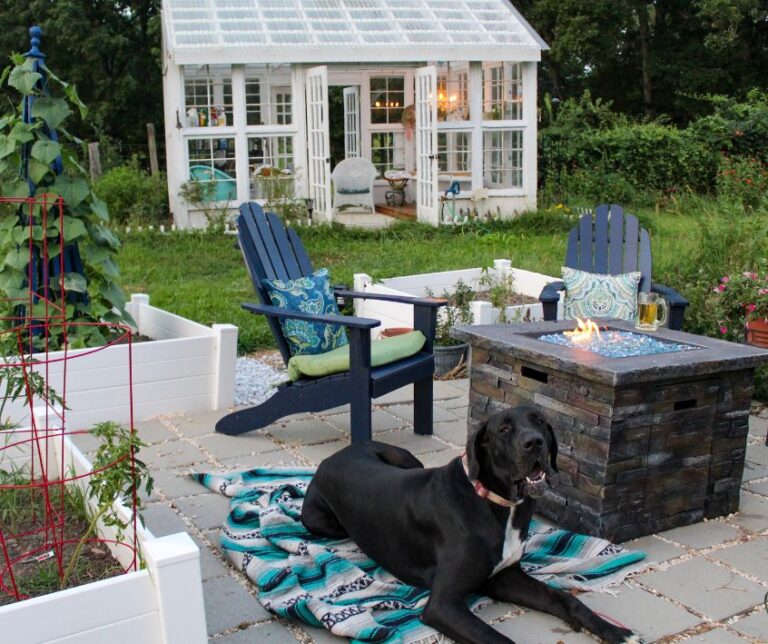
Consider incorporating a fire pit or outdoor fireplace into your kitchen area. This can enhance the ambiance while providing warmth during cooler evenings and a place for roasting marshmallows or enjoying cozy gatherings.
By incorporating these features into your outdoor kitchen design, you can create a functional and stylish space that encourages outdoor dining and entertaining, meshing beautifully with your indoor living areas.
Sunroom
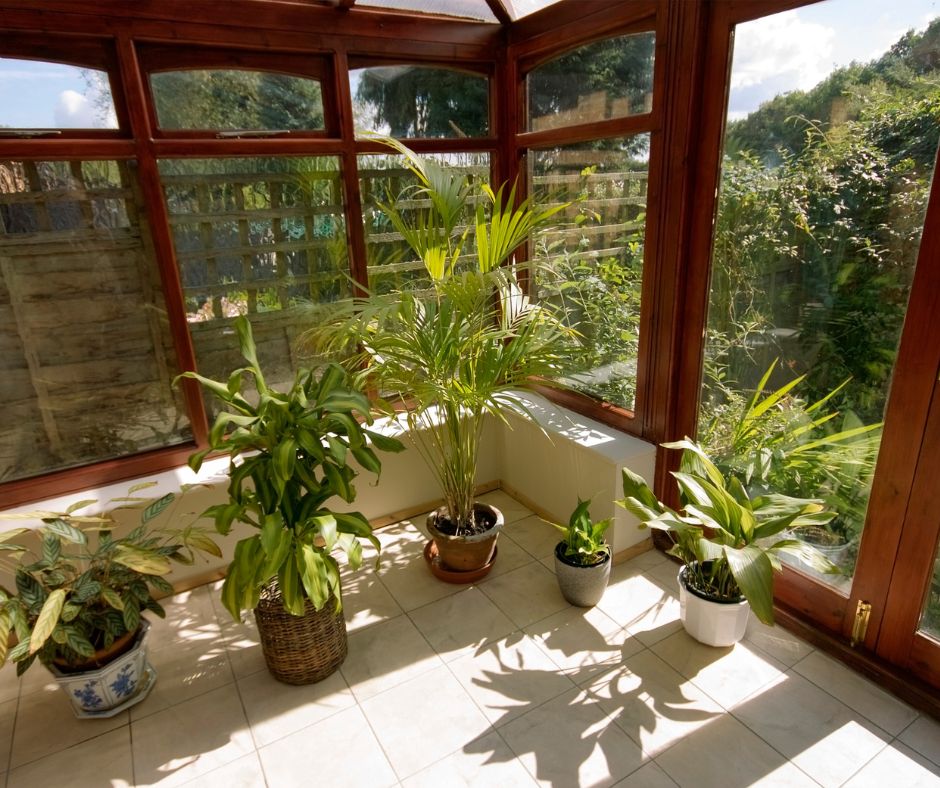
Build a sunroom with floor-to-ceiling glass where you can enjoy the sun’s warmth while being sheltered from the elements.
Build a sunroom with floor-to-ceiling glass where you can enjoy the sun’s warmth while being sheltered from the elements. Here are more details and options to consider when designing your sunroom:
Glass Types:
Choose energy-efficient double or triple-glazed glass to improve insulation and reduce heat loss. Consider tinted or low-E glass if you’re in a particularly sunny location, as these options can help regulate temperature and block harmful UV rays.
Furniture Selection:
Opt for comfortable, weather-resistant furniture that encourages relaxation, such as plush sofas, lounge chairs, or hammock chairs. Including a small table can help create a welcoming space for refreshments or games.
Heating and Cooling Options:
To ensure year-round comfort, consider installing ceiling fans for circulation in summer, as well as options for heating, such as electric wall heaters or a portable fireplace for colder months.
Decorative Elements:
Enhance the ambiance of your sunroom with decorative elements like throw pillows, area rugs, and artwork that reflect your personal style. Indoor plants can also add life to the space and contribute to a serene atmosphere.
Window Treatments:
Incorporate window coverings such as sheer curtains, blinds, or shades to control light and privacy options. These can help to mitigate glare and provide a level of shade during peak sun hours.
Ambiance and Feng Shui:
Integrate soft lighting options like wall sconces, table lamps, or string lights to create a cozy evening environment. Additionally, consider incorporating elements of Feng Shui, like water features or specific plant placements, to enhance the flow of energy in the room.
Seasonal Decorations:
Keep your sunroom feeling fresh and inviting by updating decorative elements and themes based on the season. This could include switching out throw pillows and blankets or adding seasonal plants and decorations.
By considering these details and options, you can create a sunroom that not only serves as a stunning focal point in your home but also becomes a beloved space for relaxation, socializing, and embracing the beauty of nature throughout the year.
12 California Homes Designed for Indoor-Outdoor Living
Deck with Planters
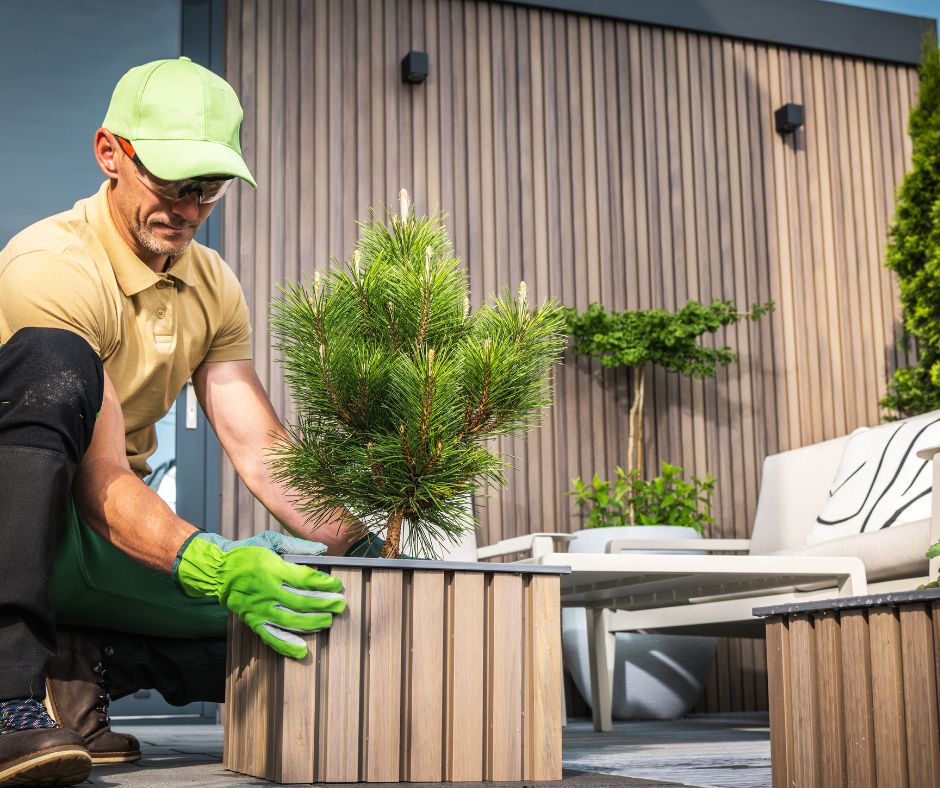
Incorporating raised planters into your deck design can significantly enhance the outdoor living experience while providing an avenue for gardening. Here are more details and options to consider:
Planter Materials:
Select durable materials such as composite wood, metal, or stone for your planters. Each offers unique aesthetics and weather resistance; for instance, composite materials require minimal maintenance and resist rot, while stone adds a touch of elegance.
Plant Selection:
Choose plants that thrive in your climate and suit your deck’s sunlight exposure. Consider a mix of perennials, annuals, and even herbs or vegetables for a variety of colors and textures. Incorporating taller plants can create natural privacy screens, enhancing the intimacy of your outdoor space.
Irrigation Systems:
Implement a drip irrigation system or self-watering planters to ensure your plants remain hydrated without requiring constant maintenance. This is especially helpful for busy homeowners who still want to enjoy a thriving garden.
Lighting Options:
Enhance the beauty of your planters by integrating LED lights or solar-powered garden lights. These can illuminate the plants at night, creating an enchanting atmosphere for evening gatherings.
Vertical Planters:
If space is limited, consider vertical planters or wall-mounted options. These styles not only save space but also offer a unique visual element, allowing you to create a stunning vertical garden filled with vibrant plants.
Seasonal Displays:
Rotate plants based on the seasons to keep your deck vibrant throughout the year. For example, colorful spring blooms can transition to lush summer foliage, while autumn can introduce ornamental grasses, and winter can focus on evergreen plants.
Decorative Accents:
Personalize your space by adding decorative accents such as trellises, garden statues, or decorative stones around the planters. This can enhance the overall aesthetics and provide focal points within your outdoor environment.
By integrating these features into your deck with planters, you can create a lush, dynamic outdoor space that fosters relaxation, enjoyment, and a connection to nature.
Rooftop Terrace

Transform your rooftop into a terrace garden that combines seating, planters, and possibly a fire pit for cozy evenings. Here are more details and options to consider when designing your rooftop terrace:
Seating Arrangements:
Choose comfortable outdoor furniture, such as modular sectional sofas, lounge chairs, or even a swing chair that offers a fun and relaxing experience. Incorporate cushions and throw blankets for added comfort and style.
Planter Variety:
Utilize large planters for trees or shrubs that provide shade and a sense of privacy alongside smaller ones filled with seasonal flowers or herbs. Vertical gardening systems can also maximize space while adding greenery.
Fire Pit Options:
Opt for a portable fire pit or a built-in version to create a focal gathering point. It can be fueled by wood, gas, or propane, offering warmth and ambiance for evening gatherings.
Shade Solutions:
Install a retractable awning, pergola, or umbrella to provide shade during the hottest parts of the day. Consider incorporating climbing plants like wisteria or grapes around the structure for added natural shade and aesthetics.
Lighting Enhancements:
Integrate various lighting options like string lights, lanterns, or built-in LED lights along pathways or within planters to create a warm and inviting atmosphere in the evenings.
Water Feature:
Introduce a small fountain or water feature to add a soothing sound and create a serene ambiance. This can also attract birds and enhance the natural environment on your rooftop.
Decorative Elements:
Personalize your rooftop terrace with decorative items like outdoor artwork, sculptures, or themed decor that reflects your personality. Incorporating a bar cart or outdoor kitchen can make hosting guests seamless.
Seasonal Use:
Plan for seasonal adaptations, such as installing heating elements for cooler weather or using shade sails in the summer to ensure the terrace is enjoyable year-round.
By considering these features and options, you can create a rooftop terrace that serves as an inviting outdoor haven, perfect for relaxing, entertaining, and enjoying splendid views of the surroundings.
Patio with Bi-fold Doors
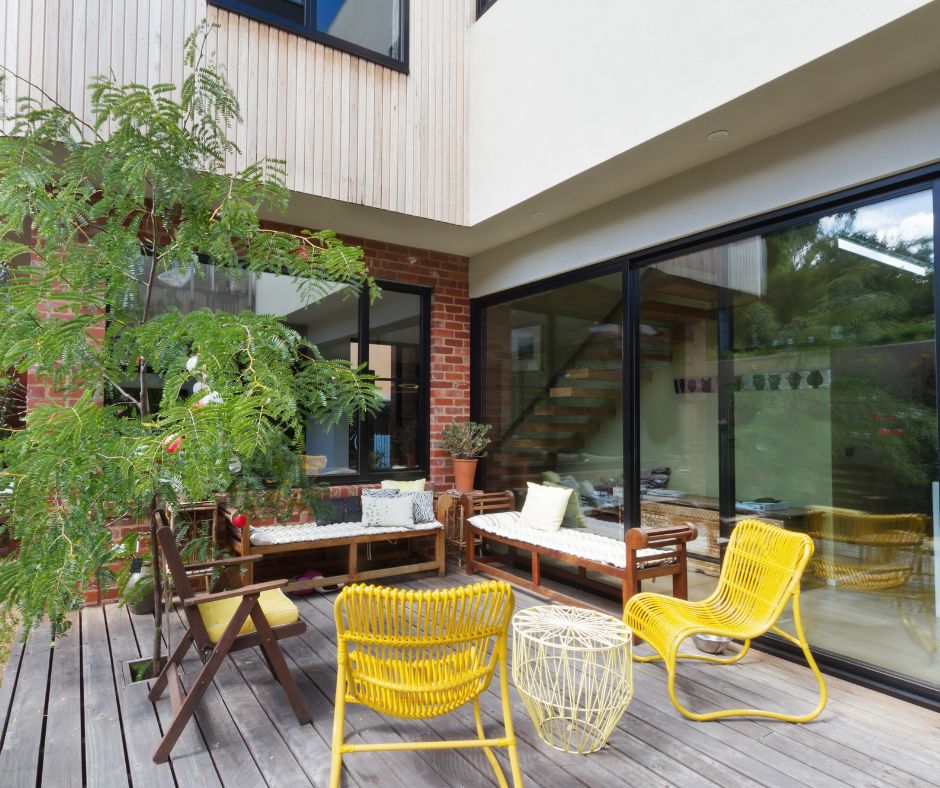
Install bi-fold doors that open up your living room to an adjoining patio, creating a spacious area for entertaining. Here are more details and options to consider:
Bi-fold Door Designs:
Choose from different materials such as aluminum, timber, or uPVC to complement the aesthetic of your home. Each material offers unique benefits in terms of thermal efficiency, durability, and ease of maintenance.
Flooring Options:
Consider seamless flooring materials that extend from indoors to outdoors, such as porcelain tiles, natural stone, or composite decking. This creates a visually cohesive space while being sturdy enough to withstand outdoor elements.
Outdoor Furniture:
Invest in high-quality, weather-resistant outdoor furniture, such as dining sets, lounge chairs, and side tables. Opt for cushions made from water-repellent fabrics to ensure comfort and durability.
Heating Elements:
To enhance comfort during cooler months, incorporate outdoor heaters, fire pits, or even patio warmth lamps. These options allow for year-round enjoyment of the patio space.
Shade Solutions:
Implement shading options like retractable awnings, pergolas, or large umbrellas for effective sun protection. Consider adding climbing plants or drapery to soften the look while providing natural shade.
Decorative Accessories:
Personalize your patio with decorative elements, including outdoor rugs, artistic planters, or themed table settings. Colorful cushions and throws can also add pops of color and comfort.
Lighting Variety:
Layer outdoor lighting using LED fixtures, wall sconces, or string lights to create ambiance. Solar-powered garden lights can illuminate pathways, while lanterns can enhance table settings.
Outdoor Kitchen Options:
Consider integrating an outdoor kitchen area complete with a grill, sink, and counter space for food preparation. This addition is ideal for seamless dining and entertaining.
By taking these features into account, a patio with bi-fold doors can transform into a versatile and inviting entertainment space, effectively merging indoor and outdoor living while adding value and enjoyment to your home.
More inspiration from Luxe: 20 Indoor-Outdoor Living Spaces That Let The Sun Shine In
Indoor Garden Wall
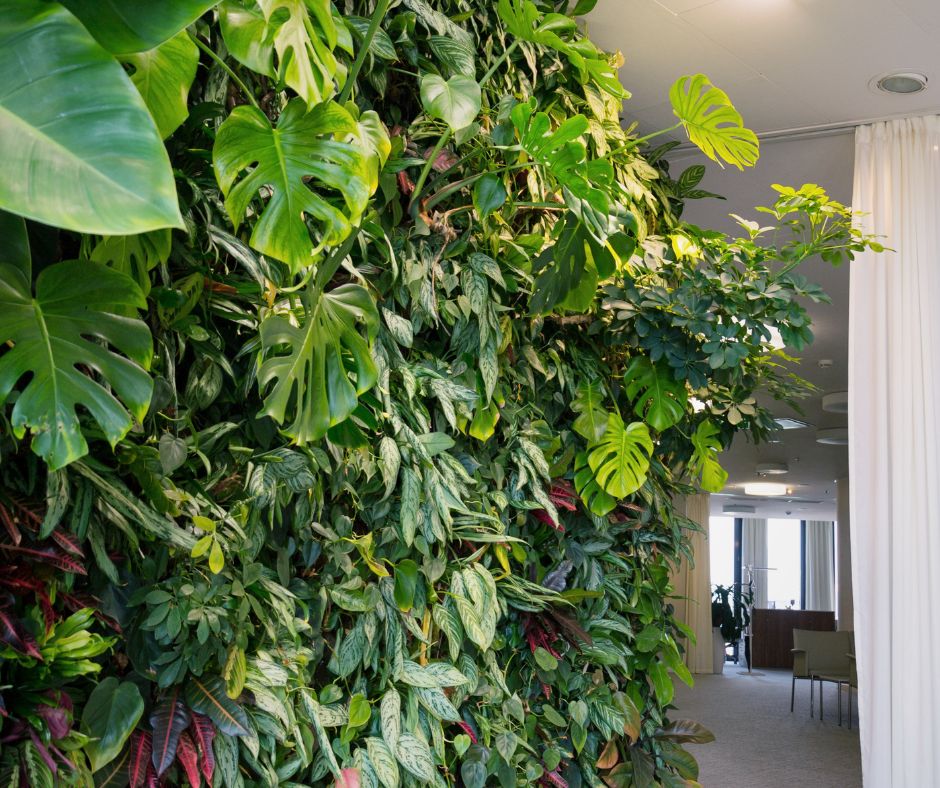
Create an indoor vertical garden that brings the beauty of the outdoors inside and improves air quality. Here are some details and options to consider when designing your indoor garden wall:
Plant Selection:
Choose a variety of plants that thrive in indoor conditions, such as ferns, succulents, or herbs. Opt for low-maintenance species if you’re new to indoor gardening, or mix different textures and colors for a more vibrant display.
Supporting Structures:
Utilize wall-mounted planters, grids, or modular planting systems to create a sturdy framework for your plants. These structures should allow for adequate drainage and aeration while complementing your interior decor.
Watering System:
Consider incorporating an automatic irrigation system or self-watering planters to simplify maintenance. Drip irrigation or a simple reservoir can ensure plants receive consistent moisture without requiring daily attention.
Lighting Requirements:
Position your vertical garden in a location that receives sufficient natural light. If natural light is limited, opt for grow lights that mimic sunlight, promoting healthy plant growth and allowing you to enjoy a lush garden year-round.
Wall Material:
Select materials that can support your garden wall without degrading. For instance, treated wood, stone, or specially designed fabric panels can provide a foundation that is both aesthetically pleasing and functional.
Maintenance Access:
Design your garden wall with accessibility in mind to facilitate easy maintenance, including watering, pruning, and replacing plants as necessary. Ensure that the structure allows for easy reach and visibility without obstructing other elements of your space.
Decorative Enhancements:
Personalise the garden wall with decorative accents such as mirrors, artwork, or decorative frames. These additions can enhance the visual appeal of the garden while reflecting light and creating a more expansive feel in the room.
Seasonal Adaptations:
Incorporate seasonal plants or decorations to keep your indoor garden interesting throughout the year. Changing the plant varieties according to the season can refresh the space and maintain an engaging atmosphere.
By considering these factors, your indoor garden wall can become a striking feature in your home that not only beautifies your space but also provides psychological and environmental benefits, contributing to a healthier living environment.
Flexible Work Space
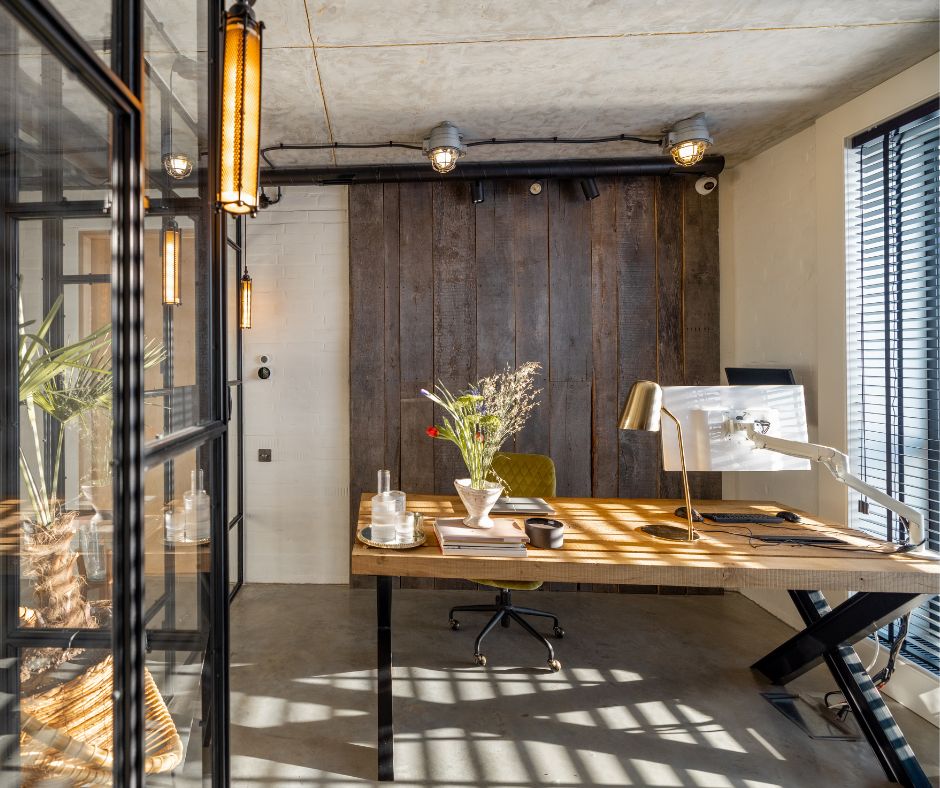
Design a home office that opens out to a balcony or terrace, allowing for fresh air and natural light while you work. Here are more details and options to consider:
Desk Placement:
Position your desk near the bi-fold doors or large windows to maximize natural light. Consider a corner desk for efficient use of space while keeping the work area separate from the rest of the room.
Ergonomic Furniture:
Invest in an ergonomic chair to support long hours of work, and consider a sit-stand desk to allow for adjustments throughout the day. This can help reduce the risk of physical strain and promote better posture.
Soundproofing Solutions:
Minimise noise distractions by incorporating sound-absorbing panels or acoustic curtains, especially if your office overlooks a busy area. This can create a more focused working environment.
Storage Options:
Use wall mounted shelves or built in cabinets to keep the office organized and clutter free. Opt for stylish storage solutions that complement the aesthetics of your workspace while offering easy access to supplies.
Aesthetic Personalization:
Decorate your office with inspiring artwork, plants, or motivational quotes to create an inviting atmosphere. Adding personal touches can help improve mood and increase productivity.
Tech Integration:
Ensure that your workspace is equipped with the necessary technology, including high speed internet, multiple power outlets, and cable management solutions for a tidy appearance.
Balcony Features:
Enhance the balcony or terrace with comfortable seating, such as outdoor lounge chairs or a small table. This creates a break area where you can step outside for fresh air and a change of scenery.
Green Elements:
Incorporate potted plants on your balcony or workplace to improve air quality and create a calming environment. Consider using window boxes or vertical planters to maximize your green space.
By integrating these features, your flexible workspace can become an effective and rejuvenating environment, promoting creativity and productivity while blurring the lines between work and leisure.
Play Area with Outdoor Access
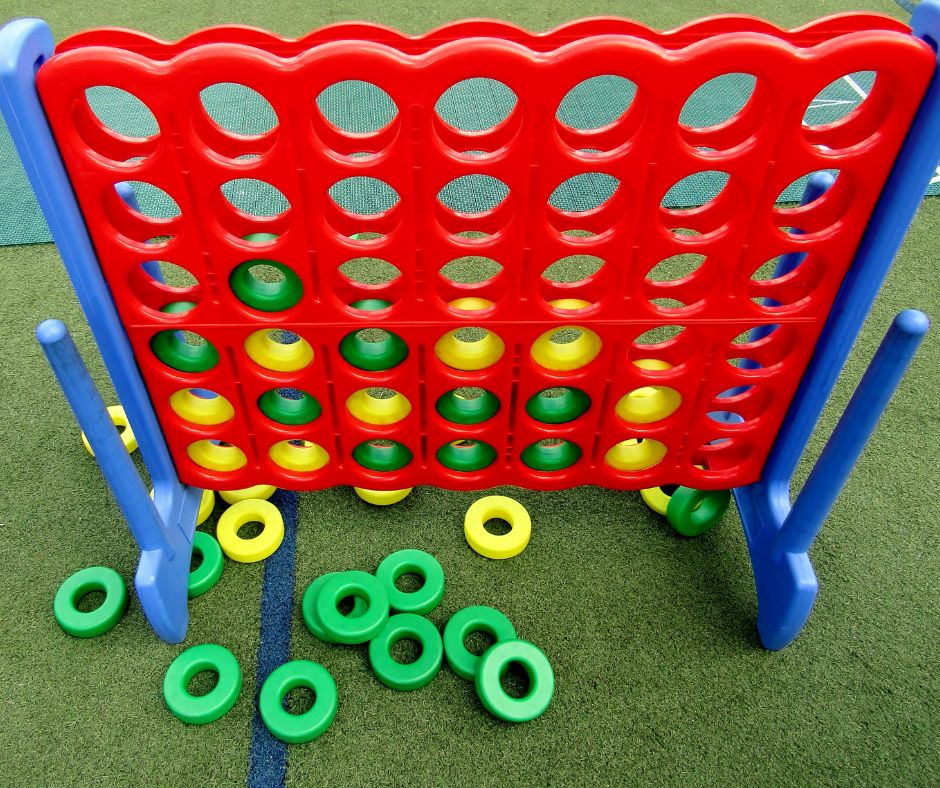
Creating a children’s playroom that seamlessly connects to an outdoor play area fosters an environment that encourages physical activity, creativity, and social interaction. Here are additional details and options to consider when designing this multifunctional space:
Open Layout:
Design the playroom with an open layout that leads directly to the outdoor area. Consider using large sliding or bi-fold doors that open fully to create an unobstructed transition between indoor and outdoor play.
Safety Measures:
Ensure the outdoor play area is safe by using soft surfaces such as rubber mulch, grass, or playground mats to cushion any falls. Additionally, check that play equipment is age-appropriate and installed correctly to prevent injuries.
Themed Zones:
Divide the indoor play area into themed zones for different activities—such as a reading nook, arts and crafts corner, and a block-building station. This can keep children engaged and stimulated in various ways.
Outdoor Features:
Incorporate engaging outdoor elements such as swings, slides, climbing structures, or a sandbox that encourages imaginative play. Use natural features like trees or bushes to create a semi-enclosed play space that adds a sense of adventure.
Weather Considerations:
Design the outdoor area with weather protection in mind. Pergolas, awnings, or large shade sails can provide shelter from the sun or rain, allowing play to continue regardless of the weather.
Interactive Play Surfaces:
Use textured surfaces, like bumpy paths or sensory gardens, to stimulate children’s senses and encourage exploration. Flowing pathways can lead them from the indoor space to various outdoor activities.
Storage Solutions:
Incorporate built-in storage both indoors and outdoors, using containers that blend with the overall design. This ensures toys and equipment are organized and easily accessible, encouraging children to help clean up after play.
Educational Elements:
Integrate educational features in the play area, such as chalkboards, water activity stations, or garden beds for planting flowers or vegetables. This promotes learning through play and instills a sense of responsibility for nature.
Interactive Elements:
Install elements like a small outdoor performance stage or an area for arts and crafts that allows for group activities. This encourages children to engage socially and develop teamwork skills.
Comfort Zones:
Create comfortable lounging spots with inflatable cushions, outdoor bean bags, or hammocks where children can relax after play. These areas can also serve as quiet spaces for reading or calm activities.
By thoughtfully integrating these features, the play area can become an enriching environment that nurtures children’s development while providing endless opportunities for fun and exploration.
Swimming Pool Area
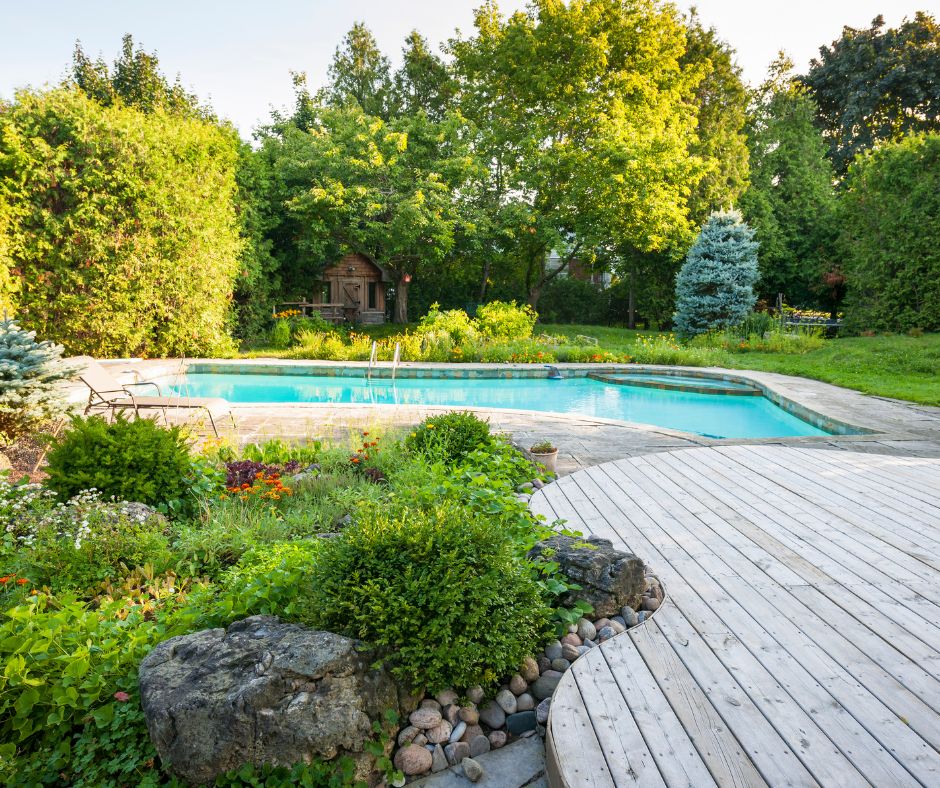
Creating a harmonious swimming pool area that extends into a lounge environment offers a perfect blend of relaxation and recreation.
Here are additional details and options to consider when designing this refreshing space:
Decking Materials:
Choose slip-resistant materials for the pool deck to ensure safety around water, such as textured pavers, composite decking, or natural stone. These materials should be both functional and visually appealing, complementing the overall design of the area.
Lounge Seating:
Incorporate varied seating options, such as sun loungers, chaise lounges, and sectional sofas, to provide comfortable spaces for relaxing. Opt for weather-resistant fabrics and materials that can withstand the elements, ensuring durability.
Shaded Areas:
Install retractable awnings, umbrellas, or a pergola to provide shaded areas near the pool. This allows for comfortable lounging during hot days and protects guests from harsh sunlight while enjoying the space.
Outdoor Kitchen or Bar:
Consider adding an outdoor kitchen or bar adjacent to the pool area to facilitate easy dining and drinks. Equip it with a grill, refrigerator, bar seating, and a sink to create a convenient space for entertaining guests.
Water Features:
Enhance the pool’s aesthetics and atmosphere with additional water features, such as fountains, waterfalls, or a beach entry. These features can add both visual appeal and soothing sounds of flowing water.
Lighting Solutions:
Use ambient lighting, such as LED strip lights along the pool edges, underwater lights, or lanterns, to create a magical atmosphere during evening use. This not only increases safety but also enhances the visual appeal of the space.
Landscaping Elements:
Incorporate lush landscaping with native plants, shrubs, and even palm trees to create a tropical oasis around the pool area. Use stone planters or raised garden beds to add visual interest and complement the pool design.
Fire Pit or Fireplace:
Add a fire pit or outdoor fireplace nearby to create a cozy gathering spot for cool evenings. Incorporate comfortable seating around the fire feature, allowing for an inviting atmosphere for relaxation or socialization.
Stocked Poolside Cabanas:
Consider including poolside cabanas that provide shaded retreats with plush seating, mini fridges for refreshments, and curtains for added privacy. These spaces can offer guests a comfortable place to unwind.
Games and Activities:
Incorporate fun activities, such as a shuffleboard court, ping pong table, or poolside bean bag toss, to engage guests and encourage playful interactions in the area.
By thoughtfully adding these features and options, the pool area can transform into a luxurious retreat that promotes relaxation, social interactions, and leisure activities, enhancing the overall enjoyment of the space.
Future Trends in Hybrid Living
Technological Advancements
Technology is continually shaping the future of hybrid living. Innovations such as smart home systems, energy-efficient materials, and advanced climate control solutions are making it easier than ever to create comfortable and sustainable hybrid spaces.
Sustainable Design
Sustainability is a growing trend in hybrid living, with more homeowners seeking eco-friendly solutions for their homes. From solar panels to rainwater harvesting systems, there are numerous ways to design a hybrid space that minimizes environmental impact.
Multifunctional Spaces
As hybrid spaces continue to evolve, the focus is shifting towards creating multifunctional areas that can adapt to various needs and activities. Whether it’s a garden office, an outdoor kitchen, or a play area for children, the possibilities are endless.
Final Thoughts
Integrating indoor and outdoor living can transform your home, offering a unique and inviting space that enhances your lifestyle.
By understanding the benefits, exploring design inspirations, and following practical DIY tips, you can create a hybrid space that suits your needs and preferences. Whether you’re a homeowner, gardener, or outdoor enthusiast, the potential of hybrid spaces is limitless.
If you’re ready to start your own hybrid space project, consider reaching out to a professional designer or landscape architect for additional guidance and support.
They can help you bring your vision to life and ensure that your hybrid space is both functional and beautiful.
Visit the Garden Resources page for supplies and inspiration. Don’t forget to subscribe to the Calendula’s Garden Newsletter for more gardening tips.
Calendula’s Garden is reader supported. When you buy through links on our site, we may earn an affiliate commission. As an Amazon Associate, I earn from qualifying purchases. For more information, view our Disclaimer page. Thank you!