Designing an Aromatic Herb Garden with Geraniums
Calendula's Garden is reader suported This post may contain affiliate links, more on our Disclaimer page. Thank you!

Geraniums, with their vibrant blooms and aromatic foliage, have been a garden favorite for centuries. These versatile plants come in many types, from the classic zonal geraniums to the trailing ivy-leafed varieties. Geraniums are some of my favorite plants to grow in containers.
The first time I touched geranium leaves, I was shocked by how fragrant and heavenly the scent was. Now, I always keep a few growing in our seating areas. In this guide, we’ll explore how to grow geraniums in the garden and containers, discover their companion planting benefits, and uncover the potential health benefits of these beloved plants.
Where to find seeds, plants, and supplies:
Growing Geraniums in the Garden

To ensure your geraniums thrive in the garden, start by selecting a location with well-draining soil and full sun to partial shade exposure. Before planting, amend the soil with organic matter, such as compost or well-rotted manure, to improve fertility and structure.
Plant your geraniums at the same depth they were in their nursery pots, spacing them about 12 to 18 inches apart to allow for proper air circulation.
Cultivating Moments of Awe in the Garden: How to Turn Your Backyard into an Inspiring Sanctuary
Water your geraniums deeply and regularly, especially during dry spells, but avoid overwatering as this can lead to root rot. Fertilize your plants every 4 to 6 weeks with a balanced, water-soluble fertilizer to promote healthy growth and abundant blooms.
To maintain a bushy and compact shape, pinch back the tips of new growth and remove any dead or yellowing leaves.
Growing Geraniums in Containers
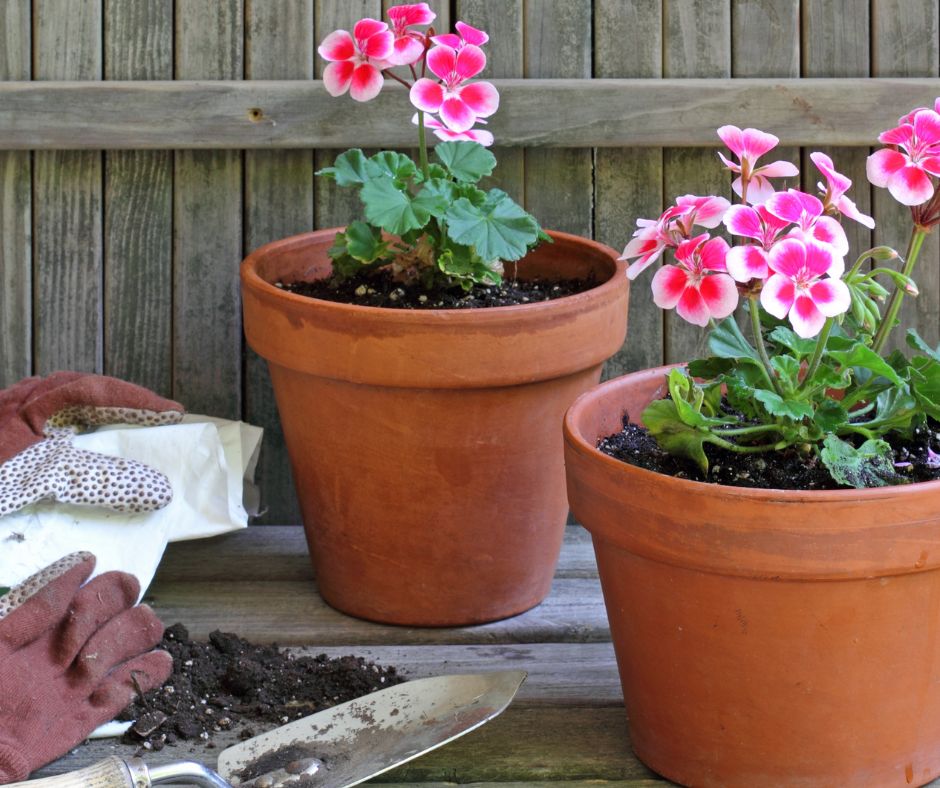
Geraniums are excellent candidates for container gardening, providing a burst of color on patios, balconies, or indoor spaces. Choose a container with adequate drainage holes and fill it with a high-quality, well-draining potting mix. Ensure the pot is proportionate to the size of your geranium, allowing room for growth.
Water your potted geraniums when the top inch of soil feels dry to the touch, and be sure to empty any collected water from the saucer beneath the pot. Feed your container geraniums every 2 to 4 weeks with a balanced, water-soluble fertilizer, following the manufacturer’s instructions.
Bohemian Bliss: Creating a Boho Reading Nook
If your geraniums outgrow their container, repot them into a larger one with fresh potting mix. In colder climates, bring your potted geraniums indoors before the first frost and place them in a bright, cool location for overwintering.
Companion Planting with Geraniums
Companion planting is the practice of growing specific plants together to enhance growth, deter pests, or improve overall plant health. Geraniums make excellent companion plants for a variety of herbs and vegetables.
For example, planting geraniums alongside roses can help repel Japanese beetles and other pests. Geraniums also pair well with herbs like basil, thyme, and rosemary, as they share similar growing requirements and can enhance each other’s growth.
25 Mosquito Repellent Plants for a Bug-Free Haven
When companion planting, consider the visual appeal of the combinations as well. Geraniums’ vibrant blooms can beautifully complement the foliage of herbs and vegetables, creating an attractive and functional garden display.
Using Geraniums in the Kitchen and Home
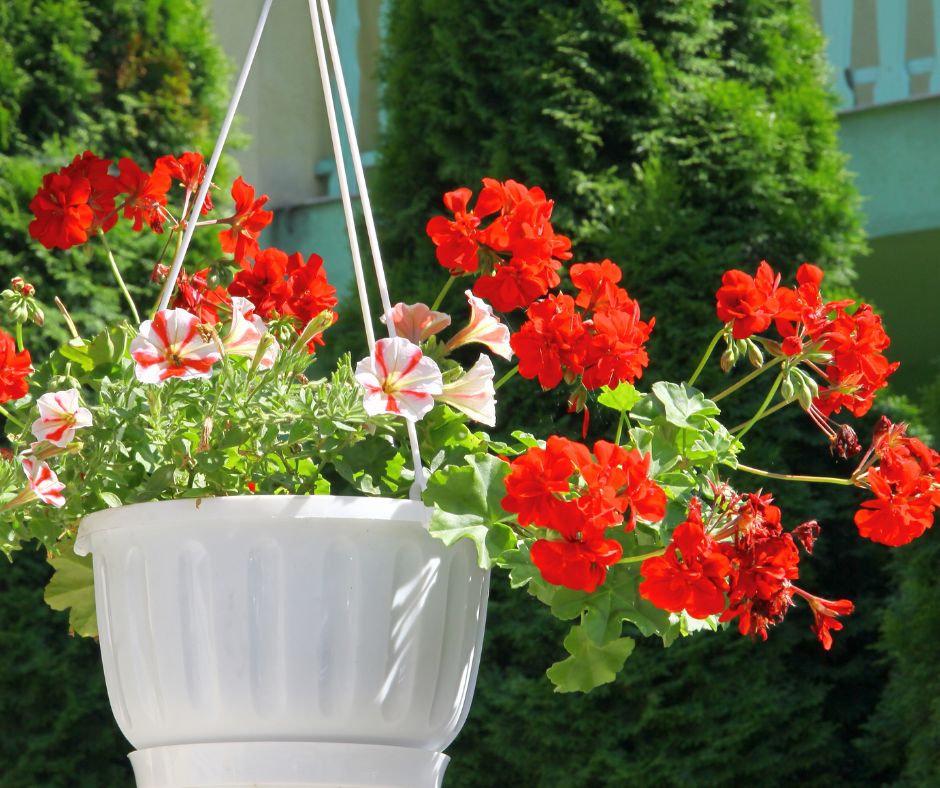
Geraniums aren’t just garden beauties; they also have practical uses in the kitchen and around the home. Many people are surprised to learn that some geraniums, specifically the scented varieties, can be used to add unique flavors to a range of culinary dishes.
The leaves of scented geraniums, such as rose, lemon, and mint-scented varieties, can be used to infuse pastries, jellies, and beverages with their distinctive aromas and flavors. Simply add fresh leaves to a hot liquid to release their oils, then strain them out before using the liquid in your recipe.
In addition to their culinary uses, geraniums can serve as natural air fresheners. The aromatic foliage of scented geraniums releases a pleasant fragrance that can freshen up any room.
You can place potted geraniums near windowsills, in kitchens, or living areas to enjoy their aroma. Another option is to dry the leaves and use them in potpourri or sachets, which can be placed in drawers, closets, or vehicles to keep these areas smelling fresh.
Geranium essential oil, extracted from the leaves and flowers, has a variety of home applications. It can be added to homemade cleaning products for its antiseptic properties and delightful scent. Additionally, a few drops of geranium oil in a diffuser can help purify the air, deter mosquitos, and create a calming atmosphere in your home.
Read more about which essential oils deter biting bugs here: Repellent efficacy of 20 essential oils on Aedes aegypti mosquitoes and Ixodes scapularis ticks in contact-repellency assays.
By utilizing geraniums in the kitchen and around the home, you can enjoy their decorative appeal, pleasant aromas, and practical benefits, making them a versatile addition to any household.
Health Benefits of Geraniums
Beyond their aesthetic value, geraniums offer potential health benefits. Geranium essential oil, derived from the plant’s leaves, is often used in aromatherapy to promote relaxation, alleviate stress, and improve mood. The oil’s pleasant, floral aroma is believed to have a calming effect on the mind and body.
Secluded Serenity: Privacy Tips for Gazebos
Having geraniums in your living environment may also contribute to overall wellness. Studies suggest that indoor plants can improve air quality by absorbing toxins, increasing humidity, and boosting oxygen levels.
Additionally, the presence of plants has been linked to reduced stress levels, increased productivity, and enhanced mental well-being.
Growing geraniums is a rewarding endeavor that can bring beauty, fragrance, and potential health benefits to your garden or living space. By following the tips outlined in this guide, you can successfully cultivate geraniums in both garden beds and containers.
Experiment with companion planting to create a thriving, diverse garden ecosystem, and enjoy the aromatherapy benefits of geranium essential oil for a holistic gardening experience.
Visit the Garden Resources page for supplies and inspiration. Don’t forget to subscribe to the Calendula’s Garden Newsletter for more gardening tips.
Calendula’s Garden is reader supported. When you buy through links on our site, we may earn an affiliate commission. As an Amazon Associate, I earn from qualifying purchases. For more information, view our Disclaimer page. Thank you!