Curry Leaf Trees Health Benefits, and Growing Tips
Calendula's Garden is reader suported This post may contain affiliate links, more on our Disclaimer page. Thank you!
Are you familiar with the aromatic joy of curry tree leaves? We have been pleasantly surprised by how fast and easily these trees grow in our backyard. The lovely evergreen leaves are a staple in Indian cuisine, adding a burst of flavor to dishes and a pinch of nostalgia for many homes.
But curry leaf trees (Murraya koenigii) are so much more than a kitchen essential. They have a fascinating history, incredible health benefits, and can thrive in hot, full sun backyards.
If you’re curious about this versatile plant, you’re in the right place. We dive into the natural history of curry leaf trees, their nutritional and medicinal magic, and a few tips for growing your own.
By the end, you’ll be ready to bring home some greenery, whether for your garden or your dinner table.
Introduction to Curry Leaf Tree Origins and Significance
Curry leaf trees, also known as “sweet neem” or kari patta in Hindi, hail from the Indian subcontinent, where they’ve been cultivated for centuries.
Their small, fragrant leaves are valued not only for their culinary uses but also for their cultural and spiritual importance.
Across India and Southeast Asia, curry leaf trees are often planted in homes and temples, symbolizing prosperity and good fortune.
Are you a lover of South Indian sambar or a spicy Thai curry? Chances are, you’ve already savored their essence without even realizing it!
But their charm doesn’t end with flavor. The curry leaf tree is also a gardener’s delight and a powerhouse of health benefits. Let’s explore its story further.
Natural History Botanical Details and Regional Variations
Appearance and Growth
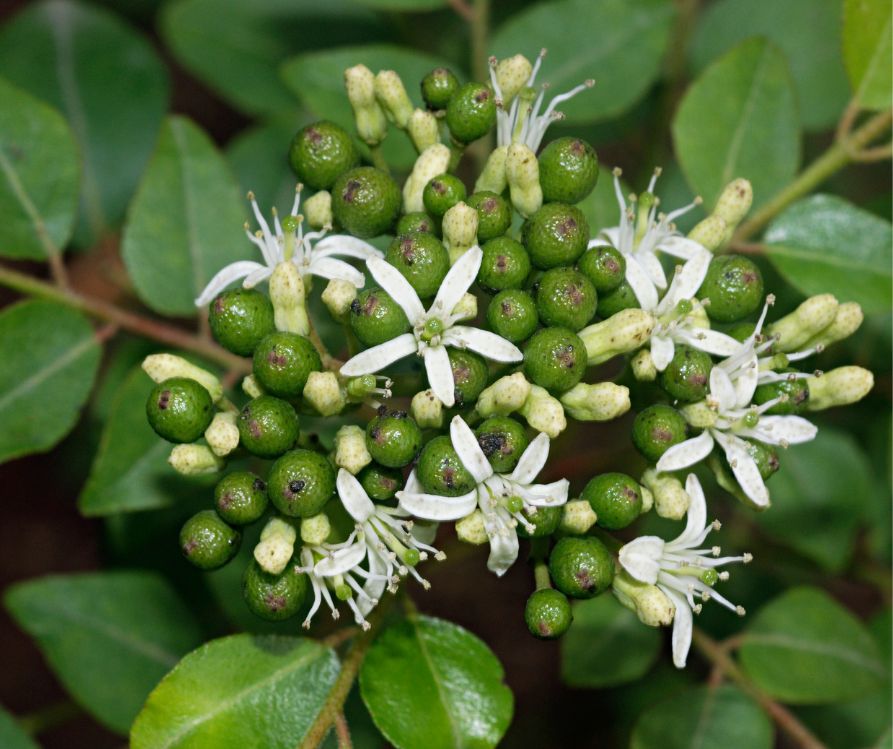
Curry leaf trees are fast growing small to medium-sized trees, reaching up to 15–20 feet when mature. Their slender branches are adorned with clusters of compound leaves, each containing 11–21 shiny leaflets.
When in bloom, the tree produces delicate white flowers and tiny berries that turn black as they ripen. Both the flowers and berries are mildly fragrant, but it’s the leaves that steal the show.
Native Habitat
The tree (Murraya koenigii) is native to India, Sri Lanka, and Bangladesh, thriving in warm, humid regions.
It prefers sunny spots and fertile, well-draining soil, which is why you’ll often find curry leaf trees thriving outdoors in USDA hardiness zones 9-12.
Regional Varieties
Interestingly, there are several variations of curry leaf trees, including dwarf and gamthi types.
While the standard variety grows tall and fast, the gamthi tree (native to Gujarat) produces smaller, thicker leaves with a stronger aroma.
The dwarf variety, as the name suggests, remains compact, making it perfect for small gardens or indoor pots.
The versatility of this tree makes it beloved by farmers, cooks, and gardeners alike!
Health Benefits of Curry Leaves: Nutritional Value and Medicinal Properties
Curry leaves are nutritional powerhouses. Packed with vitamins, minerals, and antioxidants, they are celebrated in traditional medicine for their wide-ranging benefits.
Key Nutrients
- Vitamins: Curry leaves are rich in vitamins A, B, C, and E, which support immunity, skin health, and vision.
- Minerals: They provide essential minerals like calcium, phosphorus, iron, and potassium, all vital for maintaining healthy bones and bodily functions.
- Antioxidants: Powerful compounds like alkaloids and flavonoids help combat oxidative stress, reducing the risk of chronic diseases.
Medicinal Properties
Ayurveda, India’s ancient system of medicine, has long recognized the therapeutic properties of curry leaves. Here’s how they can benefit your health:
- Digestive Aid: Chewing fresh curry leaves can help soothe indigestion and support gut health.
- Diabetes Management: Studies suggest that compounds in curry leaves lower blood sugar levels and improve insulin sensitivity.
- Hair Health: Curry leaf oil is a natural remedy for hair thinning, premature graying, and dandruff.
- Heart Health: The leaves are known to lower cholesterol levels and protect against heart disease.
Interesting, isn’t it? A handful of these little greens could make a big difference to your overall well-being.
Growing Your Own Curry Leaf Tree: A Step-by-Step Guide
Now that you’re convinced of the curry leaf tree’s merits, why not grow one yourself? Here’s a foolproof guide to cultivating your very own curry leaf tree, whether in a garden or a sunny windowsill.
Step 1: Choose Your Plant
You can start with seeds, saplings, or even cuttings from an established tree. While seeds may require patience, saplings and cuttings are quicker options for beginners.
Step 2: Pick the Right Spot
Curry leaf trees thrive in sunshine! Place your tree outdoors in a sunny spot if possible. If you’re growing it indoors, a south-facing window with bright light will do wonders.
Step 3: Use Well Draining Soil
These trees hate soggy feet, so make sure the soil drains well. A sandy or loamy soil mix enriched with organic compost is ideal.
Step 4: Water Wisely
Curry leaf plants prefer deep but infrequent watering. Allow the topsoil to dry out slightly before watering again. Overwatering can lead to root rot, so keep an eye on your soil’s moisture levels.
Step 5: Feed Regularly
To encourage lush growth, feed your tree with a balanced fertilizer once a month. During the growing season (spring to early autumn), a nitrogen-rich fertilizer is particularly beneficial for leafy development.
Step 6: Prune and Harvest
Harvesting is one of the most satisfying parts of growing curry leaf plants. Here’s everything you need to know about picking fresh leaves.
When to Harvest: Wait until the plant is mature, usually after 10-12 months of growth. A mature curry leaf plant will have a strong stem and multiple leaf branches.
How to Harvest: Pluck the leaves fresh from the stem, or cut an entire stem if you need a larger quantity. Regular harvesting encourages the plant to grow fresh leaves quickly.
Storage: Fresh curry leaves can be stored in the refrigerator for up to 2 weeks, or you can dry them for long-term use.
Now that you have your freshly harvested curry leaves, it’s time to bring them to life in the kitchen!
How to Dry Curry Leaves for Future Use

Drying curry leaves is an excellent way to preserve their flavor and make them last longer. Make sure to rinse the leaves gently under cold water to remove any dirt or debris. Shake off excess water and pat them dry with a clean kitchen towel.
Next, follow these simple steps to dry your curry leaves effectively:
Air Dry
Spread the washed leaves on a large tray or flat surface, ensuring none of them overlap. Place the tray in a well-ventilated, shaded area.
Avoid direct sunlight, as it can cause the leaves to lose their bright green color and essential oils. Allow the leaves to air-dry for 2-3 days, turning them occasionally to ensure even drying.
Electric Dehydrator
Using an electric dehydrator is an efficient way to dry curry leaves while retaining their color, aroma, and nutrients. Follow these steps for optimal results:
Arrange Leaves on Dehydrator Trays
Spread the curry leaves in a single layer on the dehydrator trays. Ensure there is enough space between the leaves for proper air circulation and even drying.
Set Dehydrator Temperature and Time
Adjust the dehydrator to a temperature between 95°F to 115°F (35°C to 46°C), as low heat helps preserve the natural oils and bright green color of the leaves. Dry the leaves for 4 to 6 hours, checking their texture periodically.
Check for Crispness
Once dried, the leaves should be crisp and crumble easily when pressed between your fingers. If the leaves are not fully dried, allow them to rest for an additional day.
Store in an Airtight Container
Transfer the dried curry leaves to an airtight container or a glass jar with a tight lid. For long-term storage, keep the container in a cool, dark place to maintain flavor and aroma.
Unlock the Magic of Curry Leaf Trees

Curry leaf trees weave together history, flavor, health, and gardening joy in one delightful package. From their ancient roots to their potential to elevate your health and culinary endeavors, these trees deserve a spot in your garden and your heart.
Why not take the plunge and plant one today? Whether you’re a novice or a gardening enthusiast, a curry leaf tree is a perfect companion to start your gardening adventure.
Have questions or tips to share? Leave a comment below, we’d love to hear about your experiences with curry leaf trees!
Visit the Garden Resources page for supplies and inspiration. Don’t forget to subscribe to the Calendula’s Garden Newsletter for more gardening tips.
Calendula’s Garden is reader supported. When you buy through links on our site, we may earn an affiliate commission. As an Amazon Associate, I earn from qualifying purchases. For more information, view our Disclaimer page. Thank you!