Cultivating Sage: Herb Cultivation, Companions, and Wellness
Calendula's Garden is reader suported This post may contain affiliate links, more on our Disclaimer page. Thank you!
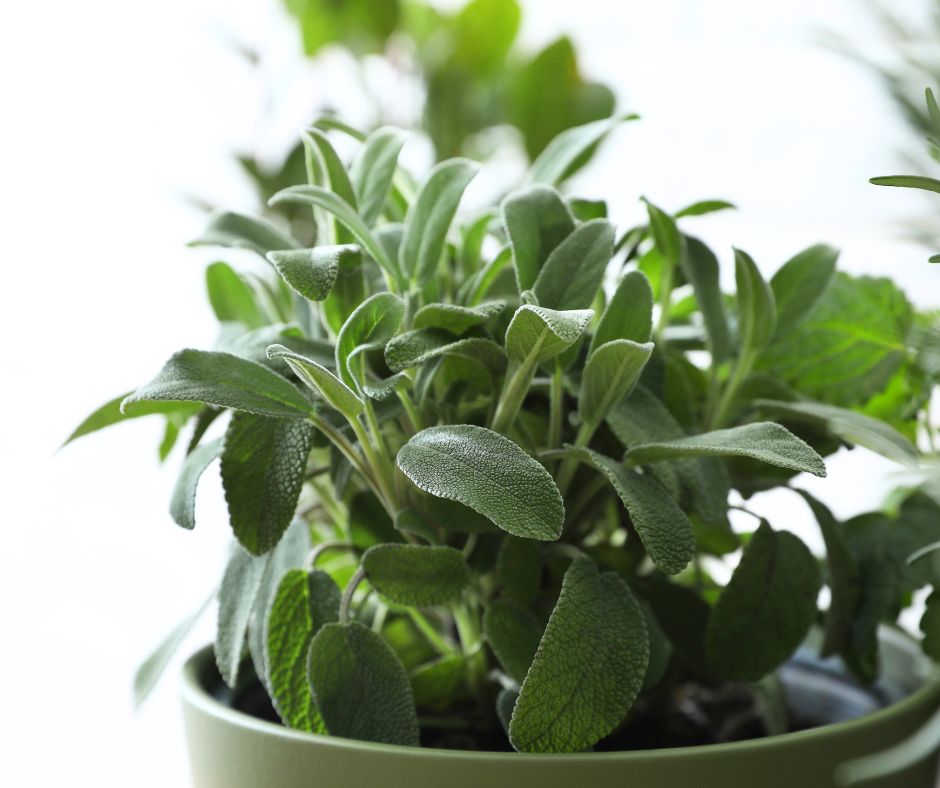
Sage (Salvia officinalis) is a popular herb that has been treasured for centuries, both for its culinary prowess and medicinal properties. Its distinctive, earthy aroma adds depth to a variety of dishes, from savory stuffings and roasts to flavorful sauces and teas. Beyond its taste, sage is also known for its potential health benefits, making it a valuable addition to any herb garden or kitchen.
Where to find seeds, plants, and supplies:
Growing Sage in the Garden
The best time to plant sage in the garden is during spring or early summer. This perennial herb thrives in well-drained soil and full sun exposure. To ensure your sage plants have ample room to grow, space them about 24 to 36 inches apart.
Water the plants regularly during their first growing season, ensuring the soil remains moist but not soggy. As the plants mature, they become more drought-tolerant, requiring less frequent watering.
Ditch the Store Bought Herbs: How to Grow Your Own Flavorful Herbs de Provence
Growing Sage in Containers
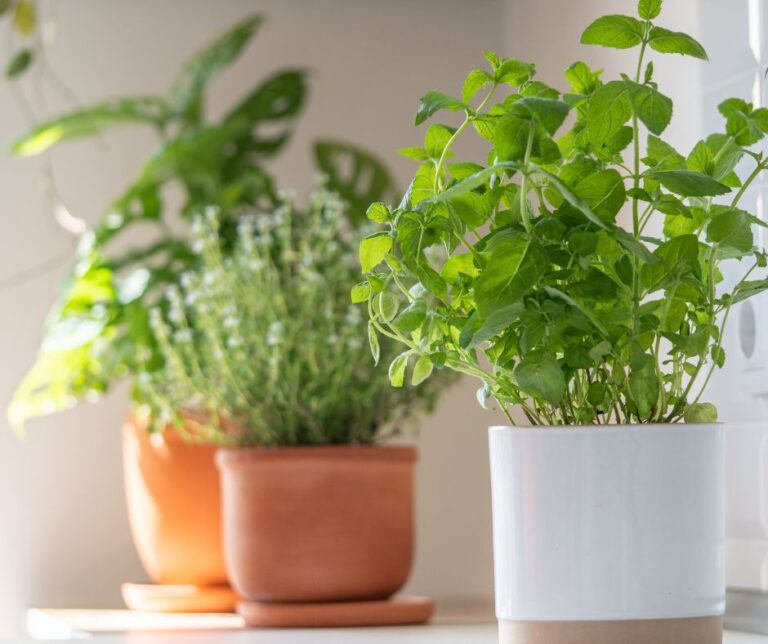
For those with limited garden space or living in colder regions, growing sage in containers is an excellent alternative. Choose a pot that is at least 12 inches deep and wide, with proper drainage holes.
Fill the container with a well-draining potting mix and place it in a sunny location that receives at least six hours of direct sunlight daily. Water your container-grown sage when the top inch of soil feels dry, and feed it with a balanced, water-soluble fertilizer every four to six weeks during the growing season.
Companion Planting with Sage
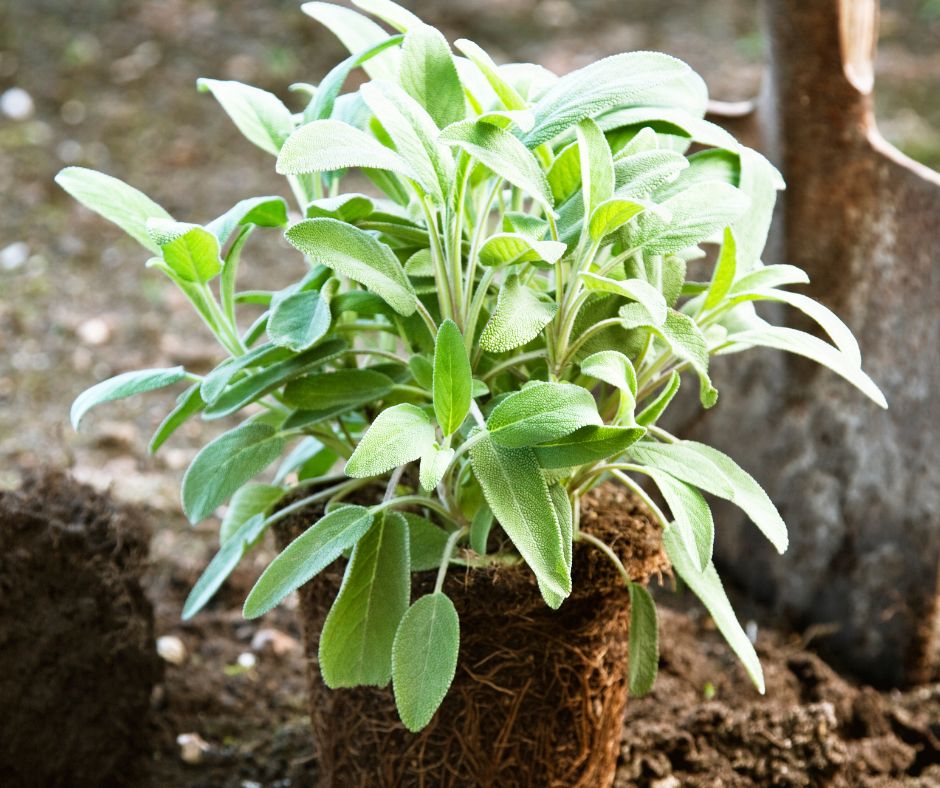
Companion planting is a technique that involves growing complementary plants together to promote healthier growth and deter pests. Some excellent companion plants for sage include rosemary, thyme, oregano, and lavender.
These herbs have similar growing requirements and can help repel common garden pests. Avoid planting sage near cucumbers, as they can hinder each other’s growth.
Plants that Benefit from Growing Close to Sage Plants
When planting sage in your garden, consider pairing it with the following plants to create a harmonious growing environment:
- Rosemary: Both herbs thrive in similar conditions and can repel pests like cabbage moths.
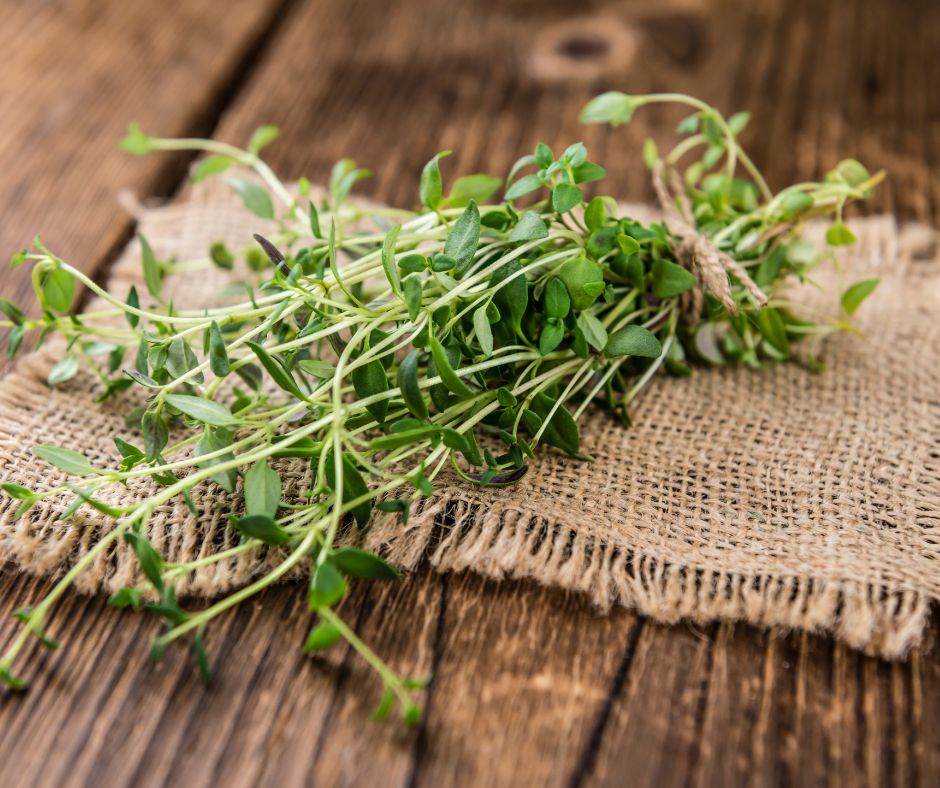
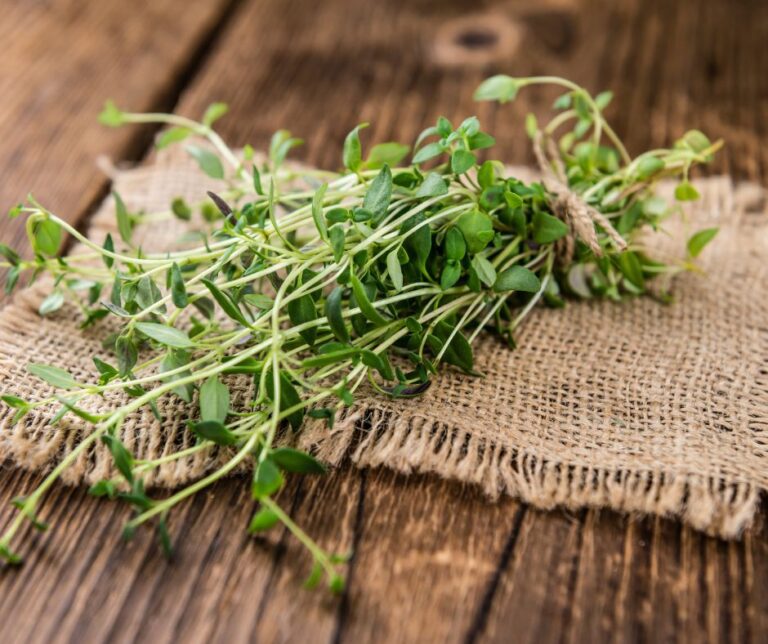
- Thyme: Like sage, thyme enjoys well-drained soil and full sun, and the two can enhance each other’s flavors when used in cooking.
- Oregano: Oregano’s robust growth and pest-repellent properties make it a perfect companion for sage.
- Lavender: This fragrant herb requires similar growing conditions and can help ward off insects.
- Carrots: Sage can improve the flavor of carrots and help protect them from carrot flies.
- Brassicas (like cabbage, broccoli, and cauliflower): Sage can help deter pests such as the cabbage moth, which commonly affect these plants.
- Beans: Sage can enhance the growth of bean plants while also protecting them from pests like blackfly.
25 Mosquito Repellent Plants for a Bug-Free Haven
Cooking with Sage
Sage’s robust flavor makes it a versatile herb in the kitchen, capable of elevating both simple and complex dishes. It is a staple in many culinary traditions, especially in Mediterranean and Italian cuisines. Sage pairs particularly well with rich and savory ingredients, adding a touch of warmth and depth to meals. Here are some delicious foods that complement sage wonderfully:
- Roast Poultry: Sage is a classic addition to roast turkey or chicken, often used in stuffing or as part of a herb rub.
- Sausages: Incorporate sage into sausage recipes for an aromatic kick, commonly seen in traditional Italian sausages.
- Stuffings: Sage leaves are quintessential in holiday stuffing mixes, bringing out the flavors of bread, cranberries, and nuts.
- Butternut Squash: Combine sage with roasted butternut squash for a flavorful and hearty side dish.
- Pasta Dishes: Sage pairs superbly with pasta, especially when used in creamy sauces or browned butter sage sauce for dishes like gnocchi or ravioli.
- Soups and Stews: Sage adds depth to soups and stews, particularly those with beans, lentils, or root vegetables.
- Pork Dishes: The herb’s flavor complements pork excellently, making it ideal for dishes like sage-wrapped pork fillets or pork chops.
- Cheese: Sage-infused cheeses, such as sage Derby, offer a unique and aromatic flavor profile.
- Vegetable Sides: Enhance the taste of sautéed green beans, carrots, or Brussels sprouts with a sprinkle of finely chopped sage leaves.
Experimenting with sage in these dishes can give your meals a delightful boost of flavor, transforming everyday ingredients into gourmet experiences.
Health Benefits of Sage
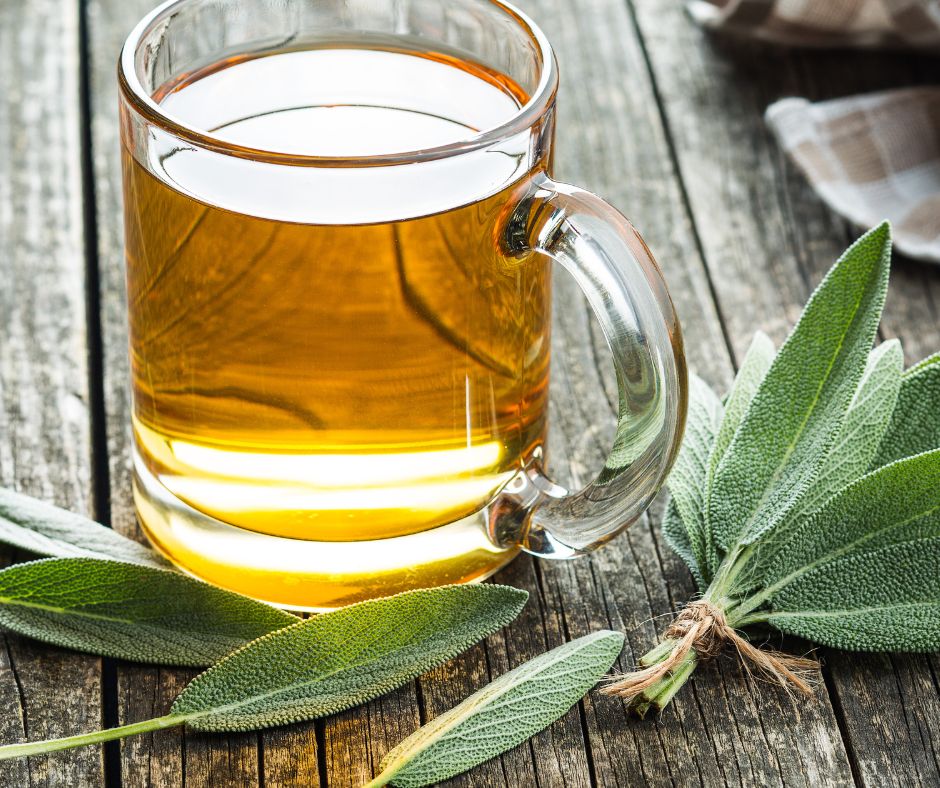
Sage is not only a flavorful addition to your meals but also offers several potential health benefits. It is rich in antioxidants, which can help protect cells from damage caused by free radicals.
More information about sage plants – University of Texas at El Paso: Sage
Sage has also been traditionally used to improve brain function, alleviate menopausal symptoms, and promote digestive health. To incorporate sage into your daily diet, try adding fresh or dried leaves to your favorite dishes or steeping them in hot water for a soothing, aromatic tea.
Growing sage in your garden or containers is a rewarding experience that provides you with a fragrant, flavorful, and health-promoting herb.
By following the tips outlined in this guide, you can successfully cultivate sage and enjoy its benefits for years to come. Feel free to experiment with companion planting and explore the various culinary and medicinal uses of this versatile herb.
Visit the Garden Resources page for supplies and inspiration. Don’t forget to subscribe to the Calendula’s Garden Newsletter for more gardening tips.
Calendula’s Garden is reader supported. When you buy through links on our site, we may earn an affiliate commission. As an Amazon Associate, I earn from qualifying purchases. For more information, view our Disclaimer page. Thank you!