Creative Ways to Maximize Your Small Space with Vertical Gardening
Calendula's Garden is reader suported This post may contain affiliate links, more on our Disclaimer page. Thank you!
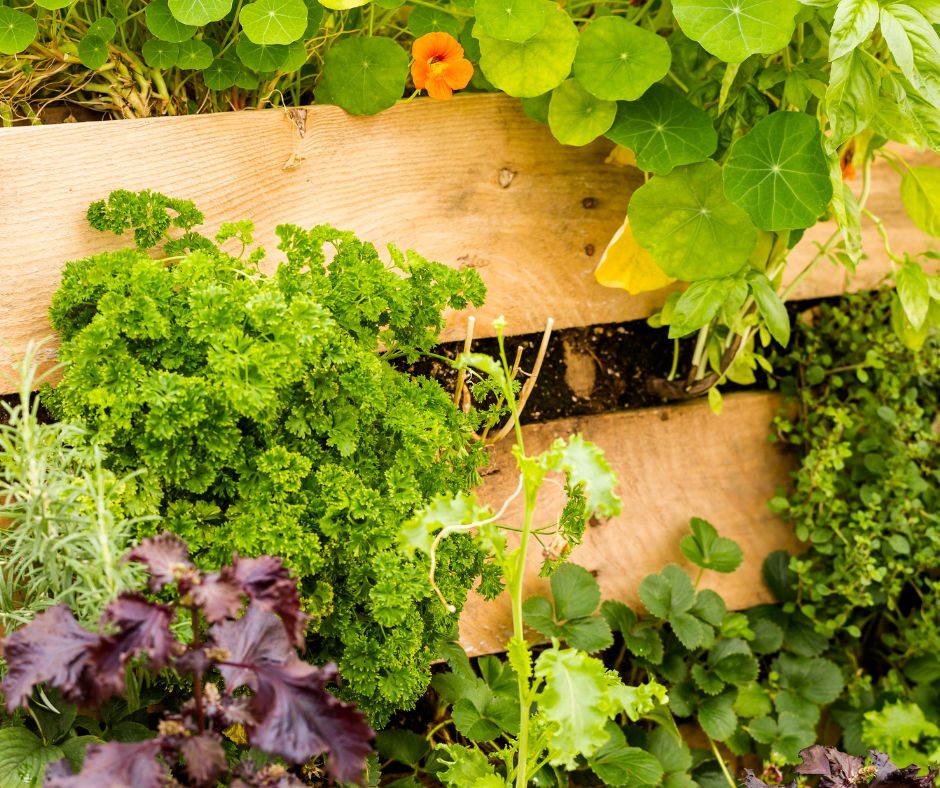
City living often means limited outdoor space, but that doesn’t mean you can’t indulge in gardening. Enter vertical gardening. A stylish and efficient way to maximize your green space.
Whether you’re an apartment dweller or a homeowner with a tiny backyard, vertical gardening allows you to cultivate herbs, flowers, and even vegetables without sacrificing precious square footage. Plus, it’s a fantastic way to add visual interest and a touch of nature to your environment.
5 Space-Saving Vertical Garden Ideas with Detailed How-To’s
1. Vertical Pallet Garden
Repurpose an old wooden pallet for a rustic and functional garden. Simply attach landscape fabric to the back and bottom of the pallet, fill it with soil, and plant your favorite herbs and flowers in the gaps.
- Materials Needed: Wooden pallet, landscape fabric, staple gun, soil, plants
- Steps:
- Secure the landscape fabric to the back and bottom of the pallet with a staple gun.
- Fill the pallet with soil.
- Plant your chosen greens in the gaps between the slats.
- Water thoroughly and place the pallet vertically.
Privacy Ideas for Small Backyards: Creative Solutions for Intimate Outdoor Spaces
2. DIY Vertical Garden Wall
Create a living wall with stacked planter boxes or hanging pots. Arrange them in a grid pattern on a sturdy frame to create a green masterpiece.
- Materials Needed: Planter boxes or hanging pots, strong frame, hooks or brackets, soil, plants
- Steps:
- Install hooks or brackets on the frame.
- Hang the planter boxes or pots on the frame.
- Fill the planters with soil and add your plants.
- Ensure even watering by using a drip irrigation system if needed.
Creating a Thriving Balcony Garden
3. Gutter Garden
Old rain gutters can be transformed into a sleek, multi-level garden. Mount them securely on a wall or fence, and plant shallow-rooted varieties like lettuce, strawberries, or herbs.
- Materials Needed: Rain gutters, end caps, mounting brackets, screws, soil, plants
- Steps:
- Attach end caps to the gutters.
- Secure the gutters to the wall or fence with mounting brackets and screws.
- Fill the gutters with soil and plant your selections.
- Water as needed and watch your garden flourish.
4. Hanging Pocket Garden
Use a hanging shoe organizer or specially designed vertical garden pockets to create a cascading wall of greenery.
- Materials Needed: Shoe organizer or vertical garden pockets, soil, plants
- Steps:
- Hang the organizer on a sturdy hook or railing.
- Fill each pocket with soil.
- Plant your choice of herbs, flowers, or succulents in the pockets.
- Water carefully to ensure even moisture distribution.
Creating a Secluded Oasis with a DIY Edible Living Wall for Privacy
5. Trellis Garden
Grow climbing plants like beans, peas, or flowering vines on a trellis to utilize vertical space efficiently.
- Materials Needed: Trellis, soil, climbing plants
- Steps:
- Place the trellis in a suitable location with proper sunlight.
- Plant climbing varieties at the base of the trellis.
- Train the plants to climb the trellis as they grow.
- Regularly prune and guide the plants for a lush, vertical display.
7 Lush Climbing Vines for Full Sun Gardens
Best Plants for Vertical Gardens in Small Spaces
Choosing the right plants for your vertical garden ensures that it thrives in limited space. Here are some top recommendations:
- Herbs: Basil, mint, parsley, thyme
- Vegetables: Lettuce, spinach, cherry tomatoes, peppers
- Flowers: Petunias, marigolds, begonias
- Climbing Plants: Beans, peas, cucumbers, morning glories
5 Glorious Edible Climbing Vines: A Gardener’s Guide
Maintenance Tips for Healthy Vertical Gardens
Keeping a vertical garden healthy requires a few key practices:
- Regular Watering: Vertical gardens can dry out quickly, so ensure consistent and even watering. Consider using a drip irrigation system for efficiency.
- Proper Lighting: Choose a location with adequate sunlight or use grow lights if necessary.
- Fertilization: Use organic fertilizers to provide essential nutrients.
- Pest Control: Monitor for pests and use natural remedies to keep them at bay.
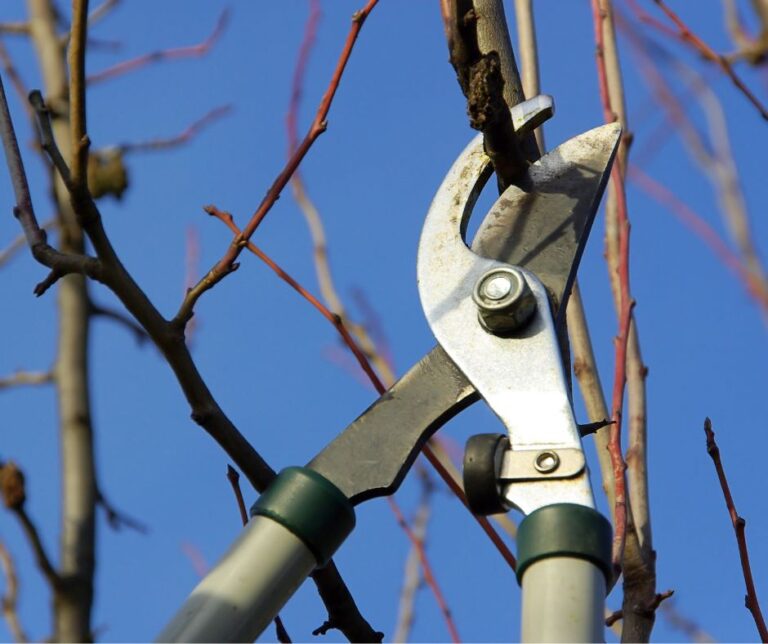
- Pruning: Regularly trim plants to encourage growth and prevent overcrowding.
5 Striking Evergreen Climbing Vines
Success Stories and Photos of Real Vertical Gardens in Urban Settings
Get inspired by these real-life examples of urban vertical gardens:
- Anna from Brooklyn transformed her tiny balcony with a vertical pallet garden, growing a mix of herbs and flowers that add color and fragrance to her space.
- Mark and Lisa, apartment dwellers in Seattle, used a hanging pocket garden to grow fresh herbs and small vegetables right outside their kitchen window.
- The Green Thumb Community Project in San Francisco installed a series of trellis gardens in their neighborhood, creating lush green walls that beautify the urban landscape and provide fresh produce for residents.
Vertical Farming and Community Gardens
Vertical gardening is a game-changer for urban gardeners and anyone with limited space. With a bit of creativity and the right plants, you can transform any small area into a thriving garden oasis. Ready to get started? Share your vertical gardening successes with our community, and don’t forget to tag us in your photos!
Visit the Garden Resources page for supplies and inspiration. Don’t forget to subscribe to the Calendula’s Garden Newsletter for more gardening tips.
Happy gardening! 🌿
Calendula’s Garden is reader supported. When you buy through links on our site, we may earn an affiliate commission. As an Amazon Associate, I earn from qualifying purchases. For more information, view our Disclaimer page. Thank you!