Creating a Thriving Balcony Garden
Calendula's Garden is reader suported This post may contain affiliate links, more on our Disclaimer page. Thank you!
For city residents, having a green private space to relax in is a breath of fresh air in the concrete jungle. Transforming your balcony into a lush oasis can relieve stress, boost your mood, and contribute to a healthier planet.
We will guide you through the essentials of balcony gardening, from choosing the right plants to maintaining your mini garden.
The Rise of Urban Gardening and Its Benefits
Urban gardening has seen a surge in popularity over the past decade. With more people living in cities and high-rise apartments, the need for accessible green spaces has become crucial.
Urban gardens can be found on balconies, rooftops, and even windowsills, offering a sanctuary amidst the noisy, chaotic city.
But why has urban gardening become so popular? First, it provides a way to connect with nature without leaving the city.
It also promotes mental well-being, as studies have shown that tending to plants can reduce stress and improve mood.
100 Benefits of Gardening: Why You Should Dig In Today
Additionally, growing your own herbs, vegetables, and flowers can lead to a more sustainable lifestyle, reducing your carbon footprint and dependency on store-bought produce.
The benefits are clear. Urban gardening enhances your quality of life, supports sustainability, and allows for a personal connection with nature.
Ready to get started? Let’s explore the steps to transform your balcony into a green haven.
Getting Started Choosing the Right Plants for Your Space
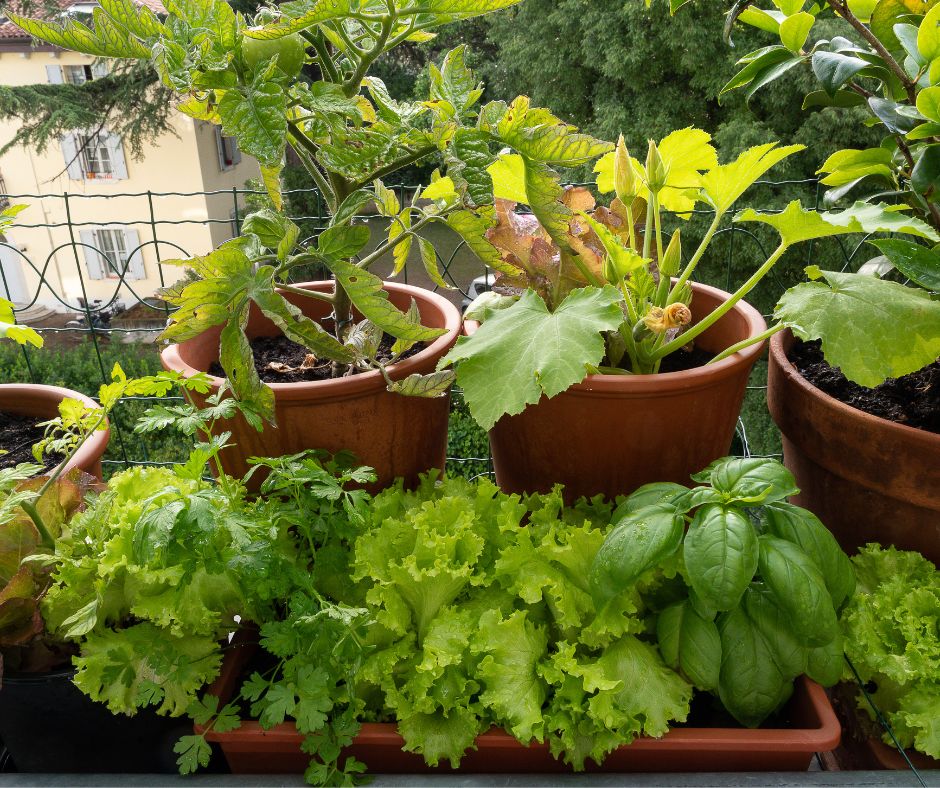
One of the first steps in urban gardening is selecting the right plants for your balcony. The key is to understand your space and the conditions it offers. Consider factors such as sunlight, wind exposure, and the size of your balcony.
For sunny balconies, opt for sun loving plants like tomatoes, basil, and marigolds. If your balcony is shaded, shade tolerant plants like ferns, hostas, and mint will thrive.
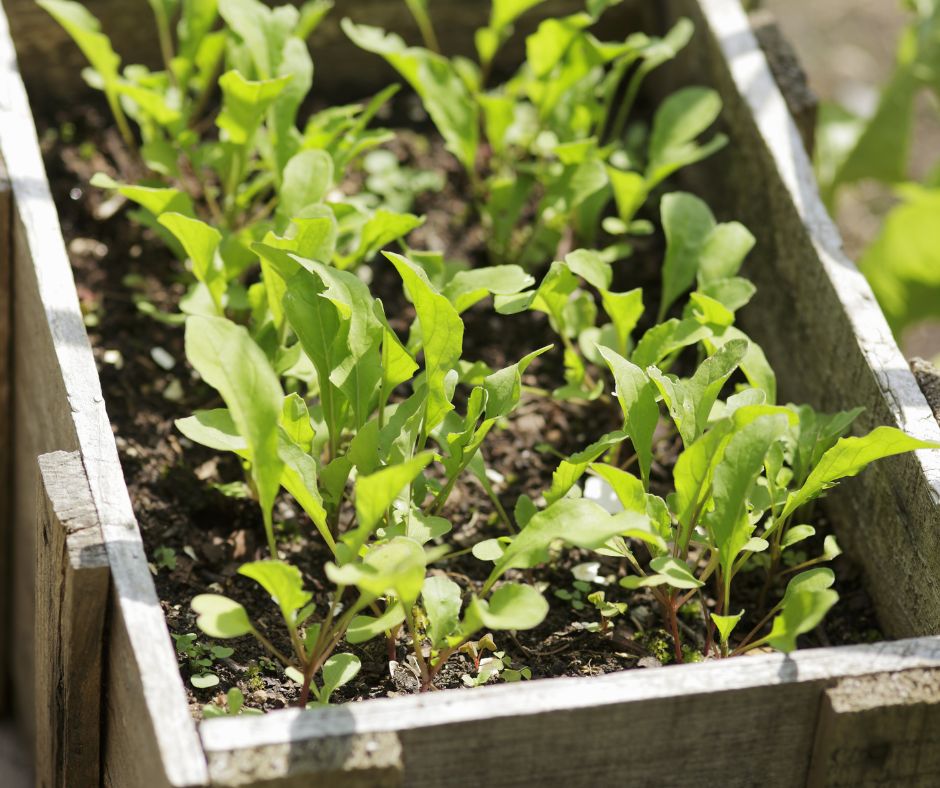
Herbs are a great choice for small spaces as they can be grown in pots and provide fresh flavors for cooking.
Don’t forget to consider your personal preferences and needs. Do you want a vegetable garden for fresh produce, or are you looking for ornamental plants to beautify your space?
You’ll set yourself up for a successful balcony garden by choosing plants that suit your environment and lifestyle.
Where to find seeds, plants, and supplies:
Balcony Garden Design Tips: Maximizing Your Space with Vertical Gardens and Planters
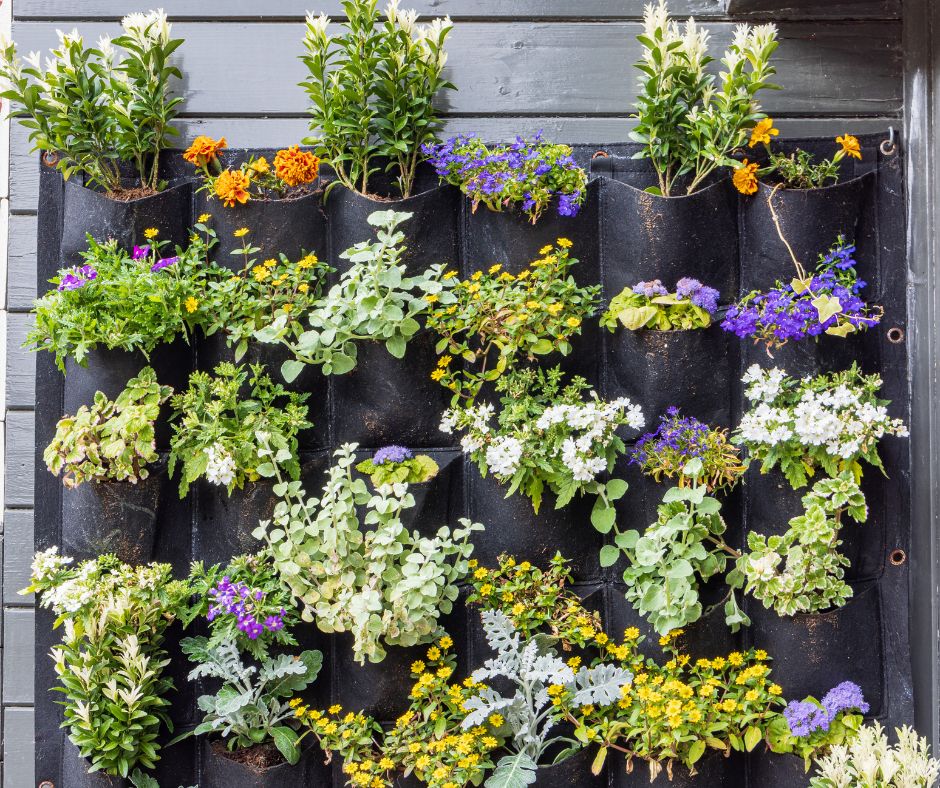
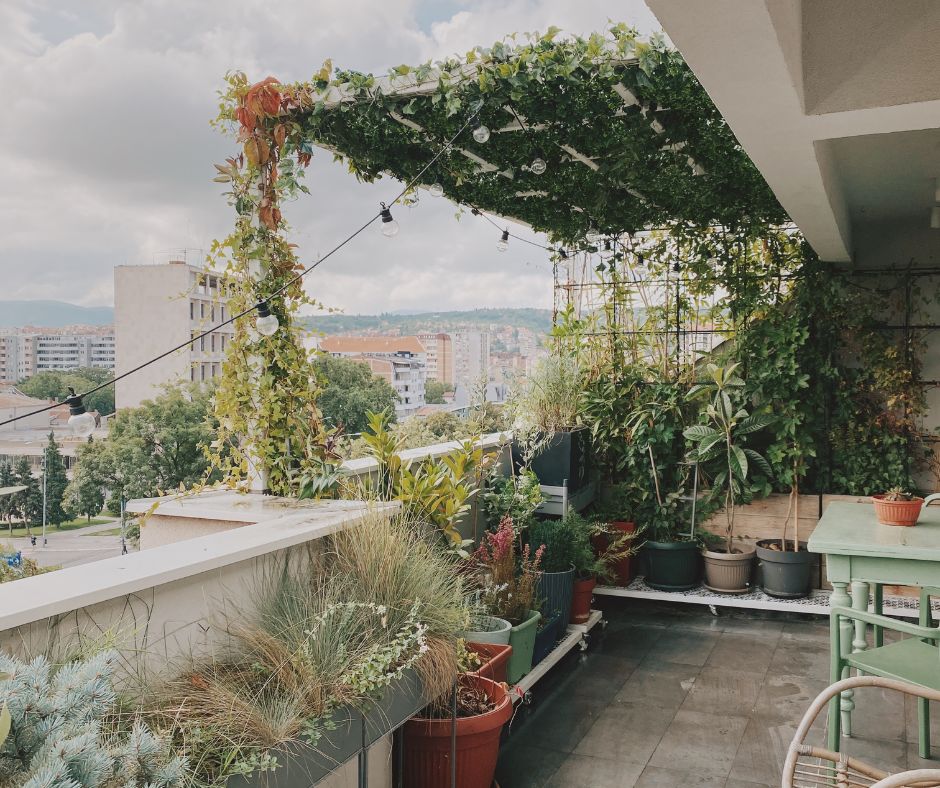
Maximizing your balcony space is essential for urban gardening. One of the best ways to do this is by incorporating vertical gardens.
Vertical gardens utilize walls and railings, allowing you to grow more plants without taking up valuable floor space.
Hanging planters, wall mounted shelves, and trellises are great options for creating vertical gardens. These can be used to grow climbing plants like ivy, beans, and cucumbers, adding both greenery and privacy to your balcony.
How to Create a Quick Privacy Screen with Hanging Baskets
Stackable planter systems are another smart solution, providing multiple levels for your plants.
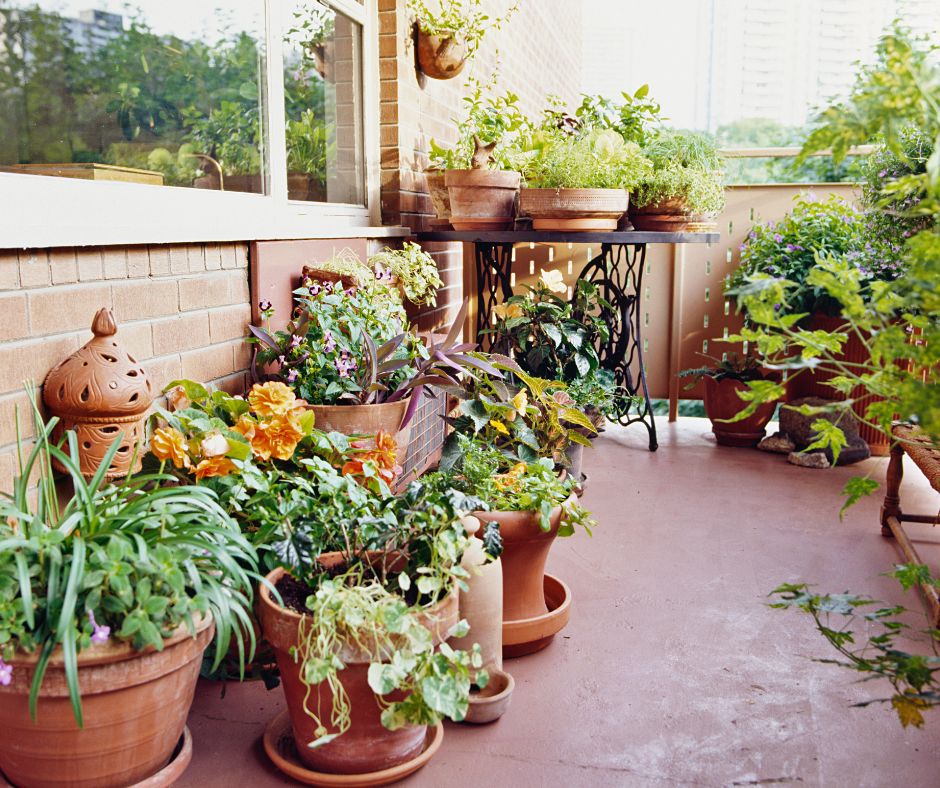
When designing your balcony garden, think about the layout and aesthetics. Group plants with similar care needs together and use decorative pots and planters to enhance the visual appeal.
If you just moved in and need a bit more privacy quickly while your plants grow, try adding a few high quality artificial plants. Here are some options: Best Faux Plant Privacy Screens For Fast Privacy
Remember, a well-organized and visually pleasing garden will not only look good but also make maintenance easier.
Essential Tools and Materials for Urban Gardening
Having the right tools and materials is crucial for successful urban gardening. Here’s a list of essentials to get you started:
- Pots and Planters: Choose the right size and type for your plants. Ensure they have drainage holes to prevent waterlogging.
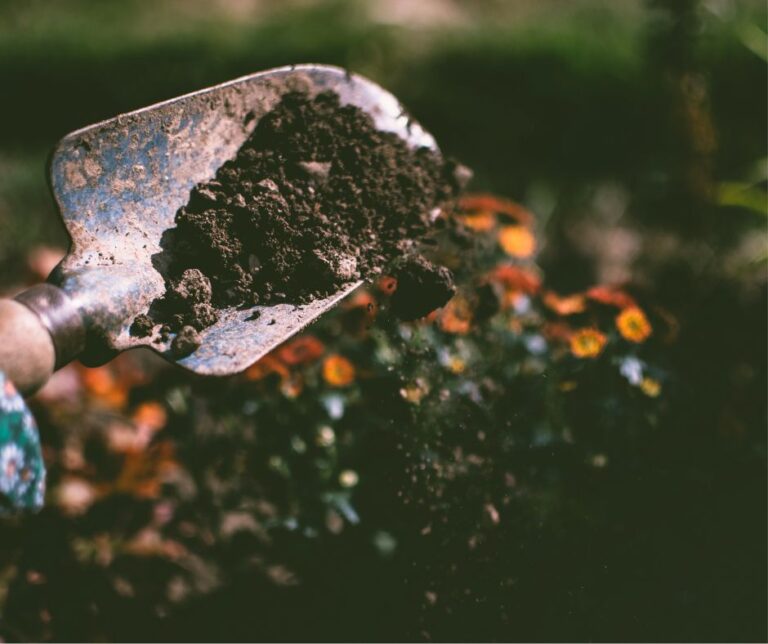
- potting soil: Use high-quality potting soil suitable for container gardening. It should be well-draining and rich in nutrients.
- Watering Can: A watering can with a long spout is ideal for reaching all your plants easily.
- Pruning Shears: Keep your plants healthy and well-maintained with a good pair of pruning shears.
- Gardening Gloves: Protect your hands from dirt and thorns with durable gardening gloves.
- Fertilizer: Organic fertilizers like compost or worm castings are great for nourishing your plants.
- Plant Labels: Keep track of your plants with labels, especially if you’re growing multiple varieties.
Investing in these tools will make your gardening experience more enjoyable and efficient. Plus, with the right equipment, you’ll be better prepared to care for your plants.
Maintenance Guide Watering Fertilizing and Pest Control
Maintaining a balcony garden involves regular care and attention. Here’s a guide to help you keep your balcony garden thriving:
- Watering: Consistent watering is crucial, especially for container plants, which can dry out quickly. Water your plants early in the morning or late in the evening to minimize evaporation. Use a watering can with a fine rose to avoid disturbing the soil.
- Fertilizing: Regular feeding will ensure your plants get the nutrients they need. Use organic fertilizers every few weeks during the growing season. Follow the instructions on the packaging to avoid over-fertilizing.
- Pest Control: Urban gardens are not immune to pests. Keep an eye out for common problems like aphids, spider mites, and caterpillars. Natural remedies like neem oil and insecticidal soap can help manage pests without harming beneficial insects.
Vacation-Proof Gardening: Tips to Keep Your Outdoor Potted Plants Thriving
By following these maintenance tips, you’ll create a healthy and vibrant urban garden that flourishes throughout the seasons.
Sustainability Practices in Urban Gardening
Urban gardening offers a great opportunity to practice sustainability. Here are some eco-friendly practices to incorporate into your gardening routine:
- Water Conservation: Use a rain barrel to collect rainwater for watering your plants. Mulching can also help retain moisture in the soil, reducing the need for frequent watering.
- Composting: Composting kitchen scraps and garden waste creates nutrient-rich compost for your plants. It also reduces the amount of waste sent to landfills.
- Organic Gardening: Avoid synthetic chemicals and opt for organic fertilizers and pest control methods. Organic gardening promotes a healthy ecosystem and protects beneficial insects.
A good option for apartments is the Lomi Automatic Kitchen Composter
By implementing these sustainable practices, you’ll contribute to a greener planet and create a more eco-friendly balcony garden.
Examples of Urban Oasis Balconies
Looking for inspiration? Here are some success stories of urban gardeners who transformed their balconies into green oases:
- Sarah’s Herb Garden: Sarah, a busy professional, turned her tiny balcony into a lush herb garden. With vertical planters and hanging baskets, she grows basil, thyme, and rosemary for her culinary adventures.
- Mike’s Vegetable Patch: Mike, a novice gardener, started with a few pots of tomatoes and peppers. With dedication and the right care, his balcony now boasts a variety of vegetables, providing fresh produce for his family.
- Emma’s Flower Paradise: Emma created a pollinator friendly balcony garden. Her space is filled with colorful flowers that attract bees and butterflies, supporting local biodiversity.
These stories show that with creativity and effort, anyone can create a beautiful and productive urban garden, regardless of space constraints.
More inspiration from the U.S. Fish & Wildlife Service – Create a Balcony Pollinator Garden
Next Steps for Your Urban Garden
Starting an urban garden may seem daunting, but with the right approach, it’s a rewarding endeavor. Remember, gardening is a journey. Be patient, experiment, and enjoy the process.
Begin by assessing your balcony space and choosing the right plants. Incorporate vertical gardening techniques to maximize space and invest in essential tools. Regular maintenance and sustainable practices will keep your garden flourishing.
Ready to take the plunge?
Visit the Garden Resources page for supplies and inspiration. Don’t forget to subscribe to the Calendula’s Garden Newsletter for more gardening tips.
Happy gardening!
Calendula’s Garden is reader supported. When you buy through links on our site, we may earn an affiliate commission. As an Amazon Associate, I earn from qualifying purchases. For more information, view our Disclaimer page. Thank you!