Creating a Pet Friendly Garden That Thrives with Your Furry Friends
Calendula's Garden is reader suported This post may contain affiliate links, more on our Disclaimer page. Thank you!
Gardening is a rewarding hobby that can transform your outdoor space into a vibrant oasis. But for pet owners, it comes with an additional layer of responsibility.
You need to ensure that your garden is a safe and enjoyable place for your furry friends. We will help you design and maintain a garden that is not just beautiful but also safe for your pets.
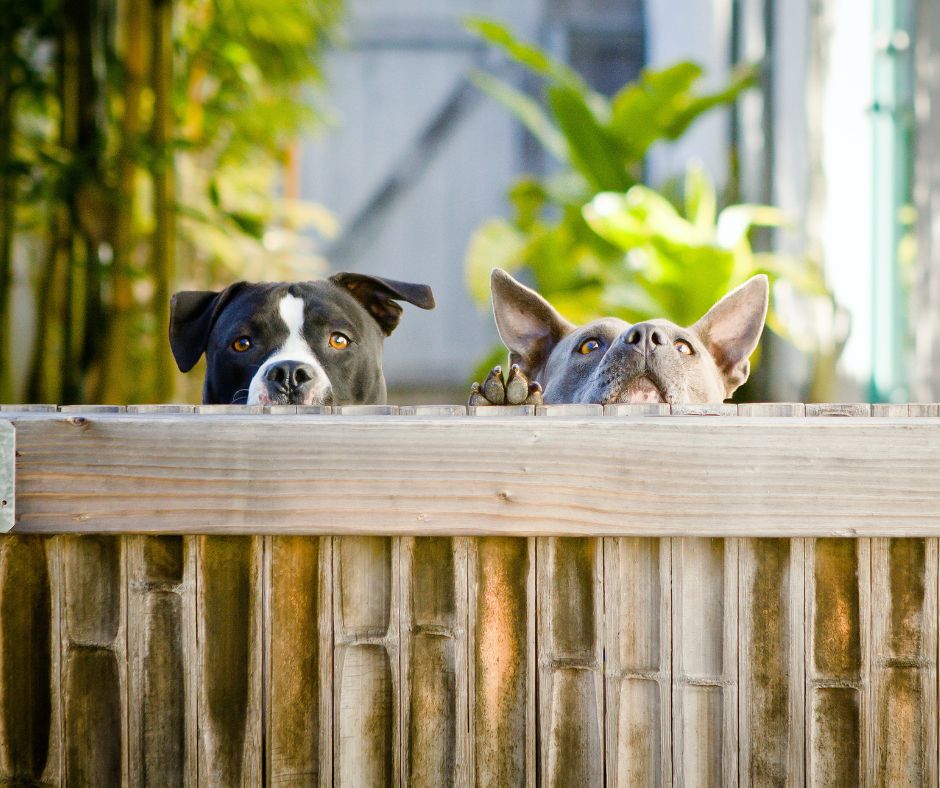
We’ll cover safe plants, hazardous plants to avoid, practical design tips, DIY projects, and maintenance strategies to keep your pet friendly garden in top shape.
Safe Plants for Pets
Where to find seeds, plants, and supplies:
Common Safe Plants
Ensuring your garden is filled with plants safe for pets is the first step. Some common pet-safe plants include:
- Spider Plant: A great indoor and outdoor plant that’s non-toxic to cats and dogs.
- Bamboo: Safe for pets and adds a tropical feel to your garden.
- Herbs: Basil, sage, and rosemary are not only safe but also useful for cooking.
- African Violet: With its stunning blooms, this flowering houseplant is non-toxic and can bring a pop of color to your pet-friendly garden.
- Petunia: A popular annual with bright colors, petunias are safe for pets and can add beauty to your outdoor space.
Lesser-Known Safe Plants

You may want to diversify your garden with some lesser-known but equally safe options:
- Snapdragons: These colorful flowers are safe and add a pop of color.
- Marigolds: Non-toxic and excellent for repelling pests.
- Zinnias: Bright and cheerful, zinnias are safe and easy to grow.
Edible Plants for Pets
Consider adding some plants that are not just safe but also beneficial for your pets:
- Catnip: A favorite among cats, it also has a calming effect.
- Lemongrass: Safe for dogs and cats, it can also help repel mosquitoes.
- Strawberries: Safe and nutritious for dogs, they make for a fun treat.
Poisonous Plants to Avoid
Common Hazardous Plants
Some plants can be extremely harmful to pets. Here are a few common ones to avoid:
- Lilies: Highly toxic to cats and can cause kidney failure.
- Azaleas: These can cause vomiting, diarrhea, and even heart problems in pets.
- Sago Palm: Every part of this plant is toxic and can cause severe liver damage.
Lesser-Known Hazardous Plants
Even some lesser-known plants can be dangerous:
- Oleander: Extremely toxic and can cause severe heart problems.
- Foxglove: All parts of this plant are toxic and can affect heart function.
- Yew: Contains toxins that can cause sudden death in pets.
- Castor Bean: The seeds contain ricin, a highly toxic compound that can cause severe abdominal pain and even death.
- Wisteria: Both the seeds and flowers are toxic and can lead to gastrointestinal upset in pets.
- Rhododendron: Can cause vomiting, diarrhea, and potentially serious heart issues if ingested.
- Cyclamen: Particularly toxic to pets, especially the roots, which can lead to severe nausea and gastrointestinal distress.
Symptoms of Plant Poisoning
It’s crucial to recognize the signs of plant poisoning:
- Vomiting and Diarrhea: Common symptoms of ingestion of toxic plants.
- Lethargy: If your pet becomes unusually tired or weak, consult a vet.
- Difficulty Breathing: Immediate veterinary attention is required.
Recognizing the symptoms of plant poisoning in pets is crucial for prompt treatment. One of the most common signs that a pet may have ingested a toxic plant is vomiting and diarrhea.
If your pet experiences these symptoms, it might indicate they have ingested something harmful and requires immediate attention. Observing any changes in their eating habits or stool consistency can provide valuable information to your veterinarian.
Another important indicator of potential poisoning is lethargy. If your pet appears unusually tired or weak, it may be a reaction to consuming a toxic substance.
This lack of energy can manifest as a reluctance to engage in activities they typically enjoy, such as playing or going for walks.
It’s essential to monitor their behavior closely, as increased fatigue could signal a severe health issue.
Additionally, difficulty breathing is a serious symptom that should never be ignored. If your pet shows signs of respiratory distress, which may include wheezing, coughing, or rapid breathing, it is critical to seek veterinary attention immediately.
Timely medical intervention can be the difference between recovery and a more serious outcome, so do not hesitate to act if you suspect your pet has been poisoned.
DIY Pet Projects
Raised Beds
Raised beds can keep plants out of your pet’s reach:
- Material Selection: Use non-toxic materials like untreated wood.
- Height: Ensure the beds are tall enough to prevent pets from jumping in.
- Plant Selection: Plant safe, non-toxic plants in these beds.
Raised beds are an excellent solution for creating a pet-friendly garden, as they help keep plants out of your furry friends’ reach.
When selecting materials for your raised beds, it’s essential to choose non-toxic options. Untreated wood is a popular choice because it poses no danger to pets while providing a natural aesthetic.
Choosing the Best Raised Garden Bed
The height of raised beds should be carefully considered to prevent pets from jumping in or disturbing the plants. A height of at least 30 cm (12 inches) is typically sufficient to deter most pets, but it’s wise to observe your pet’s behavior and adjust accordingly as needed.
This added elevation not only protects your plants but also allows for easier access for gardening tasks without the strain of bending over.
When planting in raised beds, select safe, non-toxic plants to place around the edge of the bed. Just in case they are in reach of a furry friend.
Fill your raised beds with a variety of pet-friendly flowers, herbs, and vegetables that are safe for pets to nibble on if they happen to venture too close.
This strategic planting can add vibrancy to your garden while ensuring your pets remain safe, making your outdoor space both enjoyable and secure.
Play Spaces
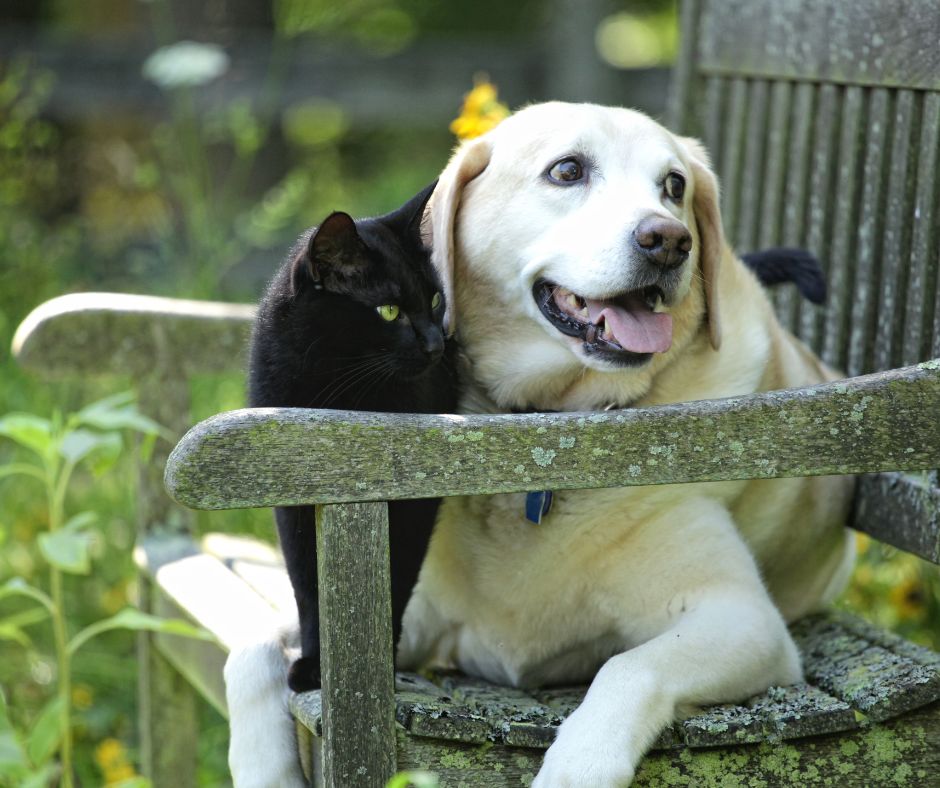
Designate specific areas for your pets to play:
- Shade: Ensure there’s plenty of shaded space.
- Safe Toys: Keep a variety of durable and safe toys in the play area.
- Fencing: Use pet-safe fencing to keep them within the designated area.
Designating specific areas for your pets to play is essential for creating a harmonious balance between a beautiful garden and a safe environment.
One of the key considerations in your play space design is ensuring there is ample shade available. This will protect your pets from direct sunlight and overheating, allowing them to enjoy their time outside comfortably.
Creating a Cool Oasis: The Importance of Shade in Your Garden
Incorporating trees or strategically placed umbrellas can create inviting, shady spots where pets can relax after an energetic play session.
Another important aspect of a pet-friendly play space is the inclusion of safe and durable toys.
By keeping a variety of toys, such as balls, ropes, and chew toys, within the designated play area, you can engage your pets and encourage them to play actively.
Selecting toys made from non-toxic materials ensures that your pets can enjoy their playtime without the risk of injury or poisoning, allowing for worry-free fun.
7 Tips To Keep Dogs Out Of Your Garden
Lastly, the use of pet-safe fencing is crucial for keeping your furry friends contained within their designated play area. Fencing not only protects your pets from wandering off but also keeps them safe from potential hazards in the garden.
When choosing fencing, opt for materials that won’t harm your pets and ensure that it is tall enough to prevent them from jumping over.
A well-designed play space will provide your pets with a safe environment to exercise and have fun, enriching their outdoor experience.
Pet-Friendly Pathway
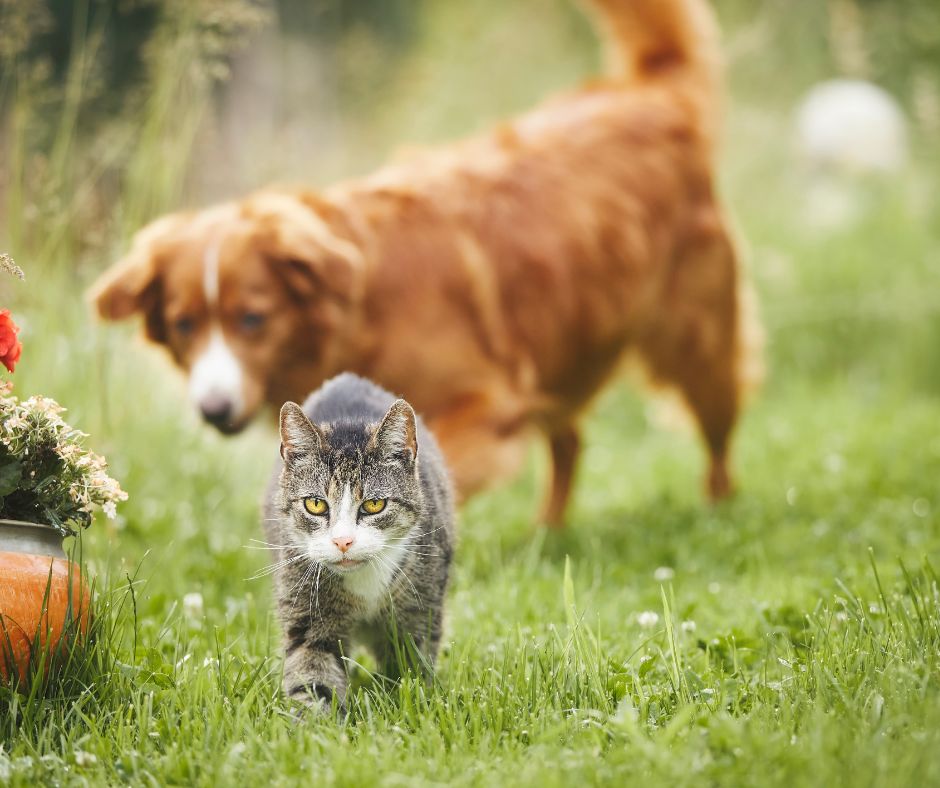
A pathway can be both functional and decorative:
- Materials: Use pet-safe materials like mulch or smooth pebbles.
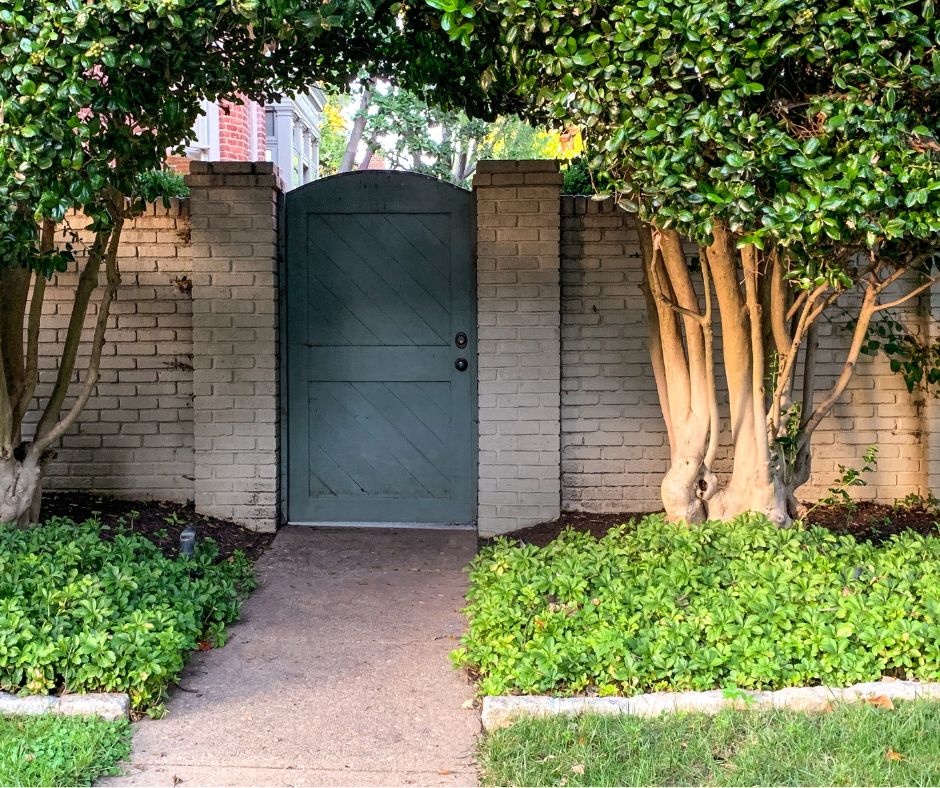
- Design: Create a winding path that leads through the garden, avoiding sensitive areas.
- Maintenance: Regularly check for sharp objects or debris.
Creating a pet-friendly pathway in your garden involves careful consideration of materials and design to ensure safety and functionality.
To start, select pet-safe materials such as mulch or smooth pebbles, which will not only provide a safe surface for your pets to walk on but also complement the aesthetics of your garden.
Mulch is an excellent choice, as it is soft underfoot and helps retain soil moisture, while smooth pebbles can add a decorative touch and are unlikely to cause injury.
From Straw to Wood Chips: Choosing the Right Mulch for Your Garden
When designing your pathway, consider a winding layout that navigates through the garden and avoids sensitive areas where delicate plants might be trampled.
A meandering path not only enhances the natural beauty of your outdoor space but also encourages pets to explore without disturbing your plants. Make sure the path is wide enough to allow comfortable passage for your pets, facilitating easy movement and play.
Regular maintenance is vital to keeping the pathway safe and inviting. Periodically check for sharp objects, debris, or any other hazards that could pose a risk to your pets as they roam.
By staying proactive with maintenance, you can ensure that your pet-friendly pathway remains a safe and enjoyable route for your furry friends while enhancing the overall landscape of your garden.
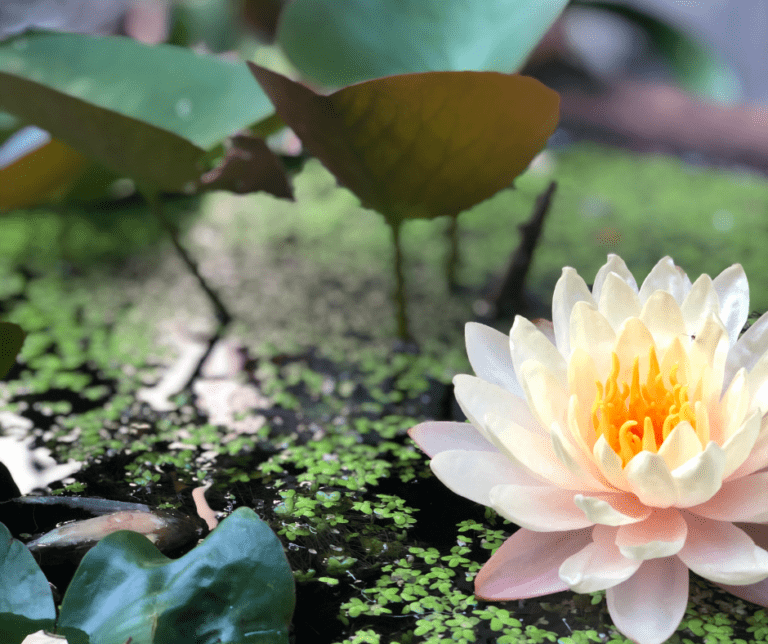
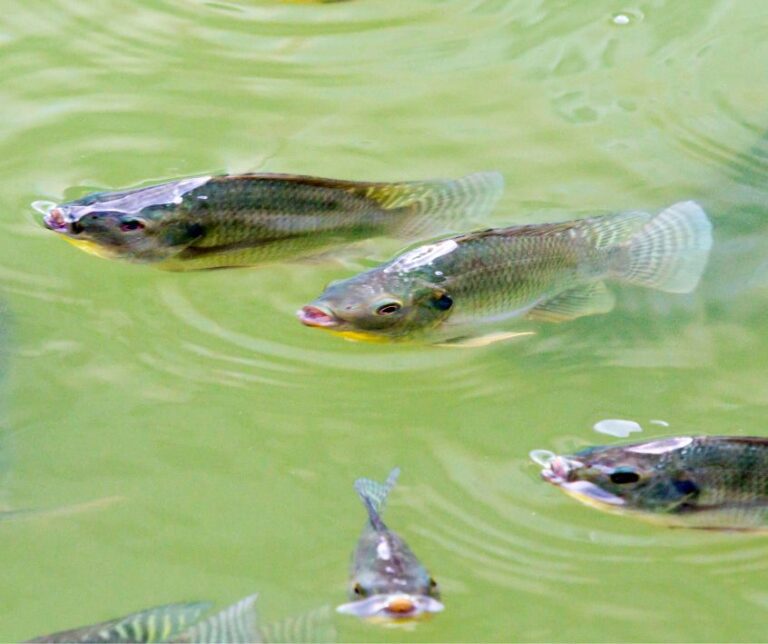
Pet Water Feature
A water feature can provide fun and hydration:
- Safety: Ensure it’s shallow to prevent drowning.
- Material: Use non-toxic materials.
- Maintenance: Clean regularly to prevent algae and bacteria build-up.
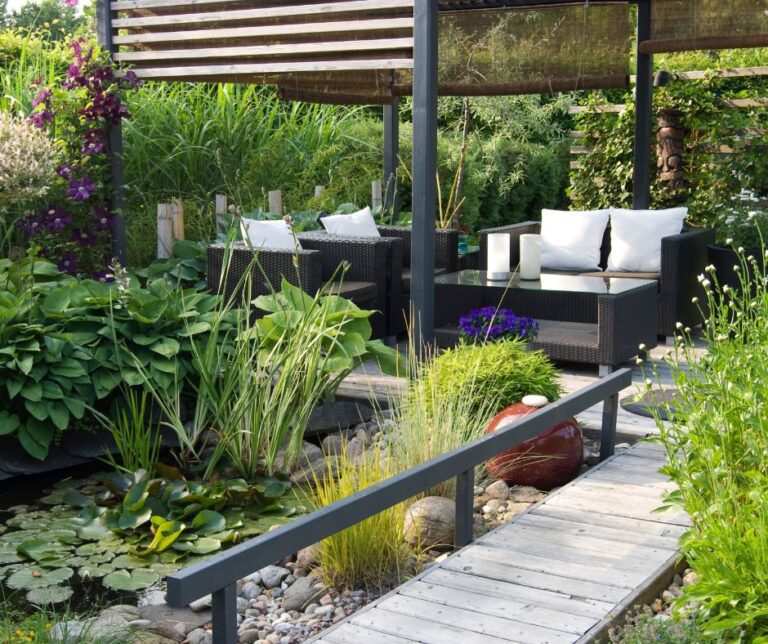
A pet water feature can be a delightful addition to your garden, providing both fun and hydration for your furry friends.
When designing the feature, it’s essential to ensure that it is shallow enough to prevent drowning.
This safety consideration allows pets to play around without the risk of accidents, making it a worry-free environment for pet owners.
Create a Tranquil Oasis with These 5 Ideas for Backyard Ponds
Selecting appropriate materials is crucial to maintaining a safe space for your pets. Opt for non-toxic materials that will not pose any health hazards should your pets decide to explore or even chew on them.
This attention to detail will ensure that the water feature enhances your garden’s beauty without compromising your pets’ well-being.
Regular maintenance is vital to keep your pet friendly water feature in good condition. Make sure to clean the feature frequently to prevent the build-up of algae and bacteria, which can be harmful to both pets and humans.
A well-maintained water feature not only promotes a safe atmosphere but also becomes an attractive focal point that your pets will love.
Maintenance and Cleanup
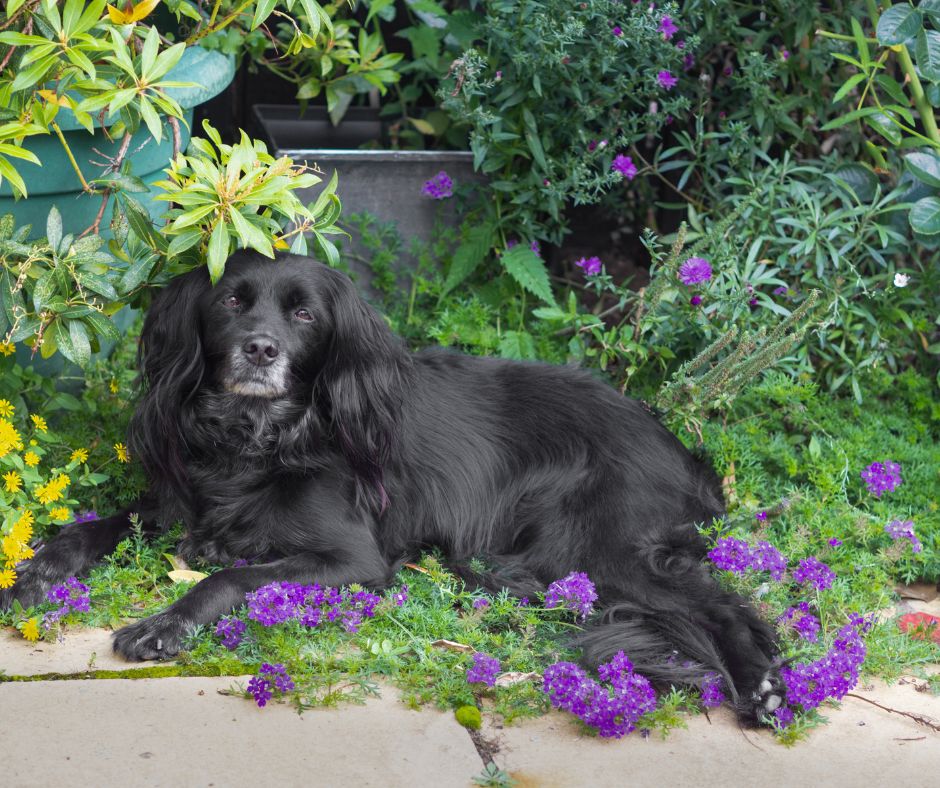
Dealing with Pet Waste
Proper waste management is crucial:
- Designated Spots: Train your pets to use specific spots.
- Clean-Up Tools: Use scoopers and biodegradable bags.
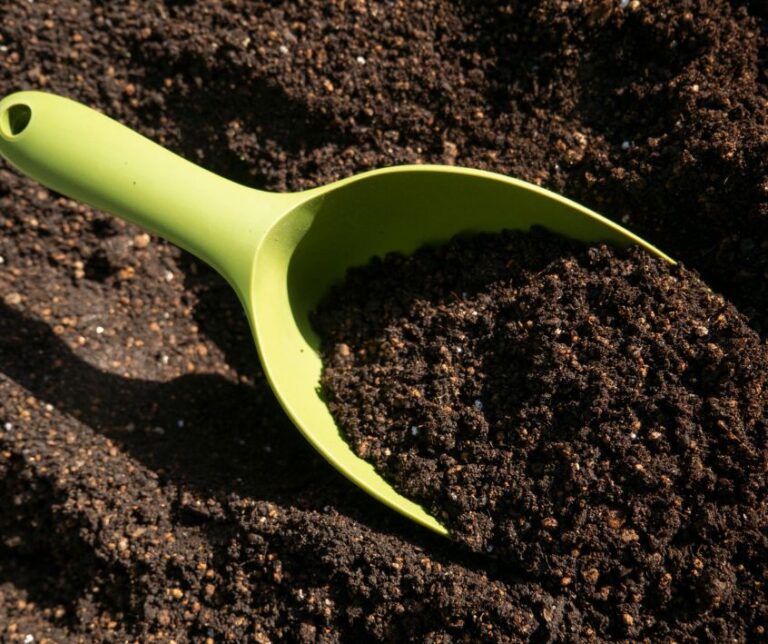
- Composting: Consider a pet waste composting system.
Maintaining a clean and pet-friendly garden begins with effective pet waste management. One of the best strategies is to designate specific spots in your garden where your pets can relieve themselves.
This not only helps keep your entire garden clean but also trains your pets to use those areas consistently. By establishing these designated spots, you can manage waste more efficiently and ensure that your garden remains a pleasant environment for both pets and people.
Equipping yourself with the right cleaning tools is essential for quick and thorough clean-up. Using scoopers and biodegradable bags allows you to pick up waste easily and dispose of it responsibly.
Regularly cleaning these designated areas is important to prevent unpleasant odors and maintain a healthy garden space.
Adopting a routine will make managing pet waste part of your gardening practice, contributing to a more enjoyable outdoor experience.
For environmentally conscious pet owners, considering a pet waste composting system can be a great option.
This process involves collecting pet waste in a separate composting bin designed for that purpose, allowing it to break down safely over time.
It’s crucial, however, to ensure that the composting method used adheres to local regulations and guidelines to avoid any potential health risks.
By employing these strategies, pet owners can keep their gardens clean and vibrant while ensuring the well-being of their furry friends.
Pest Control
Use pet-safe methods to control pests:
- Natural Predators: Introduce ladybugs or nematodes.
- Barriers: Use physical barriers like nets or fences.
- Organic Sprays: Use organic, non-toxic sprays.
Implementing effective pest control methods in a pet-friendly garden is essential to maintaining a healthy environment for both plants and pets.
One approach is to introduce natural predators, such as ladybugs or nematodes. These beneficial insects can help manage pest populations without the use of harmful chemicals, fostering a balanced ecosystem within your garden.
By encouraging these natural allies, you not only protect your plants but also ensure the safety of your furry companions.
The Best Natural Pest Control Solutions
Physical barriers are another effective strategy for pest management. Consider using nets or fences to shield vulnerable plants from pests while keeping your pets safe.
These barriers can prevent larger animals from accessing your plants and deter smaller pests from causing damage. Creating defined areas within your garden can help manage pest populations while allowing your pets to roam freely without interference.
Lastly, employing organic sprays provides an additional layer of protection without risking your pets’ health.
Keep Mosquitoes at Bay: Guide to Nontoxic Mosquito Yard Sprays
Opt for non-toxic, plant-based insecticides that are safe for both animals and plants. These treatments can effectively reduce pest populations while ensuring your garden remains a safe haven for your beloved pets.
By combining these methods, you can create a thriving pet-friendly garden that is free from harmful pests.
Final Thoughts
Creating a pet-friendly garden is not just about keeping your plants safe; it’s about providing a safe and enjoyable environment for your pets. From choosing the right plants to designing play areas and maintaining your garden, every step is crucial.
Remember, a pet-friendly garden is a happy garden.
Visit the Garden Resources page for supplies and inspiration. Don’t forget to subscribe to the Calendula’s Garden Newsletter for more gardening tips.
Calendula’s Garden is reader supported. When you buy through links on our site, we may earn an affiliate commission. As an Amazon Associate, I earn from qualifying purchases. For more information, view our Disclaimer page. Thank you!