Creating a Pest Free Garden with Citronella Grass
Calendula's Garden is reader suported This post may contain affiliate links, more on our Disclaimer page. Thank you!

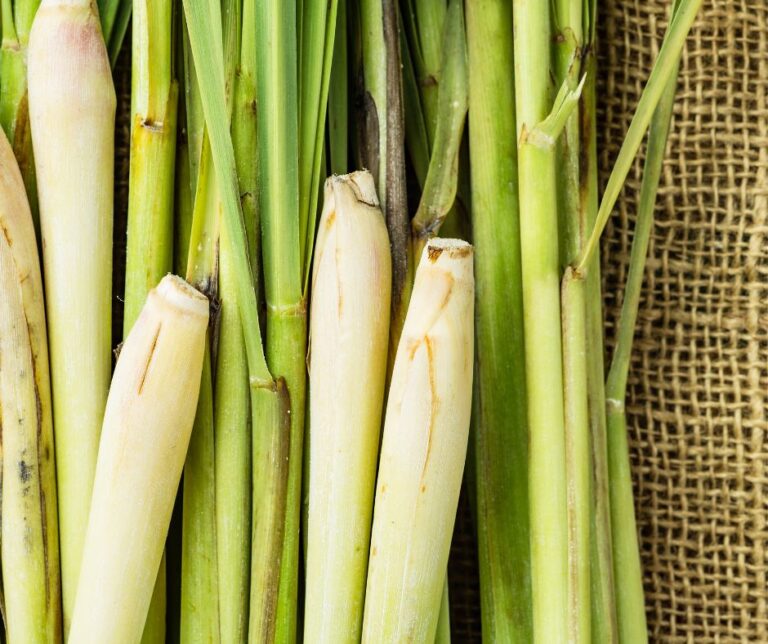
Citronella Grass, also known as Cymbopogon nardus, is a fragrant tropical plant native to South and Southeast Asia. This tall, clumping grass is very similar to lemongrass and is widely known for its use in natural insect repellents, aromatherapy, and traditional medicine.
In this guide, we’ll explore how to grow Citronella Grass in your garden or containers, discover its ideal companion plants, and learn about its health benefits.
Where to find seeds, plants, and supplies:
Planting Citronella Grass in the Garden
To successfully grow Citronella Grass in your garden, it’s essential to provide the right conditions for this tropical plant to thrive. Citronella Grass enhances the beauty of a garden not only through its lush, green foliage, which adds a touch of the tropics, but also through its delightful lemony scent that can transform your garden into a fragrant retreat.
The tall, fountain-like clumps of Citronella Grass create a striking visual contrast against other plants and lend an elegant backdrop in mixed borders or as standalone specimens.
Additionally, the vibrant green hues of Citronella Grass can complement a variety of garden aesthetics, from modern minimalist to lush, tropical designs.
Its ability to deter pests also means that your garden plants can flourish, presenting their best colors and healthiest forms, ultimately contributing to a more vibrant and dynamic garden atmosphere.
Soil and Sunlight
- Choose a location with well-draining soil rich in organic matter.
- Ensure the spot receives full sun to partial shade, with at least 6 hours of direct sunlight daily.
Planting and Watering
- Dig a hole twice the size of the root ball and mix in compost or well-rotted manure.
- Place the plant in the hole, fill it with soil, and water thoroughly.
- Water regularly to keep the soil consistently moist but not soggy.
Maintenance and Pest Control
- Prune the grass periodically to encourage fresh growth and maintain its shape.
- Monitor for common pests like spider mites and mealybugs, and treat with neem oil if necessary.
Growing Citronella Grass in Containers
If you have limited garden space or live in a colder climate, growing Citronella Grass in containers is an excellent alternative.
Growing Citronella Grass in containers offers numerous benefits and flexibility for gardeners of all skill levels. One of the primary advantages is the ability to control the plant’s environment more precisely. You can easily manage soil quality, moisture levels, and sunlight exposure by moving the container to different locations as needed.
This adaptability makes it easier to protect the plant from extreme weather conditions and seasonal changes, especially in colder climates where Citronella Grass might not survive outdoors during the winter.
Additionally, container gardening allows for better pest management. You can monitor the plant closely and take swift action if any pests appear. The mobility of containers also means you can place Citronella Grass strategically around your outdoor seating areas to maximize its natural insect-repellent properties, creating a more enjoyable, bug-free environment.
Another benefit of growing Citronella Grass in containers is the space-saving aspect. For those with limited garden space, containers can be placed on patios, balconies, or even indoors near sunny windows. This makes it possible to enjoy the plant’s aesthetic and aromatic qualities no matter the size of your living area.
Containerized Citronella Grass also adds a touch of greenery and freshness to urban settings, enhancing both exterior and interior spaces with its vibrant appearance and pleasant scent.
Container and Soil Selection
- Choose a container at least 12 inches deep with proper drainage holes.
- Use a well-draining potting mix containing perlite, coconut coir, or sand for aeration.
Watering and Feeding
- Water your container-grown Citronella Grass when the top inch of soil feels dry.
- Feed monthly during the growing season with a balanced, water-soluble fertilizer.
7 Best Garden Soil Amendments and Fertilizers
Container Size and Positioning
- As the grass grows, repot it into a larger container to accommodate its expanding root system.
- Place the container in a sunny spot, such as a south-facing window or a balcony that receives ample sunlight.
Companion Planting with Citronella Grass
Companion planting is a strategy that involves growing complementary plants together for mutual benefit.
Complementary Plants
- Lemongrass: Another aromatic grass that shares similar growing requirements.
- Marigolds: These flowering plants help repel pests and attract beneficial insects.
- Lavender: Its strong scent complements Citronella Grass and helps deter pests.
Pests That Citronella Grass Deters
Citronella Grass is known for its natural insect-repellent properties, making it a valuable addition to any garden. Here is a list of pests that Citronella Grass can help deter:
Mosquitoes
Flies
Aphids
Ants
Fleas
Ticks
Moths
Cockroaches
By incorporating Citronella Grass into your garden or using it in containers around outdoor living spaces, you can reduce the presence of these common pests and create a more enjoyable environment.
Health Benefits of Citronella Grass
Beyond its use as a natural insect repellent, Citronella Grass offers several health benefits.
Aromatherapy and Medicinal Uses
- Its essential oil is used in aromatherapy to promote relaxation and reduce stress.
- In traditional medicine, Citronella Grass is used to treat digestive issues, fever, and headaches.
Create Your Own Natural Mosquito Repelling Candles
Using Citronella Grass for Wellness at Home
- Brew a tea using fresh or dried Citronella Grass leaves to aid digestion and calm the mind.
- Create a natural room spray by mixing Citronella essential oil with water and witch hazel.
Growing Citronella Grass offers numerous benefits, from pest control to aromatherapy and medicinal uses. By following this guide, you can successfully cultivate Citronella Grass in your garden or containers, enjoy its fragrance, and reap its health benefits.
Visit the Garden Resources page for supplies and inspiration. Don’t forget to subscribe to the Calendula’s Garden Newsletter for more gardening tips.
Calendula’s Garden is reader supported. When you buy through links on our site, we may earn an affiliate commission. As an Amazon Associate, I earn from qualifying purchases. For more information, view our Disclaimer page. Thank you!