
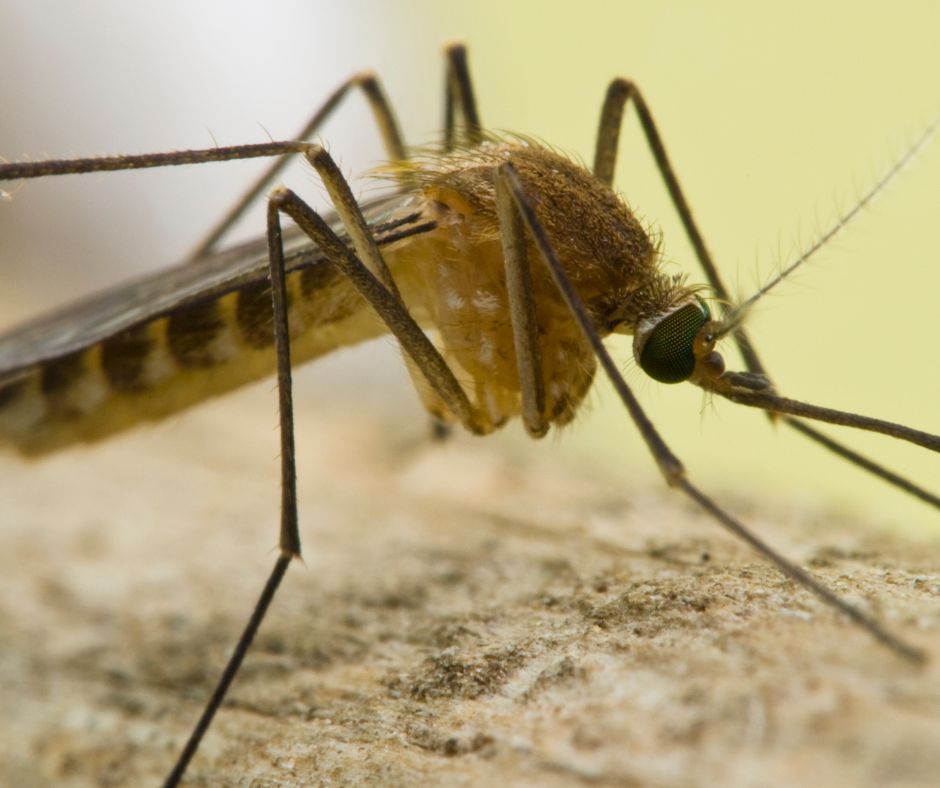
Creating a Mosquito-Free Zone: Natural Mosquito Control for Gardens and Families
Calendula's Garden is reader suported This post may contain affiliate links, more on our Disclaimer page. Thank you!
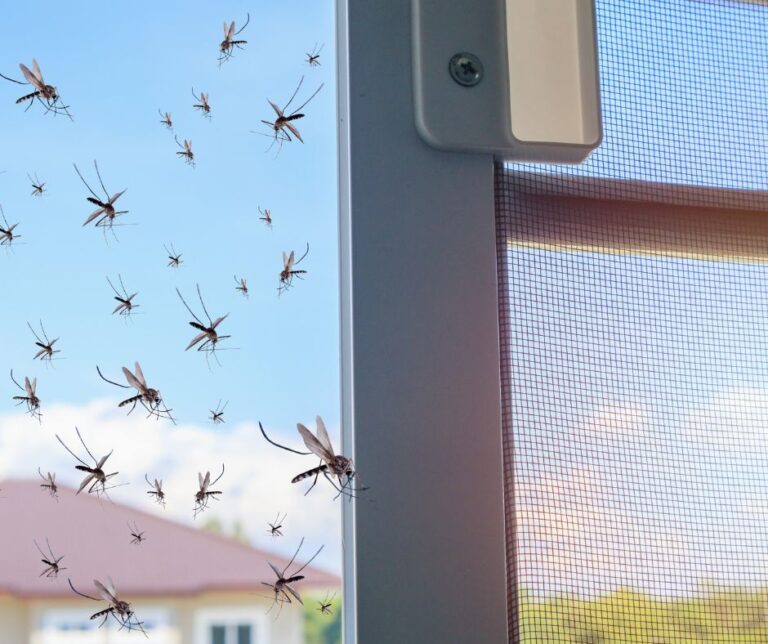
Mosquitoes are more than an outdoor nuisance—they’re a legitimate concern for gardeners, families, and homeowners. They bring itchy bites, and sleepless nights, and carry diseases that can put the health of you and your family at risk.
While chemical repellents are widely available, more and more people are turning to natural solutions to keep these pests away. Why? Because natural mosquito control not only protects your garden and loved ones but also safeguards the environment.
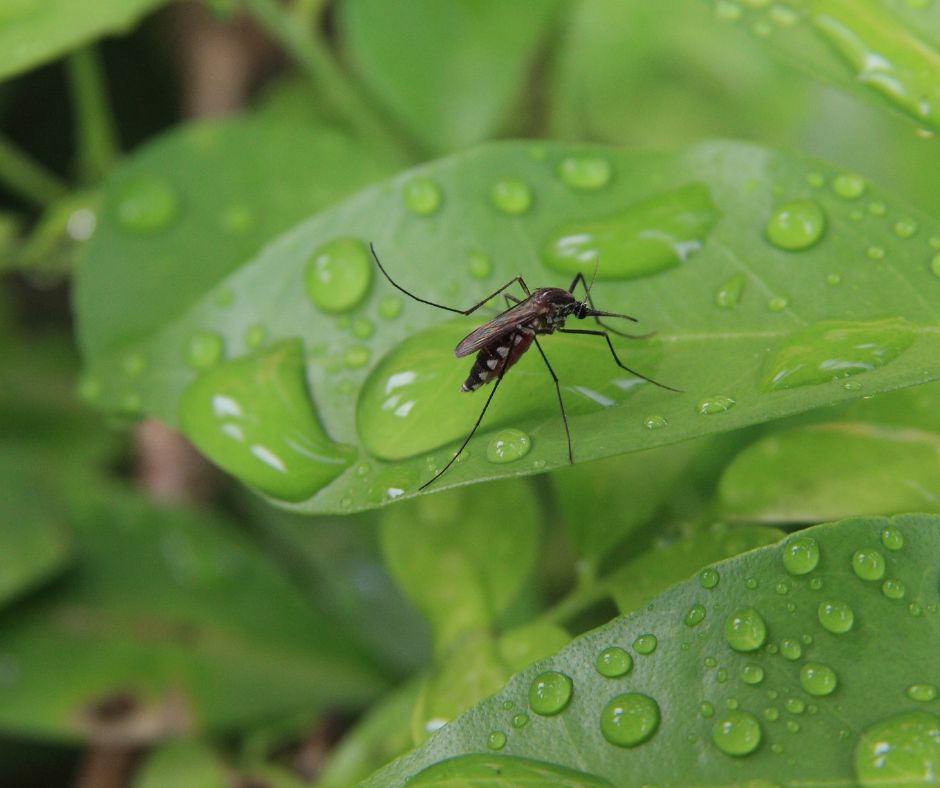
Whether you’re battling mosquitoes in your yard or seeking solutions to enjoy the outdoors without the buzz, this guide will arm you with effective, natural methods for mosquito control. From strategic planting to eco-conscious repellents, you’ll discover nontoxic ways to reclaim your space.
Understanding Mosquitoes and What Makes Them Thrive

Before you take on mosquitoes, it helps to know your “enemy.” Understanding their habits makes it far easier to manage and prevent infestations.
The Mosquito Life Cycle
Mosquitoes thrive in warm weather and need water to reproduce. Their life cycle has four stages—egg, larva, pupa, and adult. Female mosquitoes lay their eggs in standing water, which hatch into larvae.
Within about 7-10 days, these turn into adults ready to buzz around. That means just a small puddle or unattended backyard feature can become a breeding ground for hundreds of mosquitoes.
More about the Mosquito Life Cycle from the EPA
What Attracts Mosquitoes?
Mosquitoes love stagnant water, humid conditions, and shade. They’re also drawn to carbon dioxide (which humans and animals exhale) and body heat.
This is why they seem to target you the minute you step outside. Knowing this, you can start minimizing their favorite conditions in your space.
Creating a Mosquito Free Zone with Outdoor Fans
The Health Risks of Mosquitoes
Mosquitoes are more than a seasonal annoyance—they’re carriers of serious diseases like West Nile Virus, dengue fever, Zika virus, and malaria.
These risks make controlling mosquitoes an essential part of maintaining a safe environment for everyone, particularly children and pets.
Why Go Natural? The Earth-Friendly Case for Mosquito Control

Opting for natural mosquito control has its perks not just for you but for the ecosystem.
Safe for Kids and Pets
Many chemical pesticides are toxic and can have harmful side effects. Natural methods, when applied thoughtfully, are safer for little ones and furry family members.
Keep Mosquitoes at Bay: Guide to Nontoxic Mosquito Yard Sprays
Eco-Friendly
Chemical sprays harm beneficial insects like bees and butterflies, which are critical for plant pollination. Natural techniques maintain balance in your garden’s ecosystem.
Cost Effective
Many natural solutions involve low-cost household items, making them budget-friendly. Plus, prevention often saves on expensive treatments down the line.
Get Started With Our Favorite Natural Mosquito Control Solutions
Murphy’s Naturals Mosquito & Tick Bug Repellent Spray
Portable Misting Fan for Outside
Mighty Mint 32oz Peppermint Bug Control
Murphy’s Naturals Mosquito Bug Repellent Candles
Thermacell Mosquito Repellent E-Series Rechargeable Repeller
Natural Mosquito Control Methods for Your Garden
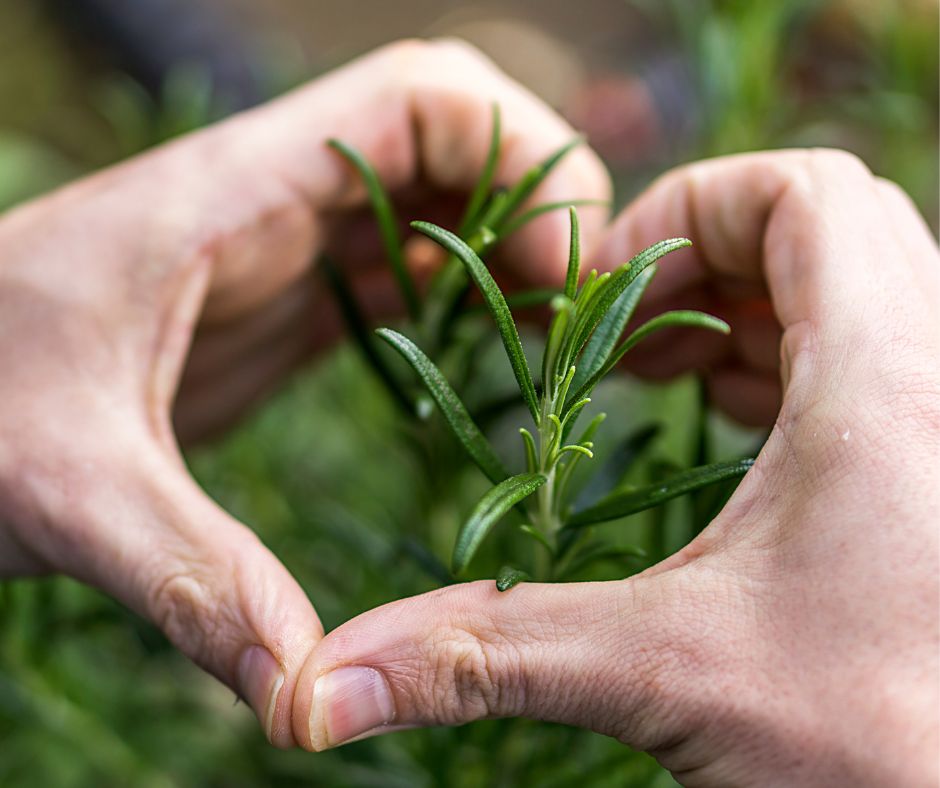
Your garden can be your first line of defense. With a few strategic decisions, you can turn your yard into an unappealing spot for mosquitoes.
1. Plants That Naturally Repel Mosquitoes
Did you know some plants are natural mosquito deterrents? Introduce these into your garden to ward off pests while adding beauty to your space.
- Lemon Balm: Its citrusy scent is a turn-off for mosquitoes.
- Lavender: Known to calm humans but drive insects away.
- Marigolds: Contain pyrethrum, a natural compound found in many insect repellents.
- Citronella Grass: Used in most natural citronella candles.
- Basil and Rosemary: Perfect for cooking and pest control—double duty!
Where to find seeds, plants, and supplies:
2. Welcome Natural Predators
Nature has its own mosquito control team that needs little encouragement. Attract these predators to your yard to keep mosquitoes in check.
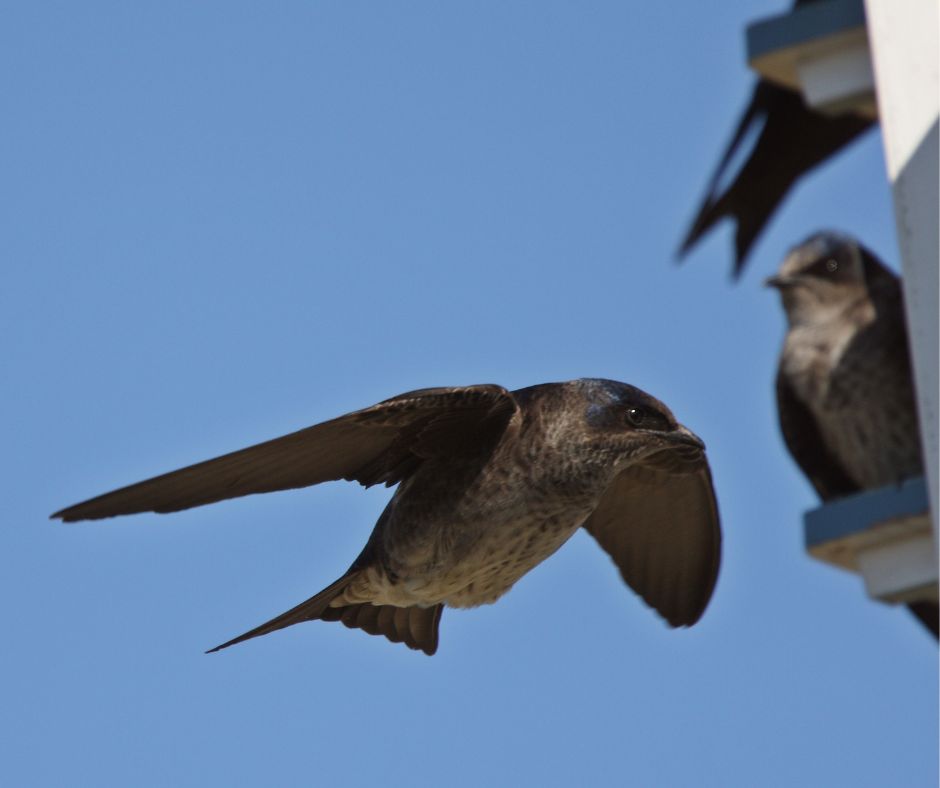
- Birds like swallows and purple martins actively eat mosquitoes. Add some birdhouses or feeders to your garden to attract them.
- Bats can consume thousands of mosquitoes in a single evening. Set up a bat house to encourage them to nest nearby.
- Dragonflies, often called “mosquito hawks,” love dining on mosquitoes. Plant aquatic vegetation to create an inviting habitat for them.
Natural Pest Control: Welcoming Mosquito Predators
3. Manage Standing Water

Mosquitoes need water to breed, so eliminating stagnant pools goes a long way.
- Regularly empty items like flowerpot saucers, birdbaths, and buckets.
- Consider adding a fountain or pump to your pond to keep water moving. Mosquitoes won’t lay eggs in flowing water.
- Clear gutters of debris—clogs create perfect hidden breeding spots.
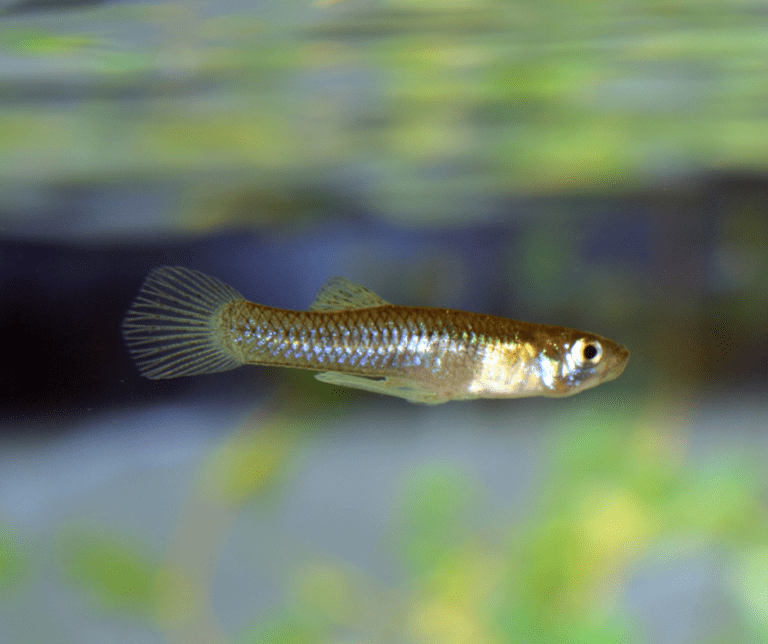
A Natural Approach to Mosquito Control: Using Bacteria to Target Larvae
4. DIY Mosquito Traps and Repellents
Homemade traps and repellents can be highly effective. Try these simple solutions:
- DIY Mosquito Trap: Use a plastic bottle, sugar water, and yeast to attract mosquitoes. (They enter but can’t escape.)
- Essential Oil Sprays: Combine oils like citronella, eucalyptus, and lemongrass diluted in water to create a nontoxic spray for outdoor furniture or plants.
See How Quickly Larvae Can Take Over Garden Planters
Natural Mosquito Control Methods for Your Family
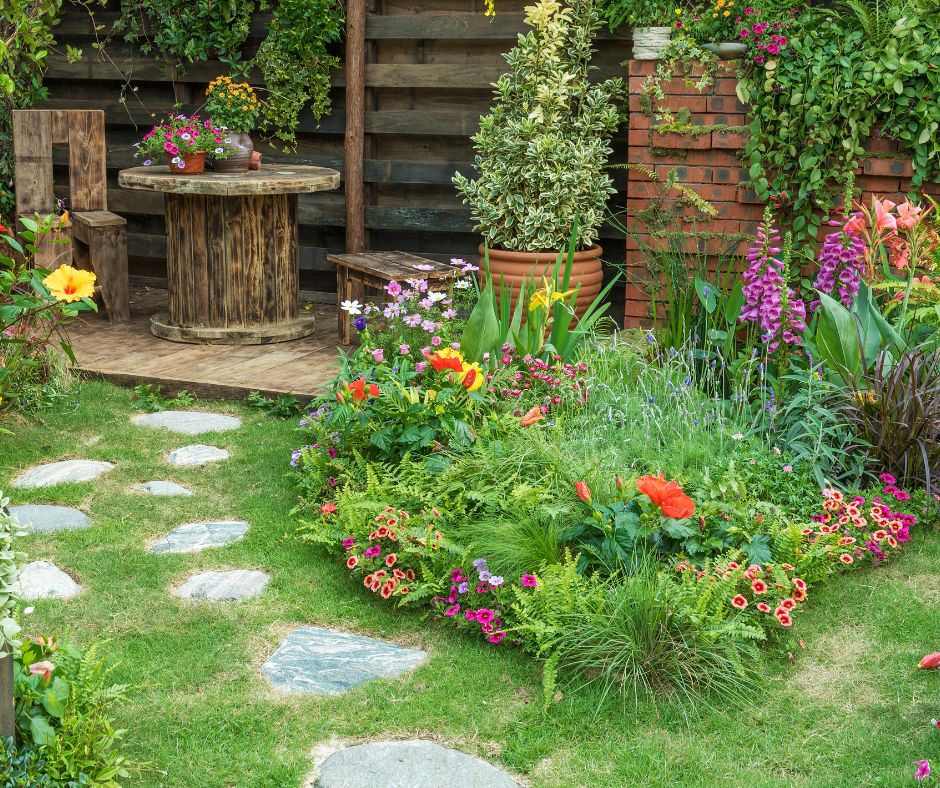
Fighting mosquitoes isn’t just a garden effort. Keep your family safe while enjoying outdoor activities with these practical tips.
1. Natural Repellents
Look for repellents made from plant-based ingredients like lemon eucalyptus oil or citronella. These are effective yet gentle on skin, making them great options for kids.
2. Protective Clothing
Mosquitoes are less likely to bite if your skin is covered. Wear lightweight, long-sleeve shirts and pants in light colors (mosquitoes are drawn to dark hues).
Guide to Treating Outdoor Gear with Permethrin
3. Time It Right
Mosquitoes are most active during dawn and dusk. Try to plan outdoor activities outside of these peak hours to avoid bites altogether.
Community Efforts Can Make All the Difference

Mosquito control improves exponentially when your whole community participates. Share tips with your neighbors, organize clean-up days to tackle public areas, or work with local groups to treat stagnant water in nearby parks.
A collective effort ensures mosquitoes don’t have a chance to thrive.
Debunking Mosquito Myths
Not all the tips you hear about mosquitoes are true! Here are some common misconceptions clarified.
- Myth: Bug zappers work well for mosquito control.
Truth: Bug zappers mostly attract and kill beneficial insects, not mosquitoes.
- Myth: Mosquitoes are only active at night.
Truth: While some species are nocturnal, others, like the Aedes mosquito, are most active during the day.
- Myth: Mosquitoes are attracted to light.
Truth: Mosquitoes are more attracted to carbon dioxide and body heat than to light sources.
- Myth: Wearing light-colored clothing completely prevents mosquito bites.
Truth: Light-colored clothing can help reduce bites, but mosquitoes are still drawn to exposed skin and body heat.
- Myth: All mosquitoes transmit diseases.
Truth: Only certain species, like Anopheles and Aedes mosquitoes, carry diseases, and even then, not every mosquito is infected.
A Healthier, Mosquito-Free Space Is Within Reach

Mosquitoes can cause more than a little frustration—but with thoughtful, natural solutions, you can take back control of your yard and outdoor experiences. Not only will these steps protect your family and garden, but they will also help nurture the local ecosystem for a healthier environment.
By incorporating mosquito-repelling plants, eliminating breeding grounds, and using gentle natural repellents, you’ll enjoy mosquito-free days under the sun or starry nights on the patio.
Remember: You don’t have to do this alone. Get the whole family involved in creating a natural mosquito-free environment—or better yet, encourage your neighborhood to join in. Together, you can make significant strides against these pesky invaders while staying kind to Mother Earth.
Visit the Garden Resources page for supplies and inspiration. Don’t forget to subscribe to the Calendula’s Garden Newsletter for more gardening tips.
Calendula’s Garden is reader supported. When you buy through links on our site, we may earn an affiliate commission. As an Amazon Associate, I earn from qualifying purchases. For more information, view our Disclaimer page. Thank you!





An excellent and informative read! I appreciate how this site offers so much useful content.