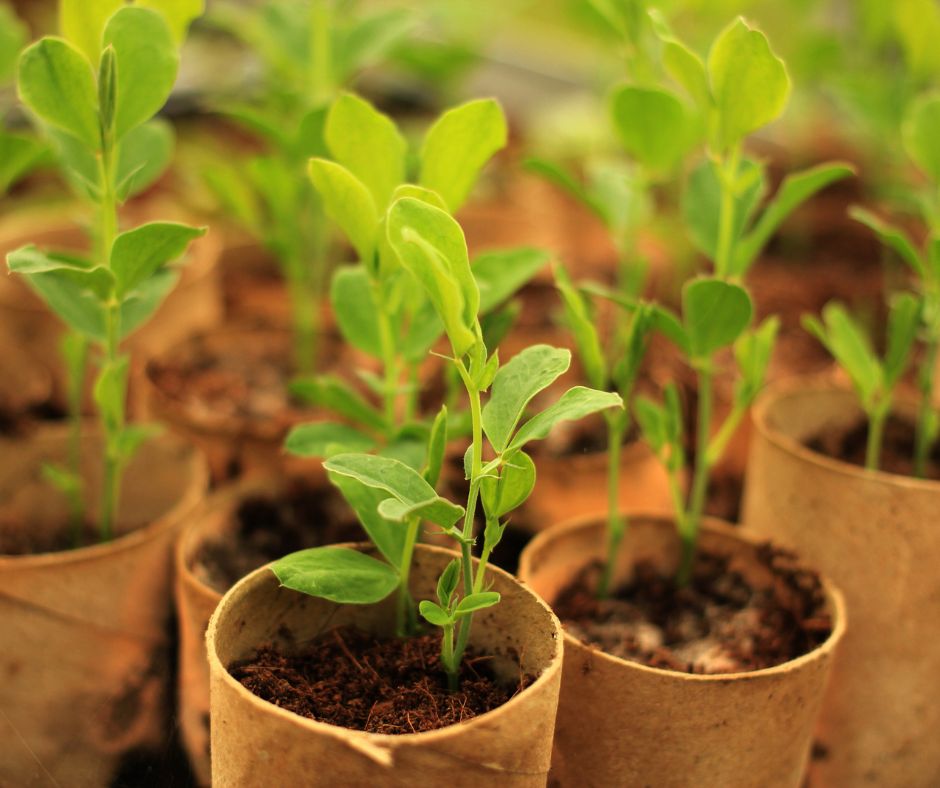
Create a Sustainable and Stunning Spring Garden
Calendula's Garden is reader suported This post may contain affiliate links, more on our Disclaimer page. Thank you!

Spring is the perfect time of year to transform your outdoor space into a lush, vibrant garden.
For gardeners enthusiasts alike, planting a spring garden offers not only aesthetic and emotional rewards but also environmental benefits.
From reducing your carbon footprint to providing a habitat for pollinators, gardening is a step toward a healthier planet.
Whether you’re new to gardening or looking to refine your skills, this guide will walk you through the essential steps to create and maintain a thriving spring garden. From planning and planting to sustainable maintenance practices, everything you need is here.
Planning Your Garden
Choose the Right Plants
Before you buy seeds or head to your local nursery, take time to consider what you want to grow. Are you interested in colorful flowers, fresh vegetables, fragrant herbs—or all three? Pay attention to plant compatibility and sunlight requirements. For instance:
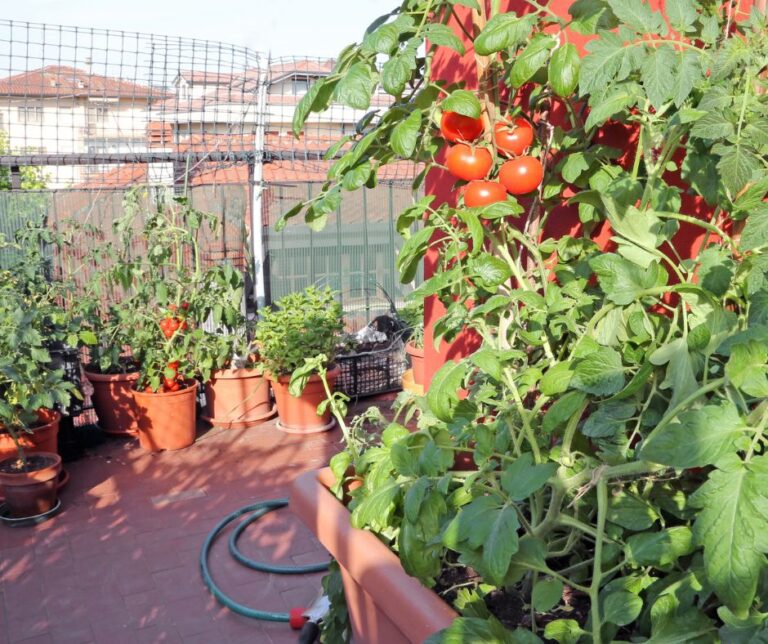
- Vegetables like tomatoes thrive in full sun.
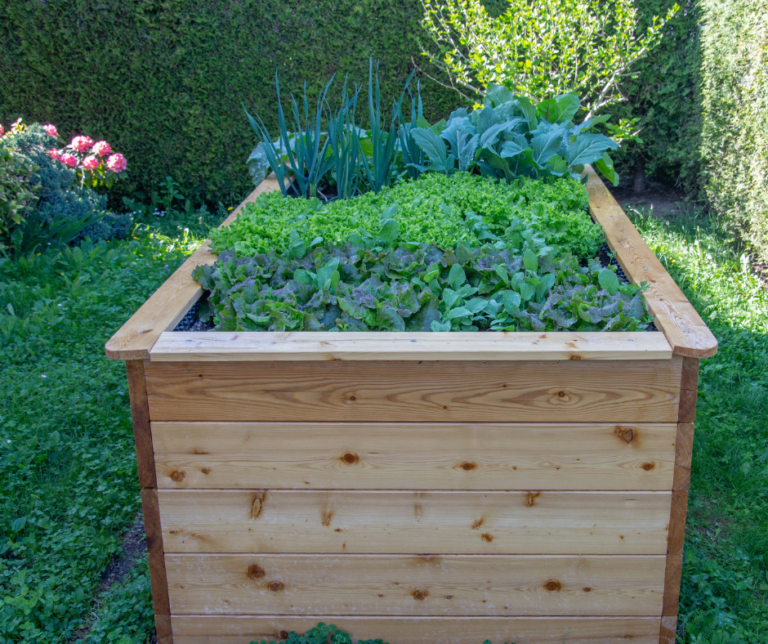
- Shady corners of your yard can be perfect for lettuce, ferns, and hostas.
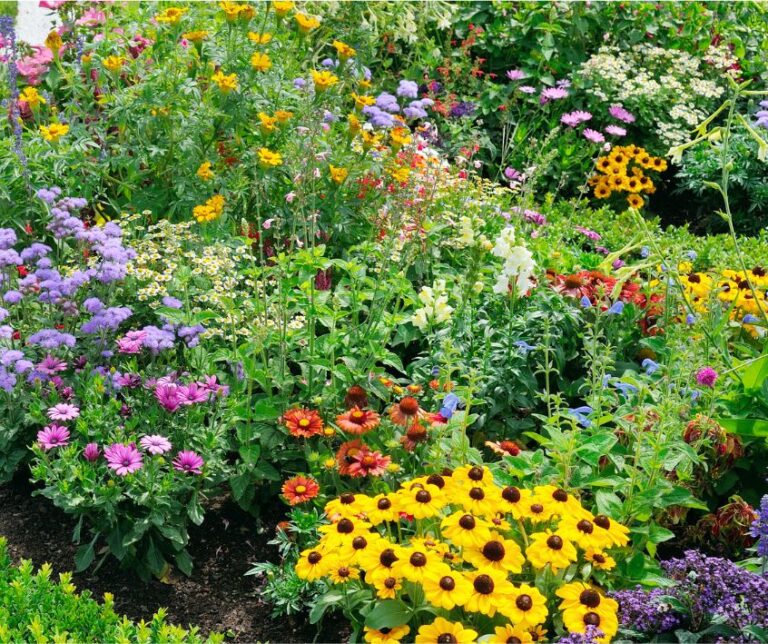
- Consider a mix of perennials (which return each year) and annuals (which need replanting) to maximize your garden’s longevity and variety.
Understand Your Local Climate
Knowing your USDA Hardiness Zone will help you determine which plants can survive and thrive in your region. For example, if you live in Zone 4, focus on hardy plants capable of withstanding cooler nights.
Growing native plants is a great way to ensure success—they’re adapted to your climate and often require less maintenance.
Design Your Layout
A thoughtful garden design can help you use your space efficiently and create a visually pleasing arrangement. Use these tips to get started:
- Group plants by sunlight needs: Place sun-loving plants in open areas and shade-tolerant plants under larger trees.
- Think about spacing: Overcrowding can lead to stunted growth, so check seed packet labels for spacing recommendations.
- Add pathways: Lay down stepping stones or mulch trails to make weeding and maintenance easier without damaging plants.
Preparing the Soil
Healthy soil is the foundation of a productive garden. Spend time ensuring your soil is nutrient-rich and ready for planting.
Test Your Soil
A simple soil test will measure critical factors like pH levels, nutrient content, and drainage. You can purchase inexpensive test kits from garden centers or send a sample to a local extension office for analysis.
Amend Your Soil
Based on your soil test results, you may need to adjust its composition. Common soil amendments include:
- Adding compost to enrich sandy or poor soil.
- Mixing in lime to raise pH if the soil is too acidic.
- Using sulfur to lower pH if the soil is too alkaline.
Prepare the Ground
Clear any weeds or rocks from the area, and break up heavy soil with a garden fork or tiller. Rake the soil to create an even surface before planting.
Planting Your Garden
When your soil is ready, it’s time to get your hands dirty—literally! Follow these step-by-step instructions for planting seeds and seedlings.
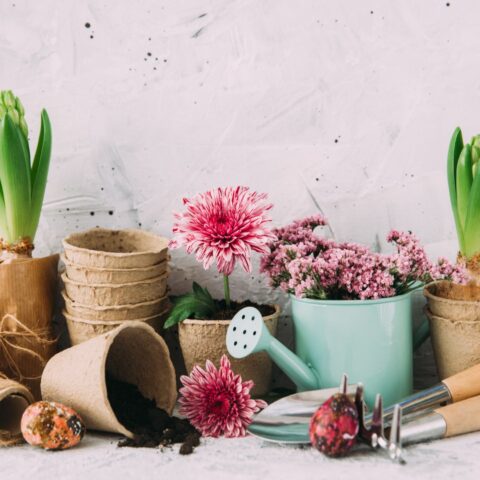
Where to find seeds, plants, and supplies:
Planting Seeds
- Dig rows to the required depth, paying attention to instructions on seed packets.
- Drop seeds in evenly spaced intervals. This ensures all plants get enough room and resources to grow.
- Cover seeds lightly with soil and water gently to settle the earth over them.
Planting Seedlings
- Dig a hole slightly larger than the seedling’s root ball.
- Loosen roots gently before placing the seedling into the hole.
- Fill the hole with soil, firming it lightly around the base of the plant.
Pro Tip: Plant in the early morning or evening to minimize stress from the midday sun.
Maintenance Tips
Keeping your spring garden healthy requires consistent effort. Here’s what you need to know to maintain it year-round.
Watering
Stick to a regular watering schedule tailored to your climate. Early morning watering is ideal because it minimizes evaporation and gives plants time to absorb moisture before the heat of the day.
Fertilization
For optimal growth, fertilize plants regularly using an organic or slow-release fertilizer. Be cautious not to over-fertilize—this can cause excess foliage growth at the expense of flowers or fruits.
Pest & Disease Management
Common pests like aphids and snails can wreak havoc in your garden. Combat them naturally by:
- Introducing beneficial insects like ladybugs to control pest populations.
- Using barriers like copper tape to deter snails and slugs.
- Spraying diluted neem oil on leaves to prevent infections caused by fungal diseases.
Sustainable Practices
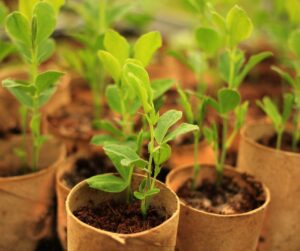
Eco-friendly gardening isn’t just good for the planet—it can also save you time and money. Consider adopting these sustainable techniques in your spring garden.
Composting
Turn your kitchen scraps and yard waste into rich, organic compost. Use it as a natural fertilizer to improve soil health and reduce reliance on chemical additives.
Rainwater Harvesting
Collect rainwater in barrels to irrigate your garden. Rainwater is free, sustainable, and better for plants than chemically treated tap water.
Natural Pest Control
Skip chemical pesticides that can harm pollinators and beneficial insects. Instead:
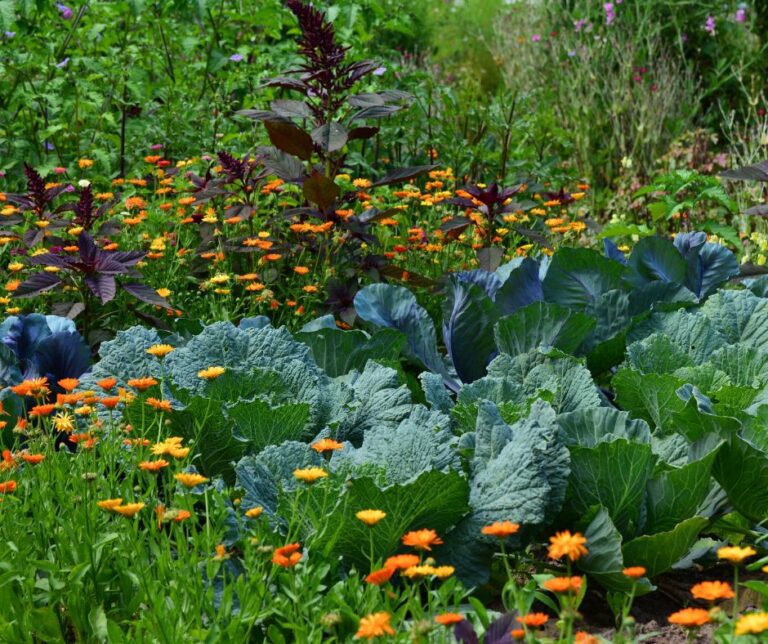
- Plant marigolds and lavender to repel pests.
- Attract birds by installing feeders and perches—they’ll naturally control insect populations.
Success Stories from Home Gardeners
Still need convincing? Here are a few highlights from gardeners just like you.
Maya from Austin, Texas: “Starting a spring vegetable garden changed how my family eats—we’re growing our own greens, and it feels amazing!”
James from Portland, Oregon: “I created a pollinator-friendly garden using native plants. The number of butterflies I’ve seen this year is incredible.”
Start Growing Today
There’s no better time than now to plant your spring garden. From choosing the right plants to maintaining a lush, thriving space, gardening is a rewarding way to beautify your home and connect with nature.
Not to mention, the joy of harvesting your own flowers, vegetables, and herbs is second to none!
We’d love to hear about your spring gardening experiences. Drop a comment below or tag us in your garden photos on social media.
Visit the Garden Resources page for supplies and inspiration. Don’t forget to subscribe to the Calendula’s Garden Newsletter for more gardening tips.
Calendula’s Garden is reader supported. When you buy through links on our site, we may earn an affiliate commission. As an Amazon Associate, I earn from qualifying purchases. For more information, view our Disclaimer page. Thank you!