Cottage Garden Blooms on a Budget
Calendula's Garden is reader suported This post may contain affiliate links, more on our Disclaimer page. Thank you!
Have you ever scrolled through photos of lush, overflowing gardens filled with hollyhocks and roses and sighed, thinking such beauty is out of reach for your wallet?
You aren’t alone. The romantic, slightly wild aesthetic of a cottage garden often looks like it requires a professional landscaper and a small fortune in plants.
But here is a little secret that experienced gardeners know well: the very essence of the cottage garden is humble, practical, and scrappy.
Historically, these gardens weren’t designed for show; they were working plots for peasants and cottagers who needed to grow food, medicine, and flowers for their bees all in one small space.
They used what they had, propagated their own plants, and let nature fill in the gaps.
This means that by definition, a cottage garden is the perfect style for a budget-conscious gardener. It thrives on ingenuity rather than expensive hardscaping or rare, pricey cultivars.
You don’t need a massive budget to create a stunning outdoor sanctuary that hums with pollinators and bursts with color. With a bit of planning, some patience, and a willingness to get your hands dirty, you can cultivate a breathtaking space that supports local biodiversity and soothes your soul.
Whether you are working with a sprawling backyard or a tiny urban patch, let’s explore how you can achieve that dreamy, abundant look without breaking the bank.
Planning Your Cottage Garden
Before you buy a single packet of seeds, take a moment to breathe and observe. A little planning now saves money (and heartache) later.
The goal isn’t to create a rigid blueprint, but to understand the canvas you are working with so your plants will thrive naturally.
Assess Your Space and Soil
Walk around your garden space at different times of the day. Where does the sun hit at 10 AM versus 4 PM?
Cottage garden favorites like roses, peonies, and coneflowers generally crave full sun (at least 6-8 hours a day).
If you have a shady spot, don’t worry, foxgloves and bleeding hearts love those cooler corners.
Next, get to know your soil. You don’t need an expensive lab test to start. Is the earth crumbly and dark, or sticky clay, or perhaps sandy and dry?
Most cottage plants prefer “well-draining” soil that is rich in organic matter. If your soil is poor, the most budget-friendly fix is compost.
You can start a compost pile today with kitchen scraps and yard waste. It’s free fertilizer! Healthy soil leads to healthy plants, which means you won’t be spending money on chemical fertilizers or pest control later on.
Where to find seeds, plants, and supplies:
Sketch a Simple Design
Grab a piece of paper and a pencil. You don’t need to be an artist; circles and blobs work perfectly fine. Sketch out the general shape of your beds.
Traditional cottage gardens rarely use straight lines; think curves and flowing shapes that soften the edges of your home.
When planning, keep “biodiversity” in the front of your mind. Intermingling different types of plants helps confuse pests and creates a healthier ecosystem.
Plan to mix edibles like kale or chard right in with your flowers. Their foliage is beautiful and functional.
This “polyculture” approach is a hallmark of sustainable gardening and maximizes every inch of space you have.
Affordable Plant Choices
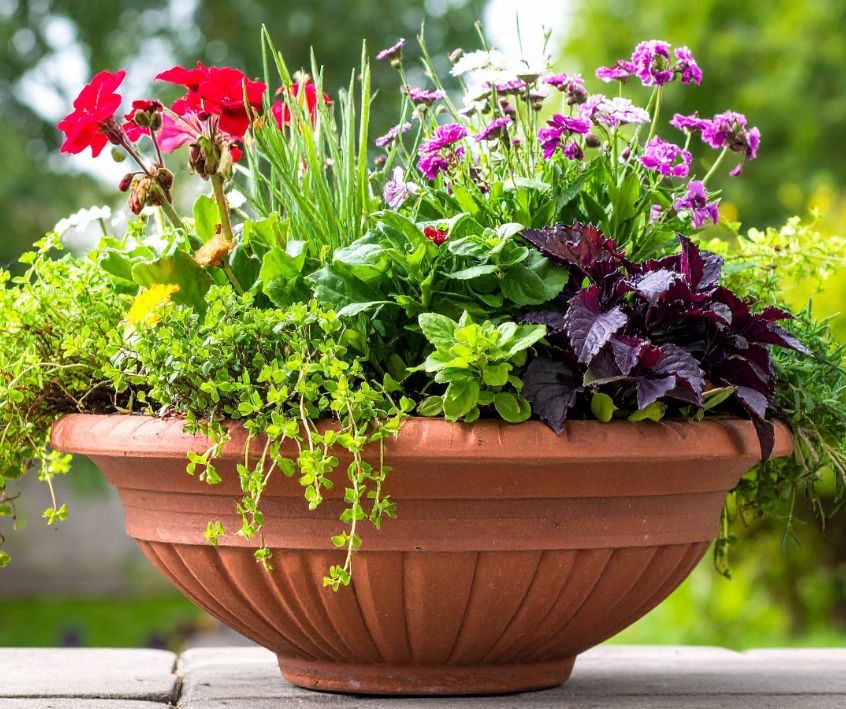
The biggest expense in any garden is usually the plants themselves.
If you go to a nursery and buy large, blooming potted plants, your budget will vanish instantly. The trick is to choose wisely and start small.
Annuals vs. Perennials: Balancing Cost and Longevity
Understanding the difference between annuals and perennials is crucial for your budget.
- Annuals complete their life cycle in one season. They grow fast, bloom hard, and then die. They are incredibly cheap (especially from seed) and provide instant gratification and color.
- Perennials come back year after year. They cost more upfront but are an investment.
For a budget cottage garden, aim for a mix. Use cheap annuals to fill in empty spaces and provide color while your slower-growing perennials establish themselves.
Over time, your perennials will grow larger and can be divided (more on that later!), giving you free plants for years to come.
Top 5 Budget-Friendly Cottage Garden Plants
Here are five superstars that are easy to grow, affordable, and perfect for beginners:
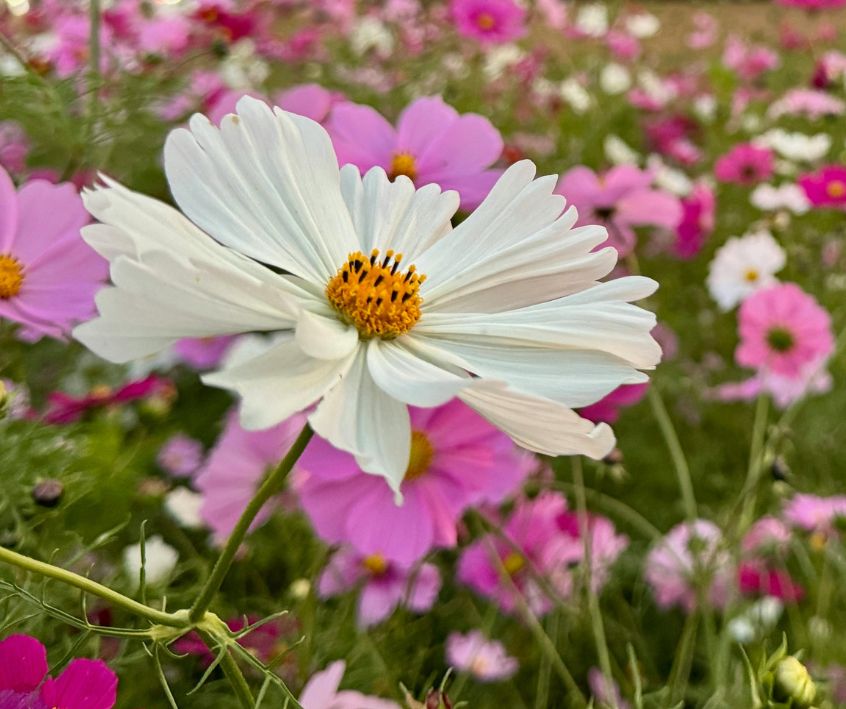
Cosmos (Cosmos bipinnatus)
These cheerful annuals grow tall and produce daisy-like flowers in shades of pink, white, and maroon. They are incredibly easy to grow from seed directly in the ground. Pollinators adore them!
- Care Tip: Don’t over-fertilize them, or you’ll get lots of leaves but few flowers. They actually prefer “poor” soil.
Calendula (Calendula officinalis)
Also known as pot marigold, this annual offers bright orange or yellow blooms. It’s edible, medicinal, and known to attract beneficial insects that eat aphids.
- Care Tip: Deadhead (remove spent blooms) regularly to encourage them to keep flowering all season long.
Purple Coneflower (Echinacea purpurea)
A sturdy perennial that is a magnet for butterflies and bees. It’s drought-tolerant once established, saving you money on water.
- Care Tip: Leave the seed heads on the plants in autumn; goldfinches and other birds love to eat the seeds during winter.
Nasturtium (Tropaeolum)
The ultimate budget plant. These annual trailers produce vibrant jewel-toned flowers and round lily-pad leaves. Every part of the plant is edible with a peppery kick.
- Care Tip: Soak the large seeds in water overnight before planting to help them germinate faster.
Foxglove (Digitalis purpurea)
Nothing says “cottage garden” quite like the tall spires of foxglove. While many are biennials (living for two years), they reseed themselves so effectively that you will likely always have them once you plant them.
- Care Tip: Be aware that all parts of this plant are toxic if ingested, so plant with care if you have curious pets or toddlers.
DIY Garden Features
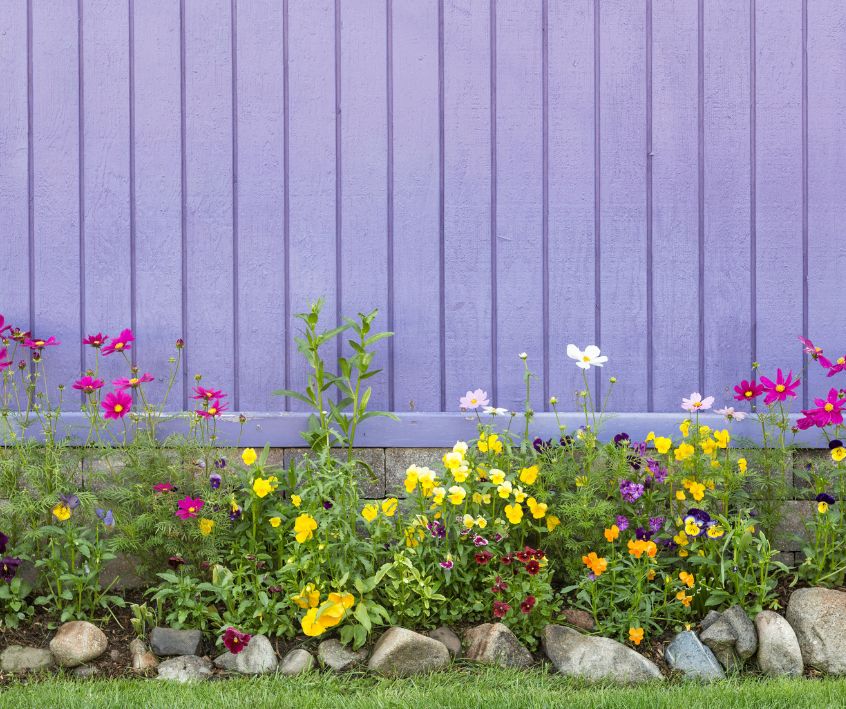
Hardscaping, the paths, walls, and structures, can eat up a budget fast. However, the rustic charm of a cottage garden embraces the imperfect and the handmade. This is your permission to scavenge and upcycle!
Repurposing Materials for Planters and Edging
Look around your garage or local thrift stores. An old wooden ladder can become a trellis for sweet peas.
A leaky metal bucket makes a charming planter for herbs (just drill a few holes in the bottom for drainage).
For edging your garden beds, skip the expensive stone or plastic borders. You can use fallen branches or logs from your neighborhood to create a natural, woodland-style edge.
This not only looks lovely but also provides habitat for beetles and other beneficial insects as the wood slowly decomposes.
Another free option is “trench edging,” where you simply dig a shallow V-shaped trench between the grass and the garden bed to keep them separate. It looks crisp, professional, and costs nothing but a little sweat equity.
Creating Simple Garden Art
Garden art adds personality and whimsy. Instead of buying expensive statues, try making your own.
Bird Baths
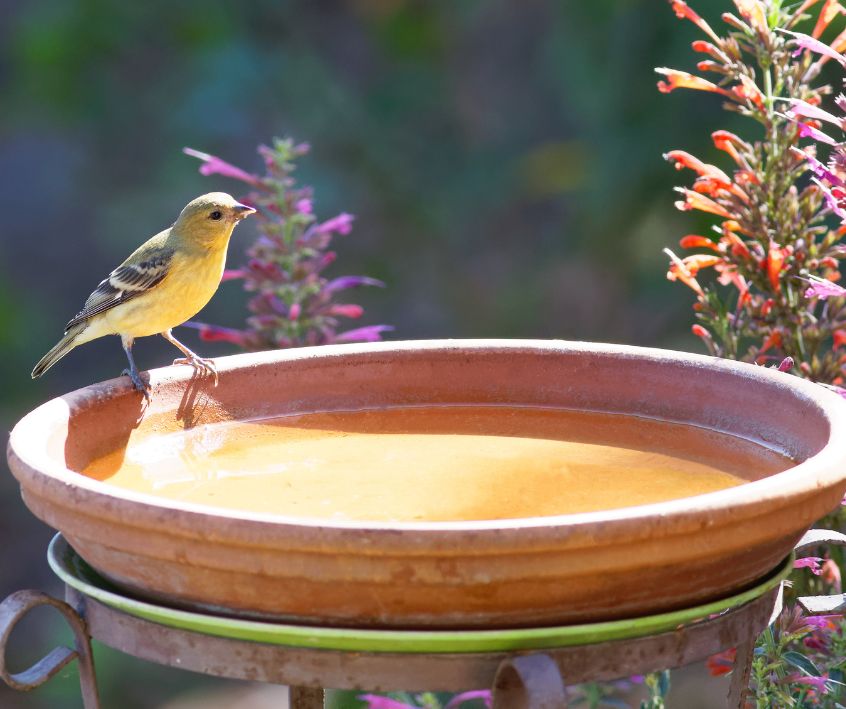
Stack a few terracotta pots upside down and top with a large saucer. Fill it with water and fresh stones for the bees to land on. This invites birds to your garden, who will thank you by eating slugs and caterpillars.
Plant Markers
Paint smooth stones with the names of your plants. It’s a fun craft project that helps you remember where you planted those sleeping perennials.
Seed Starting and Propagation
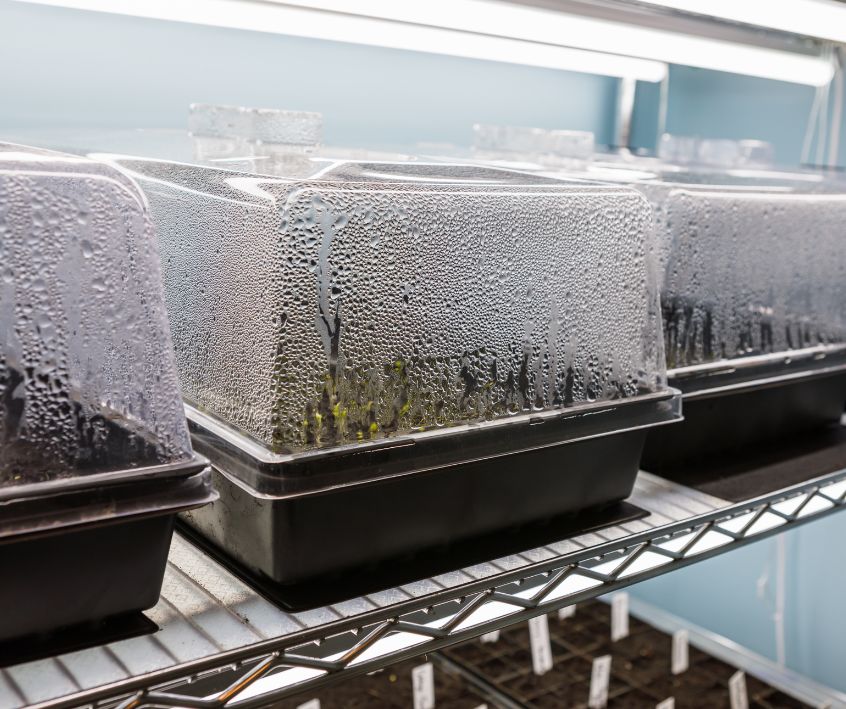
If you want to save serious money, step away from the garden center starts and embrace seeds and propagation. This is where the magic of nature really multiplies your investment.
Starting Plants from Seed: A Step-by-Step Guide
A packet of 50 seeds often costs less than a single potted plant.
- Check the Packet: Look for “Direct Sow” instructions. Plants like sunflowers, zinnias, beans, and peas hate being transplanted and actually prefer to be planted straight into the garden soil after the frost has passed.
- Prepare the Soil: Loosen the top inch of soil and remove weeds.
- Plant Depth: A general rule is to plant seeds twice as deep as they are wide. Tiny seeds can just be sprinkled on top and patted down.
- Keep Moist: The most critical part is keeping the soil gently moist until you see green sprouts. Don’t let them dry out!
Dividing Perennials to Expand Your Garden
This is the frugal gardener’s best trick. Many perennials, like hostas, daylilies, and irises, grow into large clumps over a few years.
- When to Divide: usually in spring or autumn when the weather is cool.
- How to Do It: Dig up the whole clump. Using a sharp spade or garden knife, slice the root ball into two or three smaller sections. Replant them immediately in new spots.
- The Result: You just turned one plant into three for free! If you have friends who garden, offer to swap your divisions for theirs. It’s a wonderful way to diversify your garden without spending a dime.
Local Resources and Community
Gardening is inherently communal. You are joining a tradition that goes back generations, and there are likely resources right in your neighborhood that you haven’t tapped into yet.
Visiting Local Nurseries for Deals
Big box stores are convenient, but local nurseries often have better knowledge and better plants adapted to your specific climate.
- Shop the “Distressed” Section: Most nurseries have a clearance rack for plants that have finished blooming or look a little scraggly. With a little love, water, and compost, these plants usually bounce back beautifully next season.
- End-of-Season Sales: Late autumn is a prime time to buy perennials and shrubs at deep discounts. Plant them before the ground freezes, and they will wake up happy in your garden next spring.
Joining Garden Clubs and Seed Swaps
Look for local garden clubs or online community groups. Gardeners are generally generous people.
Many towns host seed swaps in the spring, where you can trade your extra cosmos seeds for someone else’s tomato seeds. It’s also a fantastic place to get advice tailored to your specific region’s weather and pests.
Don’t be afraid to ask neighbors for cuttings or divisions, either. If you see someone with a thriving garden, a compliment and a polite question often leads to a new friendship and perhaps a snippet of a plant to root at home.
Cultivating Your Own Sanctuary
Creating a cottage garden on a budget is not just about saving money; it is a journey of creativity and resilience.
It allows you to slow down, connect with the seasons, and build a sanctuary that nurtures both your family and the local ecosystem.
By starting from seed, repurposing materials, and embracing the community around you, you are building something far more valuable than what money can buy.
Remember, a garden is never truly “finished.” It evolves, just like we do. So grab your shovel, get outside, and start planting. Your little patch of paradise is waiting to bloom.
Visit the Garden Resources page for supplies and inspiration. Don’t forget to subscribe to the Calendula’s Garden Newsletter for more gardening tips.
Calendula’s Garden is reader supported. When you buy through links on our site, we may earn an affiliate commission. As an Amazon Associate, I earn from qualifying purchases. For more information, view our Disclaimer page. Thank you!