Christmas Cactus Care: How to Keep Your Plant Blooming for Years
Calendula's Garden is reader suported This post may contain affiliate links, more on our Disclaimer page. Thank you!
There is something undeniably magical about a plant that decides to burst into vibrant color just as the days get shortest and the weather turns cold. While poinsettias often get the glory, the Christmas cactus (Schlumbergera buckleyi) is the true hero of the holiday season.
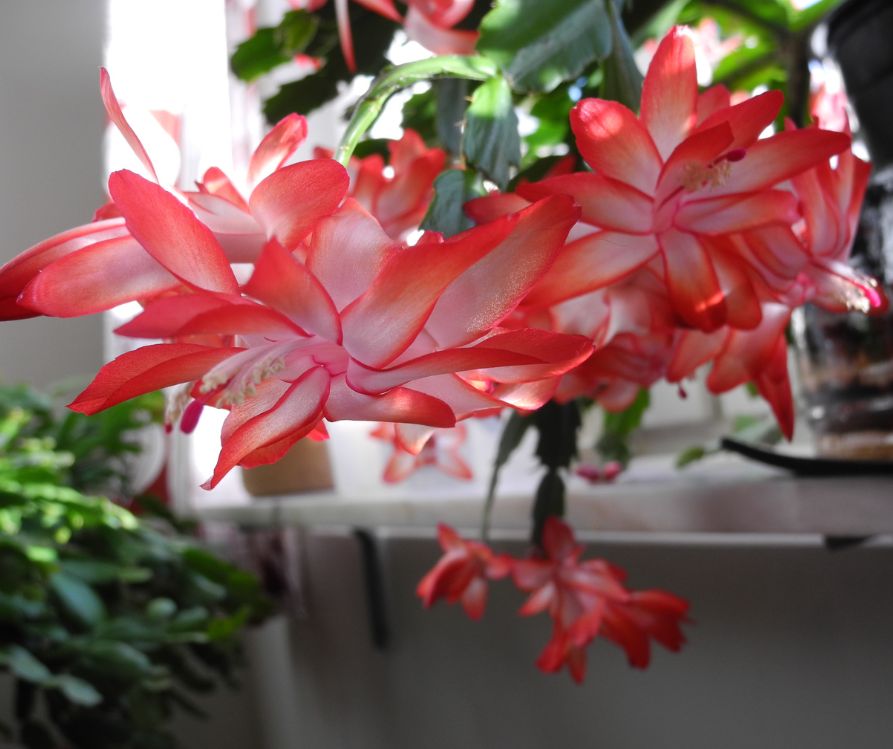
These beauties, with their segmented stems and tubular flowers in shades of red, pink, white, and purple, have become a beloved tradition in homes across the world.
If you’ve recently been gifted one, or if you picked one up hoping to add some cheer to your winter windowsill, you might be wondering how to keep it alive. The good news is that these plants are incredibly resilient.
In fact, they are known as “heritage plants” because, with the right care, they can live for decades, long enough to be passed down to the next generation of gardeners in your family.
However, treating a Christmas cactus like a standard desert cactus is a recipe for disaster. Let’s explore exactly what this unique plant needs to thrive, how to make new plants from cuttings, and the secret to getting those spectacular blooms year after year.
Understanding the Christmas Cactus
Before we get into the nitty-gritty of care, it helps to know where this plant comes from. Unlike the prickly cacti you might find in a hot, dry Arizona desert, the Christmas cactus hails from the cool, shaded rainforests of Brazil.
They are epiphytes, which is a fancy scientific way of saying they grow on top of other plants (usually trees) rather than in the ground. In the wild, their roots anchor into moss and bark high up in the canopy, where they enjoy filtered sunlight and humidity.
This origin story is the key to understanding their care. They don’t want baking hot sun or bone-dry sand. They crave the conditions of a tropical canopy: dappled light, moderate moisture, and airflow.
How can I tell if I have a Christmas or Thanksgiving Cactus?
This is a common point of confusion! Most “Christmas cacti” sold in garden centers in November and December are actually Thanksgiving cacti (Schlumbergera truncata).
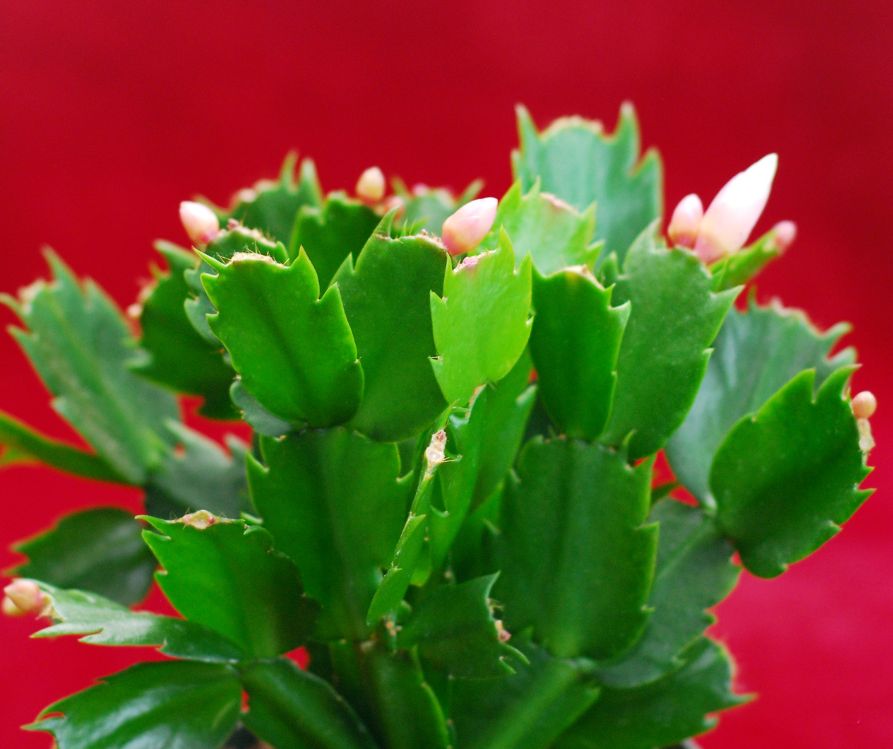
- Thanksgiving Cactus: The leaf segments have pointy, claw-like edges. The flowers produce pollen that is yellow.
- Christmas Cactus: The leaf segments have smooth, scalloped, or rounded edges. The pollen is pink.
Fortunately, the care for both is nearly identical, so regardless of which variety sits on your shelf, this guide has you covered.
Optimal Growing Conditions
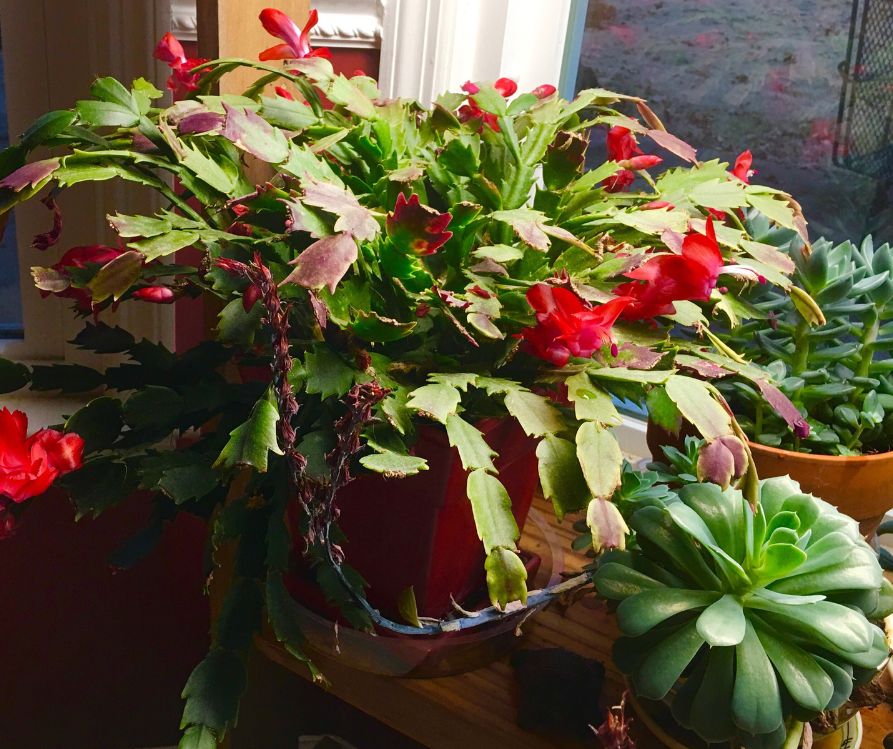
Creating a little slice of the Brazilian rainforest in your living room isn’t as hard as it sounds. You just need to balance a few key elements.
Light
Because these plants are adapted to living under the tree canopy, they prefer bright, indirect light. An east-facing window is often the perfect spot. It provides gentle morning sun but protects the plant from the harsh, burning rays of the afternoon.
If you notice the leaf segments turning purple or red, it’s usually a sign that the plant is getting too much direct sun and is essentially getting a sunburn.
Temperature and Humidity
Christmas cacti prefer household temperatures that are comfortable for people. Generally between 60°F and 70°F (15°C to 21°C). They are sensitive to extreme heat and cold drafts, so keep them away from radiators, fireplaces, and drafty doors.
Humidity is where many indoor gardeners struggle, especially in winter when heaters dry out the air. If your home is dry, you can increase humidity by placing the pot on a tray of pebbles filled with water (ensure the pot isn’t sitting in the water) or by misting the leaves occasionally.
Soil Requirements
Remember, in nature, these plants grow in tree nooks, not heavy dirt. Standard potting soil can suffocate their roots. You want a potting mix that drains very well.
A mix designed for succulents or bromeliads works wonders. If you are mixing your own, try combining quality potting soil with perlite or orchid bark to ensure plenty of air pockets for the roots.
Watering and Fertilizing
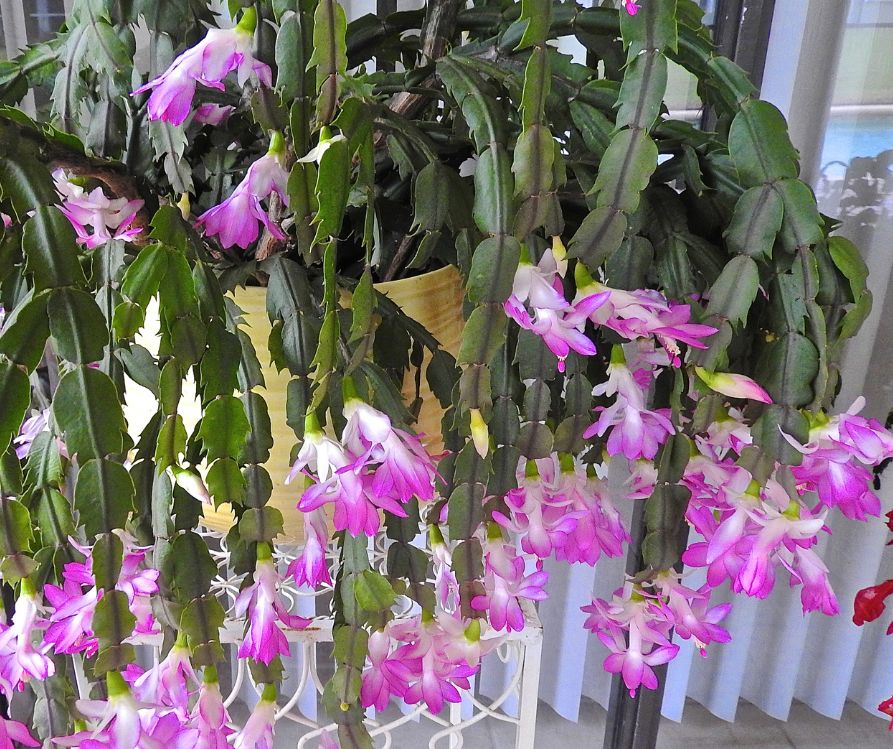
Finding the watering “sweet spot” is the most critical part of Christmas cactus care.
How often should I water my Christmas Cactus?
Forget the “water once a month” rule you use for other succulents. The Christmas cactus likes to be kept evenly moist but never soggy.
A good rule of thumb is to check the top inch of soil. If it feels dry to the touch, it’s time to water.
When you do water, do it thoroughly. Pour water until it runs out of the drainage holes at the bottom of the pot, then discard the excess water in the saucer. Never let the plant sit in standing water, as this leads to root rot, the number one killer of these plants.
Fertilization Schedule
To keep your plant green and growing, feed it with a balanced houseplant fertilizer (like a 20-20-20 formula) diluted to half strength.
- Spring and Summer: Fertilize once a month during the active growing season.
- Late Fall and Winter: Stop fertilizing in late October to help the plant shift into blooming mode. You can resume once the blooming cycle has finished in early spring.
Common Problems and Solutions
Even the most attentive gardener runs into trouble sometimes. Here are a few issues you might encounter.
Why are the flower buds dropping off?
“Bud drop” is heartbreaking. You see the buds form, get excited, and then find them on the floor a few days later. This is usually caused by a sudden change in environment.
- Temperature swings: Did you move the plant near a heater or a drafty window?
- Movement: Once buds form, try not to move the pot. Changes in lighting direction can stress the plant enough to drop buds.
- Watering: Overwatering or underwatering during the budding phase can also cause drop. Keep moisture consistent.
Pests and Diseases
These cacti are relatively pest-free, but keep an eye out for mealybugs (which look like tiny bits of white cotton) and spider mites.
If you spot them, wipe the leaves down with a damp cloth or use insecticidal soap. Root rot is the primary disease to worry about, and it is almost always caused by poor drainage or overwatering.
Propagation Methods
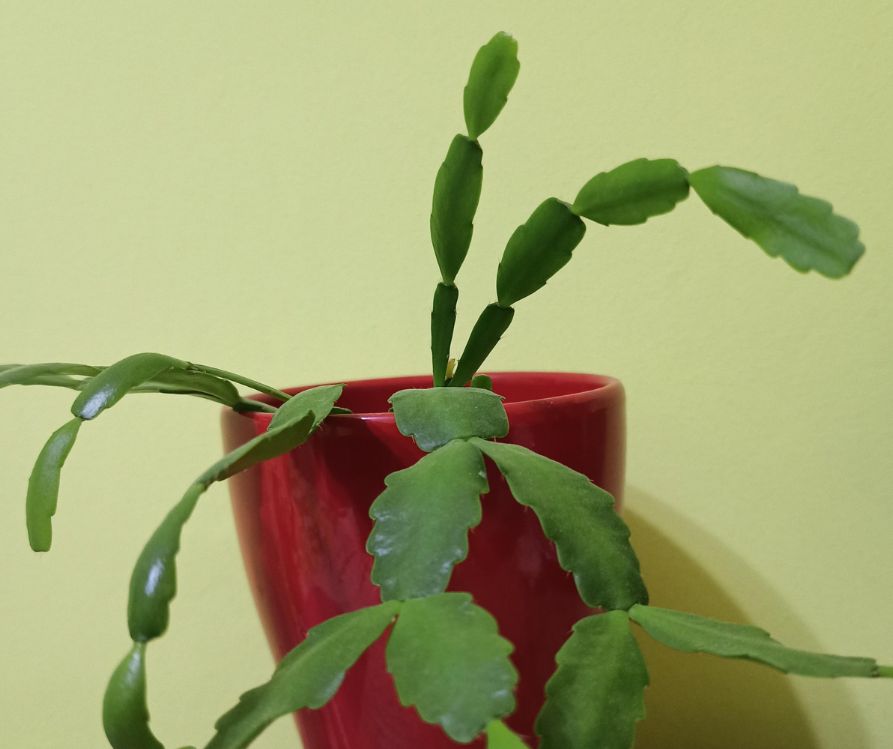
One of the best things about the Christmas cactus is how easy it is to share. Propagation is simple and makes for a thoughtful, homegrown gift.
How to propagate from stem cuttings
- Twist: Gently twist off a section of the stem that has 2 to 3 leaf segments. You don’t need a knife; they usually snap off cleanly at the joint.
- Dry: Set the cuttings aside in a cool, dry place for 24 to 48 hours. This allows the cut end to “callus” or heal over, which prevents rot.
- Plant: Insert the callused end about an inch deep into a small pot filled with moist, sandy soil or vermiculite.
- Root: Place the pot in bright, indirect light and keep the soil slightly moist. In a few weeks, roots will form, and you’ll see new growth appearing at the tips.
Encouraging Blooming
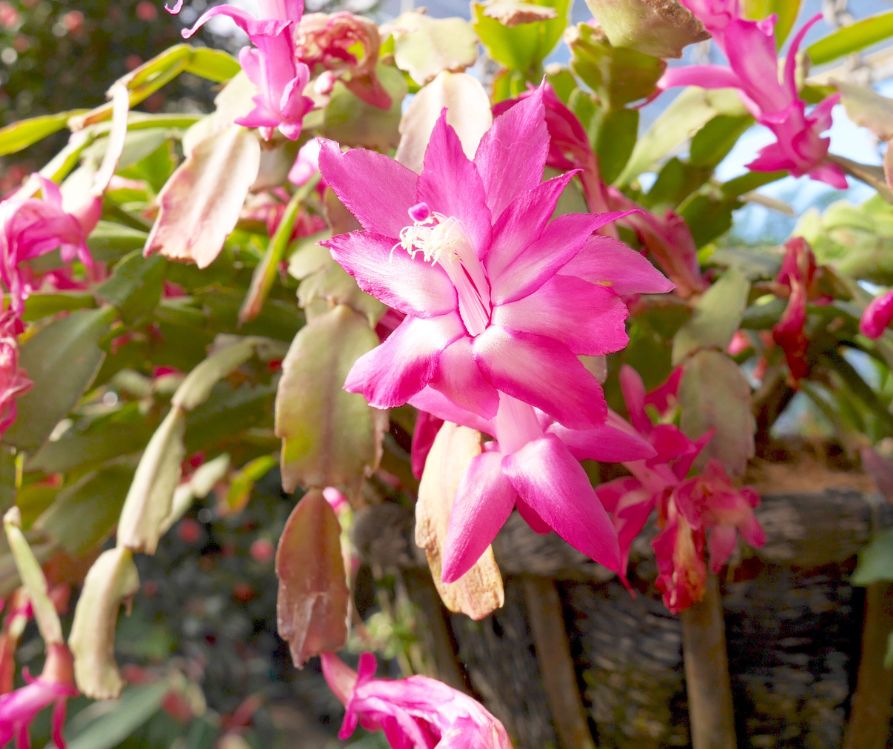
This is the big question: How do you get those spectacular holiday flowers? The Christmas cactus is a “short-day” plant, meaning its blooming cycle is triggered by long nights and cooler temperatures.
To encourage blooms, you need to mimic the onset of winter about 6 to 8 weeks before Christmas:
- Darkness: Ensure the plant gets 12 to 14 hours of absolute darkness every night. Even streetlights or a lamp in the living room can disrupt this. You might need to cover the plant with a box or move it to a closet at night.
- Cool Temperatures: Ideally, keep the plant in a cooler spot, around 50°F to 55°F (10°C to 13°C).
- Water Less: slightly reduce watering during this dormancy period.
Once you see buds forming at the tips of the segments, you can bring the plant back into the living room to enjoy the show.
A Gift That Keeps on Giving
Gardening doesn’t have to stop just because there is snow on the ground. The Christmas cactus offers a wonderful way to keep your green thumb active year-round.
With just a little attention to its rainforest roots, providing filtered light, steady moisture, and cool autumn nights, you will be rewarded with a spectacular display of color when you need it most.
So, go ahead and propagate a few cuttings for friends, or simply enjoy the ritual of caring for your own plant. It’s a small, beautiful way to stay connected to nature through every season.
Visit the Garden Resources page for supplies and inspiration. Don’t forget to subscribe to the Calendula’s Garden Newsletter for more gardening tips.
Calendula’s Garden is reader supported. When you buy through links on our site, we may earn an affiliate commission. As an Amazon Associate, I earn from qualifying purchases. For more information, view our Disclaimer page. Thank you!