Building Your Personal Patio Hideaway With Lattice
Calendula's Garden is reader suported This post may contain affiliate links, more on our Disclaimer page. Thank you!
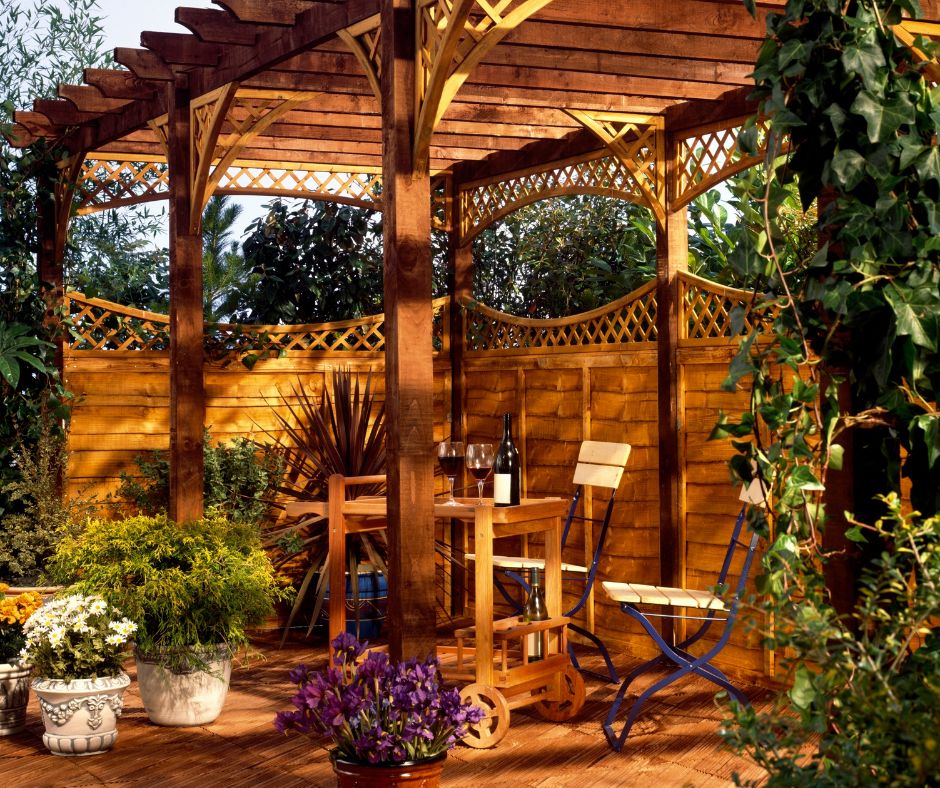
Is your patio exposed, but you crave a secluded spot to unwind? Your outdoor space can transform into a private oasis with a touch of lattice. This versatile and elegant material not only enhances privacy but also offers a canvas for greenery to weave its natural art, transforming your patio into a lush retreat. Whether you’re a seasoned DIY enthusiast or a gardening pro, here’s a comprehensive guide to using lattice to create a secluded sanctuary outdoors.
Understand the Potential of Lattice for Your Patio Privacy
Lattice can be a real game-changer in your outdoor privacy strategy. It offers partial shielding without sacrificing airflow or natural light and can also work as a trellis for climbing plants.
With the right techniques, you can turn your patio into a cozy, private spot that is as functional as it is beautiful.
Visualizing Your Ideal Outdoor Space
Before you roll out any projects, have a clear idea of what you want. Sketch out your patio layout, marking where you’d like more privacy and how lattice might fit in the picture. Factor in the positioning of the sun, wind patterns, and any outdoor focal points you want to retain or conceal.
Selecting the Perfect Lattice for Your Style and Needs
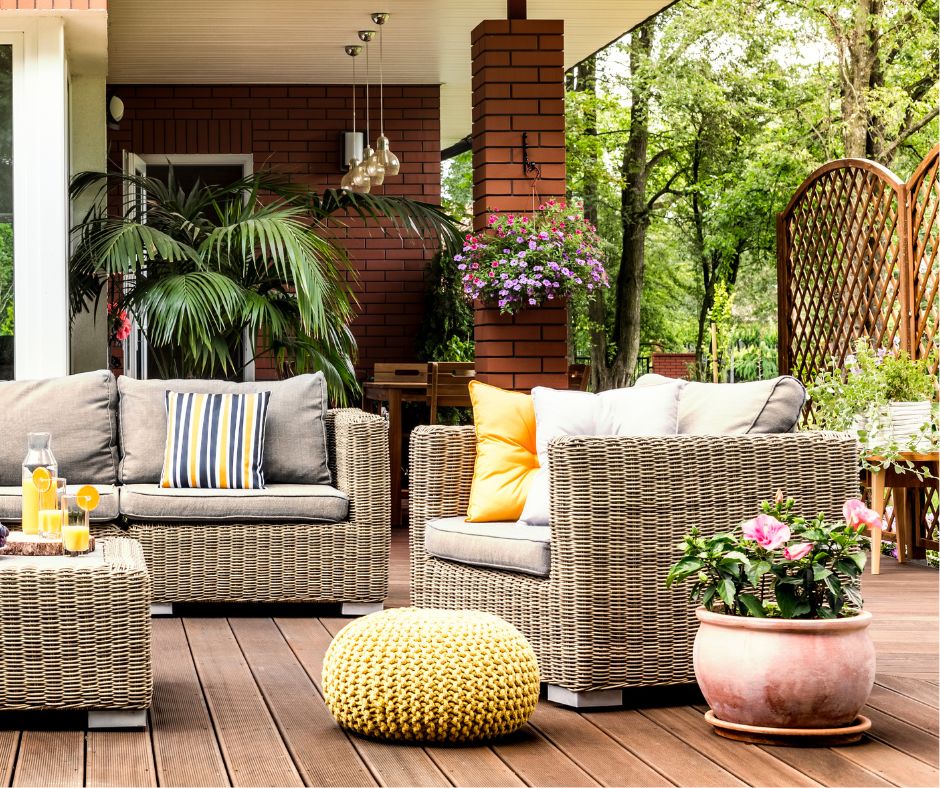
Not all lattice is created equal, and choosing the right type will depend on your preferences, the style of your home, and the function you’re aiming to achieve.
Material Matters
Wood lattice is popular for its natural, warm look. Cedar, in particular, is a great choice due to its durability and resistance to rot. For lower maintenance, consider vinyl lattice—while it may not offer the same charm as wood, it lasts longer and is easier to clean.
Style Options
Lattice comes in a variety of styles, from classic crisscross to more intricate designs. Consider how your lattice choice will complement your existing decor. A more formal setting might call for geometric or diamond patterns, while a rustic theme could feature a simpler, square-lattice design.
Build Your Peaceful Oasis: A Guide to Freestanding Garden Pergolas
Adding Lattice to Existing Fences or Walls
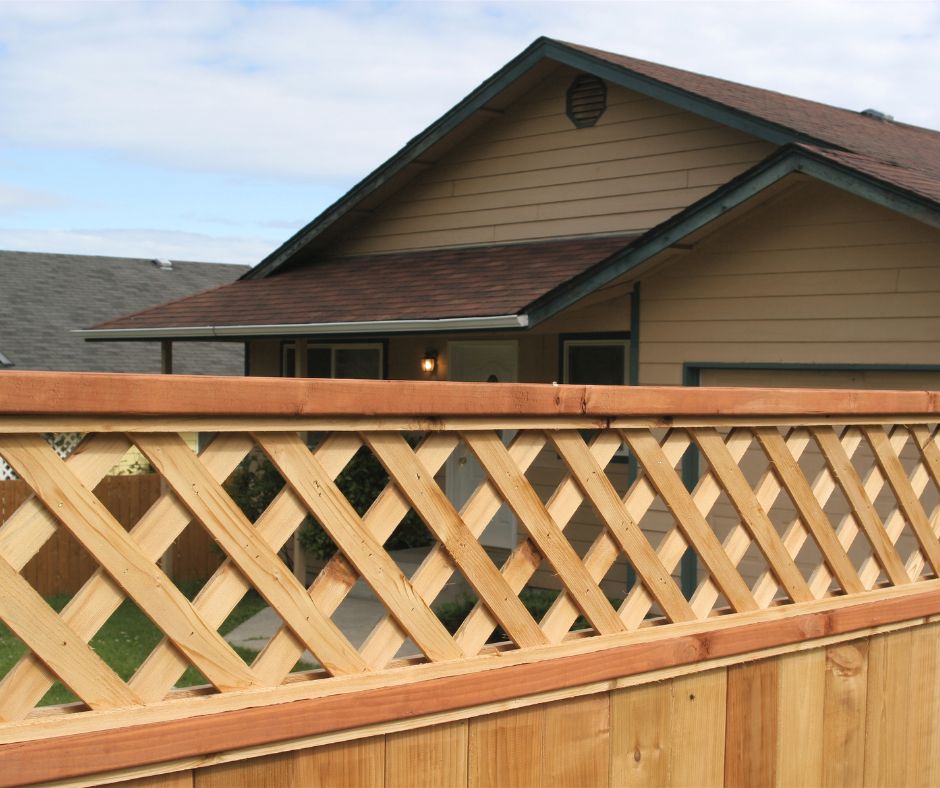
If you have a fence or wall bordering your patio, lattice offers an easy and cost-effective way to add an extra layer of privacy.
7 Examples of How to Add Lattice to Existing Fences or Walls for Privacy
- Top Extension: Attach lattice panels to the top of an existing fence to increase height and privacy. This is an ideal solution for backyards that feel a bit too open.
- Lattice Inserts: Cut sections of your existing fence and replace them with lattice panels. This adds a decorative touch while enhancing privacy and allowing light to filter through.
- Freestanding Panels: Install freestanding lattice panels against the wall or fence. This is a quick and easy solution that can be moved or adjusted as needed.
- Framed Lattice Screens: Create framed lattice screens and secure them to the fence or wall. These can be designed to match the exterior decor of your home, blending functionality with aesthetics.
- Climbing Plant Support: Use lattice panels as a support structure for climbing plants, creating a living wall that enhances privacy as the plants grow and fill in the spaces.
- Lattice Gates: Incorporate lattice into any gates or openings in your fence. This maintains consistency in design while adding an extra level of privacy from prying eyes.
- Hanging Lattice Panels: For a flexible option, hang lattice panels from hooks or brackets installed on the wall or fence. This makes it easy to remove or adjust them as your privacy needs change.
Securing the Lattice
Measure the area you want to cover with lattice, then cut the panels to size using a saw. Use galvanized screws or nails to attach the lattice, spacing them at regular intervals along the edges to ensure a secure fit. In a pinch, I have used zip ties as a temporary solution.
A Coat of Paint
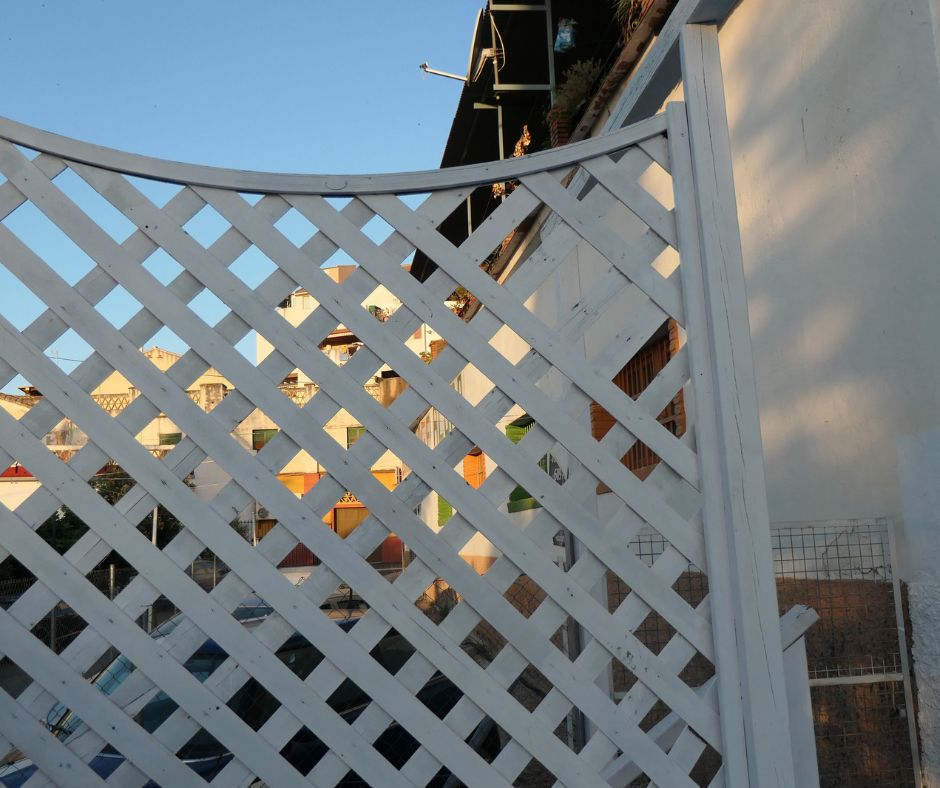
Consider painting your lattice to match or complement your existing color scheme. Outdoor-grade paint or stain will help protect the wood against the elements and give your privacy wall a polished finish.
Embracing the Natural Appeal
For those who prefer a more organic look or wish to foster a tranquil, nature-infused ambiance, leaving your lattice in its natural state is a tempting option.
Choosing not to paint the lattice panel allows the beauty of the material, especially wood, to shine through, blending seamlessly with your garden’s greenery and the outdoor environment.
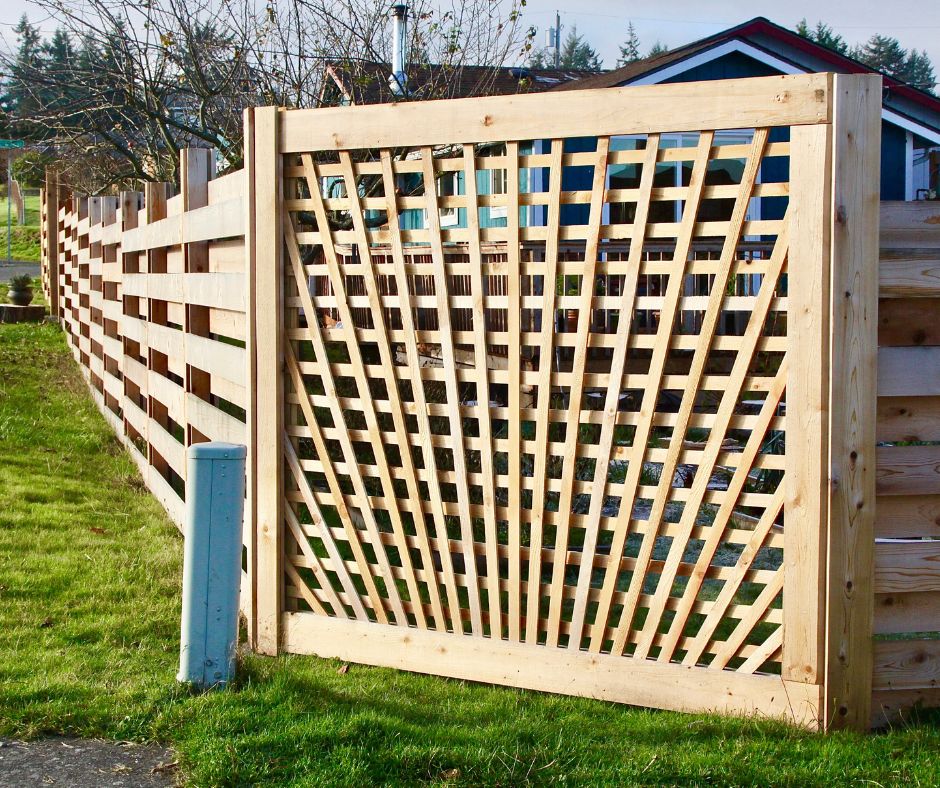
This approach not only celebrates the material’s texture and grain but also reduces maintenance effort in the long run, as there’s no need to worry about paint chipping or the need for repainting.
Over time, wood lattice will weather to a soft, silver-gray patina that embodies the essence of natural charm and rustic elegance. However, it’s crucial to apply a clear sealant to protect the wood from moisture and sun damage, ensuring its durability while retaining its natural beauty.
Building a Standalone Lattice Wall
For patios without existing structures, you can create a standalone lattice wall that will bring privacy and serve as a striking feature.
The Charm and Functionality of a Standalone Lattice Wall
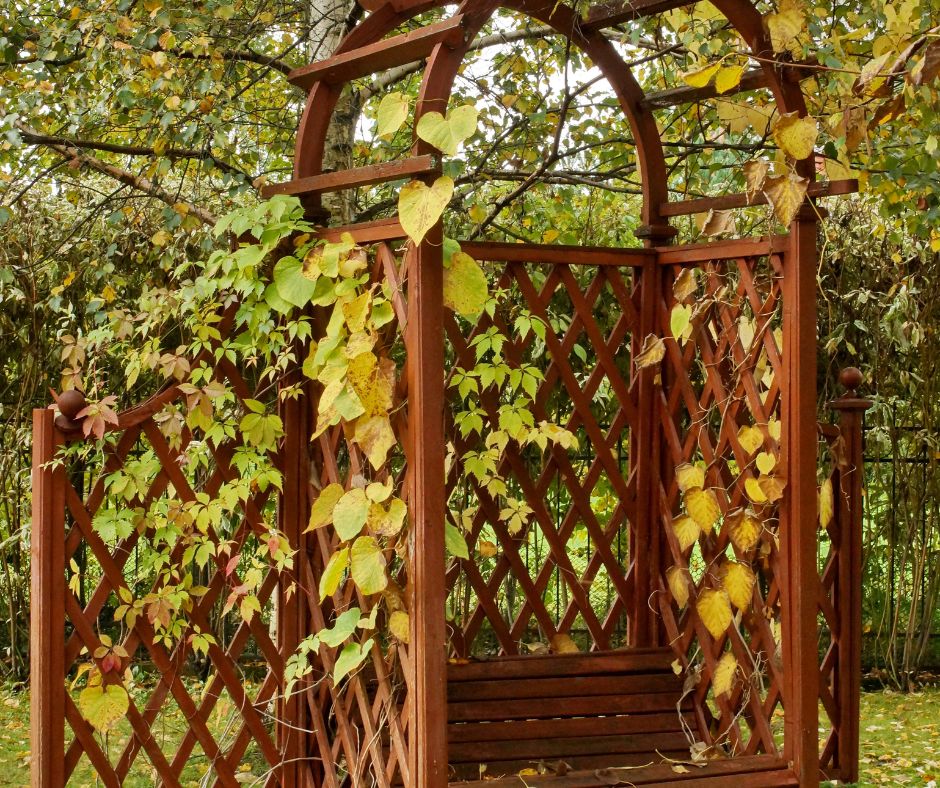
Building a standalone lattice wall comes with a multitude of benefits for those seeking both aesthetics and privacy in their outdoor spaces. This structure can act as a focal point, drawing the eye with its intricate patterns and the potential lushness of climbing plants.
For homeowners who desire privacy without the permanence or expense of a traditional fence, a standalone lattice wall offers an adaptable and stylish solution. It allows for flexibility in design and placement, making it easy to customize the look and function to fit any patio size or style.
Furthermore, such a wall provides a unique opportunity to enhance the biodiversity of your garden by supporting a variety of climbing plants, from fragrant jasmine to vibrant clematis, thereby creating a living wall that changes with the seasons.
A standalone lattice wall not only enriches your patio’s visual appeal but also establishes a serene and secluded outdoor living area.
Setting the Stage
Use stakes and string to plan the area your lattice wall will cover. Ensure the area is level for a professional look. Then, dig holes for the posts and set them in concrete for stability.
Constructing the Frame
Building a frame from pressure-treated lumber will provide a strong foundation for your lattice wall. Attach the lattice to the frame, then install the structure on your patio using post anchors.
Harnessing Climbing Plants for a Living Privacy Screen
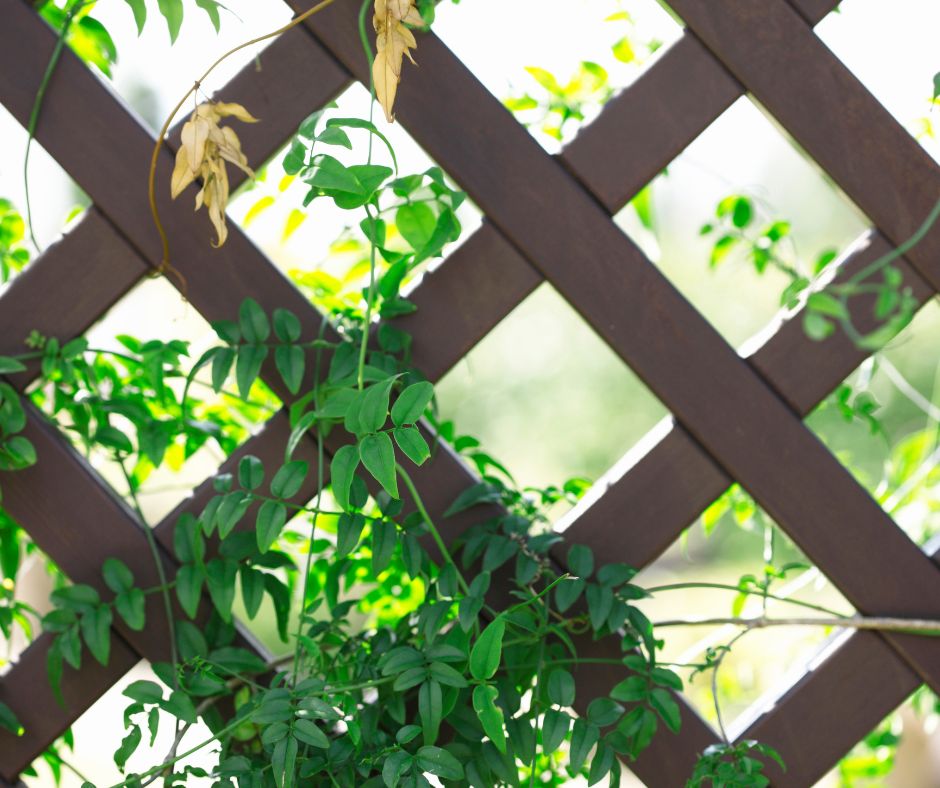
One of the most enchanting ways to use lattice is as a support for climbing plants. This method offers the beauty of a natural privacy screen while giving you partial privacy right away.
Types of Climbers
Choose from fast-growing options like wisteria or clematis for quicker privacy, or opt for slower-growing, more controlled varieties such as climbing roses.
5 Striking Evergreen Climbing Vines
Training the Vines
Gently encourage the plants to climb up the lattice, securing their growth with garden twine or plant ties. Regularly prune the plants to prevent any overgrowth, which could lead to lattice damage.
Maintaining Your Lattice and Plants
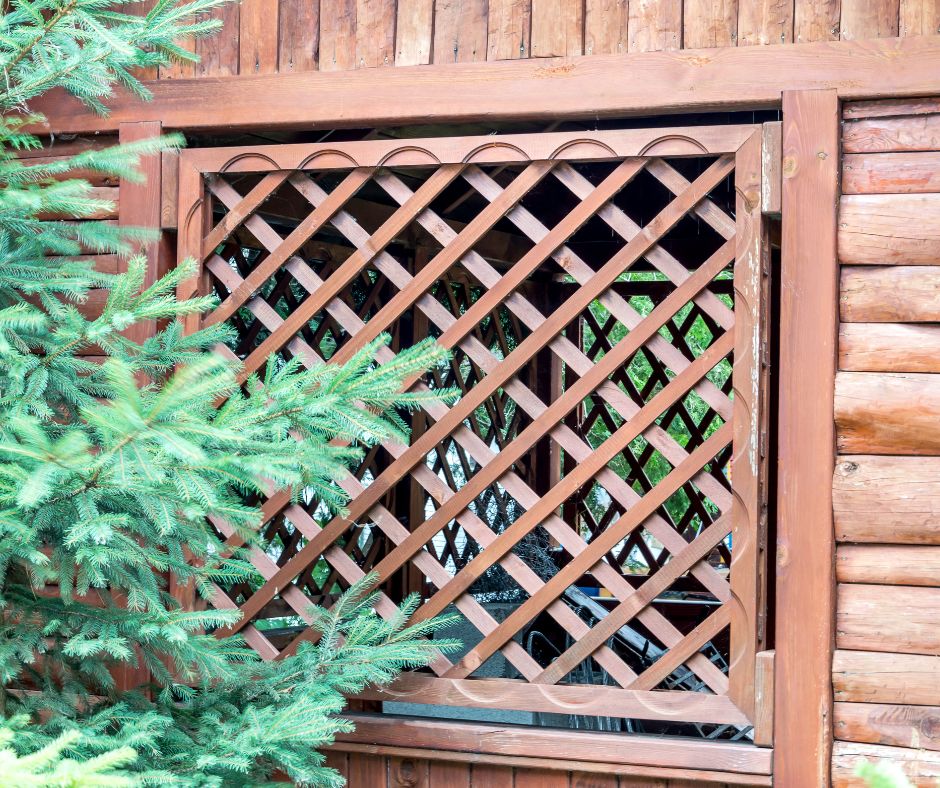
To ensure your private patio lasts, regular maintenance is key.
Lattice Care
Inspect the lattice for any signs of damage or rot. Remove any vines that might be growing into the lattice to prevent them from causing issues. Clean the lattice periodically with a garden hose or a mild detergent solution.
Plant Care
Keep an eye on your climbing plants, especially during the growing season. Provide proper support as needed, and prune carefully to maintain a balanced and healthy growth.
A Cozy Retreat
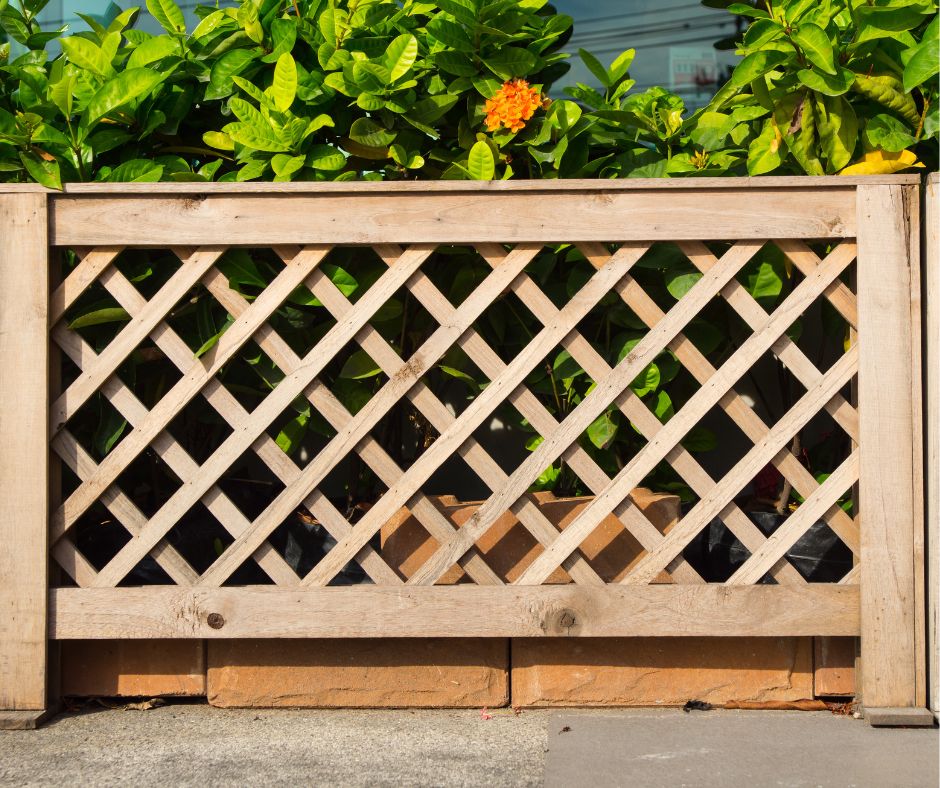
Implementing lattice to enhance privacy on your patio is a multi-faceted idea that marries functionality and aesthetics. Whether it’s through standalone structures, additions to existing walls or fences, or as a natural trellis for climbing plants, lattice can bring a new sense of life and purpose to your outdoor space. It’s an investment that not only adds value to your home but also provides a peaceful spot for relaxation. With these steps in mind, your patio can soon become the sanctuary you’ve always desired.
Visit the Garden Resources page for supplies and inspiration. Don’t forget to subscribe to the Calendula’s Garden Newsletter for more gardening tips.
Calendula’s Garden is reader supported. When you buy through links on our site, we may earn an affiliate commission. As an Amazon Associate, I earn from qualifying purchases. For more information, view our Disclaimer page. Thank you!