Build a Relaxing Mini Container Fish Pond
Calendula's Garden is reader suported This post may contain affiliate links, more on our Disclaimer page. Thank you!
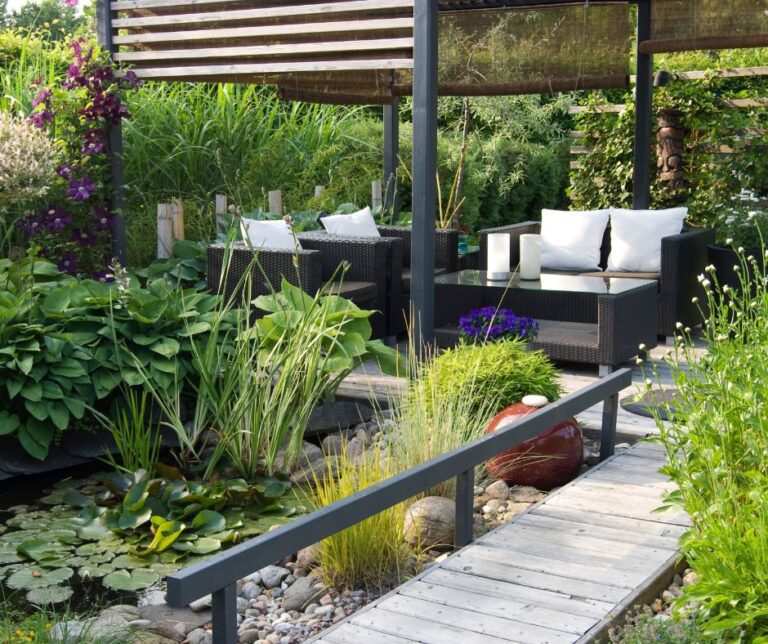
Looking for an easy, creative project that brings a splash of tranquility and wildlife to your patio or balcony?
A DIY container fish pond might be just what your outdoor space needs. These compact water features can fit almost anywhere, and building one is simpler than you might think.
Whether you have a sprawling backyard or only a sunny balcony, a container pond adds charm, attracts beneficial wildlife, and gives you an excuse to spend a little more time outdoors.
What Is a Container Pond and Why Should You Make One?
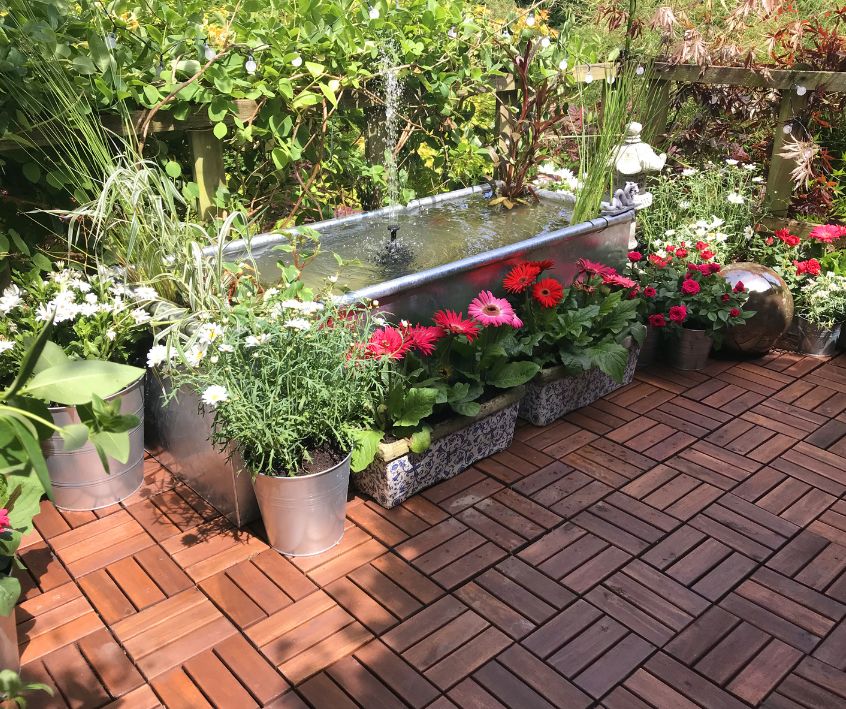
A container pond is a compact water garden created in a pot, tub, or trough instead of an in-ground pond.
Unlike traditional ponds, these mini ecosystems don’t require excavation or elaborate landscaping. All you need is a waterproof container, a few plants, maybe some fish, and a bit of creative spirit.
Why make a DIY container pond?
- Space-saving: Perfect for patios, balconies, or small gardens.
- Low maintenance: Smaller volume means less upkeep than full-sized ponds.
- Budget-friendly: Most materials are affordable and easy to find.
- Customizable: Choose shapes, sizes, and styles that match your space.
- Wildlife friendly: Even tiny ponds attract frogs, birds, and pollinators.
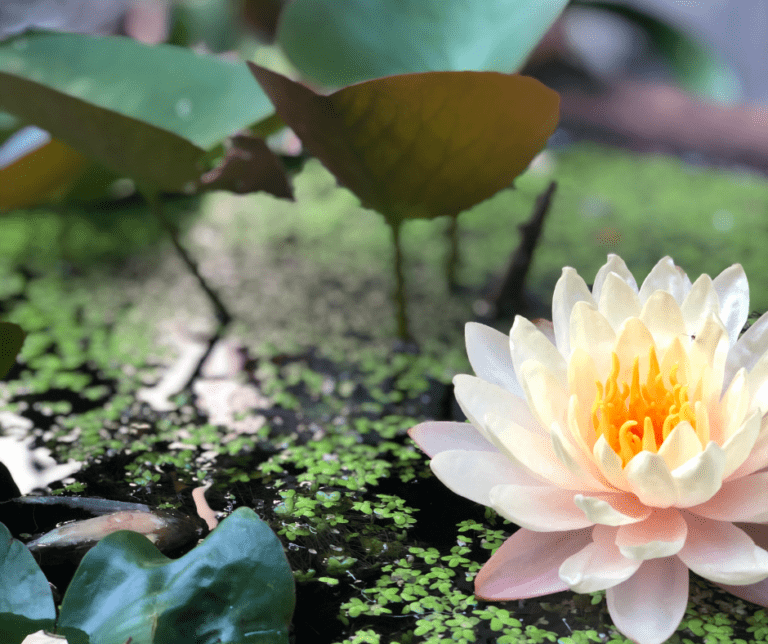
And the best part? Watching fish swim lazily beneath water lilies never gets old. It’s a natural zen moment every time you step outside.
Materials Needed for Your DIY Container Pond
Before you start splashing around, gather these essential items:
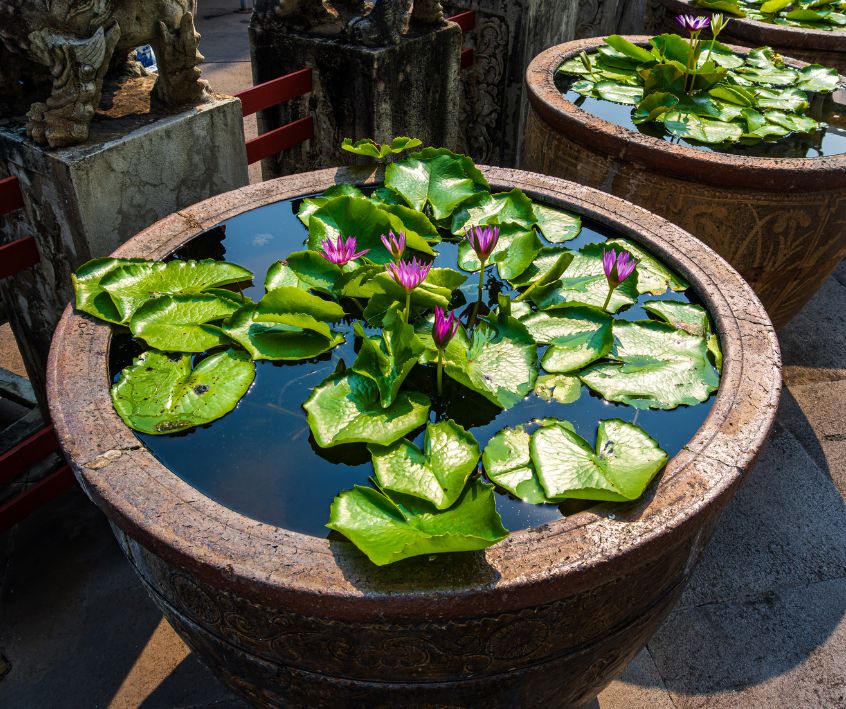
Container: Anything that holds water! Think half whiskey barrels, large ceramic pots (ensure there’s no drainage hole), large plastic tubs, or galvanized troughs. Aim for at least 18 inches deep for fish. Classic Home and Garden Outdoor Whiskey Resin Flower Pot Barrel
Fish-friendly pond liner (if needed): To waterproof porous containers. ToLanbbt Pond Liner 7 x 10 Ft, 20 Mil HDPE UV Resistant Pond Liner
Pump and small fountain (optional): Keeps water moving and oxygenated, especially important for fish. GROWNEER 550GPH Submersible Pump 30W Fountain Water Pump
Aquatic plants: Choose a mix of floating (e.g., water lettuce), marginal (e.g., dwarf cattail), and oxygenator plants (e.g., hornwort).
Live Water Lilies Rhizomes (Tubers) | Pre-Grown Hardy Lilies in White, Red, Yellow, Pink (Red)
3 Hornwort Bunch Plants for Ponds or Aquariums
Gravel and clean rocks: For anchoring plants and decorating the bottom. FANTIAN 5 lbs Aquarium Gravel, Pea Gravel for Fish Tank
Dechlorinated water or rainwater: Fish and plants will appreciate chlorine-free water.
Fish food: If you’re keeping fish. Color Enhancing 1.5mm – 2mm Floating Pellets
Net or mesh cover (optional): To deter curious cats, raccoons, or birds. AlpineReach Pond Netting Kit
Step-by-Step Instructions for Building Your Container Pond
1. Pick the Perfect Spot
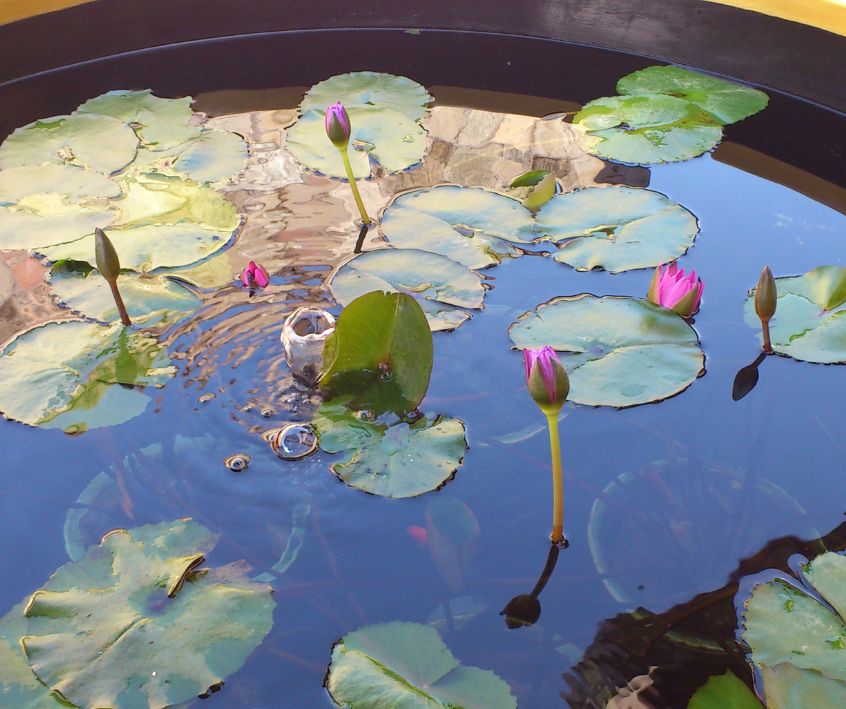
Look for a location that gets at least 4–6 hours of indirect sunlight per day. Too much sun leads to algae blooms; too little and your plants may not thrive. Remember, if your container is too heavy to move when full, position it before you add water!
2. Prepare and Place the Container
- Plug or seal any drainage holes with pond putty or a waterproof sealant.
- Line the container with a fish-safe pond liner if it’s not naturally waterproof.
- Rinse everything thoroughly to remove dirt and chemicals.
3. Add Gravel and Water
- Spread a 1–2 inch layer of clean gravel on the container’s bottom.
- Slowly fill the container with dechlorinated tap water (use a water conditioner if using tap), or collect rainwater for an eco-friendly touch.
4. Arrange Plants
Plants not only add beauty, they help filter the pond and create hiding places for fish. Consider:
- Oxygenators: Such as hornwort or anacharis, placed at the pond’s base for natural filtration.
- Floaters: Water lettuce or duckweed give shade and soak up excess nutrients.
- Marginals: Place dwarf cattail or iris in pots, nestling them along the edges.
- Water lilies: Choose a dwarf variety for a small pond and position them centrally.
5. Install the Pump (Optional)
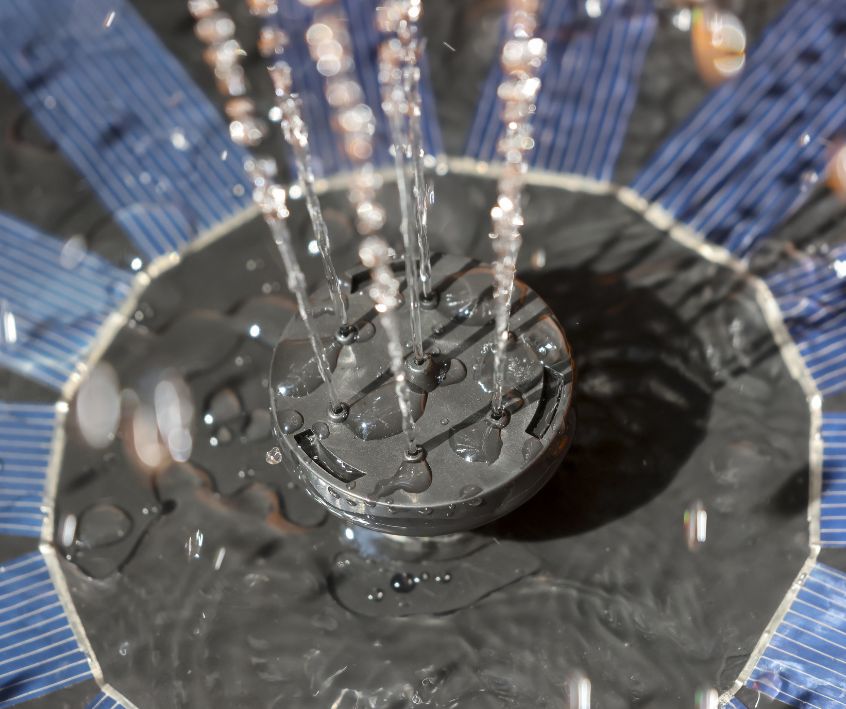
If you’re adding fish, a small submersible pump or fountain keeps the water moving and oxygen-rich.
Place the pump in the center, connect the tubing, and plug it in. Keep the flow gentle; you don’t want to create a whirlpool!
6. Add the Fish
After letting the pond sit for a day or two (giving plants time to settle), it’s time to introduce your fish. More on that in the next section!
Choosing Fish for Your Container Pond
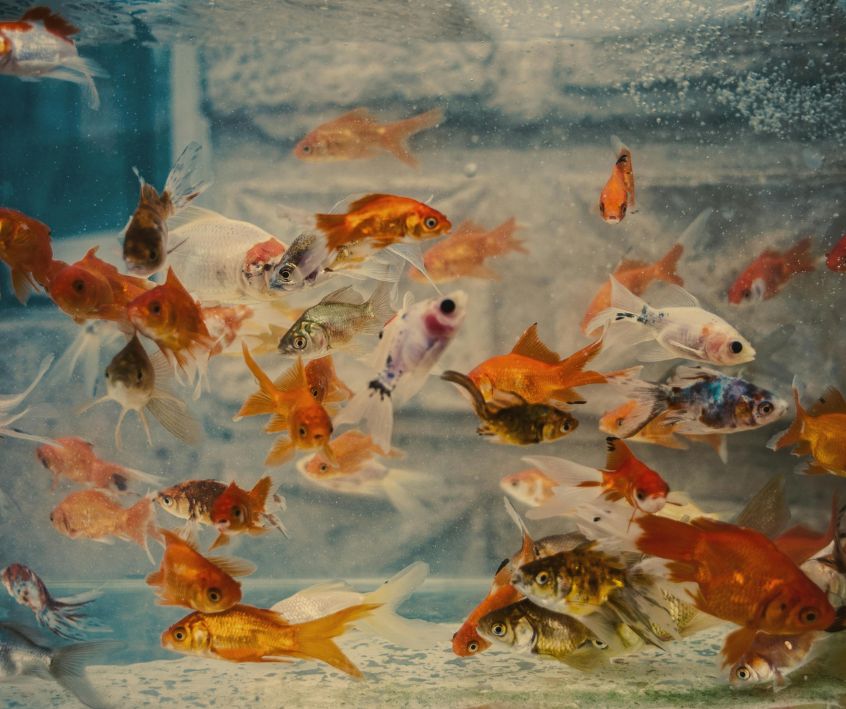
Not every fish thrives in a small pond, especially one that might freeze solid or overheat. Here are some beginner-friendly options:
- Goldfish: Hardy, colorful, and do well in larger containers (at least 18 inches deep). Shubunkins and comets are good choices.
- White Cloud Mountain Minnows: Tiny but resilient, these minnows tolerate a range of temperatures.
- Rosy Red Minnows: Tough, peaceful fish that thrive in cool water.
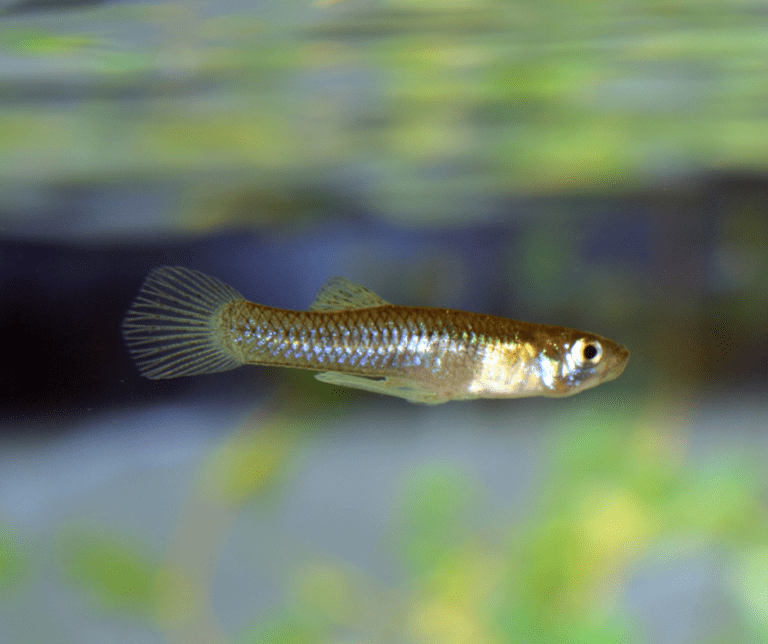
- Mosquito Fish: Great for natural mosquito control. Check local guidelines for invasive species restrictions.
Tips for Happy Fish
- Stick to a modest number. Too many fish lead to poor water quality (think one small fish per 3–5 gallons of water).
- Acclimate by floating the bag with your new fish in the pond for 15–20 minutes, then release.
- Feed sparingly. Overfeeding causes cloudy water and health issues.
- Don’t mix aggressive and peaceful fish.
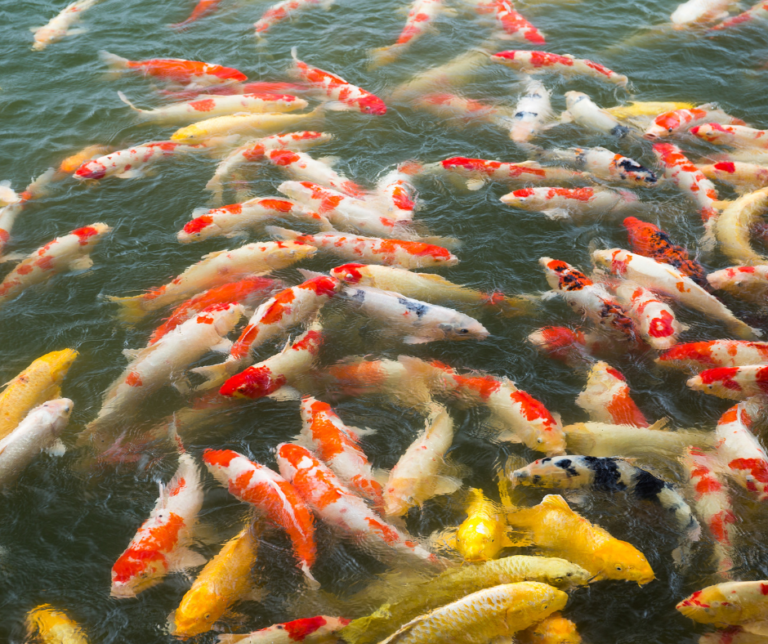
Note: Koi are NOT suitable for container ponds. They need far more space and excellent filtration.
Keeping Your Container Pond Clean and Healthy
Ongoing care is minimal, but a few key practices will keep your pond sparkling:
1. Water Changes
Top off with rainwater or dechlorinated tap water as it evaporates. Replace 10-20% of the water every few weeks to dilute toxins.
2. Remove Debris
Fish nets are handy for scooping leaves and spent flowers. Trim dead plant matter regularly.
3. Control Algae
Shady placement, healthy plants, and minimal fish feeding prevent most algae blooms. If algae grow, remove it by hand or with a pond-safe algaecide.
4. Mind the Water Quality
Check that the water isn’t too cloudy or foul-smelling. If so, consider temporarily removing fish and performing a partial water change.
5. Winter Care
If temperatures dip below freezing, bring the container indoors or move fish to an aquarium. Certain hardy plants and water features can overwinter outdoors, but fish rarely can in small volume ponds.
Troubleshooting Common Container Pond Issues
Every hobby has hiccups. Here’s how to fix common container pond problems:
Murky Water: Usually caused by too much debris, overfeeding, or not enough plants. Remove decaying matter and reduce feedings.
Mosquitoes: Add fish that eat mosquito larvae, or use a mosquito dunk (safe for fish).
Green Water (Algae): Provide more shade, remove excess nutrients, or add more oxygenating plants.
Fish Not Thriving: Check water quality, temperature, and ensure you have enough space and hiding spots.
Leaky Container: Reseal with a waterproof pond liner or consider starting with a sturdier base next season.
Enjoying Your DIY Container Pond for Years to Come
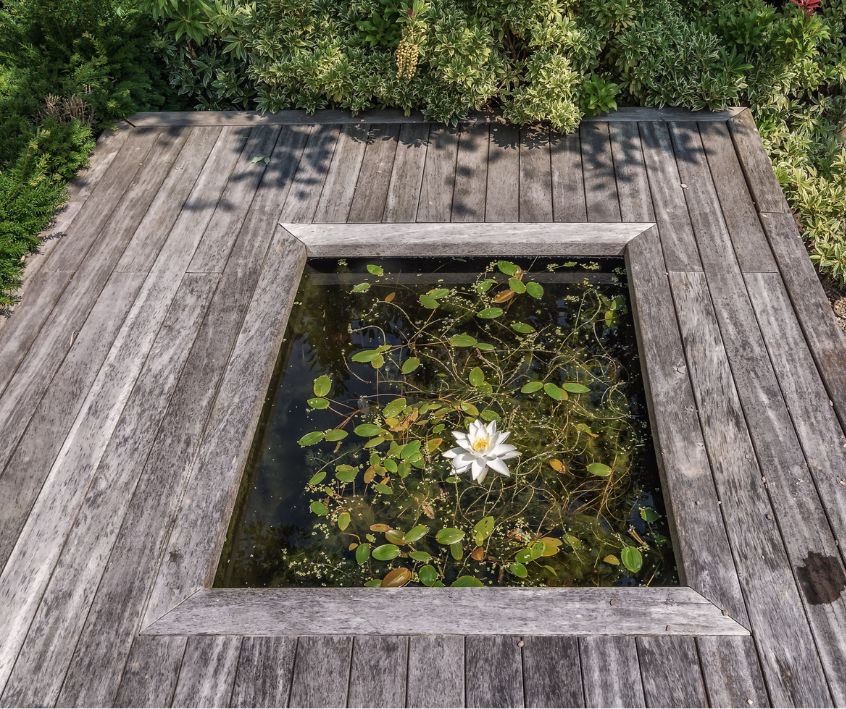
Container ponds offer a peaceful, beautiful focal point that invites you to slow down and connect with nature, even in the busiest urban spaces. Every ripple, lily bloom, or flash of a fin reminds you that you’ve helped build a thriving, living ecosystem from scratch. There’s something really special about that.
If today’s blog has you inspired, why not gather your materials and give it a try? You don’t need to be a gardening expert or have acres of space; just the desire to bring a little wildness home. Set up a seat nearby, pour a cup of tea, and take pride in your new container pond.
Visit the Garden Resources page for supplies and inspiration. Don’t forget to subscribe to the Calendula’s Garden Newsletter for more gardening tips.
Calendula’s Garden is reader supported. When you buy through links on our site, we may earn an affiliate commission. As an Amazon Associate, I earn from qualifying purchases. For more information, view our Disclaimer page. Thank you!