Budget Friendly Small Home Garden Ideas You’ll Love
Calendula's Garden is reader suported This post may contain affiliate links, more on our Disclaimer page. Thank you!
Many of us dream of stepping out the back door and harvesting a fresh salad for lunch, or perhaps just enjoying a morning coffee surrounded by vibrant blooms. But then reality hits. Limited space, limited time, and limited funds can make that dream feel out of reach.
The good news is that creating a lush, productive garden doesn’t require acres of land or a professional landscaper’s budget. In fact, starting small is often the best way to begin your journey toward sustainability.
A modest garden can still provide you with chemical-free produce, a haven for pollinators, and a peaceful retreat from the daily grind. Whether you have a tiny balcony, a small patio, or just a sunny windowsill, you can cultivate a thriving green space that supports both your health and the planet without breaking the bank.
Planning Your Budget-Friendly Garden
Before you buy a single packet of seeds, take a moment to assess what you already have. Planning is the most crucial step in budget gardening because it prevents costly mistakes later on.
Assess Your Space and Sunlight
Walk around your potential garden area at different times of the day. Is it bathed in full sun (6-8 hours of direct light), or is it mostly shaded?
Most vegetables, like tomatoes and peppers, crave that full sun, while leafy greens like spinach and lettuce can tolerate, and sometimes prefer, a bit of shade.
Light Requirements for Plants: How to Choose the Right Location for Your Garden
Knowing your light conditions helps you choose the right plants from the start, saving you from buying plants that won’t thrive. If you are in a new space and unsure of sun exposure, start with a container garden so you can move plants around as needed.
Know Your Soil
If you have a patch of ground to plant in, getting to know your soil is essential. Is it sandy, draining water too quickly? Or is it heavy clay that holds onto moisture?
Garden Soil Test: Tips for Backyard Gardeners
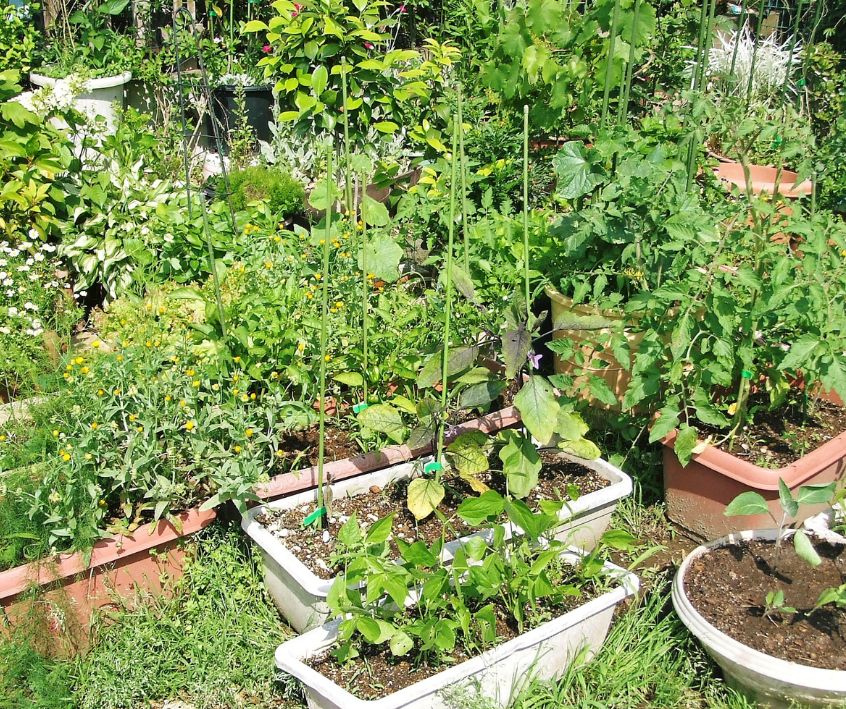
You can improve almost any soil with organic matter like compost, which you can make yourself for free (more on that later!). If you don’t have ground space, container gardening is a fantastic alternative that allows you to control the soil quality perfectly.
Start Small
It’s tempting to want to plant everything at once. However, a small, well-tended garden yields far more than a large, neglected one.
Start with just a few containers or a small raised bed. This approach keeps costs low and prevents gardening burnout. You can always expand next season once you’ve got a few successes under your belt.
Choosing the Right Plants
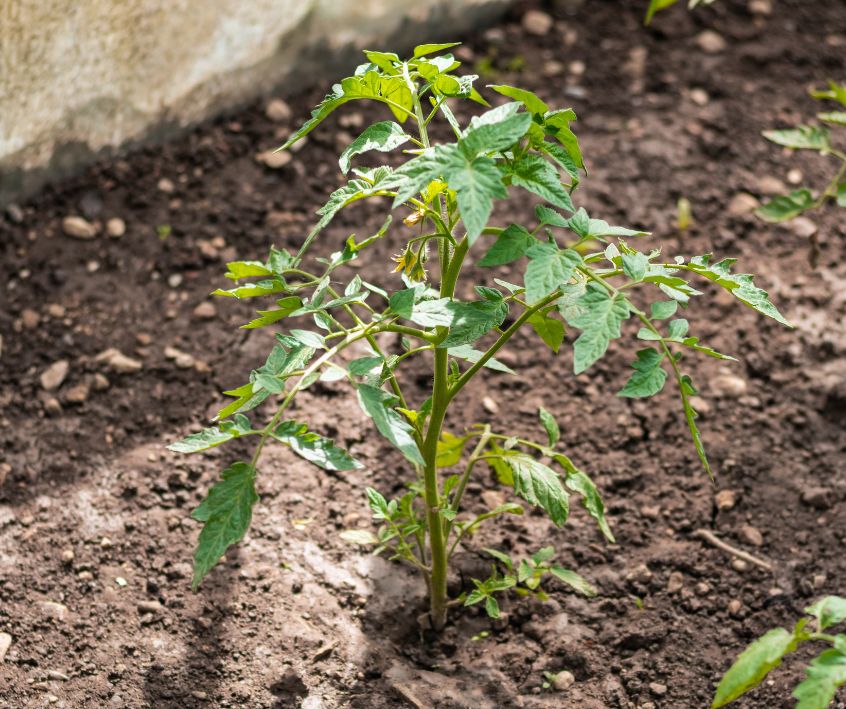
When you’re gardening on a budget, plant selection is key. You want varieties that give you the most “bang for your buck”, high yields, low maintenance, and suited to your specific environment.
Where to find seeds, plants, and supplies:
Grow from Seed
Growing from seed is significantly cheaper than buying established seedlings from a nursery. For the price of one potted tomato plant, you can buy a packet of seeds that will produce dozens of plants.
Some vegetables are incredibly easy to start from seed directly in the soil, such as:
- Beans and Peas: These sprout quickly and reliably.
- Radishes: Ready to harvest in as little as 30 days!
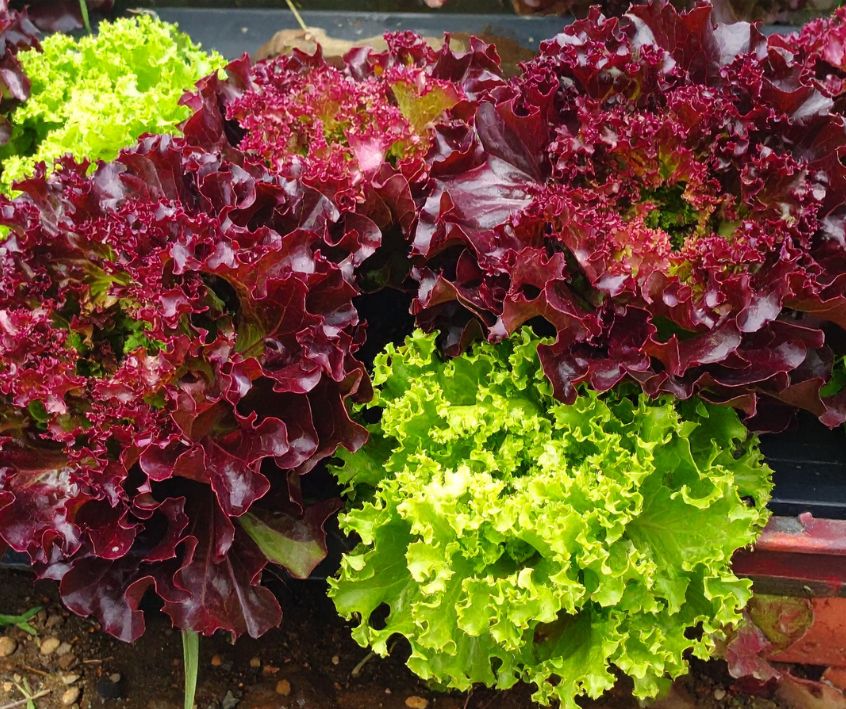
- Leafy Greens: Lettuce, kale, and Swiss chard are forgiving and productive.
How to Grow Lettuce in a Backyard Garden
Choose High-Yield Crops
Focus on plants that produce continuously throughout the season. “Cut-and-come-again” lettuces allow you to harvest individual leaves while the plant keeps growing.
Grow More, Waste Less: Mastering Succession Planting in Your Garden
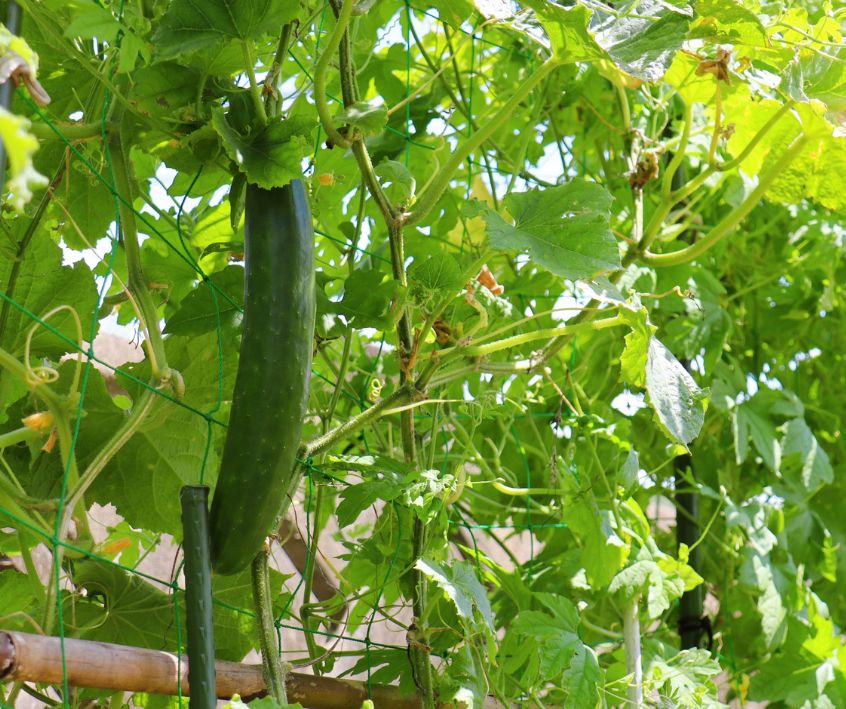
Zucchini and cucumbers are prolific producers. Often just one or two plants are enough for a small family.
Herbs are another high-value crop; fresh herbs at the grocery store are expensive and come in plastic packaging, but a single mint or basil plant can provide fresh flavor all summer long for pennies.
Opt for Perennials
While annuals need to be replanted every year, perennials come back season after season. Investing in perennial herbs (like thyme, sage, and oregano) or fruits (like strawberries or rhubarb) might cost a little more initially but pays off in the long run as they return year after year.
25 Perennial Vegetables Every Gardener Should Know
Native Plants for Pollinators
Don’t forget the flowers! Incorporating native plants is a wonderful way to support local biodiversity.
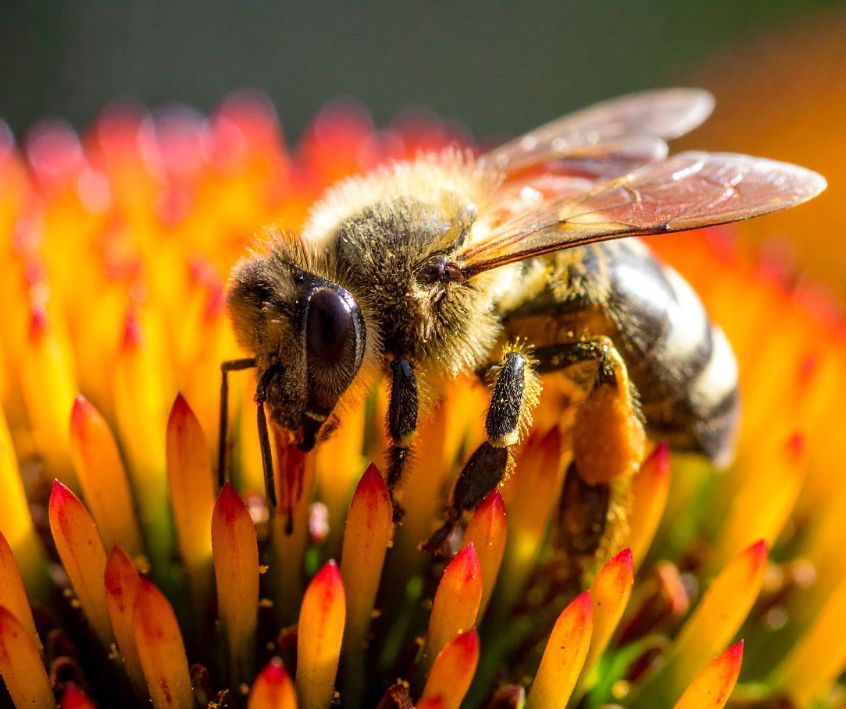
Native plants are adapted to your local climate, meaning they often require less water and fertilizer than exotic species. They also attract bees, butterflies, and other beneficial insects that help pollinate your food crops and manage pests naturally.
DIY Garden Projects
You don’t need expensive raised beds or fancy ceramic pots to have a beautiful garden. With a little creativity, you can repurpose items or build your own structures for a fraction of the cost.
Upcycled Containers
Almost anything can become a planter as long as it has drainage holes. Old colanders, buckets, wooden crates, and even old boots can add a whimsical touch to your garden.
Just ensure that whatever you use hasn’t held toxic chemicals. If you’re growing food, look for food-grade plastics (often marked with recycling codes 1, 2, 4, or 5).
- DIY Tip: Ask local delis or bakeries for their empty food buckets. They often give them away for free. Drill a few holes in the bottom, give them a good scrub, and you have free, deep containers perfect for tomatoes or potatoes.
Vertical Gardening on a Budget
When horizontal space is tight, look up! Vertical gardening maximizes planting area without taking up valuable floor space.
- Pallet Gardens: Wooden shipping pallets can often be found for free at local businesses. Stand one on its edge, staple landscape fabric to the back and bottom of the slats, fill with soil, and plant herbs or flowers in the openings.
- Trellises: Instead of buying expensive metal trellises, use bamboo stakes, sturdy branches found in your yard, or even lengths of twine tied to a fence or railing. Climbing plants like peas, beans, and cucumbers will happily scramble up these simple structures.
Creative Trellis Ideas for a Stunning Garden
Homemade Raised Beds
If you want raised beds, you don’t need expensive cedar kits. Untreated pine or fir lumber is much more affordable and can last for several years. Alternatively, look for “urbanite” (broken concrete chunks) or reclaimed bricks to build a border for your bed.
Maintaining Your Garden
Once your garden is planted, maintenance doesn’t have to be expensive or time-consuming. In fact, sustainable practices often save both money and effort.
Composting: Black Gold for Free
Composting is the single best thing you can do for your garden and your wallet. It turns kitchen scraps (like vegetable peels, coffee grounds, and eggshells) and yard waste into nutrient-rich soil amendment.
You don’t need a fancy tumbler; a simple pile in the corner of the yard or a DIY bin made from old pallets or a plastic storage tote works perfectly. This “black gold” improves soil structure, retains moisture, and feeds your plants organically, eliminating the need for store-bought fertilizers.
Water Wisely
Watering can drive up utility bills if you aren’t careful. To save money and water:
- Mulch: Cover the soil around your plants with organic mulch like straw, shredded leaves, or grass clippings. This helps retain soil moisture, suppresses weeds, and breaks down to feed the soil.
- Water the Soil, Not the Leaves: Use a watering can or a soaker hose to deliver water directly to the base of the plants. This reduces evaporation and prevents fungal diseases.
- Collect Rainwater: If your local regulations allow, set up a simple rain barrel to capture water from your roof. Even a few buckets left out during a storm can collect a surprising amount of water for your plants.
Natural Pest Control
Avoid expensive and harmful chemical pesticides. Instead, focus on creating a healthy ecosystem.
- Beneficial Insects: By planting flowers that attract ladybugs and lacewings, you invite natural predators that eat pests like aphids.
- Physical Barriers: Use simple netting or row covers to keep pests off your cabbage and broccoli.
- DIY Sprays: For stubborn infestations, a simple mixture of water and a few drops of mild dish soap can often knock back soft-bodied pests.
10 Common Garden Pests and How to Get Rid of Them Naturally
Cultivate Your Green Sanctuary
Starting a garden doesn’t require deep pockets or a large estate. It simply requires a bit of planning, some creativity, and a willingness to get your hands dirty. By starting small, choosing the right plants, and embracing DIY solutions, you can create a vibrant, productive space that nourishes your family and the local ecosystem.
Remember, every great garden starts with a single seed. Why not plant yours today?
Visit the Garden Resources page for supplies and inspiration. Don’t forget to subscribe to the Calendula’s Garden Newsletter for more gardening tips.
Calendula’s Garden is reader supported. When you buy through links on our site, we may earn an affiliate commission. As an Amazon Associate, I earn from qualifying purchases. For more information, view our Disclaimer page. Thank you!