Boost Your Wellness with These Essential Air Purifying Houseplants
Calendula's Garden is reader suported This post may contain affiliate links, more on our Disclaimer page. Thank you!
Did you know the air inside your home can be more polluted than the air outside? It’s a surprising thought, but household items like furniture, paint, and cleaning products can release chemicals known as volatile organic compounds (VOCs).
These can contribute to what is sometimes called “sick building syndrome,” leading to headaches, dizziness, and other irritations. Fortunately, there’s a beautiful and natural way to combat this: indoor plants.
Back in 1989, NASA conducted its famous Clean Air Study to find ways to purify the air in space stations. The study discovered that many common houseplants are incredibly effective at removing toxins like formaldehyde, benzene, and trichloroethylene from the air.
This research sparked a green revolution, encouraging people to bring the outdoors in, not just for aesthetics, but for their health.
This guide will introduce you to 20 of the best air-purifying plants. We’ll explore how to care for them, where to place them in your home, and which specific pollutants they excel at filtering. You’ll find everything you need to create a healthier, more vibrant living space.
General Care for Your Green Friends
Even the hardiest plants need a little love. Here are some universal tips to keep your air-purifying army healthy.
Watering
Overwatering is the most common killer of houseplants. Always check the soil before watering. A good rule of thumb is to stick your finger about an inch into the soil; if it’s dry, it’s time to water.
Light
Most of these plants prefer bright, indirect light. Think of the light from a window that doesn’t get direct sun. Direct sunlight can scorch leaves.
Fertilizing
During the growing season (spring and summer), feed your plants with a balanced liquid fertilizer every 4-6 weeks. Reduce feeding in the fall and winter.
Purived 16oz All-Purpose Liquid Plant Fertilizer
Repotting
When a plant becomes root-bound (roots circling the bottom of the pot), it’s time for a new home. Choose a pot that’s 1-2 inches larger in diameter.
Pest Control
Inspect your plants regularly for common pests like spider mites and mealybugs. If you find any, treat them with neem oil or insecticidal soap.
Big Leaf Energy (16 FL OZ) Organic Neem Oil Spray
Bonide Systemic Houseplant Insect Control, 8 oz
Inspiring Reads
How to Grow Fresh Air: 50 House Plants that Purify Your Home or Office
Living Wild: How to plant style your home and cultivate happiness
Houseplants: The Complete Guide to Choosing, Growing, and Caring for Indoor Plants
Top 20 Air-Purifying Plants for Your Home
Ready to start your journey to cleaner indoor air? Here are 20 powerhouse plants that look great and work hard to keep your home fresh.
1. Snake Plant (Dracaena trifasciata)
Often called mother-in-law’s tongue, the Snake Plant is famous for its resilience and striking, upright leaves. It’s one of the few plants that converts carbon dioxide into oxygen at night, making it an excellent choice for bedrooms.
- Air-Purifying Benefits: Removes formaldehyde, benzene, xylene, and trichloroethylene.
- Light: Thrives in indirect light but can tolerate low light conditions.
- Care: Water sparingly, allowing the soil to dry out completely between waterings. It’s highly susceptible to root rot from overwatering.
- Best Placement: Bedroom, living room, or any low-light corner.
2. Spider Plant (Chlorophytum comosum)
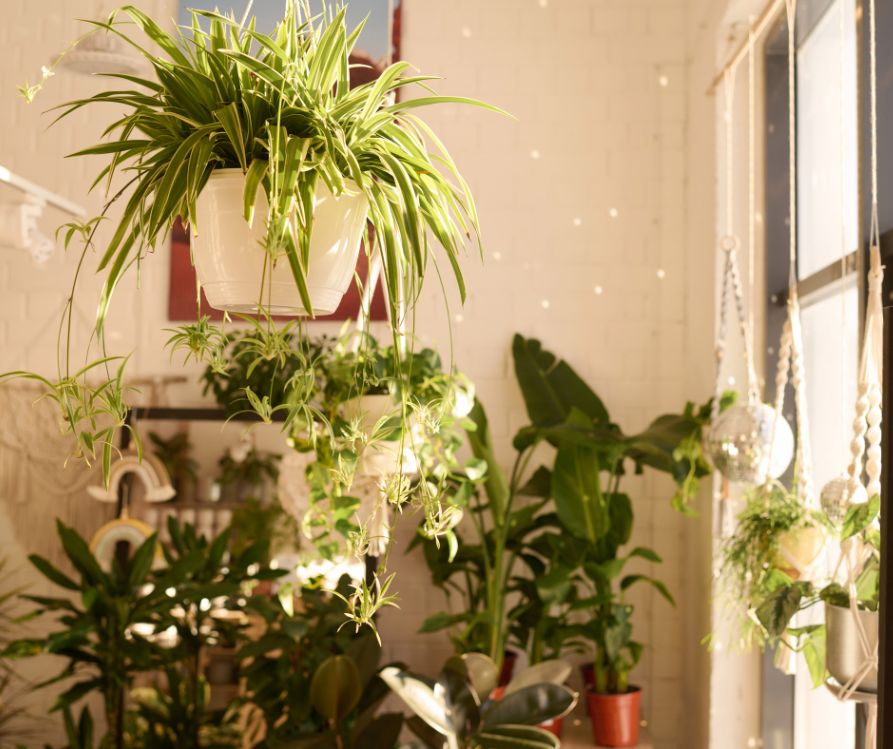
The Spider Plant is a champion of air purification and one of the easiest houseplants to grow. Its arching leaves and small plantlets, or “spiderettes,” make it a charming addition to any room.
- Air-Purifying Benefits: Effective against formaldehyde and xylene.
- Light: Prefers bright, indirect light. Avoid direct sun, which can scorch the leaves.
- Care: Keep the soil consistently moist but not waterlogged.
- Best Placement: Hanging baskets in a living room or office.
3. Peace Lily (Spathiphyllum)
With its elegant white spathes and glossy green leaves, the Peace Lily is a beautiful plant that signals its need for water by drooping its leaves. It’s a top performer in removing a wide range of toxins.
- Air-Purifying Benefits: Filters out benzene, formaldehyde, trichloroethylene, ammonia, and xylene.
- Light: Prefers medium, indirect light and can tolerate low-light areas.
- Care: Keep soil moist. It is sensitive to chlorine in tap water, so let the water sit for 24 hours before using.
- Best Placement: Living rooms, bedrooms, or offices. Keep away from pets and children, as it is toxic if ingested.
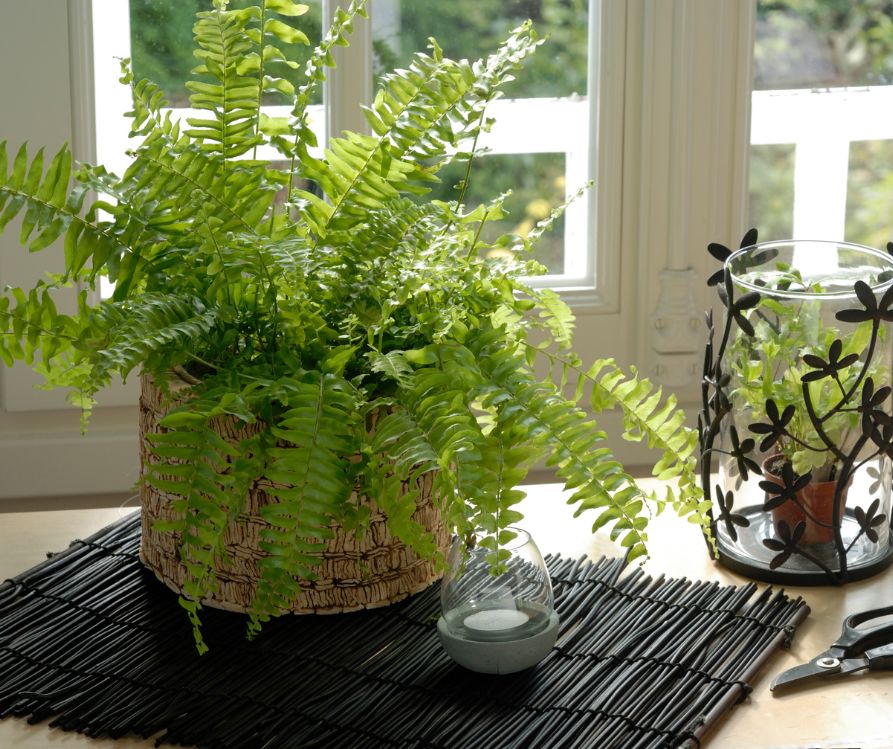
4. Boston Fern (Nephrolepis exaltata)
The lush, feathery fronds of the Boston Fern make it a classic houseplant. It acts as a natural humidifier and is excellent at removing formaldehyde.
- Air-Purifying Benefits: A powerhouse for removing formaldehyde and xylene.
- Light: Needs bright, indirect light.
- Care: Requires high humidity and consistently moist soil. Misting the leaves regularly can help your plant thrive.
- Best Placement: Bathrooms or kitchens where humidity is naturally higher.
5. Pothos (Epipremnum aureum)
Also known as Devil’s Ivy, Pothos is incredibly hardy and can thrive even with neglect. Its trailing vines are perfect for hanging baskets or shelves.
- Air-Purifying Benefits: Tackles formaldehyde, benzene, and xylene.
- Light: Adaptable to various light conditions, from low to bright, indirect light.
- Care: Water when the top inch of soil feels dry. It’s very forgiving.
- Best Placement: Almost anywhere! Offices, living rooms, and bedrooms are great spots. Note that it is toxic to pets.
6. English Ivy (Hedera helix)
A vigorous climber, English Ivy is fantastic for hanging baskets or training up a small trellis. It’s particularly good at filtering airborne fecal particles, making it a great choice for bathrooms.
- Air-Purifying Benefits: Reduces formaldehyde, benzene, xylene, and airborne mold spores.
- Light: Prefers bright, indirect light but can grow in lower light.
- Care: Keep the soil moist. It appreciates cooler temperatures.
- Best Placement: Bathrooms or as a decorative accent in living areas. Keep away from pets, as it is toxic.
7. Bamboo Palm (Chamaedorea seifrizii)
This graceful palm brings a tropical feel to any space. It’s a great natural humidifier and an effective air cleaner.
- Air-Purifying Benefits: Excellent for filtering out formaldehyde and benzene.
- Light: Prefers bright, indirect light but can handle low-light conditions.
- Care: Keep the soil evenly moist. It is sensitive to overwatering.
- Best Placement: Living rooms or entryways where it can make a statement.
8. Rubber Plant (Ficus elastica)
With its large, dark, glossy leaves, the Rubber Plant is a stylish and low-maintenance choice. It’s particularly effective at removing formaldehyde.
- Air-Purifying Benefits: Removes formaldehyde from the air.
- Light: Thrives in bright, indirect light.
- Care: Allow the soil to dry out between waterings. Wipe the leaves with a damp cloth to keep them shiny and free of dust.
- Best Placement: A bright spot in a living room or office. The sap can be irritating, so handle it with care.
9. Dracaena ‘Janet Craig’ (Dracaena deremensis)
This plant features deep green, glossy leaves and is known for its tolerance of low light. It’s a reliable air purifier that’s easy to care for.
- Air-Purifying Benefits: Filters trichloroethylene, formaldehyde, and benzene.
- Light: Tolerates low light but does best in medium, indirect light.
- Care: Water when the top inch of soil is dry.
- Best Placement: Offices or darker corners of a living room.
10. Chrysanthemum (Chrysanthemum morifolium)
Known for their vibrant flowers, mums are also air-purifying stars. Although they are often treated as annuals, with the right care they can provide long-lasting beauty and clean air.
- Air-Purifying Benefits: Removes ammonia, benzene, formaldehyde, and xylene.
- Light: Needs bright, direct sunlight to bloom.
- Care: Keep the soil consistently moist.
- Best Placement: A sunny window in the kitchen or living room.
11. Areca Palm (Dypsis lutescens)
This popular palm adds a touch of the tropics and is an excellent air humidifier. Its feathery fronds can grow quite large, making it a wonderful floor plant.
- Air-Purifying Benefits: Filters xylene and formaldehyde.
- Light: Prefers bright, indirect sunlight.
- Care: Keep the soil lightly moist.
- Best Placement: A spacious living room or hallway with good light.
12. Fiddle Leaf Fig (Ficus lyrata)
A trendy favorite among interior designers, the Fiddle Leaf Fig has large, violin-shaped leaves. It’s a statement plant that also helps clean the air.
- Air-Purifying Benefits: Good at filtering formaldehyde and xylene.
- Light: Requires very bright, indirect light. Can be finicky.
- Care: Water when the top inch of soil is dry. Avoid moving it once it has found a happy spot.
- Best Placement: A bright corner of a living room.
13. Aloe Vera (Aloe barbadensis miller)
Known for the healing gel in its leaves, Aloe Vera is also a functional air purifier. It’s an easy-to-care-for succulent that thrives on neglect.
- Air-Purifying Benefits: Filters formaldehyde and benzene.
- Light: Loves bright, direct sunlight.
- Care: Water deeply but infrequently, letting the soil dry out completely.
- Best Placement: A sunny kitchen windowsill.
14. Weeping Fig (Ficus benjamina)
A graceful tree with arching branches, the Weeping Fig can be a bit dramatic, often dropping leaves when moved. However, it’s a powerful air purifier once established.
- Air-Purifying Benefits: Effective against formaldehyde, benzene, and trichloroethylene.
- Light: Needs bright, indirect light.
- Care: Keep the soil consistently moist. Avoid drafts and sudden temperature changes.
- Best Placement: A stable spot in a bright living room.
15. Barberton Daisy (Gerbera jamesonii)
With its cheerful, colorful flowers, the Barberton Daisy brightens any room while working hard to clean the air.
- Air-Purifying Benefits: Removes trichloroethylene, benzene, and formaldehyde.
- Light: Needs plenty of bright, direct sunlight.
- Care: Keep soil moist but well-drained.
- Best Placement: A sunny spot on a desk or windowsill.
16. Chinese Evergreen (Aglaonema)
This hardy plant comes in many varieties with beautifully patterned leaves. It’s very tolerant of low light, making it perfect for less-than-ideal spots.
- Air-Purifying Benefits: Filters formaldehyde and benzene.
- Light: Thrives in low to medium indirect light.
- Care: Water moderately, allowing the soil to dry out a bit between waterings.
- Best Placement: Offices, bedrooms, or bathrooms.
17. Broadleaf Lady Palm (Rhapis excelsa)
An elegant, slow-growing palm with fan-like fronds, the Lady Palm is resistant to most pests and easy to care for.
- Air-Purifying Benefits: Removes formaldehyde, ammonia, and xylene.
- Light: Tolerates low light but prefers bright, indirect light.
- Care: Keep the soil evenly moist.
- Best Placement: A corner in a living room or office.
18. Flamingo Lily (Anthurium andraeanum)
Known for its bright, waxy, heart-shaped flowers, the Flamingo Lily is an exotic beauty that also purifies the air.
- Air-Purifying Benefits: Excellent for removing ammonia, formaldehyde, and xylene.
- Light: Prefers bright, indirect light.
- Care: Needs high humidity and consistently moist soil.
- Best Placement: A bright bathroom or kitchen. Toxic to pets and humans if ingested.
19. Red-Edged Dracaena (Dracaena marginata)
Also called a Dragon Tree, this plant has slender leaves with striking red edges. It’s a tough, drought-tolerant plant that’s great for beginners.
- Air-Purifying Benefits: Filters benzene, formaldehyde, trichloroethylene, and xylene.
- Light: Prefers bright, indirect light.
- Care: Allow the topsoil to dry out before watering.
- Best Placement: A bright spot in any room of the house.
20. Cast Iron Plant (Aspidistra elatior)
Named for its near-indestructibility, the Cast Iron Plant can survive low light, low humidity, and infrequent watering. Its deep green leaves add a touch of elegance.
- Air-Purifying Benefits: Though not as powerful as others on this list, it helps remove general pollutants.
- Light: Thrives in low light.
- Care: Extremely drought-tolerant. Water only when the soil is completely dry.
- Best Placement: Dark corners where nothing else will grow.
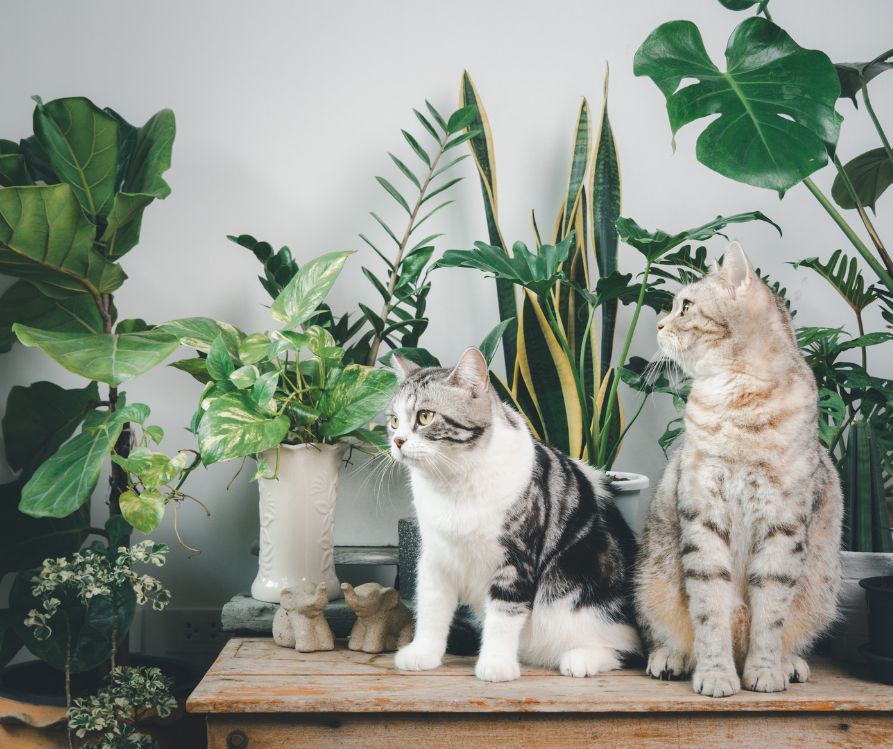
Breathe Easier with Indoor Plants
Bringing plants into your home does more than just enhance your decor; it creates a healthier environment for you and your family. By filtering out common household toxins, these green companions help you breathe cleaner, fresher air every day.
Start with one or two from this list. Perhaps a resilient Snake Plant for your bedroom or a cheerful Pothos for your office. As you watch them grow, you’ll not only enjoy their beauty but also the peace of mind that comes with knowing you’re making your home a safer, more natural sanctuary. Happy planting!
Visit the Garden Resources page for supplies and inspiration. Don’t forget to subscribe to the Calendula’s Garden Newsletter for more gardening tips.
Calendula’s Garden is reader supported. When you buy through links on our site, we may earn an affiliate commission. As an Amazon Associate, I earn from qualifying purchases. For more information, view our Disclaimer page. Thank you!