Beginner’s Guide to Choosing Fish for Aquaponics
Calendula's Garden is reader suported This post may contain affiliate links, more on our Disclaimer page. Thank you!
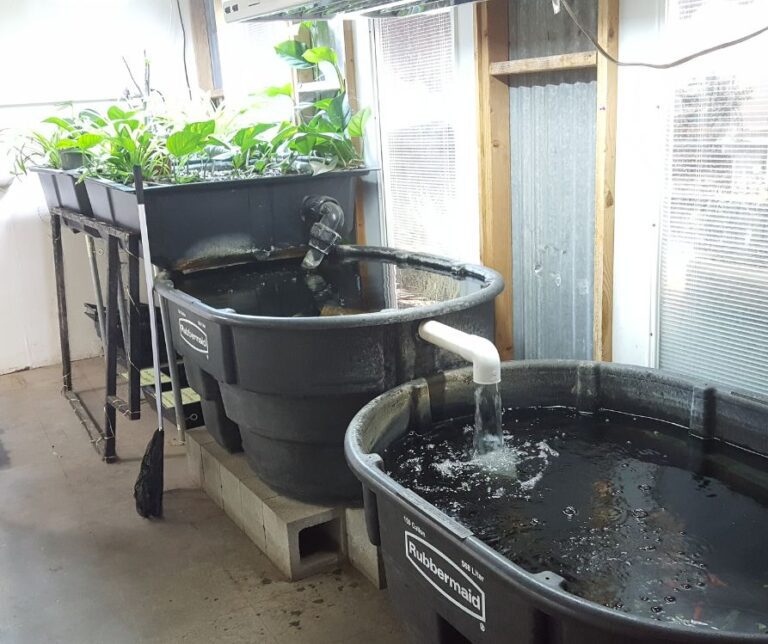
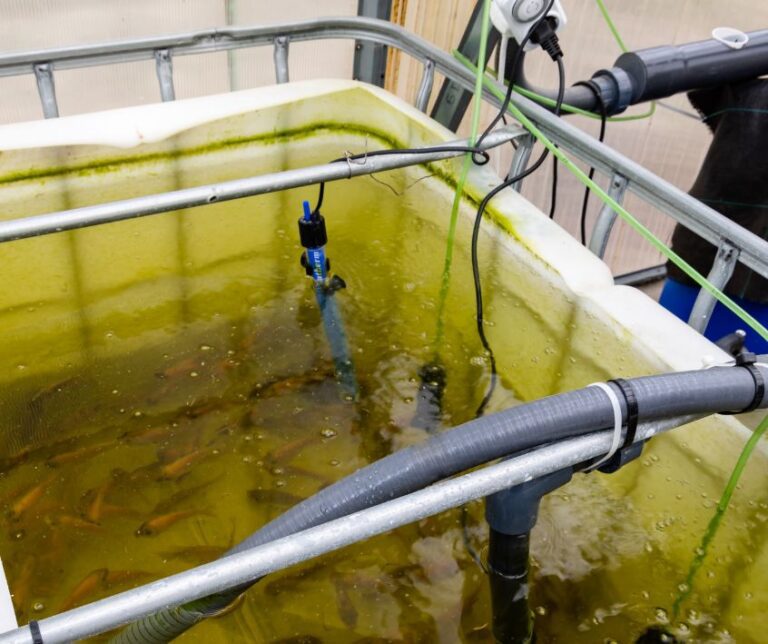
Aquaponics is a fun and sustainable way to grow food, combining aquaculture (raising fish) and hydroponics (growing plants in water) into a symbiotic system. It offers a sustainable and eco-friendly method of producing fresh vegetables and fish simultaneously. I also find the sound of moving water and feeding fish relaxing.
At the heart of this system are the fish themselves. Choosing the right species is crucial to ensuring your aquaponics system thrives.
Whether you’re a beginner exploring aquaponics for the first time or a sustainable living advocate looking to take your efforts to the next level, this guide will walk you through the steps of selecting the best fish for your setup.
The Benefits of Aquaponics and the Role of Fish
Aquaponics isn’t just about growing plants. It’s about creating a balanced ecosystem. Fish play a critical role by producing waste that is converted by beneficial bacteria into nutrients for plants.
The plants, in turn, clean the water for the fish. It’s a win-win relationship that makes aquaponics an efficient and environmentally friendly choice for growing food.
However, selecting the right fish is one of the most important decisions you’ll make when setting up your system. The fish you choose will impact how smoothly your system operates and how successful your harvest will be.
Step 1: Understanding the Basics of Fish Selection
When choosing fish for your aquaponics system, it’s important to recognize that each species has unique needs. The goal is to find fish that thrive in the same conditions your plants require. Here are the key factors to consider:
Water Temperature
Different fish species thrive at different temperatures. Tilapia, for example, prefer warmer water (70-85°F), while trout do better in cooler temperatures (50-65°F). Match fish to your local climate or controlled system environment.
pH Levels
Ensure the pH requirements of your fish align with those of your plants. Most aquaponics systems operate best around a neutral pH of 6.8-7.2.
Diet
Choose fish that are easy to feed. Herbivores like tilapia are simple to sustain with plant-based feed, whereas carnivorous species require minnows or specialized feed to manage.
Growth Rate and Size
Opt for fish that grow quickly and reach a manageable size. This will help you achieve faster harvest times without overcrowding your system.
Understanding these factors will help you create a stable and thriving system for both your fish and plants.
Step 2: Researching Suitable Fish Species

Now that you have a grasp of the basics, it’s time to explore which fish are best suited for aquaponics. Here’s a quick rundown of popular species:
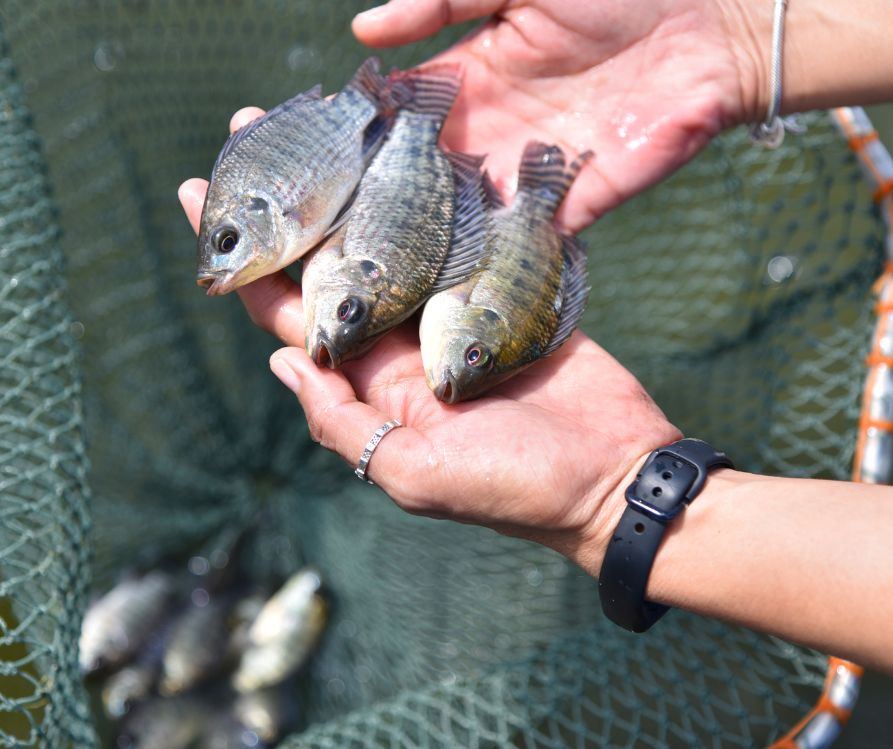
Tilapia
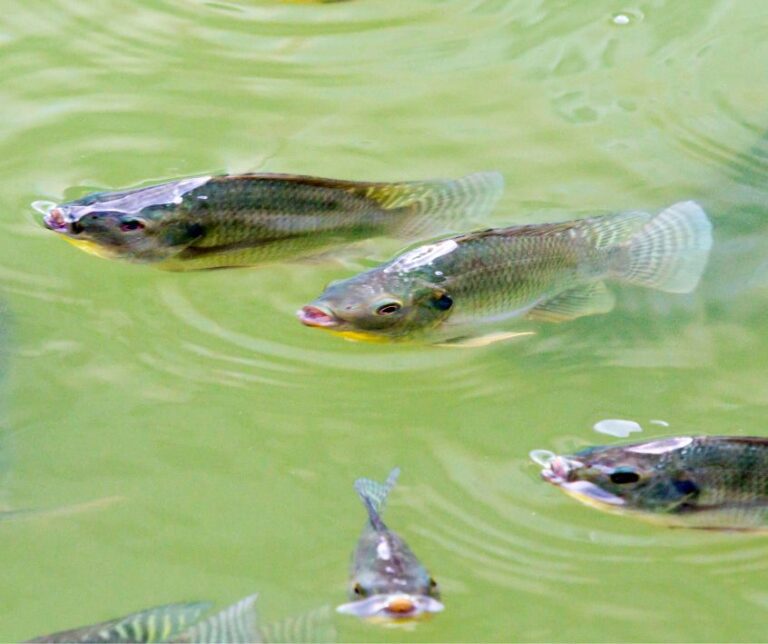
Ideal for beginners, tilapia are hardy, grow quickly, and can thrive in a range of water conditions. They tolerate higher temperatures and pH fluctuations well, making them a popular choice.
Catfish
Known for their resilience and quick growth, catfish are ideal for aquaponics setups in warmer climates. They require minimal maintenance and are easy to feed.
Trout
If you’re in a cooler climate, trout are a great alternative. They thrive in colder water and are highly nutritious, though they require more precise water management.
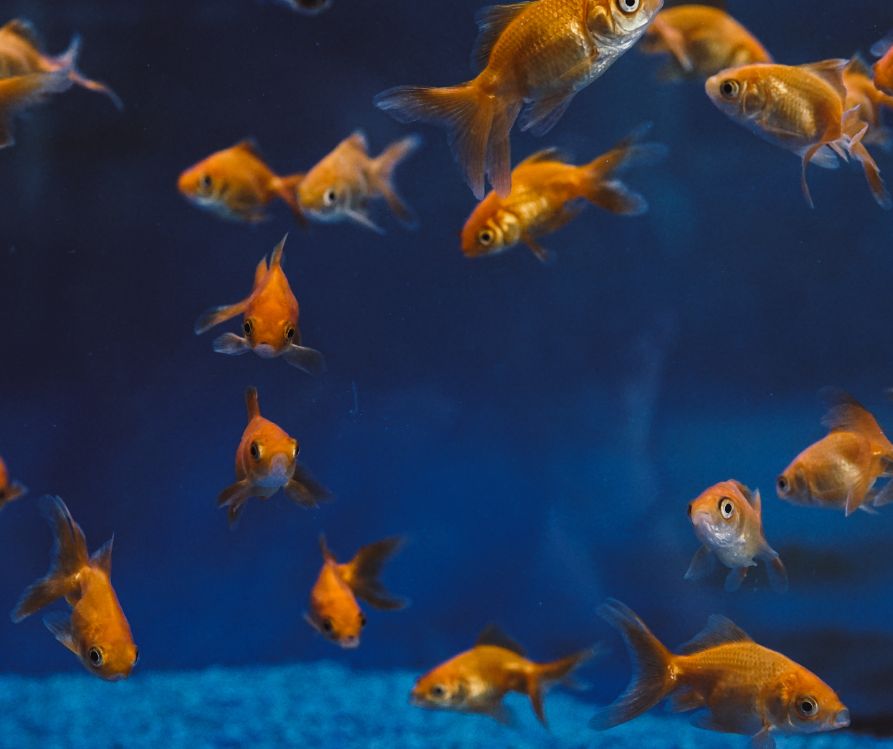
Goldfish
Great for ornamental systems, goldfish are hardy and make a good choice if you’re more focused on plants than fish harvesting.
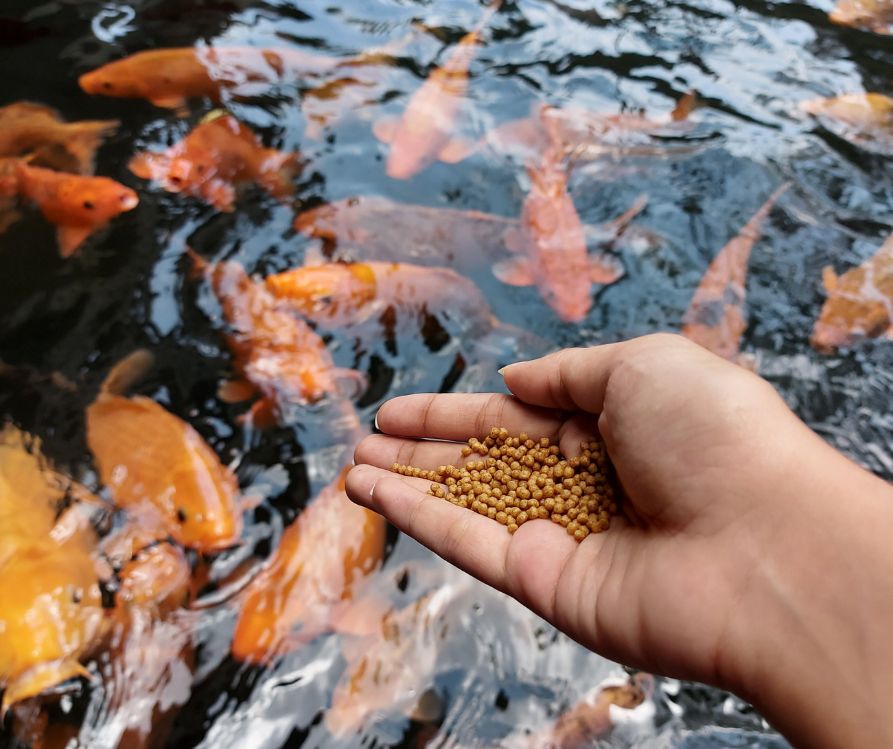
Koi
Koi are another decorative option for aquaponics. They’re long-lived, adaptable, and highly valued for their aesthetic appeal.
Consider your local climate and system goals when selecting a species. For example, tilapia might be perfect for producing food, while koi could be used to create a beautiful and functional decorative pond.
Step 3: Evaluating Local Regulations and Climate
Before finalizing your choice, make sure to research local fish farming regulations. Some regions restrict the farming of certain species to protect native ecosystems.
For example, when I lived in Oregon, I needed a license from the Oregon Department of Fish & Wildlife before I could order tilapia for my backyard aquaponics system.
Additionally, consider your climate and whether it aligns with the preferred conditions of your fish. If operating in an extreme climate, you may need to invest in heaters, coolers, or an indoor controlled setup to maintain stable water conditions year-round.
Step 4: Planning for Fish Health and Maintenance
Healthy fish are the foundation of a thriving aquaponics system. Here’s how you can ensure their well-being:
Water Quality
Regularly check water temperature, pH, ammonia, nitrate, and nitrite levels to keep conditions optimal. A reliable water testing kit is a must-have for aquaponics enthusiasts.
Disease Prevention
Quarantine new fish before adding them to your system to prevent the spread of disease. Also, avoid overcrowding your tank as it can lead to stress and poor health.
Proper Feeding
Feed your fish a balanced diet in appropriate quantities. Overfeeding can lead to excess waste and water quality issues, so always feed sparingly.
A healthy ecosystem starts with the health of your fish, so invest time and resources in their care.
Step 5: Sourcing and Acquiring Fish
Now that you’ve chosen the fish species for your system, the next step is to acquire them. Here are a few tips:
Local Suppliers
Local fish farms and hatcheries are your best option. They provide fish acclimated to your climate and often share valuable advice.
Online Suppliers
If local options are limited, many reputable online suppliers can ship fish safely to your location. Just ensure they have good reviews and a robust live-delivery policy.
Introducing Fish to Your System
When the fish arrive, acclimate them gradually to your system. Float the bag in your tank for 15-20 minutes to equalize temperatures and introduce them slowly to avoid shock.
Taking these steps ensures your fish settle in comfortably and adjust well to their new home.
Tips for Success and Future Considerations
Building a successful aquaponics system begins with well-informed fish selection and care. By focusing on the basics, matching fish species to your water conditions, maintaining fish health, and sourcing responsibly, you’ll set yourself up for plenty of fresh vegetables and fish for years to come.
Remember that aquaponics is a learning process. Continue honing your skills by researching, experimenting, and connecting with others in the aquaponics community.
If you’re ready to start your aquaponics journey, take the plunge today and enjoy the rewarding experience of growing your food sustainably with fish and plants working in harmony. There’s no better time to get involved in this eco-friendly way of gardening!
Visit the Garden Resources page for supplies and inspiration. Don’t forget to subscribe to the Calendula’s Garden Newsletter for more gardening tips.
Calendula’s Garden is reader supported. When you buy through links on our site, we may earn an affiliate commission. As an Amazon Associate, I earn from qualifying purchases. For more information, view our Disclaimer page. Thank you!