Bee Balm Basics: How to Grow, Care for, and Enjoy This Versatile Herb
Calendula's Garden is reader suported This post may contain affiliate links, more on our Disclaimer page. Thank you!
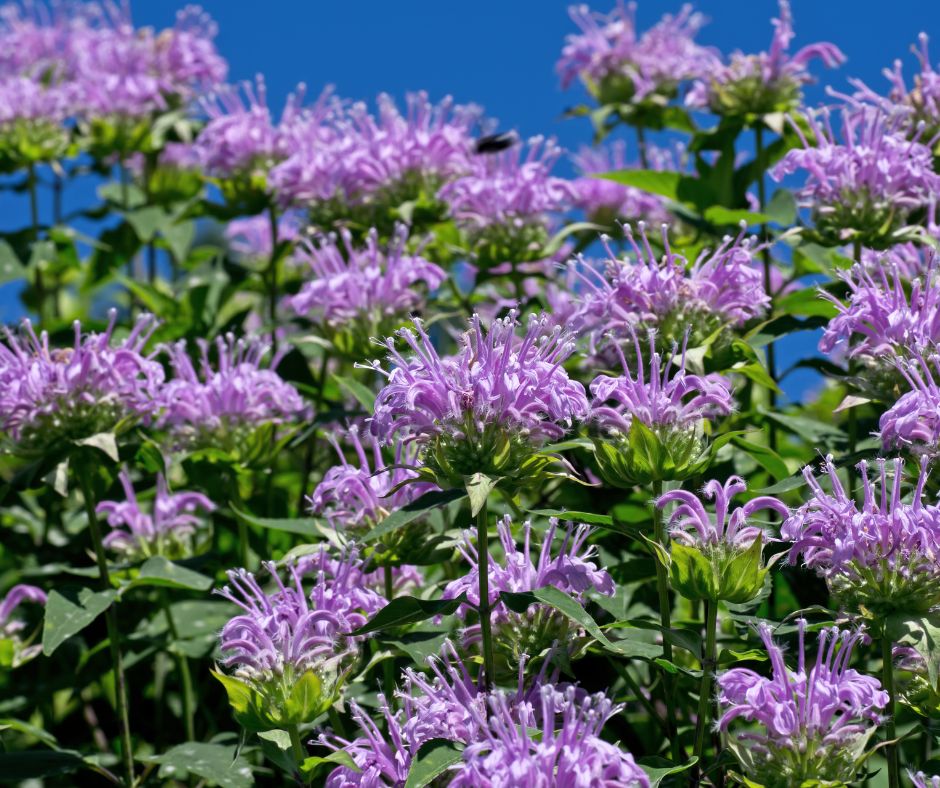
Bee balm, also known as monarda or bergamot, is a beautiful and fragrant flowering plant native to North America. With its vibrant colors and unique, spiky blooms, bee balm is a favorite among gardeners, pollinators, and herb enthusiasts alike.
This versatile plant comes in a variety of species and cultivars, offering a range of colors from deep red to soft lavender.

Bee Balm Characteristics Table
| Characteristic | Description |
| Common Name | Bee Balm, Wild Bergamot, Oswego Tea |
| Botanical Name | Monarda spp. (commonly M. didyma and M. fistulosa) |
| Plant Type | Herbaceous perennial |
| USDA Hardiness Zones | Zones 3–9 |
| Mature Height | 2 to 4 feet (dwarf varieties stay under 15 inches) |
| Mature Spread | 1.5 to 3 feet (spreads rapidly via rhizomes) |
| Light Requirements | Full sun to partial shade (needs good air circulation to prevent powdery mildew; blooms best in full sun with at least 6 hours of light) |
| Moisture Requirements | Moderate; prefers consistently moist soil and does not tolerate severe drought well. Mulching helps retain soil moisture. |
| Soil Preference | Rich, moist, well-draining soil containing organic matter; tolerates clay but prefers a neutral to slightly acidic pH (6.0–7.0). |
| Bloom Time | Mid-summer to early fall (produce tubular flowers in red, pink, purple, or white that attract pollinators) |
| Ecological Benefits | Highly attractive to bees, butterflies, and hummingbirds; deer and rabbit resistant due to its minty fragrance. |
Growing Bee Balm in the Garden
Where to find seeds, plants, and supplies:
To successfully grow bee balm in your garden, consider the following tips:
Selecting the Right Location and Soil Conditions
Bee balm thrives in full sun to partial shade and prefers well-drained, moist soil. It can tolerate a wide range of soil types but performs best in slightly acidic to neutral soil with a pH between 6.0 and 7.0. Choose a location that receives at least 6 hours of direct sunlight daily for optimal growth and blooming.
Planting and Spacing Guidelines
Plant bee balm in the spring or early summer, spacing plants 18 to 24 inches apart to allow for proper air circulation and growth.
If starting from seed, sow them directly in the garden after the last frost or start them indoors 6 to 8 weeks before the last expected frost date. When transplanting, ensure the crown of the plant is at soil level.
Watering and Care Tips for Optimal Growth
Water bee balm regularly, keeping the soil consistently moist but not soggy. Mulch around the plants to help retain moisture and suppress weed growth.
Xerces Society – Plants for Pollinators: Wild Bergamot
Deadhead spent blooms to encourage continuous flowering throughout the season. Divide plants every 2 to 3 years in the spring or fall to maintain vigor and prevent overcrowding.
Growing Bee Balm in Containers
For those with limited garden space or a desire for a portable herb garden, bee balm can be successfully grown in containers.
Choosing the Appropriate Container and Soil Mix
Select a container with drainage holes and a diameter of at least 12 inches to accommodate the plant’s root system.
Use a well-draining potting mix that contains a blend of peat moss, perlite, and compost to provide the ideal growing environment for bee balm.
How to design a small container garden
Planting and Maintenance Instructions for Potted Bee Balm
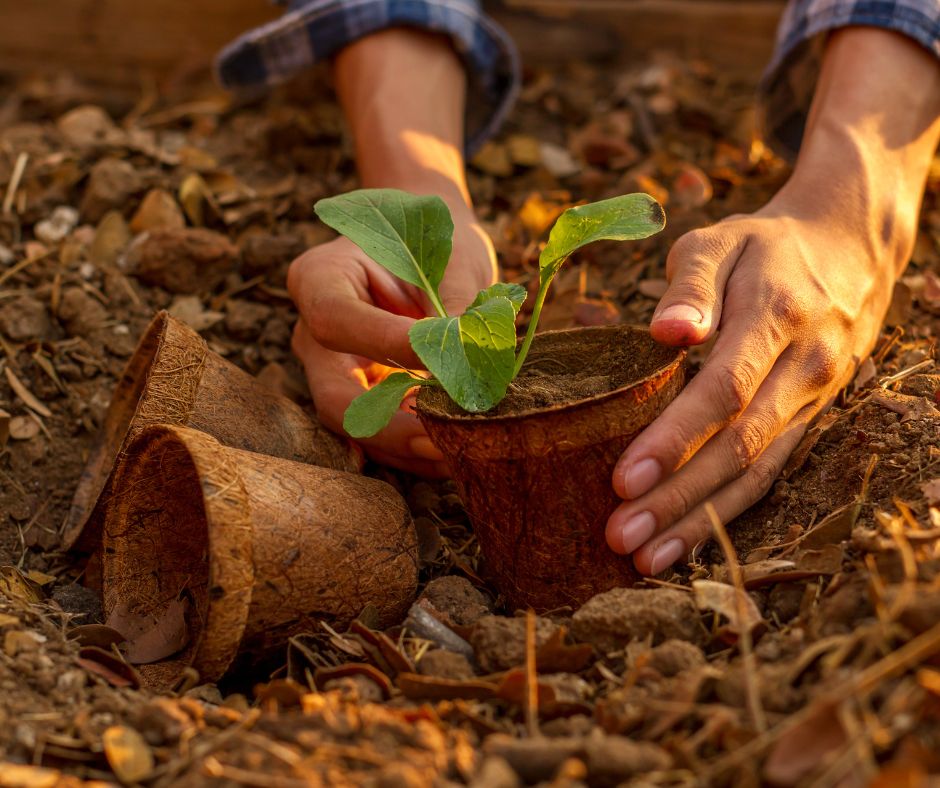
Fill the container with the potting mix, leaving space for the plant. Gently remove the bee balm from its nursery pot and place it in the center of the container, ensuring the crown is at soil level.
Water thoroughly and place the container in a sunny location. Monitor soil moisture and water when the top inch of soil feels dry. Fertilize monthly with a balanced, water-soluble fertilizer to support healthy growth.
Companion Planting with Bee Balm

Bee balm is an excellent companion plant for many other garden favorites. Some compatible plants include:
- Echinacea (coneflower)
- Salvia (sage)
- Rudbeckia (black-eyed Susan)
- Phlox
- Aster
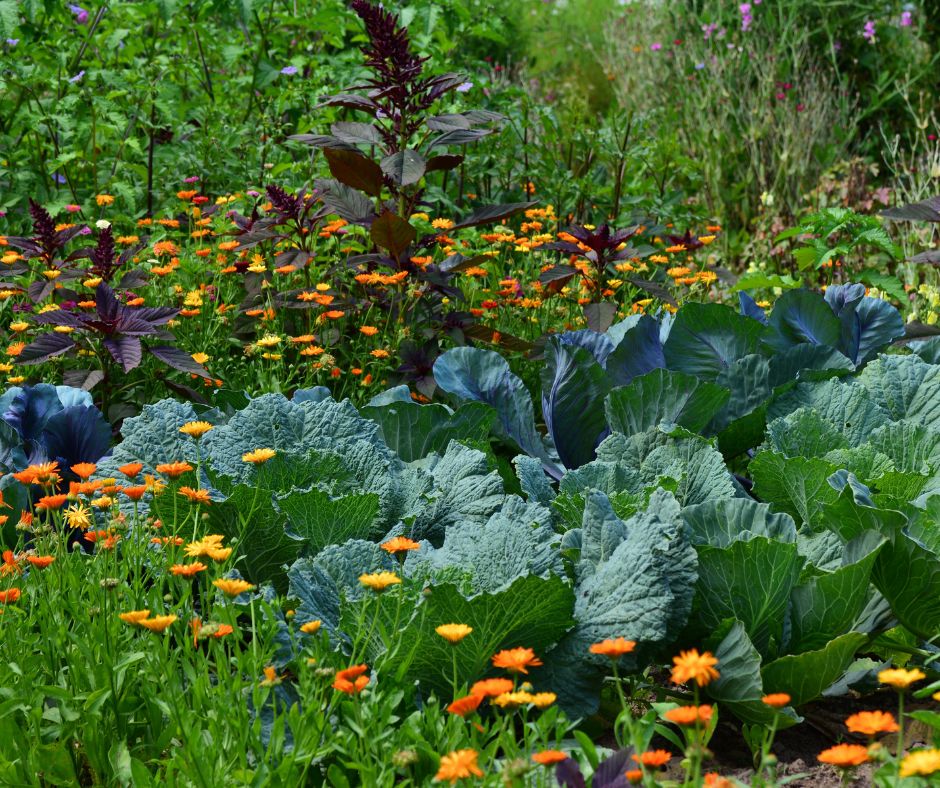
Companion planting with bee balm offers several benefits, such as attracting pollinators, deterring pests, and enhancing the overall health and appearance of the garden.
The Many Benefits of Companion Gardening: What You Need to Know
Health Benefits of Bee Balm
In addition to its beauty and fragrance, bee balm has numerous health benefits. The plant has been used for centuries in traditional medicine to treat various ailments, including:
- Digestive issues
- Colds and flu
- Skin irritations
- Stress and anxiety
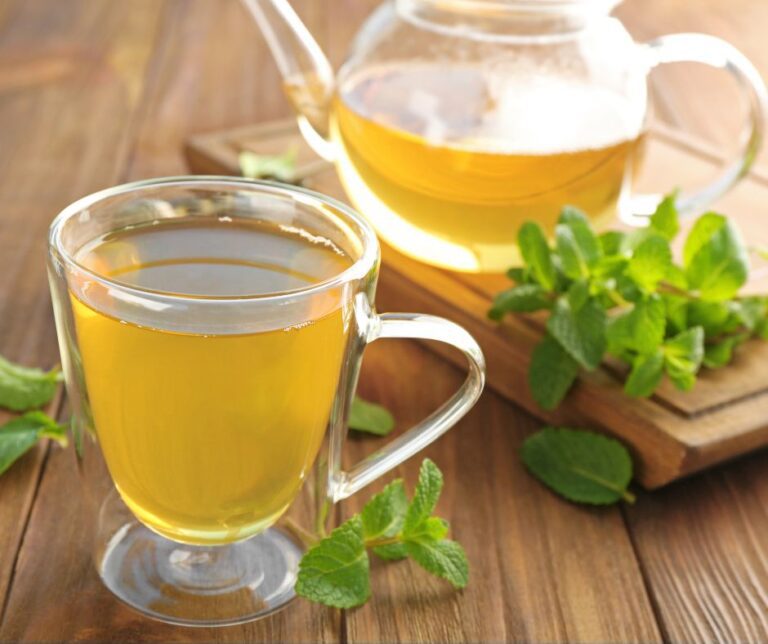
Bee balm’s leaves and flowers can be used to make a soothing herbal tea, adding a delightful, minty flavor to beverages and salads. The essential oils found in bee balm are also valued for their aromatherapeutic properties.
25 Mosquito Repellent Plants for a Bug-Free Haven
Growing bee balm is a rewarding experience for gardeners. Being easy to care for makes it a fantastic addition to any garden or container. Its versatility as a companion plant, combined with its numerous health benefits, makes bee balm a must-have for those seeking to create a thriving, vibrant, and wellness-focused garden.
Visit the Garden Resources page for supplies and inspiration. Don’t forget to subscribe to the Calendula’s Garden Newsletter for more gardening tips.
Calendula’s Garden is reader supported. When you buy through links on our site, we may earn an affiliate commission. As an Amazon Associate, I earn from qualifying purchases. For more information, view our Disclaimer page. Thank you!