Balancing Fish Stocking Densities for Healthy Aquaponic Systems
Calendula's Garden is reader suported This post may contain affiliate links, more on our Disclaimer page. Thank you!
Aquaponics is a method of food production that marries aquaculture (raising fish) with hydroponics (growing plants without soil). At its core, this symbiotic system depends on balance. Not just between fish and plants, but also in how many fish are stocked in your fish tank.
Poor fish stocking densities can lead to unhealthy fish, unstable water quality, and disappointing plant yields.
This guide will explain why balancing fish stocking densities is crucial in aquaponic systems, offer guidance on optimal practices, and present real-world strategies to maintain a thriving system. These tips will help you achieve harmony in your setup.
The Importance of Stocking Density in Aquaponic Systems
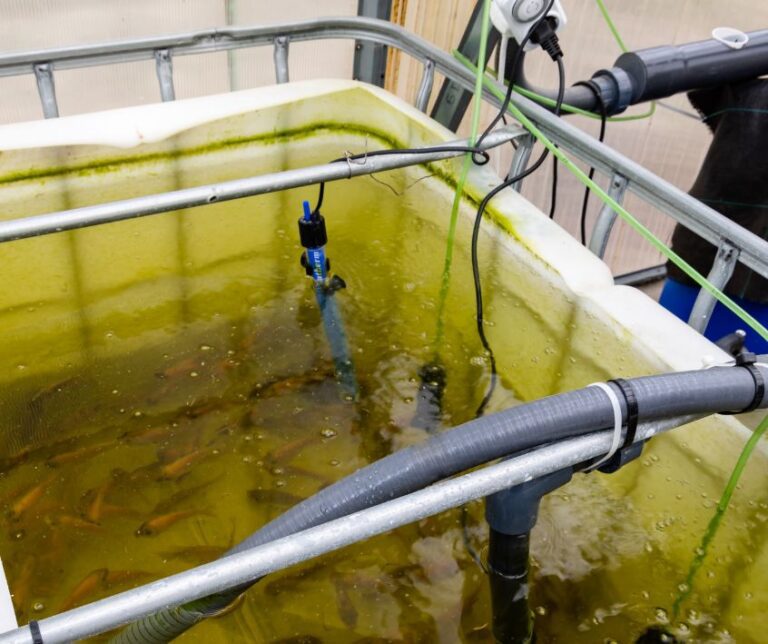
Fish stocking density refers to the number of fish kept in a tank relative to its volume (usually measured in liters or gallons). It’s an essential factor in aquaponics because the fish and their waste fuel plant growth. However, too few or too many fish can disrupt this cycle.
Too High Density
Overstocking fish leads to an excess of waste, resulting in ammonia spikes, lower oxygen levels, and stressed fish. Plants may also struggle to filter all the nutrients, leaving your water quality compromised and your system at risk.
Too Low Density
Understocking fish means inadequate nutrient production for optimal plant growth. Without sufficient nitrates from fish waste, plants may face nutrient deficiencies, resulting in stunted development.
A balanced stocking density ensures stable water chemistry and maximized productivity for both fish and plants.
A Few Helpful Guides
Aquaponic Gardening: A Step-by-Step Guide to Raising Vegetables and Fish Together
Freshwater Aquaculture: A Handbook for Small Scale Fish Culture in North America
Murray Hallam’s Aquaponic Gardening: Book of Plans
Factors Affecting Fish Stocking Densities
Achieving the perfect balance isn’t one-size-fits-all. Several factors will influence the appropriate stocking density for your system:
1. Water Quality Parameters
Healthy aquaponics systems depend on pristine water quality. Parameters such as ammonia, nitrite, and nitrate levels, along with dissolved oxygen, greatly impact how many fish your tank can sustain.
Ammonia Toxicity
Ammonia levels should stay below 0.5 ppm (parts per million). Higher fish densities result in rapid ammonia accumulation, especially if filtration systems aren’t robust enough.
Dissolved Oxygen
Fish require oxygen to thrive. Overstocked tanks experience oxygen depletion, leading to respiratory stress in fish. Levels should remain above 5 mg/L for most species.
API FRESHWATER MASTER TEST KIT
2. Tank Size and Shape
The size and design of your tank also dictate how many fish you can stock. Consider these points:
Tank Dimensions
Larger tanks support higher densities, as they offer more water volume to dilute waste. Shallow tanks, on the other hand, risk insufficient oxygen circulation for larger populations.
Tank Flow
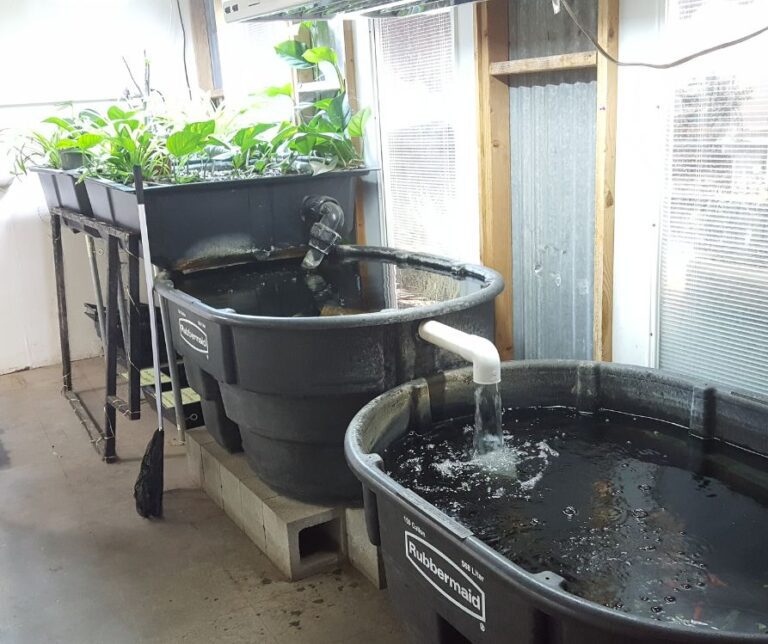
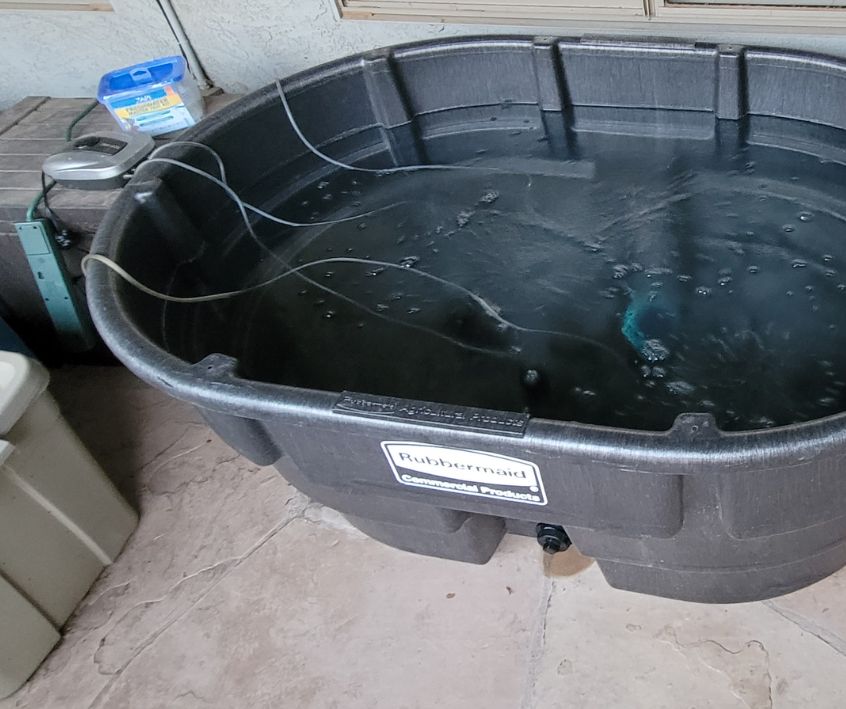
Circular or oval tanks with continuous water movement prevent waste buildup in corners, making them ideal for higher stocking densities.
Rubbermaid Commercial Products Stock Tank, 150-Gallons
3. Species Selection
Different fish species have distinct requirements. Some species thrive in crowded conditions, while others stress easily in tighter spaces.
Hardy Species
Tilapia, for instance, can tolerate higher densities and fluctuating water conditions.
Special Requirements
Fish like trout require cooler, highly oxygenated water and more space per individual.
AQUANEAT Aquarium Air Pump 300GPH, for up to 200 Gallon Fish Tank
Understanding the nature of your chosen fish species is critical to determining an optimal stocking balance.
Optimal Stocking Densities for Common Aquaponics Fish Species
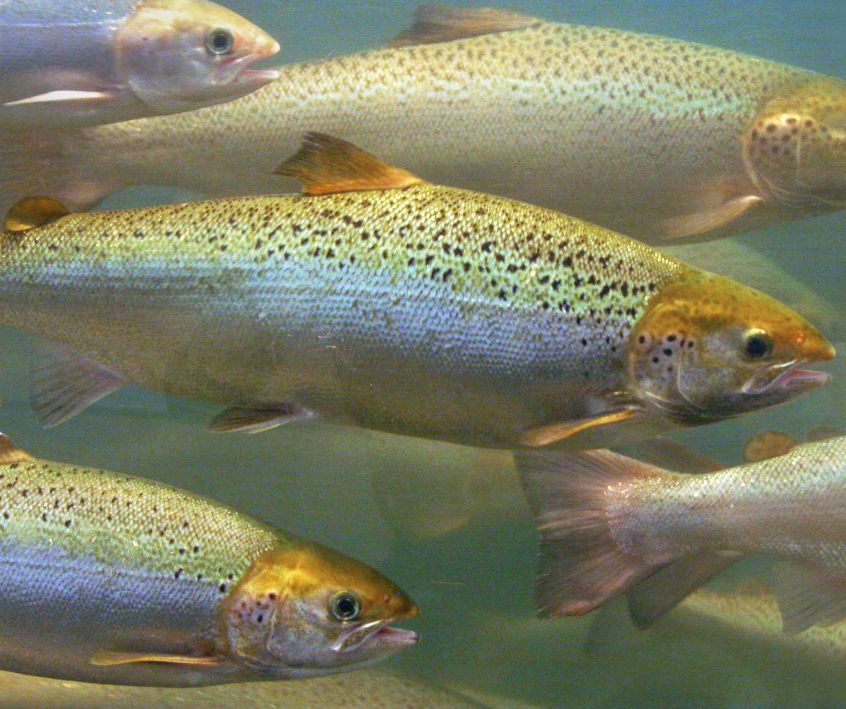
Different fish species have unique density thresholds, usually based on their size and behavior. For small hobby systems, a common guideline for fish stocking density is approximately one fish per five gallons (20 liters) of water.
Here’s a quick guide for popular aquaponics fish in large systems:
Tilapia
Tilapia are hardy and easy to manage, making them an ideal choice for beginners. They thrive in warm, high-density environments.
Tilapia can survive at temperatures as low as 50°F (10°C), but they will experience significant stress and are unlikely to thrive. Prolonged exposure to temperatures below 60°F (15°C) can weaken their immune system, making them more susceptible to disease.
For optimal health and growth, it’s best to keep the water temperature within their preferred range of 75–86°F (24–30°C). In the winter, I keep an aquarium heater in the tank to maintain the water temperature.
Density Range: 1.7–2.5 pounds of fish per 264 gallons (20-30 kg of fish per 1,000 liters)
Trout
Trout need cooler water temperatures (50–64°F or 10-18°C) and highly oxygenated environments. They require more space than other species.
Density Range: 0.8–1.7 pounds per 264 gallons (10-20 kg per 1,000 liters)
Catfish
Catfish can handle slightly higher densities than trout, but also need good aeration and waste management.
Density Range: 1.7–2.1 pounds per 264 gallons (20-25 kg per 1,000 liters)
Goldfish
Goldfish are compatible with smaller, decorative aquaponics systems. While less commonly used in commercial setups, they are popular for hobbyists.
Density Range: 0.4–1.7 pounds per 264 gallons (5-20 kg per 1,000 liters)
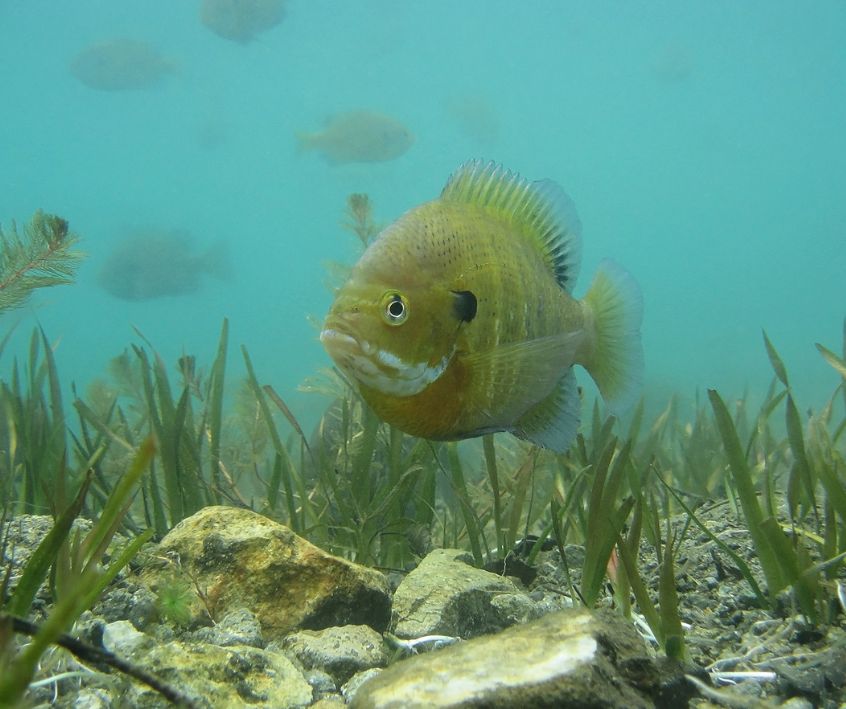
Bluegill
Bluegill are a versatile and hardy species, making them a great option for aquaponics systems. They adapt well to varying water conditions and are suitable for both beginners and experienced aquaponics enthusiasts.
Density Range: 1.5–2.2 pounds per 264 gallons (0.68–1 kg per 1,000 liters)
Make sure to monitor fish growth regularly, as larger fish may eventually outgrow initial density limits.
Mosquitofish
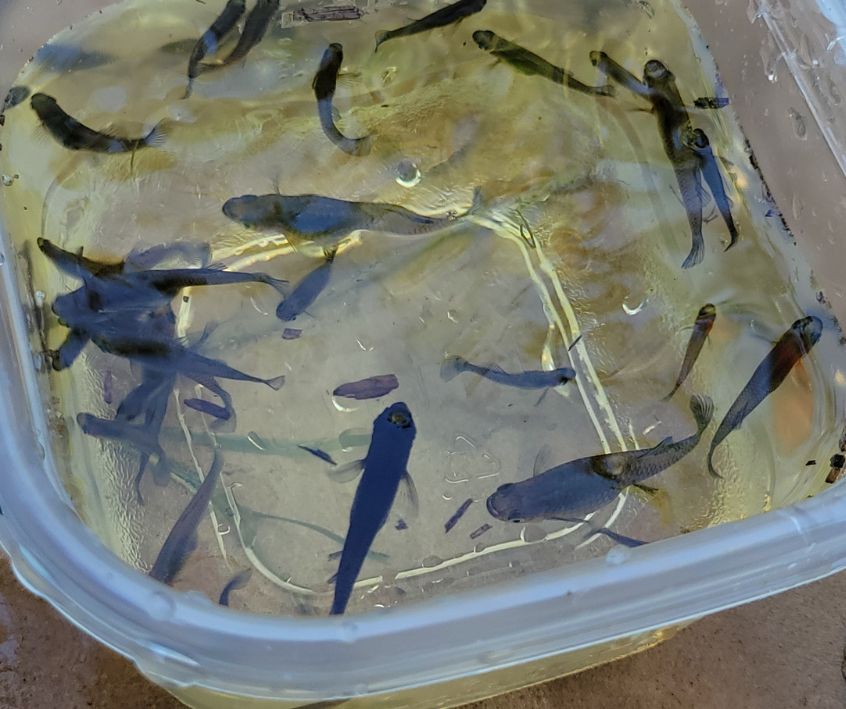
Mosquitofish are a hardy and low-maintenance species, often used in aquaponics systems for pest control due to their appetite for mosquito larvae. They are well-suited for small-scale or decorative systems.
Density Range: 0.2–0.5 pounds of fish per 264 gallons (0.1–0.25 kilograms of fish per 1,000 liters)
Small Systems: 1–3 fish per gallon (1–3 fish per 4 liters)
Mosquitofish thrive in warm, low-density environments but can tolerate higher densities in well-maintained systems with proper aeration and filtration. They are an excellent choice for hobbyists looking to manage pests while maintaining a balanced aquaponics ecosystem.
Strategies for Maintaining Balanced Stocking Densities
Maintaining balance in your aquaponics system requires ongoing adjustments and careful planning. Here’s how to stay on track:
1. Regular Monitoring and Adjustments
Water Testing
Frequently test for ammonia, nitrites, nitrates, and pH levels using reliable water test kits. Adjust stocking densities or improve filtration if parameters shift out of range.
API FRESHWATER MASTER TEST KIT
Fish Growth
Fish grow, and as they do, they require more oxygen and produce more waste. Consider moving larger fish to a separate tank or harvesting fish regularly to maintain balance.
2. Use of Biofilters and Aeration
Biofilters
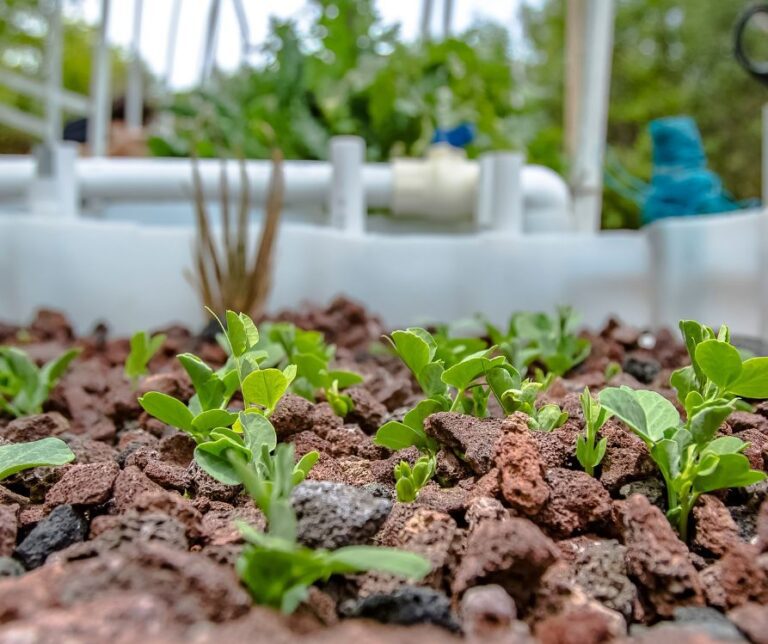
Good biofilters convert harmful ammonia into nitrates that plants can absorb. Invest in a quality biofilter to support higher fish densities.
Fluval FX2 High Performance Canister Aquarium Filter
Aeration Systems
Use air pumps, bubblers, or venturi systems to keep dissolved oxygen above recommended limits. Strong aeration also promotes healthy bacteria essential for breaking down waste.
AQUANEAT Aquarium Air Pump 300GPH, for up to 200 Gallon Fish Tank
3. Emergency Plans
Have plans in place for potential overstocking emergencies. For example, an additional backup tank can temporarily house fish during population spikes or water quality issues.
AquaMiracle Lithium Battery Powered Portable Aquarium Air Pump Power Outages and Emergency
Case Studies of Successful Aquaponic Systems
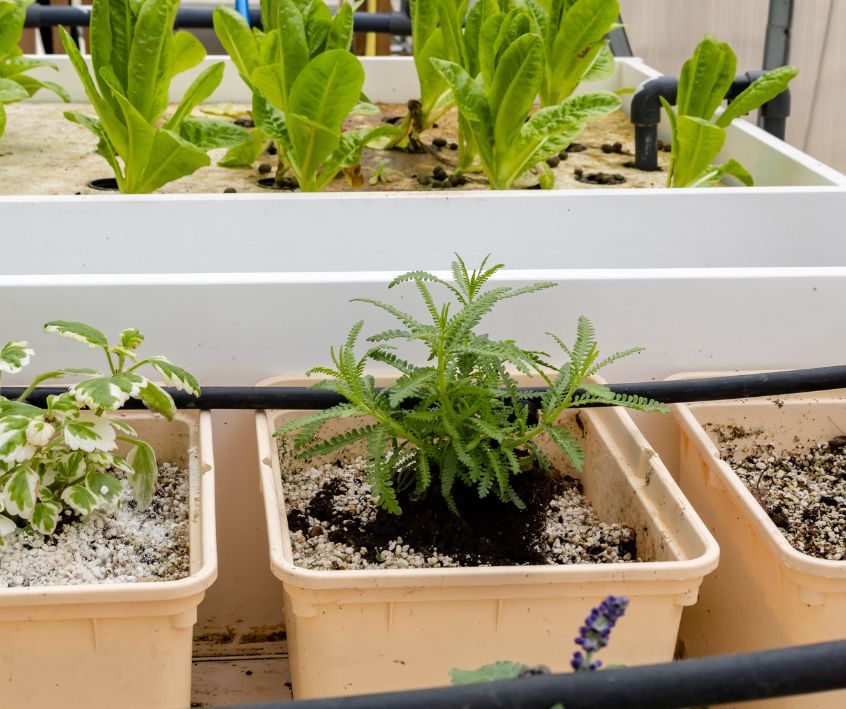
Case Study 1: Small-Scale DIY Setup
A small-scale, backyard aquaponics enthusiast successfully grew 30 tilapia in a 250-gallon tank, using kale and lettuce as plants. Regular ammonia testing and a robust filtering system kept water quality stable, providing lush foliage and healthy fish.
Case Study 2: Commercial Aquaponics Farm
A mid-size aquaponics farm in California keeps trout at 15 kg/1,000 liters, adjusting densities seasonally. Using biofilters and automated oxygen sensors, they grow premium microgreens while maintaining pristine water conditions.
These examples showcase how proper stocking density management leads to thriving systems of all scales.
Achieve Harmony and Success in Aquaponics
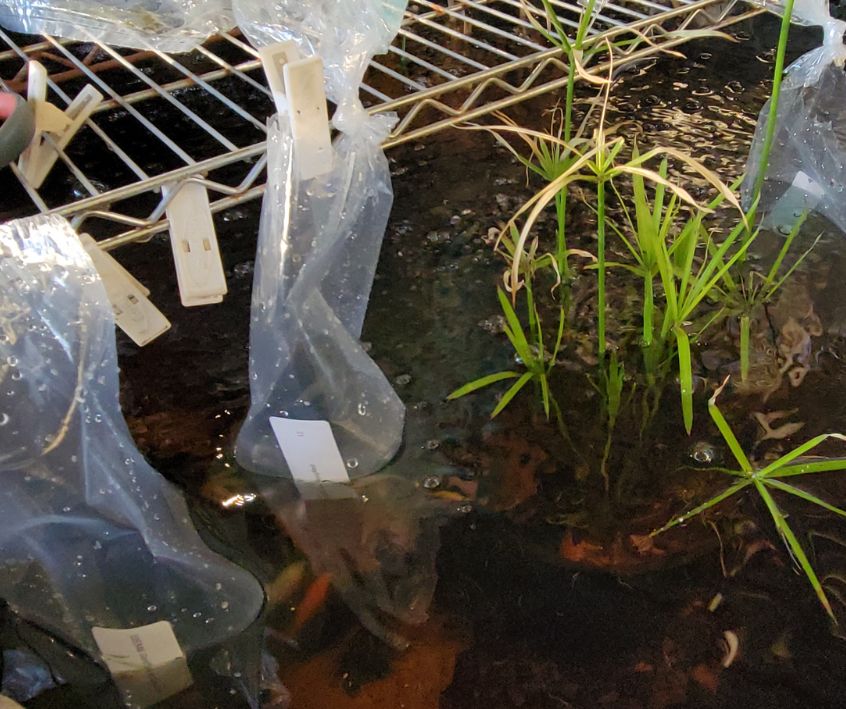
Balancing fish stocking densities is critical for healthy aquaponics systems. The key is understanding your system’s unique parameters, water quality limits, tank size, and species requirements, all while performing regular monitoring and adjustments.
When done right, balanced stocking promotes sustainability, provides nutritious food, and supports the future of eco-friendly agriculture. Whether you’re managing a small backyard system or a commercial aquaponics farm, focus on the harmony between fish and plants.
Where do you find success in balancing stocking densities? Share your tips and experiences in the comments below. For more resources and expert advice, explore our full library of aquaponics guides.
Visit the Garden Resources page for supplies and inspiration. Don’t forget to subscribe to the Calendula’s Garden Newsletter for more gardening tips.
Calendula’s Garden is reader supported. When you buy through links on our site, we may earn an affiliate commission. As an Amazon Associate, I earn from qualifying purchases. For more information, view our Disclaimer page. Thank you!