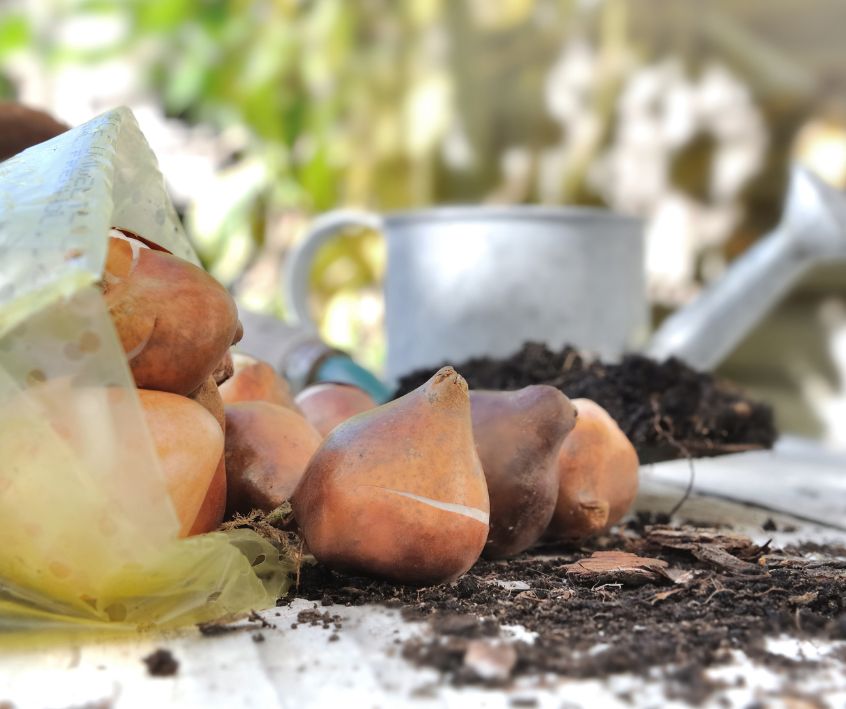
A Year-Round Guide to Forest Garden Maintenance
Calendula's Garden is reader suported This post may contain affiliate links, more on our Disclaimer page. Thank you!
Forest gardening is a sustainable approach that mimics the structure of a natural woodland. By planting in layers, from the canopy trees down to the roots underground, you create a resilient ecosystem that produces food while supporting local wildlife. For beginners, it sounds like a dream: maximum harvest for minimum effort.
However, even a “wild” garden needs a helping hand. While forest gardens are certainly lower maintenance than traditional vegetable patches, they aren’t no maintenance.
The goal is to steer the system, not control it. Whether you are working with a small urban plot or a larger backyard, following the natural rhythms of the seasons will keep your edible landscape thriving.
Here is how to care for your slice of nature, season by season.
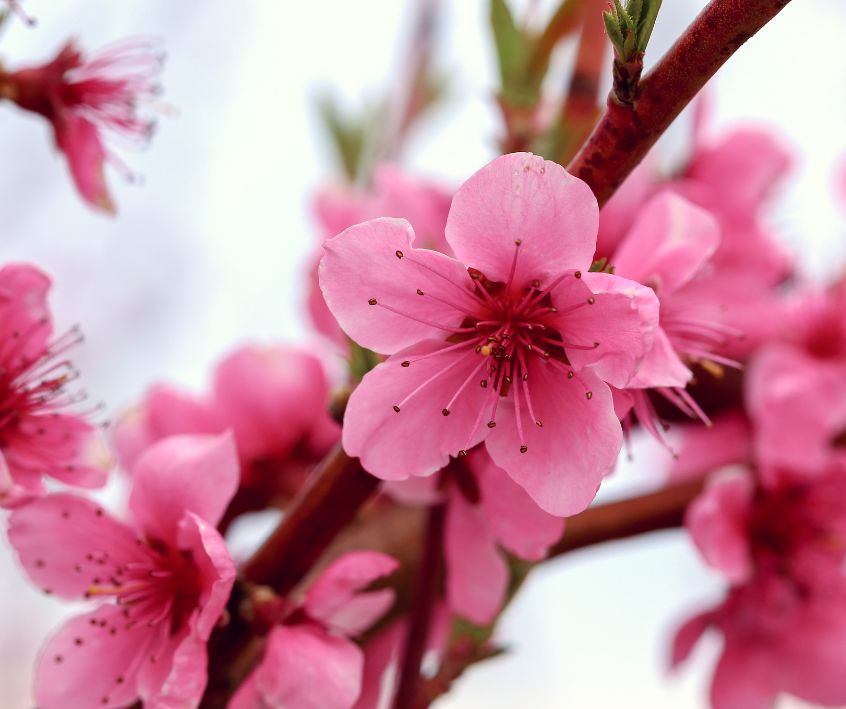
Spring: Waking Up the Ecosystem
Spring is a time of renewal and excitement. As the soil warms and green shoots appear, your main job is to set the stage for the abundance to come.
The Art of Mulching
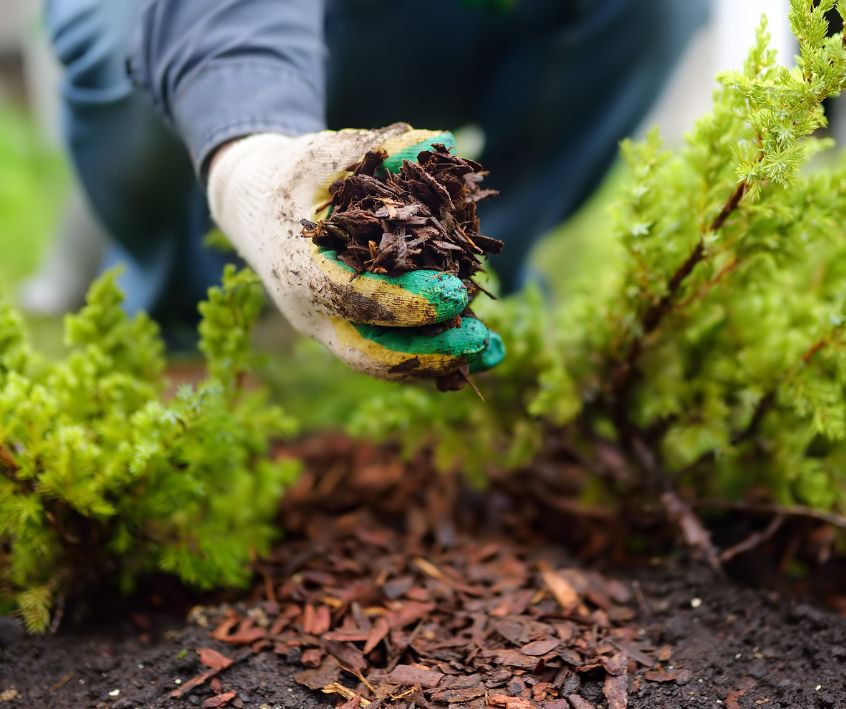
In a traditional garden, you might till the soil. In a forest garden, we protect it. Mulching is one of the most critical steps for a healthy, organic garden. It suppresses weeds, retains moisture, and breaks down to feed the soil.
For existing plants, you can use a technique called “chop and drop.” This involves cutting back the dead foliage from last year’s perennials (like comfrey or yarrow) and leaving it right there on the ground around the plant.
It looks natural and provides instant nutrients. If you are starting fresh, spread a thick layer of wood chips, straw, or leaves around your plants. Just be sure to leave a little breathing room around the stems to prevent rot.
Planting New Layers
Spring is the perfect time to add diversity. If you have your fruit trees established, look at the space under them. What can you add? This is where you build your “guilds”—communities of plants that help each other.
Consider planting:
- Nitrogen fixers: Plants like clover or lupines pull nitrogen from the air and put it into the soil for your other plants to use.
- Pollinator attractors: Flowers like bee balm and calendula invite bees and butterflies, which ensures your fruit trees get pollinated.
- Edible groundcovers: Strawberries or wild ginger act as living mulch, covering the soil so invasive weeds can’t take hold.
Eco-Friendly Pest Control
As new growth appears, so do the bugs. Don’t panic! In an organic environment, the presence of aphids usually signals that ladybugs, their natural predators, are on the way.
Avoid chemical sprays, which kill the good bugs along with the bad. Instead, focus on observation.
If a pest problem seems out of control, you can usually manage it by hand-picking the offenders or spraying a simple mix of water and mild soap.
Summer: Management and Abundance
Summer is when the forest garden really comes alive. The growth is rapid, the days are long, and the rewards start rolling in.
Watering Wisely
New plants will always need water to get established. However, once a forest garden matures, it becomes incredibly drought-resistant thanks to all that organic matter in the soil.
When you do water, water deeply and less frequently. This encourages roots to dive deep into the soil to find moisture, rather than staying near the surface where they are vulnerable to heat.
If you want to take your sustainability to the next level, consider setting up a rain barrel to capture water from your roof.
Weeding (Or, Editing)
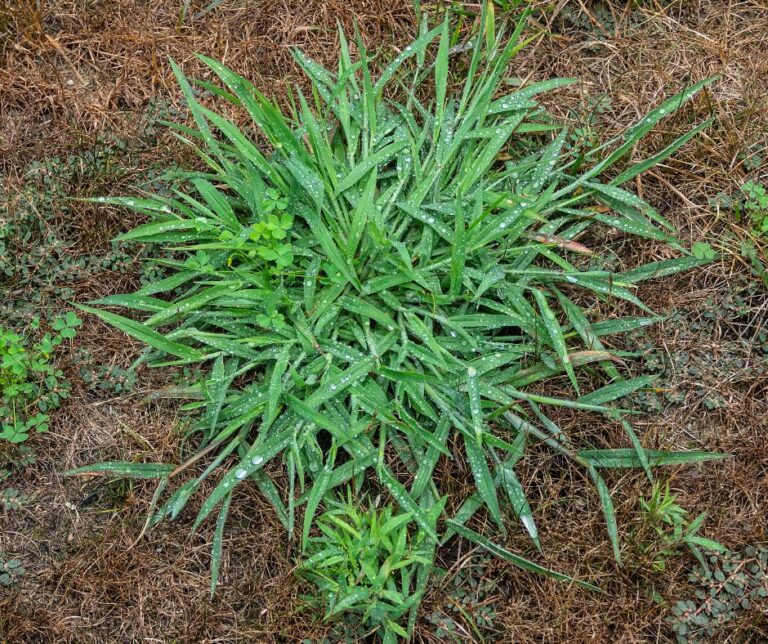
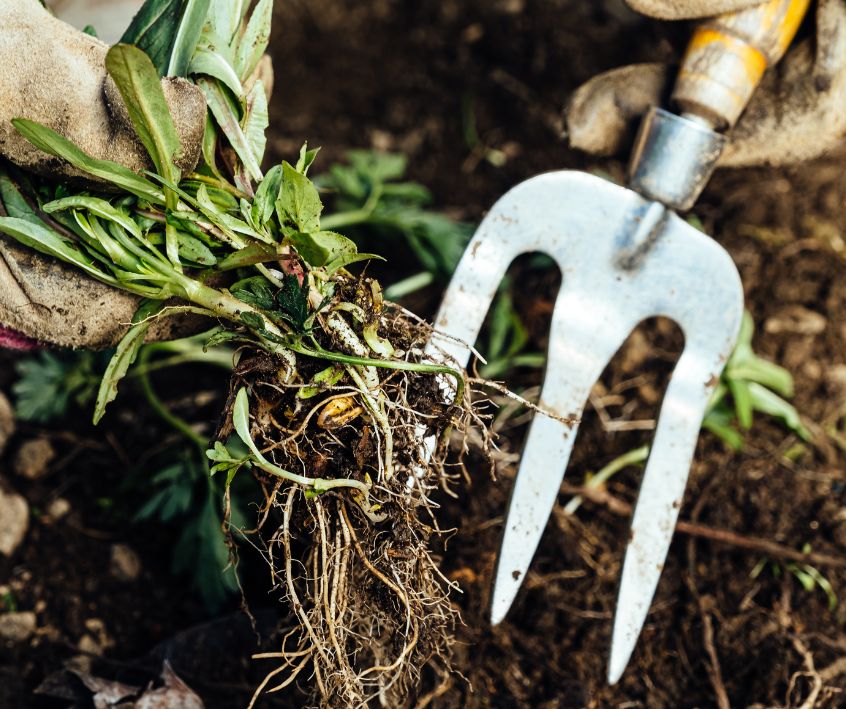
Weeding in a forest garden is different from weeding a vegetable patch. You don’t need to remove everything that isn’t a crop.
Many “weeds” like dandelions are actually dynamic accumulators, meaning their deep taproots pull up nutrients from the subsoil.
Think of it as editing rather than weeding. Remove invasive grasses or plants that are choking out your young trees, but feel free to leave the rest.
If you pull something out, lay it on top of the soil as mulch. Nothing goes to waste.
The Joy of Harvesting
This is the best part. In summer, your berries, raspberries, currants, and blueberries will start to ripen.
Leafy greens might be bolting (going to seed) in the heat, so harvest them early or let them flower to feed the pollinators. Remember to harvest regularly; picking fruit often encourages the plant to produce even more.
Autumn: Preparing for Rest
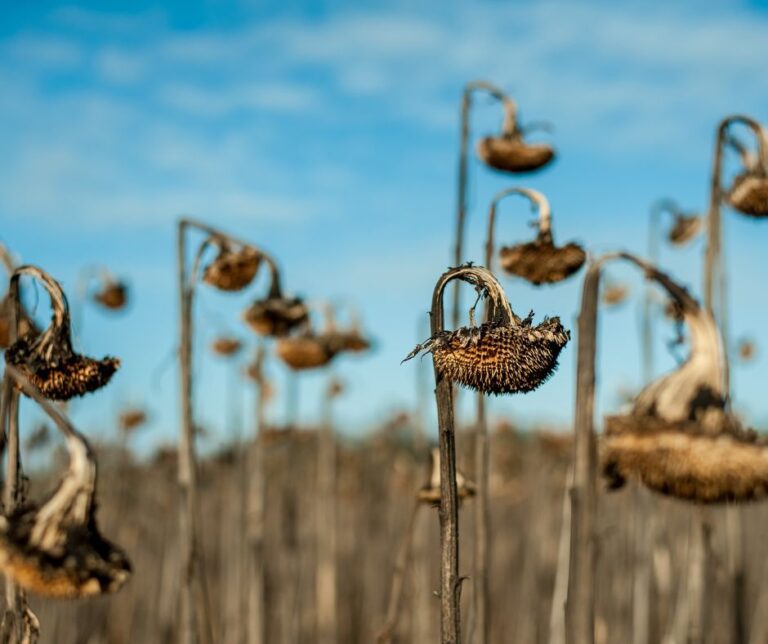
As the air turns crisp and the leaves change color, the garden begins to wind down. This is a crucial time to tidy up and prepare the ecosystem for the cold months ahead.
Pruning and Tidying
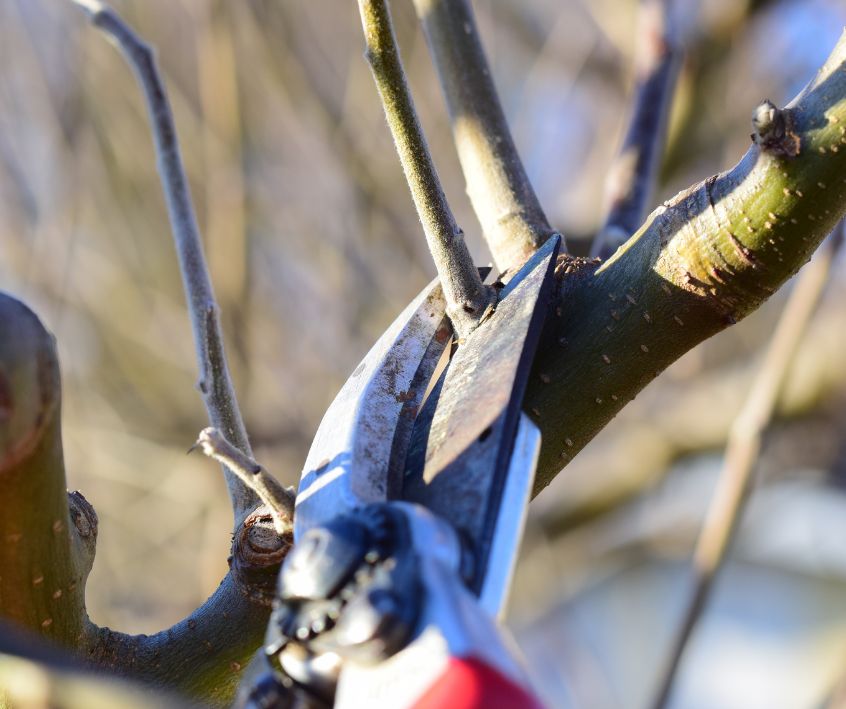
Once the leaves have fallen, you can see the structure of your trees and shrubs. This is a good time to prune out any dead, damaged, or diseased wood.
Pruning helps open up the canopy to let light reach the lower layers of your garden.
However, don’t be too tidy. Leaving some seed heads on flowers provides food for birds during winter, and hollow stems can serve as homes for overwintering beneficial insects.
Feeding the Soil
Nature doesn’t like bare soil. In the forest, leaves fall to cover the ground. You should mimic this. Rake leaves from your lawn and pile them into your garden beds.
This thick blanket insulates the soil and protects the microbiology living within it.
You can also add a layer of finished compost now. The winter rain and snow will help wash those nutrients down into the root zone, ready for spring.
Seed Saving
Sustainability is all about closing the loop. Instead of buying new seeds every year, try saving your own. Beans, peas, and tomatoes are great for beginners.
Wait until the seeds are fully mature and dry on the plant, then harvest and store them in a cool, dry place. It saves money and preserves varieties that thrive specifically in your microclimate.
Winter: Dreaming and Planning
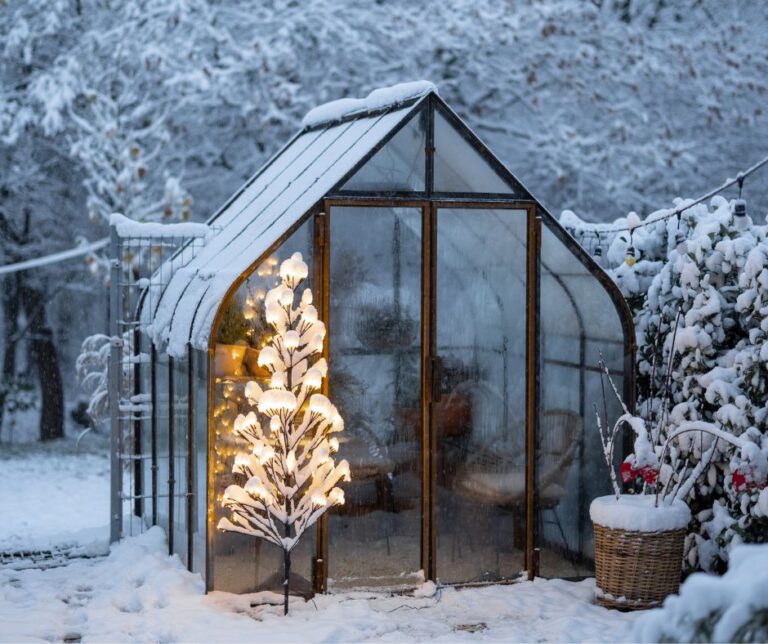
The garden may look asleep, but there is still life underground. Winter is your time to rest, reflect, and plan.
Soil Care
If you didn’t cover your soil in autumn, do it now. Erosion from winter storms can strip away valuable topsoil. A heavy layer of straw or wood chips is your soil’s best defense against the elements.
Planning for Next Year
Grab a hot cup of tea and your garden journal. What worked well this year? What didn’t? Maybe the zucchini took over the path, or the currants didn’t get enough sun.
Winter is the perfect time to:
- Order seeds and bare-root trees.
- Design new plant guilds.
- Repair tools and sharpen pruners.
- Read up on new plants or techniques.
Cultivating a Connection
Building a forest garden is a journey, not a destination. You will make mistakes. Maybe you plant a tree too close to a fence or lose a crop to slugs. That is completely normal. In fact, it is how you learn.
By observing your garden through the seasons, you stop being just a gardener and become a steward of a living ecosystem.
You are creating a space that feeds your family, supports biodiversity, and helps the planet heal. So, pull on your boots, get your hands in the dirt, and watch your own little forest come to life.
Visit the Garden Resources page for supplies and inspiration. Don’t forget to subscribe to the Calendula’s Garden Newsletter for more gardening tips.
Calendula’s Garden is reader supported. When you buy through links on our site, we may earn an affiliate commission. As an Amazon Associate, I earn from qualifying purchases. For more information, view our Disclaimer page. Thank you!