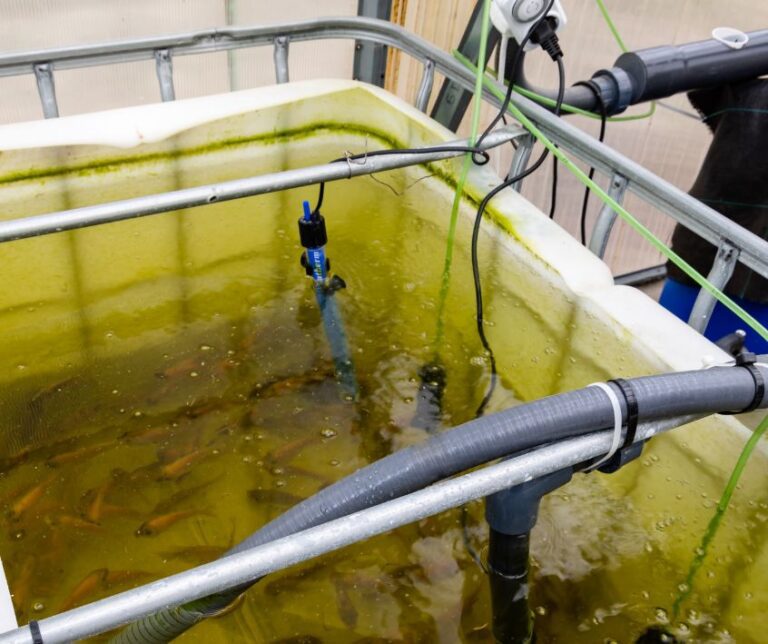
A Natural Approach to Mosquito Control: Using Bacteria to Target Larvae
Calendula's Garden is reader suported This post may contain affiliate links, more on our Disclaimer page. Thank you!
As the warmer months roll in, so does the annual battles against pesky mosquitoes. While chemical insecticides have been the go-to solution for many, there’s also a natural approach available: biological control using bacteria that specifically target mosquito larvae in water bodies.
Understanding Biological Mosquito Control
Biological control involves using natural enemies to manage pest populations. In the case of mosquitoes, certain bacteria like Bacillus thuringiensis israelensis (Bti) and Lysinibacillus sphaericus (Ls) can be introduced into water bodies where mosquito larvae develop.
These bacteria produce toxins that are lethal to mosquito larvae but harmless to other organisms, making them an eco-friendly alternative to chemical insecticides.
Where to Find Mosquito Control Bacteria

- Specialized Garden Stores: Many garden centers now carry biological mosquito control products containing Bti or Ls bacteria.
- Online Suppliers: Various online retailers specialize in eco-friendly pest control solutions, including mosquito control bacteria.
- Local Health or Gardening Organizations: Some local government agencies or gardening clubs may provide Bti or Ls bacteria as part of their mosquito control initiatives.
Effective Mosquito Bti Pellets on Amazon
Summit 116-12 Quick Kill Mosquito Bits, 8-Ounce
Mosquito Beater Granules, 1.5-Lbs
Summit Mosquito Dunk Tablet For Ponds and Other Water Features
How to Apply Mosquito Control Bacteria Effectively

- Identify Mosquito Breeding Sites: Locate stagnant water bodies where mosquitoes lay eggs, such as ponds, birdbaths, rain barrels, and clogged gutters.
- Read Product Instructions: Each product may have specific application guidelines. Follow them closely for the best results.
- Apply the Bacteria: Depending on the product, you may need to mix the bacteria with water, then apply it evenly across the surface of the water body.
- Repeat as Needed: Reapply the bacteria according to the product’s instructions, typically every 30 days or after heavy rainfall.
Building a Mosquito Water Trap Using Bacillus thuringiensis israelensis (Bti)

Creating an effective mosquito water trap with Bti is a cost-effective and eco-friendly method to reduce the mosquito population in your area. Here’s a simple guide to constructing your trap:
- Gather Materials: You will need a 2-liter plastic bottle, scissors or a knife, black paint or fabric, tape, and Bti mosquito dunks or granules, which are readily available from most garden stores or online suppliers.
- Prepare the Bottle: Cut the plastic bottle into two sections. The bottom part should be about two-thirds the height of the bottle. This will serve as the trap container. The top part, inverted, will act as a funnel to guide mosquitoes into the trap.
- Paint the Trap: Mosquitoes are attracted to dark colors, especially black. Paint the outside of the bottom part of the bottle with black paint, or wrap it in black fabric. This step is crucial to increase the trap’s attractiveness to mosquitoes.
- Add Water and Bti: Fill the bottom part of the bottle with water, leaving some space below the bottle’s cut edge. Add the Bti product according to the package instructions. Bti works by releasing bacteria that specifically target and kill mosquito larvae that hatch in the water.
- Set Up the Funnel: Invert the top part of the bottle and place it inside the bottom part, creating a funnel. Use tape to seal the edges where the two bottle parts meet to ensure mosquitoes cannot escape.
- Placement of the Trap: Position the trap in a shaded area near mosquito breeding sites but away from your main living or activity areas. Check the trap regularly, at least once a week, to dispose of any dead mosquitoes and larvae, and replenish the Bti as needed to maintain its effectiveness.
- Maintenance: To ensure the trap continues to work effectively, replace the water and Bti every month or following heavy rain. Clear debris from the trap to prevent clogging and ensure it remains attractive to mosquitoes.
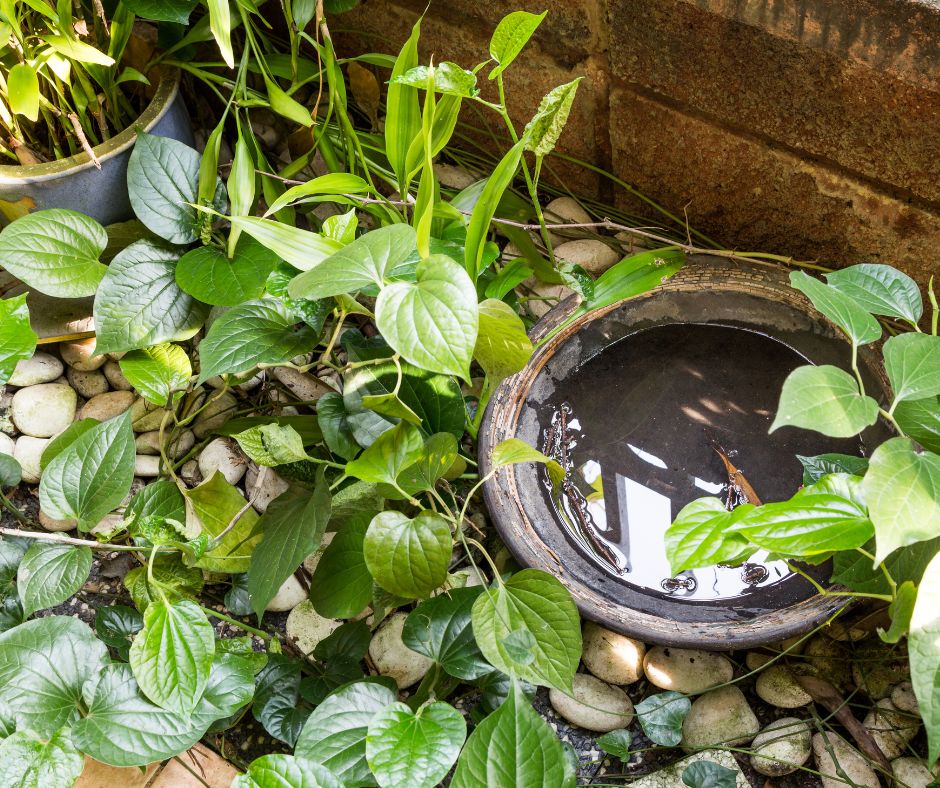
You can also make a large version of this trap by using a large black plastic tote, filling it with water, adding a handful of dried leaves or sticks, and a Bti dunk. Make sure to cover the tote with wire mesh to keep birds and other animals from getting trapped.
I always include a large stick so animals can crawl out, just in case. Since we are not using a funnel for this trap is best placed far away from seating areas and is great for large yards. This trap attracts adult mosquitos and kills the larvae
This mosquito water trap, combined with Bti, offers an environmentally friendly and safer alternative to chemical insecticides, contributing to a sustainable mosquito control strategy in your community.
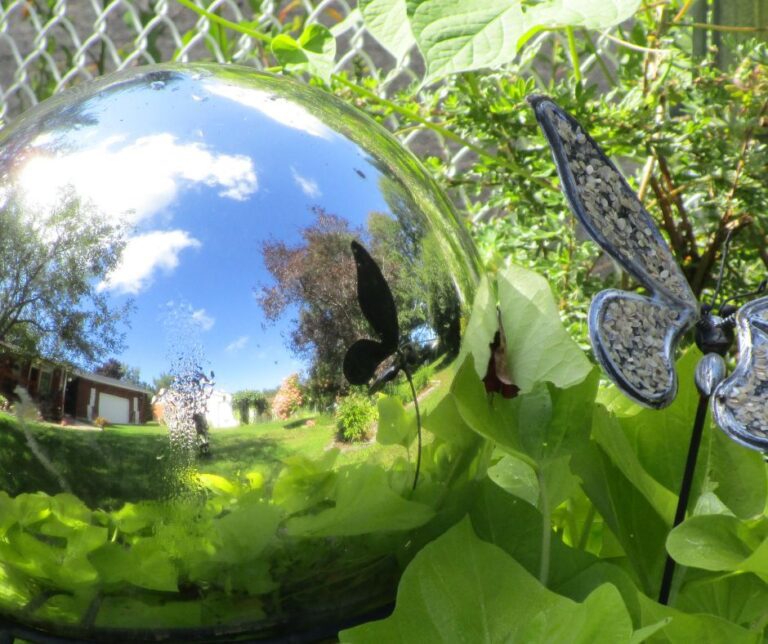
Say Goodbye to Mosquitoes: DIY Reflective Balls for Your Water Features
Benefits of Using Biological Mosquito Control
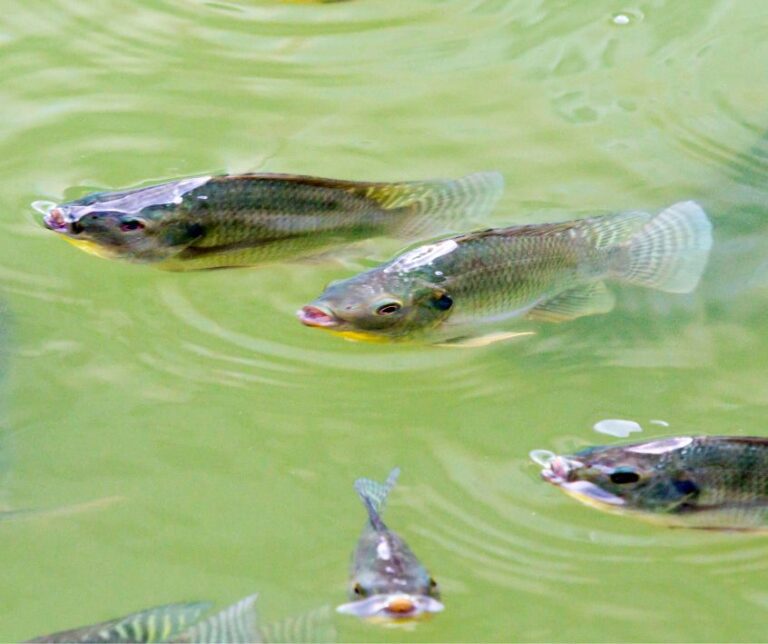
- Eco-Friendly: Unlike chemical insecticides, Bti and Ls bacteria do not harm beneficial insects, fish, or wildlife.
- Targeted Action: These bacteria specifically affect mosquito larvae, reducing the overall mosquito population without disrupting the ecosystem.
- Safe for Humans and Pets: Bti and Ls bacteria are non-toxic to humans and pets, making them a safer choice for homes and gardens.
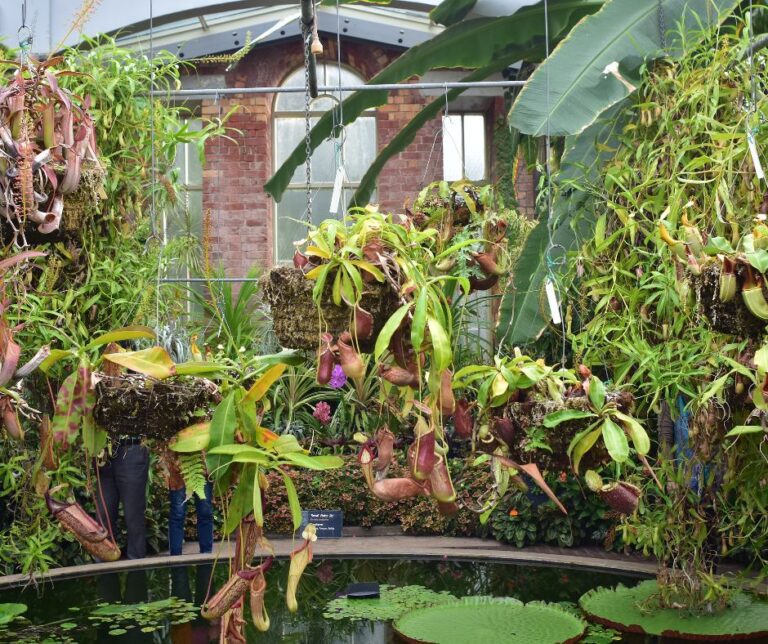
25 Mosquito Repellent Plants for a Bug-Free Haven
Monitoring and Maintenance
- Inspect the water level regularly to ensure the bacterial treatment remains effective.
- Remove any debris or organic matter that may accumulate in the water, as this can provide a food source for mosquito larvae.
- Keep a record of your treatment schedule to maintain a consistent control program.
By adopting biological mosquito control methods, we can effectively manage mosquito populations while minimizing the environmental impact. With proper monitoring and maintenance, we can enjoy mosquito-free outdoor spaces without harming ourselves or our community.
Visit the Garden Resources page for supplies and inspiration. Don’t forget to subscribe to the Calendula’s Garden Newsletter for more gardening tips.
Calendula’s Garden is reader supported. When you buy through links on our site, we may earn an affiliate commission. As an Amazon Associate, I earn from qualifying purchases. For more information, view our Disclaimer page. Thank you!