A Guide to Mosquito Repelling Light Bulbs
Calendula's Garden is reader suported This post may contain affiliate links, more on our Disclaimer page. Thank you!

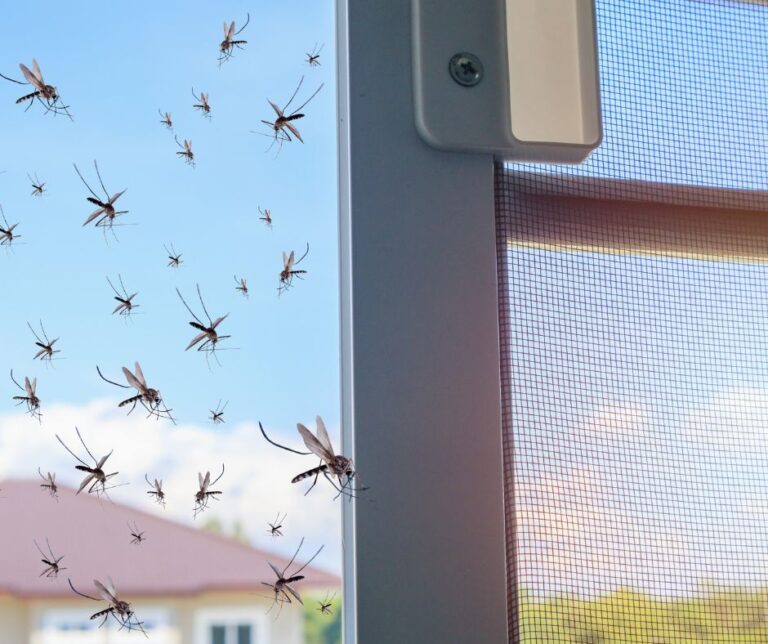
Mosquitoes can quickly turn a delightful outdoor gathering into an itchy, unpleasant experience. Beyond the discomfort of bites, these pests can also carry serious diseases. Fortunately, mosquito-repelling light bulbs offer a promising solution.
In this guide, we’ll explore the effectiveness of these bulbs and share the best placement strategies to keep your outdoor spaces mosquito-free.
Understanding Mosquito-Repelling Light Bulbs
Mosquito-repelling light bulbs work by emitting a specific wavelength of light that is less attractive to mosquitoes. While several types are available, LED bulbs are often the most effective and energy-efficient option.
These bulbs typically produce a soft yellow light, which is less appealing to mosquitoes compared to the cool blue light emitted by regular bulbs.
Types of Mosquito-Repelling Light Bulbs and Their Effectiveness
When exploring mosquito-repelling light bulb options, it becomes evident that technology has paved the way for a variety of solutions tailored to suit different needs and environments.
Below, we examine the primary types available and assess their effectiveness in keeping these pests at bay.
LED Mosquito-Repelling Light Bulbs
These bulbs are among the most popular and efficient options. They emit a spectrum of light that is designed to be less attractive to mosquitoes, leveraging LED’s low energy consumption for a cost-effective solution.
Their effectiveness varies, but many users report a significant decrease in mosquito presence in areas illuminated by these bulbs.
UV Light Bulbs with Insect Zappers
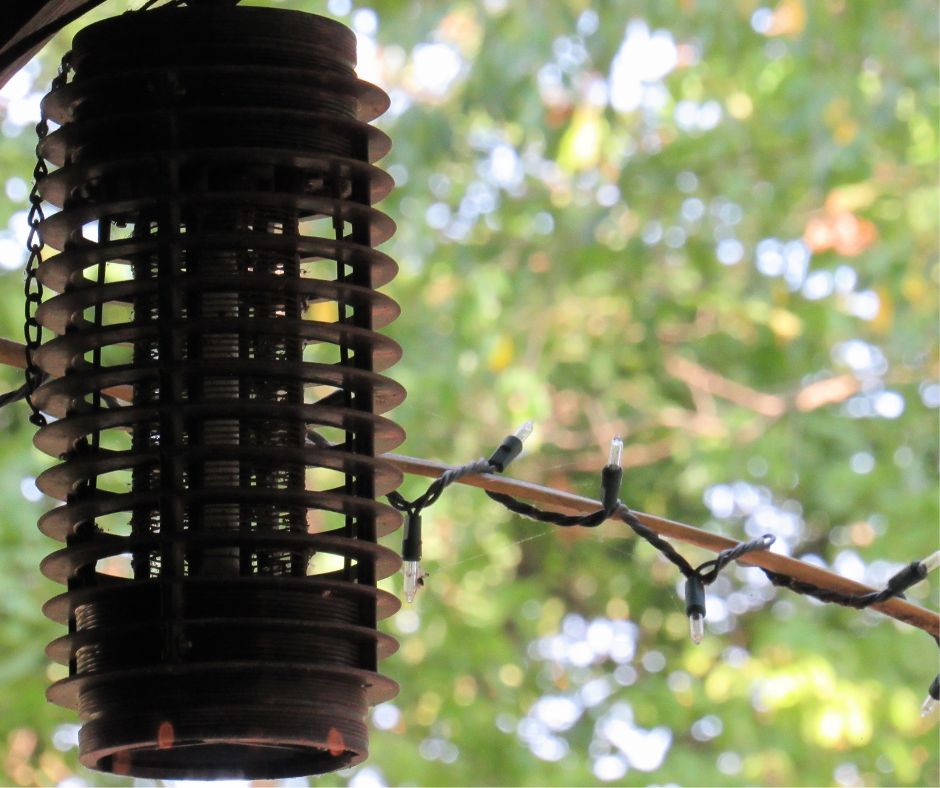
This type combines UV light, which attracts insects, with an electric zapper to eliminate them upon contact. While they are effective in killing mosquitoes and other flying insects, their attract-and-kill approach might initially draw more insects.
However, they are best suited for areas where reducing the mosquito population is more critical than merely repelling them.
This is an extreme solution of last resort in our household. Due to the potential of attracting and killing unintended nonbiting insects.
Yellow Bug Lights
Not specifically designed to repel mosquitoes but to be less attractive to them and other insects. These bulbs emit a yellow light that insects find less appealing, thereby reducing their presence.
While they do not eliminate or actively repel mosquitoes, they are an efficient way to decrease their likelihood of congregating in lit areas.
In evaluating effectiveness, it’s crucial to consider the area of use, the density of mosquito populations, and specific needs, such as the desire for active repelling versus reduction.
A Jungle Paradise: Designing Your Dream Tropical Plant Reading Nook
While no solution offers 100% protection, integrating one or a combination of these bulbs into your outdoor and entry-point lighting strategies can significantly enhance your ability to enjoy mosquito-reduced environments.
Placement Strategies for Maximum Effectiveness
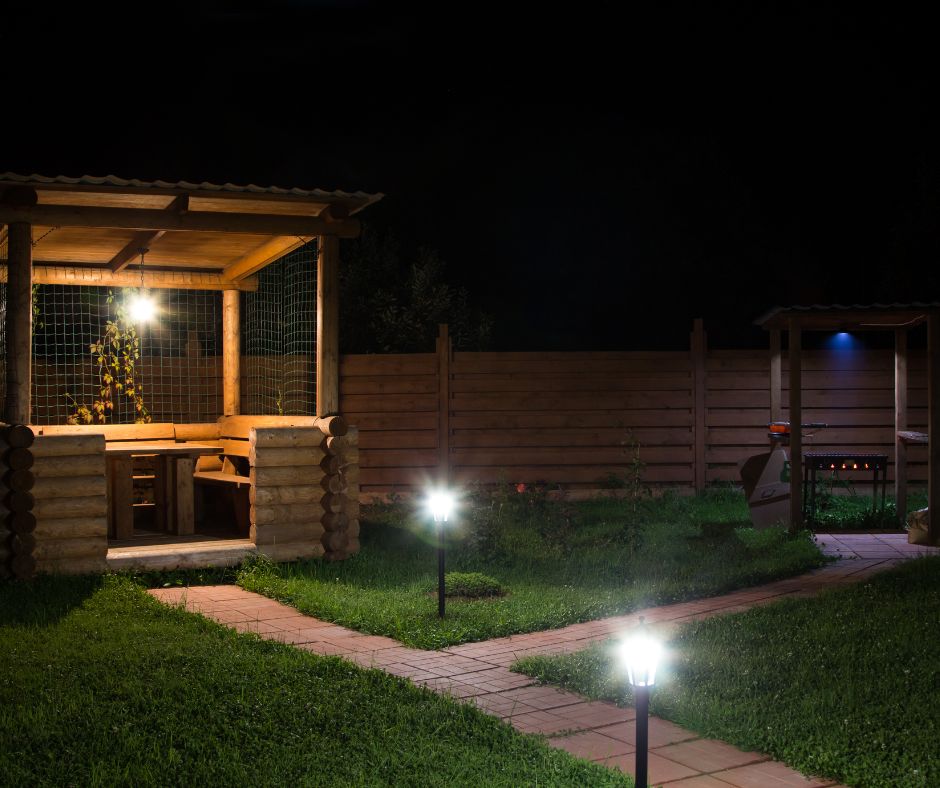
- Outdoor Living Areas: Place mosquito-repelling bulbs in light fixtures around patios, decks, and outdoor dining areas. This creates a well-lit, mosquito-free zone for you and your guests to enjoy.
- Garden Pathways: Line garden paths with these bulbs to repel mosquitoes as you stroll through your outdoor space. This is especially useful for areas with dense vegetation, where mosquitoes often thrive.
- Entry Points: Install mosquito-repelling bulbs near doors and windows to discourage mosquitoes from entering your home. This creates an invisible barrier that keeps these pests at bay.
- Avoid Competing Light Sources: Ensure that your mosquito-repelling bulbs are the primary light source in the area. Competing light sources, such as bright white bulbs or street lights, can diminish the effectiveness of the repellent bulbs.
Create Your Own Natural Mosquito Repelling Candles
Tips for Optimal Results
- Regular Maintenance: Keep your light fixtures clean and free of debris. Dust and dirt can reduce the intensity of the light, making the bulbs less effective at repelling mosquitoes.
- Replace Bulbs as Needed: Over time, the effectiveness of mosquito-repelling bulbs may diminish. Replace them as needed to maintain optimal performance, typically every 2-3 years or as recommended by the manufacturer.
Reclaim Your Outdoor Space
By strategically placing mosquito-repelling light bulbs around your outdoor living areas, you can significantly reduce the presence of these bothersome insects.
Not only will this enhance your comfort while enjoying your outdoor space, but it will also provide an added layer of protection against mosquito-borne diseases.
Build Your Peaceful Oasis: A Guide to Freestanding Garden Pergolas
Remember, while mosquito-repelling light bulbs are a useful tool, they are most effective when combined with other mosquito control measures, such as removing standing water and using EPA-approved insect repellents.
Illuminate your outdoor space with mosquito-repelling light bulbs. Take back your garden, patio, and outdoor living areas from these pesky intruders and enjoy the beauty of the outdoors without the buzz and bites.
Visit the Garden Resources page for supplies and inspiration. Don’t forget to subscribe to the Calendula’s Garden Newsletter for more gardening tips.
Calendula’s Garden is reader supported. When you buy through links on our site, we may earn an affiliate commission. As an Amazon Associate, I earn from qualifying purchases. For more information, view our Disclaimer page. Thank you!