A Guide to Growing Garlic: Unlock Flavor and Wellness in Your Garden
Calendula's Garden is reader suported This post may contain affiliate links, more on our Disclaimer page. Thank you!
Garlic, a beloved culinary and medicinal herb, has captured the hearts of gardeners, foodies, and health enthusiasts worldwide. With its pungent aroma and bold flavor, garlic adds depth to countless dishes while offering an array of health benefits.
The best part? You can easily grow your own garlic at home, whether in a spacious garden or in compact containers.

Garlic Characteristics Table
| Characteristic | Description |
| Common Name | Garlic |
| Botanical Name | Allium sativum |
| Plant Type | Bulbous perennial (typically grown as an annual crop) |
| USDA Hardiness Zones | Zones 3–9 (Hardneck varieties thrive in colder zones 3–6; Softneck varieties prefer milder zones 6–9) |
| Mature Height | 12 to 24 inches |
| Mature Spread | 6 to 12 inches |
| Light Requirements | Full sun (requires at least 6–8 hours of direct sunlight daily for large bulb development) |
| Moisture Requirements | Moderate; needs consistent moisture during the active growing season (spring). Reduce watering significantly a few weeks before harvest to cure the bulbs and prevent rot. |
| Soil Preference | Loose, fertile, well-drained loam rich in organic matter; slightly acidic to neutral pH (6.0–7.0). Clay soils can cause misshapen bulbs. |
| Bloom Time | Late spring to early summer (Hardneck varieties produce a flower stalk called a “scape” which is often removed to direct energy to the bulb) |
| Harvest Time | Mid-summer, typically when the lower one-third to half of the leaves have turned brown and withered. |
Where to find seeds, plants, and supplies:
The Difference Between Hard and Soft Neck Garlic Varieties
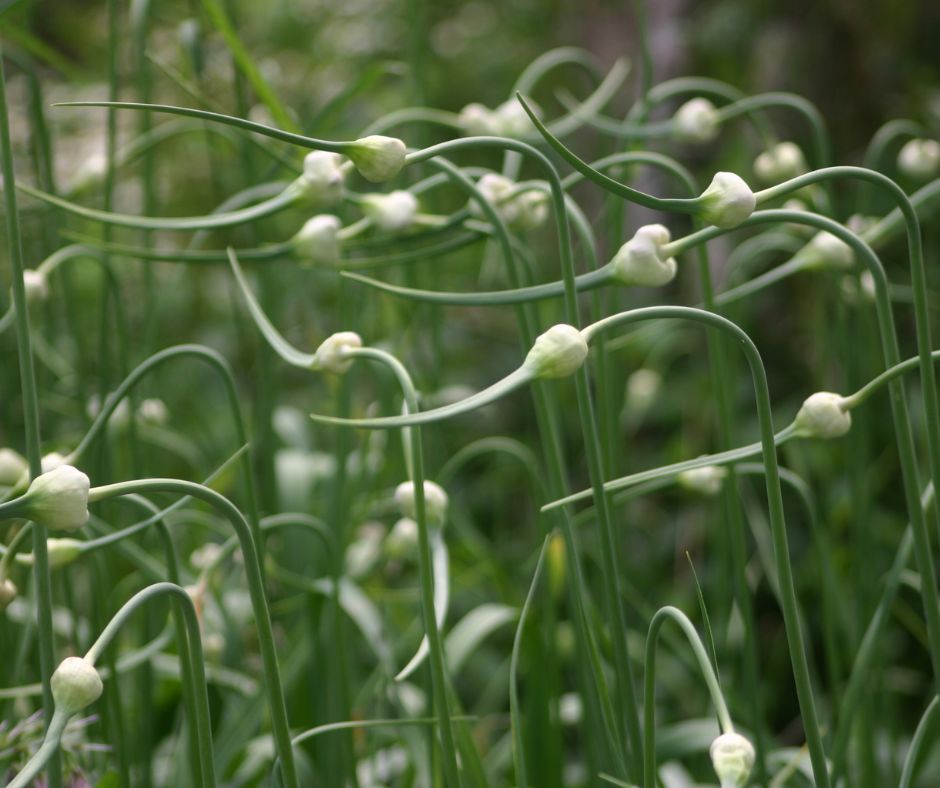
When embarking on your garlic-growing journey, one crucial consideration is the choice between hardneck and softneck garlic varieties.
Each type has distinct characteristics, growth habits, and uses that can significantly impact your gardening and culinary outcomes. Here’s an overview to help you select the best variety for your needs:
Hardneck Garlic
Characteristics:
- Flowering Stem: Hardneck garlic, or Allium sativum var. ophioscorodon, produces a stiff central flowering stalk known as a scape. This scape is edible and offers a mild garlic flavor, making it a valuable addition to various dishes.
- Bulb Structure: Hardneck varieties typically have fewer but larger cloves arranged in a single circle around the stem. This makes peeling and preparing them easier compared to softneck types.
- Flavor Profile: Known for their strong, rich, and complex flavors, hardneck garlics are favored by gourmet chefs and culinary enthusiasts.
Growing Conditions:
- Climate: Hardnecks thrive in colder climates, requiring a period of vernalization to develop properly. They perform exceptionally well in regions with harsh winters.
- Storage: While they offer superior flavor, hardneck garlics generally have a shorter shelf life, usually lasting around 4 to 6 months under optimal storage conditions.
Softneck Garlic
Characteristics:
- Non-Flowering Stem: Softneck garlic, or Allium sativum var. sativum, does not produce a central scape. This absence makes them more flexible, hence the name “softneck.”
- Bulb Structure: Softneck varieties feature multiple layers of cloves, with a higher number of smaller cloves. This makes them slightly more challenging to peel but ideal for prolonged use.
- Flavor Profile: Typically milder and less complex than hardneck varieties, softneck garlic is preferred for everyday cooking and raw applications, such as garlic bread or salad dressings.
Growing Conditions:
- Climate: Softneck garlic is more suited to warmer climates, as it does not require vernalization. These varieties are highly adaptable and can be grown in a wide range of environments.
- Storage: One of the standout benefits of softneck garlic is its excellent storability. Under proper conditions, it can last up to 9 months or more, making it practical for long-term use.
Choosing the Right Variety
The choice between hardneck and softneck garlic ultimately depends on your specific needs and growing conditions. If you live in a colder region and prioritize intense flavor and ease of peeling, hardneck garlic is an excellent choice.
Conversely, if you want a versatile variety that stores well and adapts to warmer climates, softneck garlic will likely suit your needs better.
By understanding the differences between these two main types of garlic, you can make an informed decision that maximizes both your harvest and culinary enjoyment.
Growing Garlic in the Garden

To start your garlic-growing journey, choose a sunny location with well-draining soil. Prepare the soil by loosening it to a depth of about 6 inches and incorporating organic matter, such as compost or aged manure.
When you’re ready to plant, break apart the garlic bulbs into individual cloves, leaving the papery skin intact. Plant each clove, pointed end up, about 2 inches deep and 4-6 inches apart. Water the area well and cover it with a layer of mulch to retain moisture and suppress weeds.
From Straw to Wood Chips: Choosing the Right Mulch for Your Garden
Throughout the growing season, keep the soil consistently moist but not soggy. Weed regularly to prevent competition for nutrients. When the leaves begin to yellow and fall over, usually in mid to late summer, it’s time to harvest your garlic.
Gently dig up the bulbs, brush off excess soil, and allow them to cure in a dry, shaded area for a few weeks before storing.
See How I Set My Garlic Plants Up for Success
What is Vernalization?
In warm climates, where winters tend to be mild, preparing garlic bulbs for planting is crucial to ensure a successful crop. Garlic requires a period of cold exposure, often referred to as vernalization, to trigger bulb formation. Without sufficient cold, garlic may produce only small, undeveloped bulbs or none at all.
To simulate the cold conditions of winter, place your garlic bulbs in the refrigerator for a period of 8-12 weeks before planting. This process should be done in the fall, allowing the bulbs to chill while you prepare your garden. Here’s how to do it:
- Select Healthy Bulbs: Choose garlic bulbs that are firm, plump, and free of any blemishes or mold.
- Separate the Cloves: Gently break apart the bulb into individual cloves, leaving the papery skin intact.
- Use a Mesh Bag or Perforated Container: Place the cloves in a mesh bag or a container with small holes to allow for airflow. Avoid sealing them in an airtight container, which can trap moisture and cause mold.
- Position in the Refrigerator: Place the bag or container in the vegetable crisper or a low-humidity area of your refrigerator. Ensure the cloves stay dry and do not freeze.
- Check Periodically: Inspect the cloves every couple of weeks to ensure they remain firm and free of any spoiling.
By providing this artificial cold period, you are mimicking the natural winter conditions that garlic needs to thrive. Once the chilling period is complete, you can plant the cloves in your garden or containers, where they will begin to germinate and eventually produce robust, flavorful bulbs.
Growing Garlic in Containers
No garden space? No problem! Garlic thrives in containers too. Choose a pot at least 8 inches deep with adequate drainage holes. Fill it with a high-quality, well-draining potting mix.
Maximizing Your Harvest: Growing Vegetables in Grow Bags
Follow the same planting guidelines as for garden-grown garlic, placing cloves 2 inches deep and 4 inches apart. Water regularly, keeping the soil moist but not waterlogged. Container-grown garlic may require more frequent watering and fertilizing due to the limited soil volume.
Companion Planting with Garlic
Garlic is an excellent companion plant, as it helps repel pests and improves the flavor of nearby vegetables. Some ideal companions for garlic include:
- Roses: Garlic helps deter aphids and other pests.
- Tomatoes: Garlic deters red spider mites.
- Cabbage family: Garlic repels cabbage moths, slugs, and aphids.
- Strawberries: Garlic deters spider mites and aphids.
However, avoid planting garlic near peas, beans, and parsley, as they may hinder each other’s growth.
The Many Benefits of Companion Gardening: What You Need to Know
Health Benefits and Culinary Uses
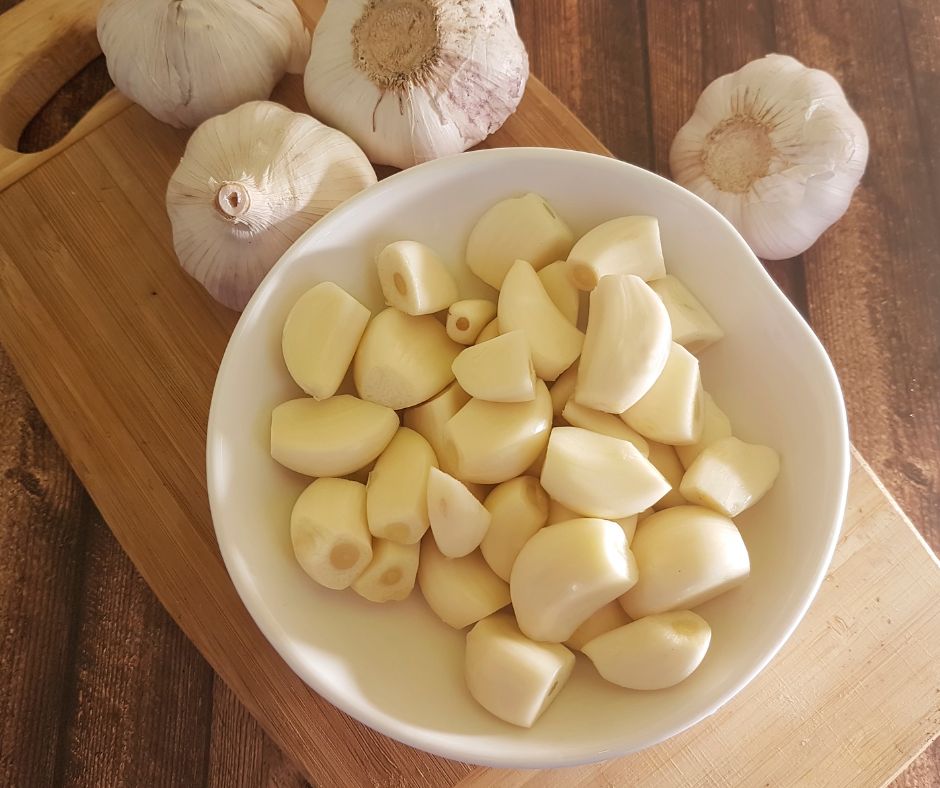
Garlic is a powerhouse of health benefits. It contains allicin, a compound that has been shown to boost the immune system, lower blood pressure, and reduce the risk of heart disease. Garlic also has anti-inflammatory and antimicrobial properties, making it a natural remedy for various ailments.
In the kitchen, freshly harvested garlic adds unparalleled flavor to dishes. Roast whole bulbs for a mellow, buttery spread, mince cloves for a kick in sautés and stir-fries, or infuse olive oil with garlic for a flavorful drizzle. The possibilities are endless!
Growing your own garlic is a rewarding experience that yields delicious and healthy results. Whether you have a spacious garden or a sunny windowsill, you can enjoy the satisfaction of harvesting your own homegrown garlic. Experiment with different varieties, try companion planting, and savor the flavor and wellness benefits garlic brings to your life.
We’d love to hear about your garlic-growing adventures! Share your experiences, tips, and favorite garlic recipes in the comments below. Happy gardening!
Visit the Garden Resources page for supplies and inspiration. Don’t forget to subscribe to the Calendula’s Garden Newsletter for more gardening tips.
Calendula’s Garden is reader supported. When you buy through links on our site, we may earn an affiliate commission. As an Amazon Associate, I earn from qualifying purchases. For more information, view our Disclaimer page. Thank you!