DIY Guide to Beautiful Natural Table Settings
Calendula's Garden is reader suported This post may contain affiliate links, more on our Disclaimer page. Thank you!
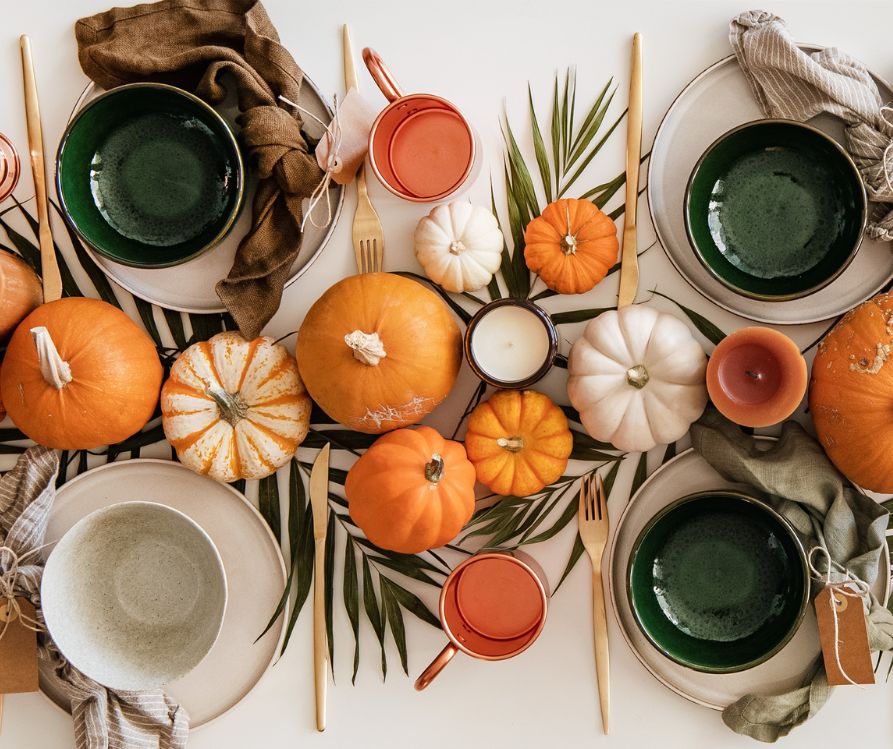
Bringing the beauty of the outdoors inside can transform any meal into a special occasion. Imagine a dining table adorned not with store-bought decorations, but with the simple, elegant treasures from your own backyard.
Natural table settings are a wonderful way to connect with the seasons, celebrate nature’s bounty, and create a warm, inviting atmosphere for your family and friends.
This guide will walk you through everything you need to know to create stunning, fun, and eco-friendly table decor using elements straight from your garden and beyond.
Gathering Your Natural Elements
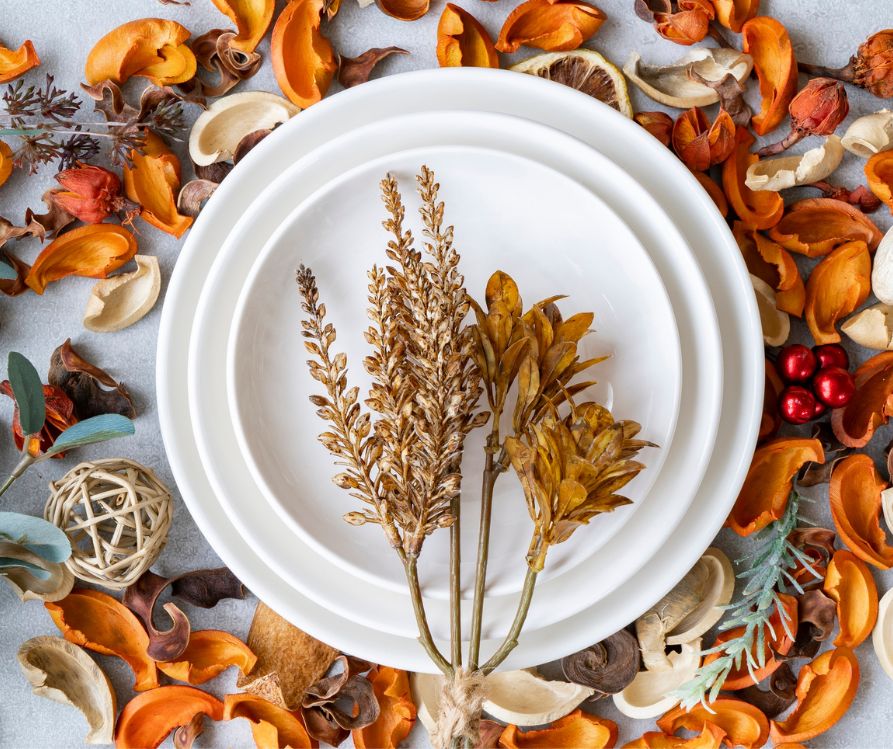
The first step in creating a natural table setting is to go on a little treasure hunt. Your own garden, a local park, or even a walk down the street can yield a wealth of materials. The key is to look for items with interesting textures, shapes, and colors.
Where to Look
- Your Garden: This is the best place to start. Look for fallen leaves, interesting twigs, seed pods, and flowers (both fresh and dried). Even small stones or pieces of bark can add a rustic touch.
- Local Parks and Woods: If you have access to a public park or wooded area, you can find pinecones, acorns, larger branches, and different types of leaves. Always be mindful of local regulations about foraging; only take what has already fallen to the ground.
- The Beach: If you live near the coast, seashells, driftwood, and smooth sea glass can create a beautiful, coastal-themed table.
How to Prepare Your Finds
Once you’ve gathered your natural treasures, it’s important to clean them before bringing them indoors.
- Leaves and Branches: Gently wipe them with a damp cloth to remove any dirt or insects. For a bit of shine, you can lightly rub leaves with a touch of olive oil on a paper towel.
- Pinecones and Acorns: To ensure they are free of any critters, you can bake them on a foil-lined tray in the oven at 200°F (about 95°C) for 30 minutes. Keep a close eye on them to prevent scorching.
- Stones and Shells: A simple wash with warm, soapy water is all they need. Let them air dry completely.
Choosing a Color Palette
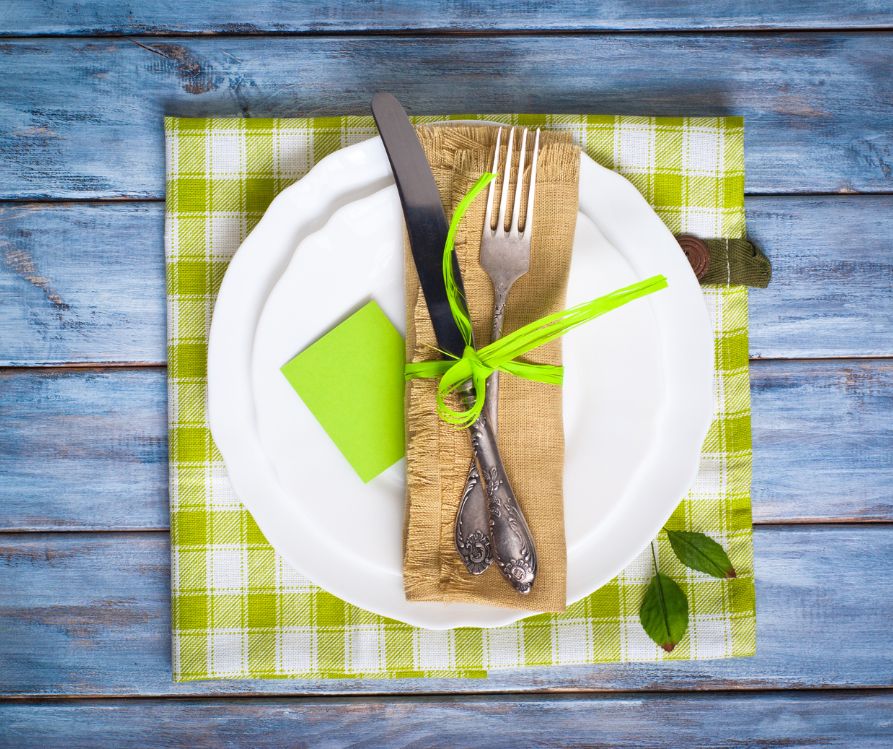
A cohesive color palette will tie all your natural elements together and create a polished look. Nature offers a beautiful spectrum of colors, so you have plenty of options to choose from.
Earthy Tones
The easiest and most classic approach is to stick with earthy tones. This creates a warm, grounding, and organic feel.
Base Colors
Think of neutral shades like beige, cream, brown, and soft gray. These can be incorporated through your tablecloth, placemats, and dinnerware. Linen and cotton fabrics work particularly well for this aesthetic.
Accent Colors
Draw inspiration from the season. In autumn, rich oranges, deep reds, and golden yellows from fall leaves make beautiful accents. In spring, you might choose soft greens, pale pinks, and whites from blossoms and new growth.
Complementing Your Palette
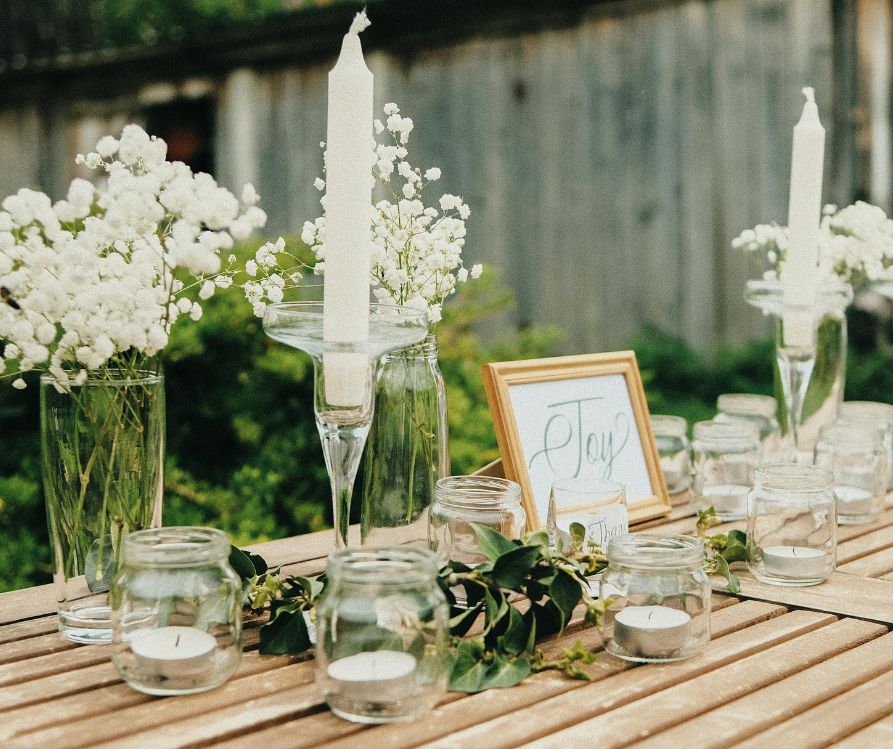
Once you have your base colors, use your natural elements to add pops of color and texture. A line of vibrant green leaves down the center of a white tablecloth can be incredibly striking.
A few brightly colored flowers in small bud vases can lift the entire setting. The goal is to let nature’s colors shine against a simple, neutral background.
Step-by-Step Setting Guide
Now for the fun part: assembling your table! Here’s a simple guide to layering your elements for a stunning result.
1. Start with a Base Layer
Begin with a tablecloth or runner. A simple, neutral-colored linen or cotton fabric works wonderfully as a canvas for your natural decor. If you prefer a more rustic look, you could even use a length of burlap or leave a wooden table bare. Saro Lifestyle Melaya Collection Shimmering Woven Nubby Table Runner
2. Arrange a Centerpiece
Your centerpiece is the focal point of the table. A long, interesting branch laid down the center of the table can serve as a beautiful, minimalist anchor. You can then weave smaller elements around it.
Create a Runner
Instead of a fabric runner, create one out of natural items. Lay a garland of eucalyptus, ferns, or other greenery down the middle of the table.
Cluster Elements
Group items of varying heights in the center. A collection of small vases with single stems, a few pinecones, and some pillar candles can create a lovely, dynamic arrangement. Rolled Beeswax Candle Set with Glass Holders
3. Layer Place Settings
Build each place setting from the ground up.
- Placemats: Use woven placemats, thin slices of wood, or even large, flat leaves (like those from a banana or hosta plant) as unique placemats. Natural Seagrass Placemats for Dining Table
- Plates: Simple, solid-colored plates in white, cream, or stoneware will allow your natural decorations to stand out.
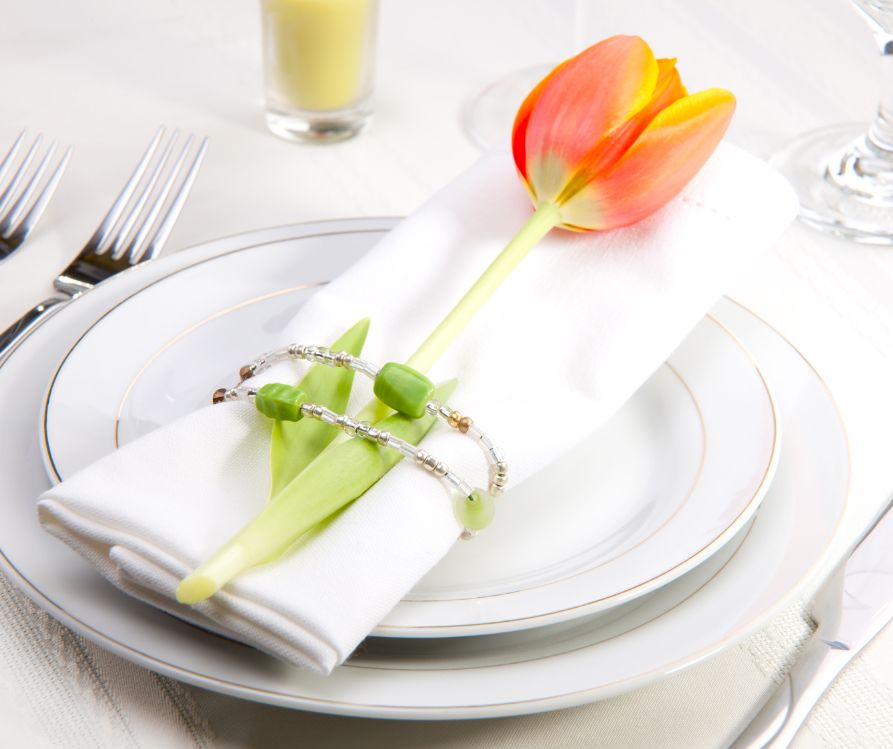
- Napkins: Use cloth napkins in your chosen color palette. You can tie them with a piece of twine and tuck a small sprig of rosemary, a single flower, or a small feather into the knot. Accent Home Natural Linen Cloth Napkins
- Place Cards: Get creative here! Write names on smooth, flat stones, large leaves (a metallic marker works great for this), or small pieces of bark.
4. Add Personal Touches and Lighting
The final details are what make your table setting truly special.
- Candlelight: Nothing creates a cozier atmosphere than candlelight. Use a mix of pillar candles, tapers in simple holders, and tea lights scattered among your centerpiece. Pair of Handpoured Beeswax Votive Candles
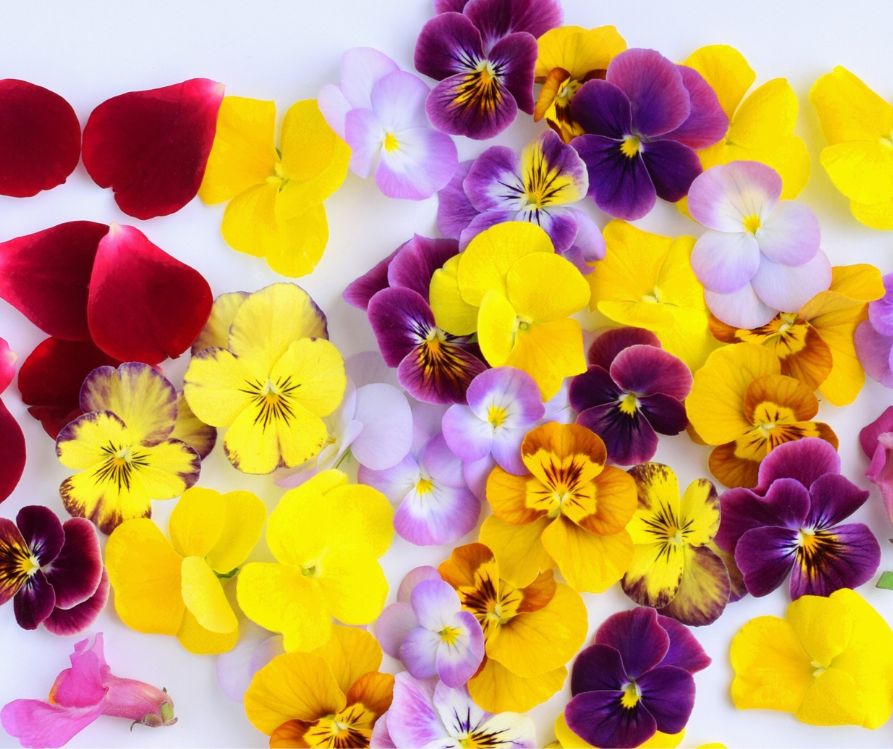
- Small Details: Place a single, beautiful stone or shell on each plate. Scatter small, colorful leaves or flower petals lightly across the table.
- Seasonal Fruit: Small apples, pears, or pomegranates can be woven into your centerpiece to add a touch of color and a nod to the harvest.
From Garden to Table
Creating a natural table setting is more than just decorating; it’s about celebrating the world around us and bringing a piece of that peace and beauty into our homes.
It’s a sustainable, affordable, and deeply personal way to make any meal feel like an occasion. The best part is that there are no strict rules.
Let your creativity and the natural elements you find guide you. So, take a walk through your garden, see what treasures you can find, and have fun creating a table that tells a story.
Visit the Garden Resources page for supplies and inspiration. Don’t forget to subscribe to the Calendula’s Garden Newsletter for more gardening tips.
Calendula’s Garden is reader supported. When you buy through links on our site, we may earn an affiliate commission. As an Amazon Associate, I earn from qualifying purchases. For more information, view our Disclaimer page. Thank you!