A Beginner’s Guide to Home Aquaponics
Calendula's Garden is reader suported This post may contain affiliate links, more on our Disclaimer page. Thank you!
Imagine having a self-sustaining ecosystem that provides your family with fresh vegetables and fish, while conserving water and reducing waste.
Whether you’re a gardening enthusiast or simply looking for an interesting hobby, this guide will walk you through everything you need to start your aquaponics system from scratch.
By the end, you’ll have the knowledge and confidence to turn your home into a mini-ecosystem that combines gardening and aquaculture.
What is Aquaponics and Why Should You Try It?
Aquaponics is a method of farming that combines aquaculture (raising fish) and hydroponics (soilless plant growth).
The process revolves around a natural, symbiotic relationship between fish, plants, and beneficial bacteria. Creating a closed-loop system where fish waste provides nutrients for plants, and plants purify the water for the fish.
The benefits? It’s water-efficient, sustainable, and a fantastic way to grow chemical-free produce.
Plus, it’s an exciting project for home gardeners looking to try something new. Aquaponics is perfect for eco-conscious homeowners who want a productive, low-maintenance garden that aligns with their green values.
How to Set Up Your Aquaponics System
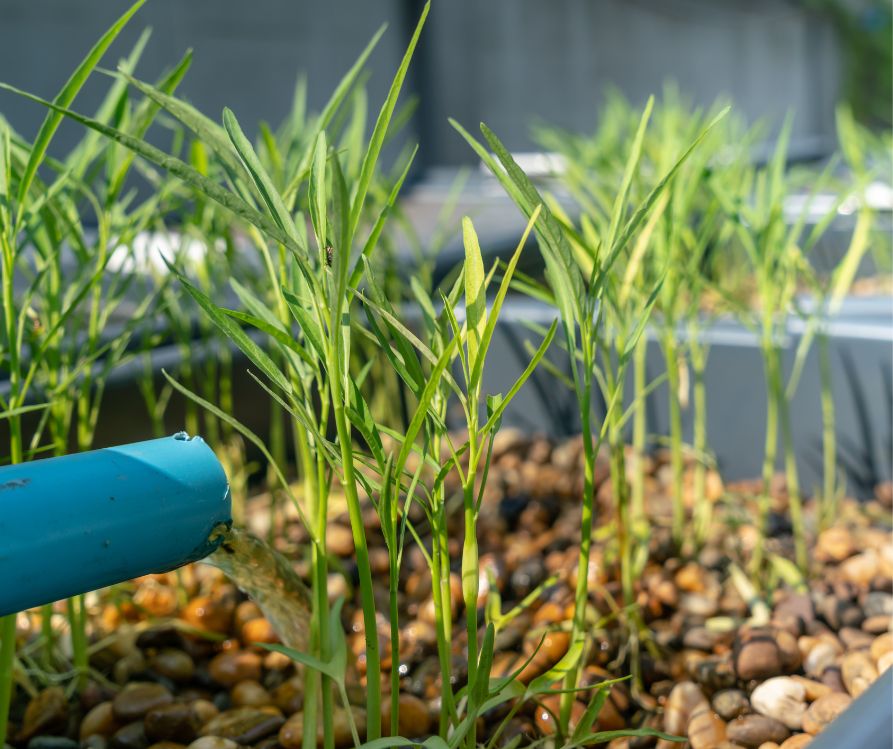
Before you begin, it’s crucial to plan and prepare your system for success. Follow these simple steps:
1. Choose the Right Location
Pick a spot with adequate sunlight (6–8 hours daily) for your plants. If you’re indoors, ensure you have access to grow lights. Consider factors such as ease of access to water and power sources, as well as space for the fish tank and plant beds.
2. Assemble the Equipment
You’ll need:
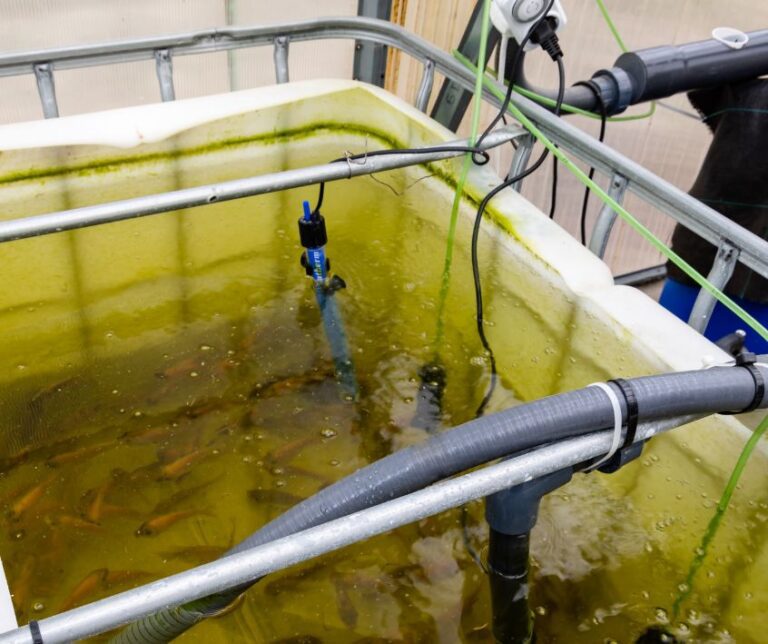
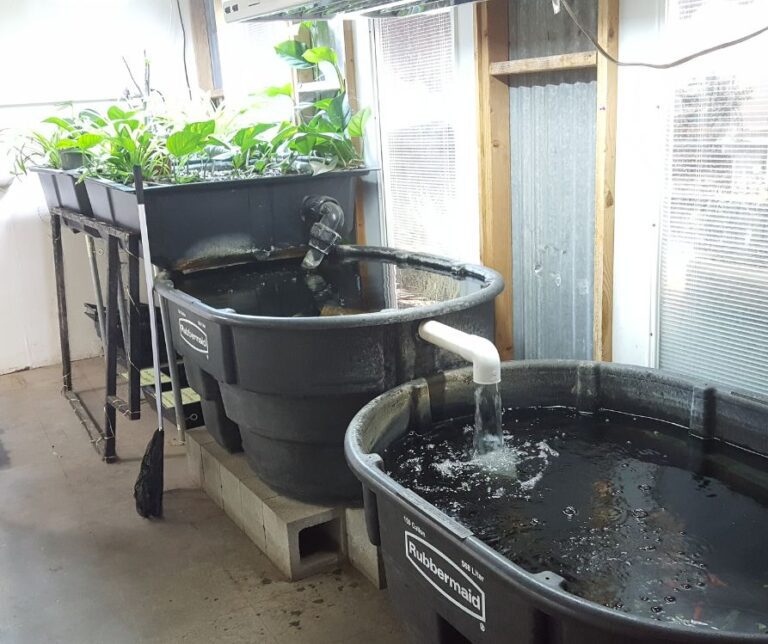
- Fish Tank – Start with a medium-sized tank (20–100 gallons) for beginners. Large tanks, 300 gallons for large fish like Tilapia, IBC totes can also be used.
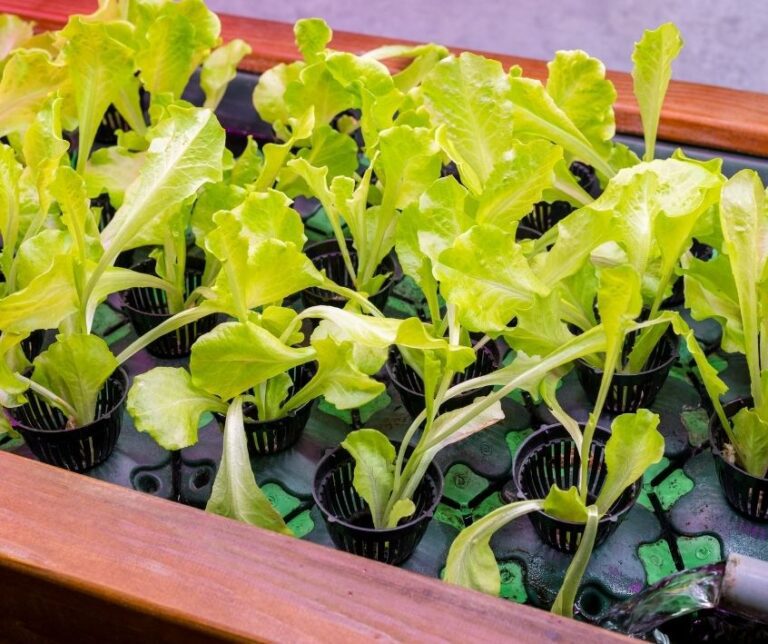
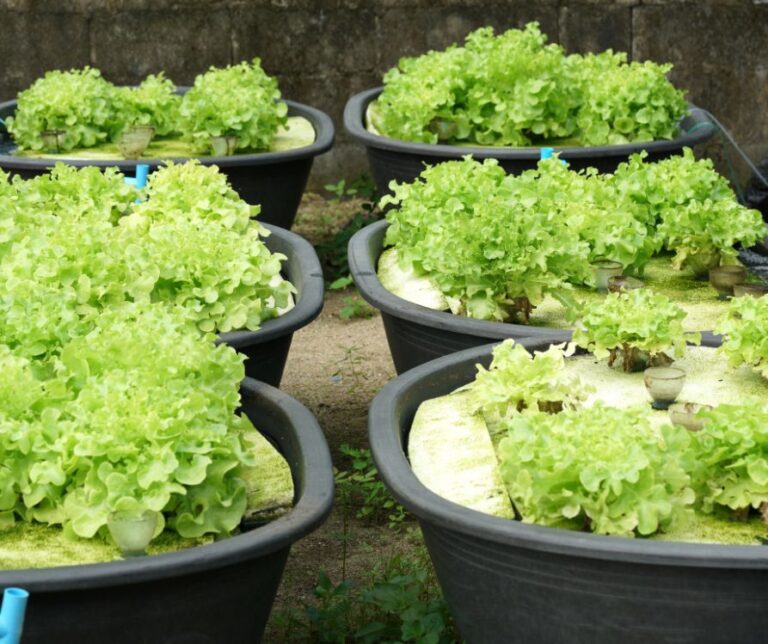
- Grow Bed – Use a sturdy container, raised above the fish tank, to hold the plants and growing medium.
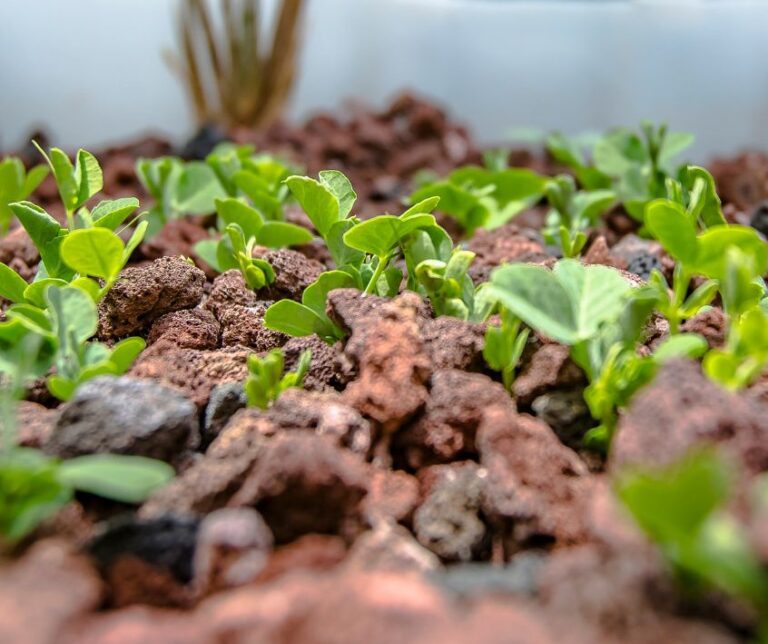
- Growing Medium – Expanded clay pebbles, lava rock, gravel, and floats all work well.
- Pump and Pipes – A water pump will circulate water between the fish tank and the grow bed.
- Pipe Cutter
- Filter (optional) – To remove larger debris before water reaches the plants.
- Aerator – Essential for providing oxygen to the fish.
- Water Test Kit
- Aquarium Heater (optional) – Depends on the type of fish you are raising and local weather. Make sure to get a heater with a guard so fish do not burn themselves.
3. Proper Installation
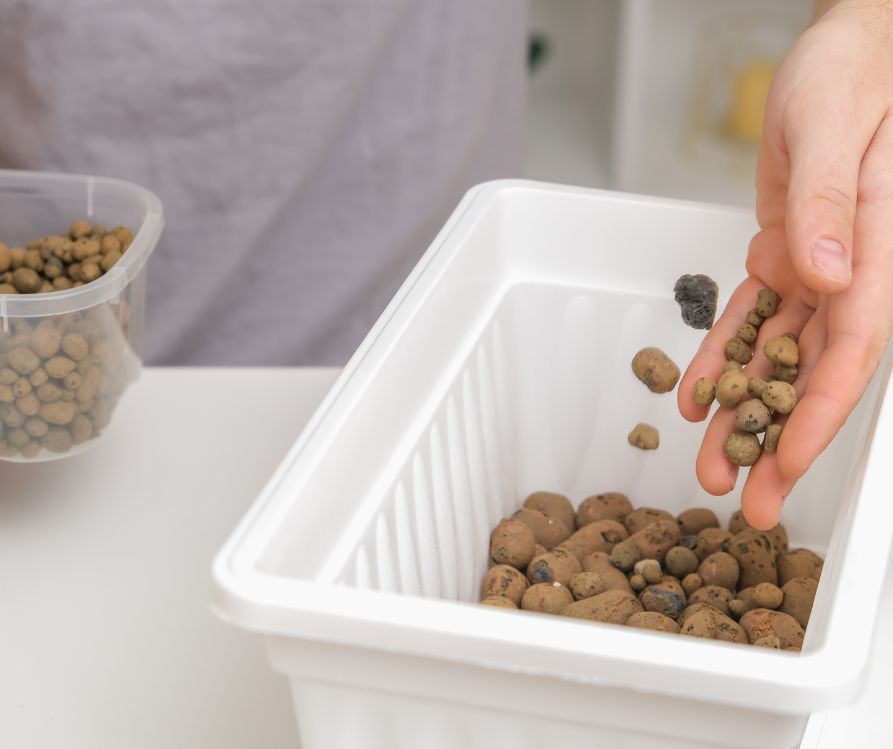
Set up your system by positioning the grow bed above the fish tank. Attach the water pump to circulate water from the fish tank to the grow bed.
Read “Aquaponic Gardening” by Sylvia Bernstein for detailed system options that fit your space and goals.
Plants will thrive on the nutrient-rich water, and the filtered water will return to the tank for the fish. Test the system to ensure it’s functioning smoothly before introducing any living components.
Understanding the Ecosystem Basics
At the heart of aquaponics is the balance between fish, plants, and bacteria. Here’s how the system works:
- Fish produce waste, containing ammonia.
- Beneficial bacteria in the water convert ammonia into nitrates, which act as fertilizers for plants.
- Plants take up nutrients, cleaning the water for the fish.
This cycle is both efficient and natural. Maintaining a balance is essential to ensure a thriving aquaponics system.
Selecting the Right Fish and Plants
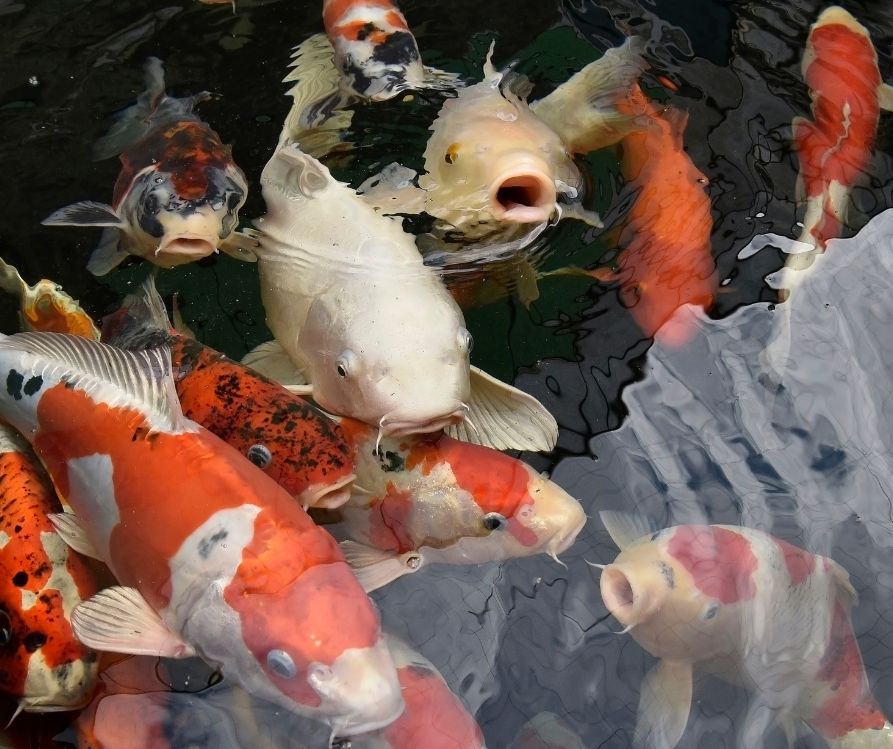
Fish Selection
Choose hardy fish that are well-suited for beginners and thrive in aquaponics systems:
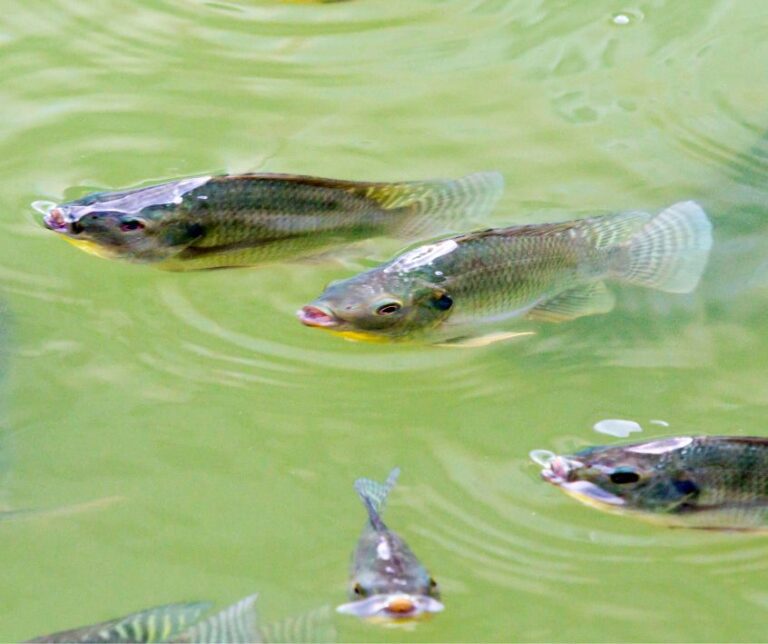
- Tilapia – Ideal due to their rapid growth and high tolerance for varying conditions.
- Goldfish – A low-maintenance choice perfect for ornamental systems.
- Catfish – Another popular option for their hardiness.
Plant Selection
Start with easy-to-grow vegetables and herbs:
- Leafy greens like lettuce and spinach thrive in nutrient-rich water.
- Herbs such as basil, mint, and parsley are excellent beginner choices.
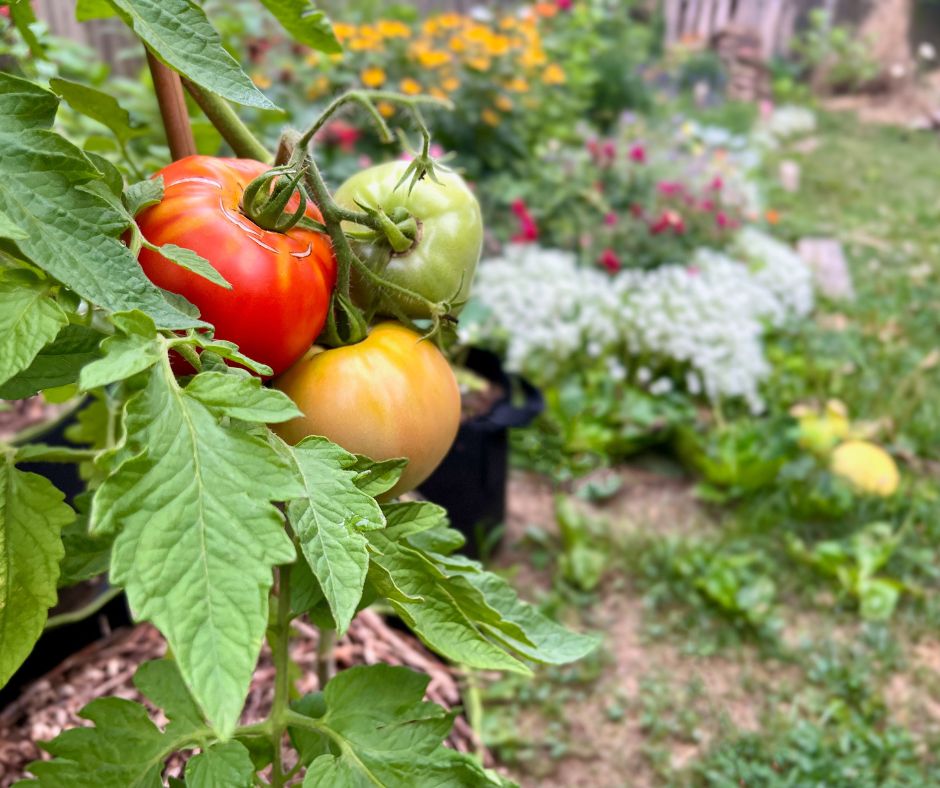
- Avoid plants with high nutrient demands (e.g., fruiting plants like tomatoes) until you’re more experienced.
Maintaining Your Aquaponics System
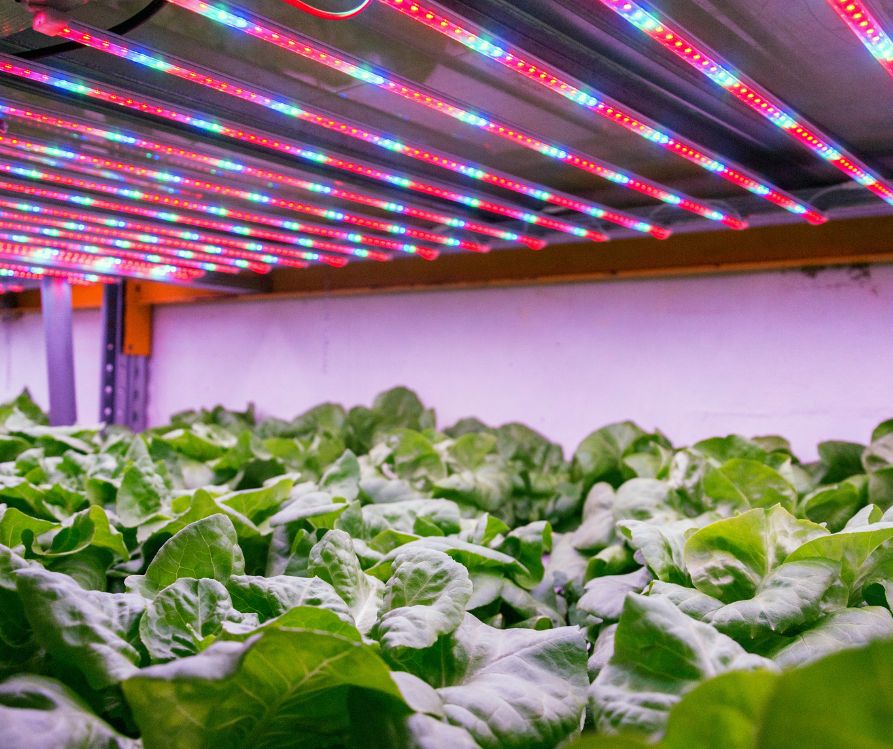
Once your system is set up and your fish and plants are in place, ongoing maintenance is critical:
- Check Water Quality: Monitor pH (6.8–7.2), ammonia, nitrite, and nitrate levels weekly. A water test kit is a must-have.
- Feed Your Fish Consistently: Feed them daily with high-quality fish food, but avoid overfeeding—it can throw off water quality.
- Maintain Equipment: Regularly clean pumps, pipes, and filters to keep the system running smoothly.
- Inspect Plants and Fish: Watch for signs of plant nutrient deficiencies or stressed fish. Healthy plants should have vibrant leaves, and active fish are a sign of good water quality.
Troubleshooting Common Issues
Aquaponics systems are typically low-maintenance, but challenges can arise. Here are some common problems and solutions:
- Nutrient Deficiencies in Plants – Add supplements like potassium or iron if plants show signs of discoloration.
- High Ammonia Levels – This can harm fish. Reduce feeding and check your filtration system immediately.
- Algae Growth – Prevent excess sunlight from hitting the fish tank by using a cover or positioning it in a shaded area.
By addressing these issues promptly, your system will stay balanced and productive.
Harvesting and Enjoying Your Produce
After weeks of care, it’s time to reap the rewards of your aquaponics system:
- Harvesting Plants: Pick your vegetables and herbs as they mature. Regular harvesting encourages continuous growth.
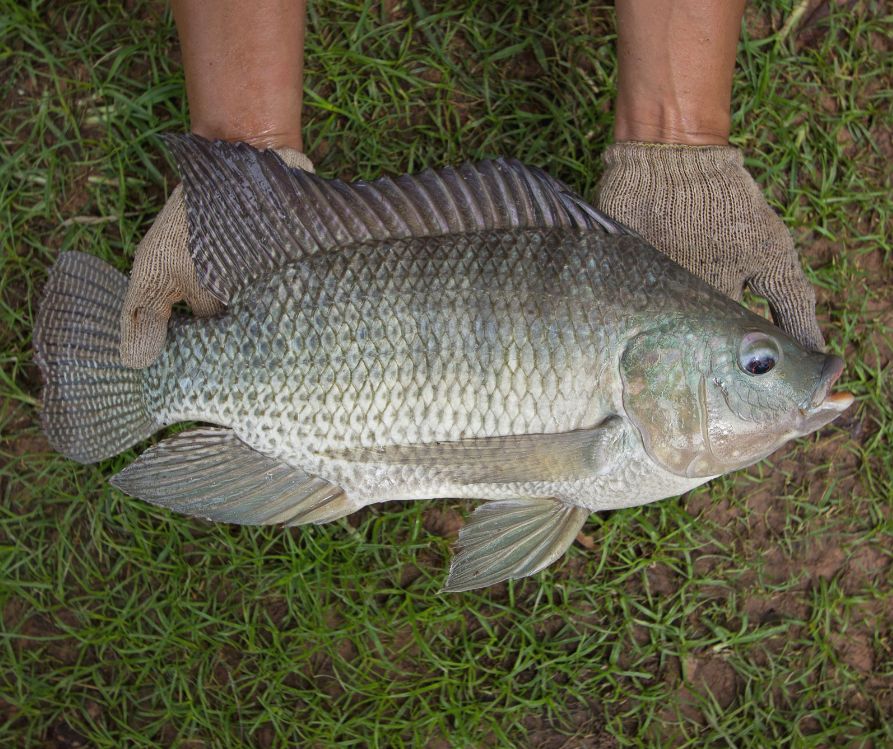
- Harvesting Fish (Optional): If you’ve chosen edible fish like tilapia, wait until they reach the desired size before harvesting. Be sure to follow ethical and humane handling practices.
Use your homegrown produce to cook nutrient-rich meals straight from your backyard ecosystem. The satisfaction of knowing exactly where your food comes from is unmatched.
Resources and Next Steps
Starting with aquaponics is just the beginning of a rewarding journey. Explore additional resources to deepen your knowledge:
- Books: “Aquaponic Gardening” by Sylvia Bernstein is a great starting point.
- Online Communities: Join forums like Aquaponics Association to connect with fellow enthusiasts.
- Workshops: Check for local aquaponics workshops to gain hands-on experience. If you live in Arizona, EcoGro Tucson has regular workshops and supplies available.
Aquaponics is not just a hobby, it’s a sustainable lifestyle choice with endless opportunities for growth and learning. Transform your gardening practice into something extraordinary by getting started today. The ecosystem of your dreams is just a few steps away. Begin yours now and enjoy a greener, healthier tomorrow!
Visit the Garden Resources page for supplies and inspiration. Don’t forget to subscribe to the Calendula’s Garden Newsletter for more gardening tips.
Calendula’s Garden is reader supported. When you buy through links on our site, we may earn an affiliate commission. As an Amazon Associate, I earn from qualifying purchases. For more information, view our Disclaimer page. Thank you!