A Beginner’s Guide to Growing Thyme
Calendula's Garden is reader suported This post may contain affiliate links, more on our Disclaimer page. Thank you!
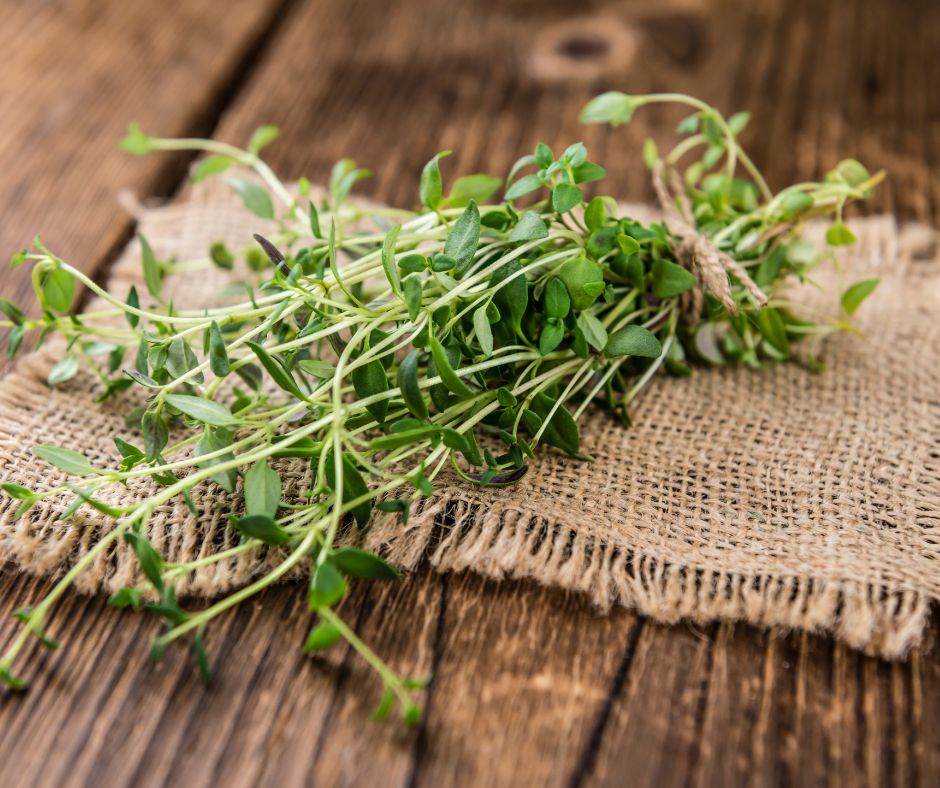
Thyme, a fragrant and versatile herb, has been revered for centuries in culinary and medicinal practices. Originating in the Mediterranean region, this perennial evergreen is a member of the mint family and boasts over 400 subspecies.
Its delicate leaves and subtle, earthy flavor make it a staple in many cuisines worldwide. Beyond its culinary prowess, thyme is also celebrated for its numerous health benefits.
In this comprehensive guide, we’ll explore how to cultivate thyme successfully in your garden or containers, discover the best companion plants for thyme, and delve into its impressive health properties.

Thyme Characteristics Table
| Characteristic | Description |
| Common Name | Thyme (Common Thyme, Garden Thyme) |
| Botanical Name | Thymus vulgaris |
| Plant Type | Woody perennial herb or subshrub |
| USDA Hardiness Zones | Zones 5–9 (often evergreen in mild winter climates) |
| Mature Height | 6 to 12 inches |
| Mature Spread | 12 to 18 inches (tends to sprawl or mound) |
| Light Requirements | Full sun (requires at least 6–8 hours of direct sunlight daily for best flavor and compact growth) |
| Moisture Requirements | Low to moderate; highly drought-tolerant once established. It is critical to let the soil dry out between waterings. Does not tolerate wet, soggy roots. |
| Soil Preference | Sandy, rocky, free-draining soil; prefers neutral to slightly alkaline pH (7.0–8.0). Thrives in poor, low-fertility soils. |
| Bloom Time | Late spring to early summer (produces tiny pink, lavender, or white flowers attractive to bees) |
| Harvest Time | Leaves can be harvested year-round in mild climates; best harvested in summer just before flowers open for peak oil concentration. |
Growing Thyme in the Garden
Where to find seeds, plants, and supplies:
Choosing the Right Location and Soil
Thyme thrives in well-draining soil and full sun exposure. Opt for a location that receives at least six hours of direct sunlight daily.
If you have heavy or clay soil, consider amending it with organic matter like compost or aged manure to improve drainage. Thyme prefers a soil pH between 6.0 and 8.0.
Planting and Spacing
You can grow thyme from seeds, cuttings, or transplants. If starting from seeds, sow them indoors 6-8 weeks before the last expected frost.
Plant the seeds ¼ inch deep in seed-starting trays filled with a well-draining potting mix. Once the seedlings have developed a few sets of true leaves, transplant them outdoors, spacing them 12-18 inches apart.
If using transplants, plant them at the same depth they were growing in their nursery pots. Gently loosen the roots before placing them in the ground.
Watering and Maintenance
Thyme is relatively drought-tolerant once established. Water deeply but infrequently, allowing the soil to dry out between watering sessions.
Avoid overhead watering, as this can lead to fungal diseases. Apply a layer of mulch around the plants to retain moisture and suppress weed growth.
Prune your thyme plants regularly to maintain their shape and encourage bushiness. After the plants flower, trim them back by about one-third to promote fresh growth.
Companion Planting
Thyme makes an excellent companion plant for various vegetables and herbs. It deters pests like cabbage worms, corn earworms, and tomato hornworms. Plant thyme near:
- Brassicas (broccoli, cauliflower, Brussels sprouts)
- Tomatoes
- Eggplants
- Strawberries
- Other Mediterranean herbs (rosemary, oregano, sage)
The Many Benefits of Companion Gardening: What You Need to Know
Avoid planting thyme near cucumbers, as they may hinder each other’s growth.
Growing Thyme in Containers
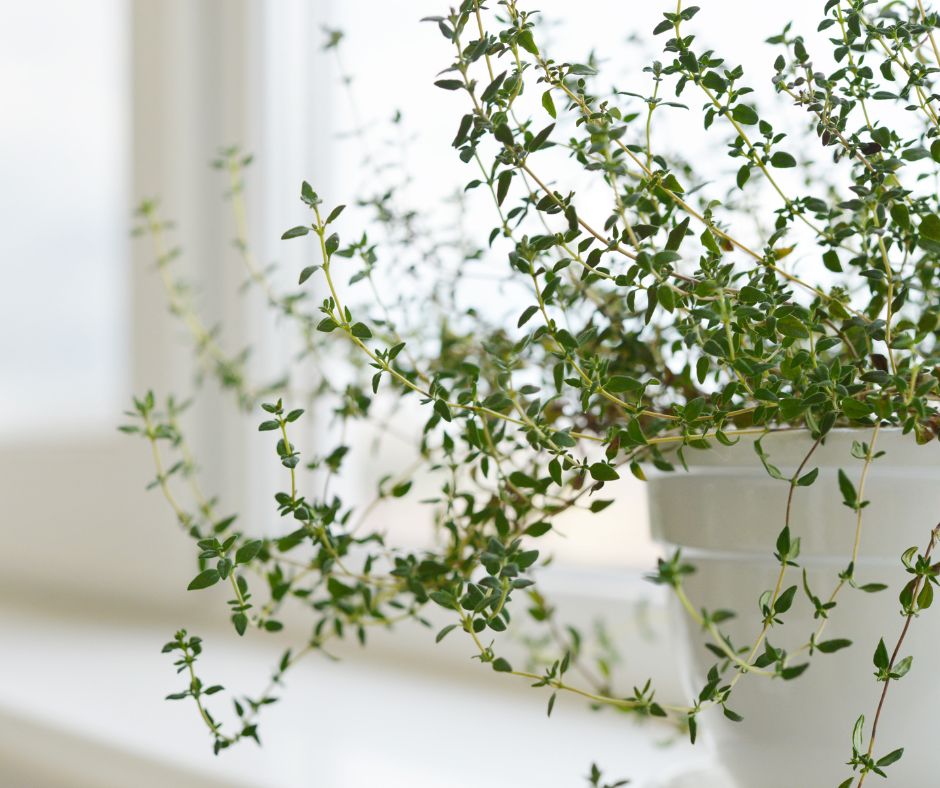
Selecting the Right Container and Soil Mix
Choose a container at least 6 inches deep with adequate drainage holes. Terracotta or ceramic pots are ideal, as they allow for better air circulation and moisture control.
Fill the container with a well-draining potting mix specifically formulated for herbs or make your own by combining equal parts potting soil, perlite, and compost.
Transplanting and Care
Follow the same transplanting guidelines as for garden-grown thyme. Place the container in a sunny location, receiving at least six hours of direct sunlight daily.
Water when the top inch of soil feels dry to the touch, and ensure proper drainage to prevent root rot. Feed your container-grown thyme monthly with a balanced, water-soluble fertilizer diluted to half-strength.
Choosing the Best Raised Garden Bed
Harvesting and Storing Thyme
Harvest thyme leaves as needed throughout the growing season. Cut stems in the morning, after the dew has evaporated, for the best flavor and aroma.
Leave at least 5 inches of growth on the plant to ensure continued harvests.
To store thyme, hang the stems in bundles to air-dry in a cool, dark place. Once dry, remove the leaves from the stems and store them in an airtight container away from direct light.
Alternatively, you can freeze thyme leaves in ice cube trays filled with olive oil for easy use in cooking.
Plants you can eat are a pollinator treat
Foods That Pair Well with Thyme
Thyme’s subtle yet earthy flavor complements a wide variety of dishes, enhancing both savory and sweet recipes. Here are some foods that pair exceptionally well with thyme:
Meats and Poultry
Thyme pairs beautifully with chicken, beef, lamb, and pork. It can be used in marinades, rubs, or simply sprinkled over meats before roasting. Some popular dishes include:
- Roast Chicken with Thyme and Garlic: The herb adds a fragrant undertone that enhances the taste of tender, juicy chicken.
- Grilled Lamb Chops with Thyme: A classic pairing, where thyme cuts through the richness of the lamb.
- Beef Stew: Adding thyme to slow-cooked beef stew gives it a rich, comforting flavor.
Vegetables
Thyme can elevate the flavors of both roasted and sautéed vegetables. Consider these combinations:
- Roasted Root Vegetables: Carrots, potatoes, sweet potatoes, and parsnips are transformed with a sprinkle of thyme.
- Sautéed Green Beans: A touch of thyme adds a fresh note to crisp green beans.
- Stuffed Mushrooms: Thyme complements the earthy flavor of mushrooms beautifully.
Fish and Seafood
Thyme is a great match for a variety of fish and seafood dishes:
- Baked Salmon with Lemon and Thyme: The herb pairs well with the delicate flavor of salmon, especially when combined with citrus.
- Seafood Chowder: Adding thyme to a creamy broth brings out the flavors of the seafood.
Soups and Stews
Incorporating thyme into your soups and stews can deepen their flavor profile:
- Chicken Noodle Soup: Thyme adds an aromatic touch to this comfort food classic.
- Tomato Soup: Enhances the natural sweetness and acidity of tomatoes.
Breads and Savory Pastries
Thyme is an excellent herb to use when baking bread and savory pastries:
- Herb Focaccia: Perfect for a side dish or as a base for sandwiches.
- Savory Scones: Often made with cheese, thyme adds a delightful herbal note.
Sauces and Dressings
Thyme can enhance various sauces and dressings:
- Tomato Sauce: A staple in Italian cuisine, thyme provides a balanced flavor.
- Salad Dressings: Adds a fresh, herbal element to vinaigrettes and creamy dressings.
Incorporating thyme into your cooking not only enhances taste but also provides additional health benefits. Experiment with different pairings to discover how this versatile herb can enrich your culinary creations.
Health Benefits of Thyme
Beyond its culinary uses, thyme offers numerous health benefits:
Anti-inflammatory properties: Thyme contains carvacrol, a compound known for its anti-inflammatory effects, which may help alleviate symptoms of conditions like arthritis and bronchitis.
Antioxidant content: Rich in antioxidants, thyme may help protect cells from damage caused by harmful free radicals.
Digestive aid: Thyme has been traditionally used to support digestive health, helping to relieve bloating, gas, and indigestion.
Respiratory support: The essential oils in thyme have expectorant and antibacterial properties, making it a natural remedy for respiratory issues like coughs, colds, and bronchitis.
Immune system booster: Thyme’s antimicrobial properties may help strengthen the immune system and fight off infections.
Growing thyme in your garden or containers is a rewarding experience, providing you with a flavorful and health-promoting herb at your fingertips. By following the guidelines outlined in this post, you’ll be well on your way to cultivating a thriving thyme plant. Remember to experiment with companion planting to enhance the growth and flavor of your thyme and surrounding plants.
Embrace the many benefits of thyme by incorporating it into your daily life and cuisine. Its versatility in the kitchen and impressive health properties make it a valuable addition to any herb garden or container collection.
Visit the Garden Resources page for supplies and inspiration. Don’t forget to subscribe to the Calendula’s Garden Newsletter for more gardening tips.
Calendula’s Garden is reader supported. When you buy through links on our site, we may earn an affiliate commission. As an Amazon Associate, I earn from qualifying purchases. For more information, view our Disclaimer page. Thank you!