Give Your Empty Garden Beds a Cozy Cover Crop Blanket
Calendula's Garden is reader suported This post may contain affiliate links, more on our Disclaimer page. Thank you!
You’ve worked hard to grow a thriving garden, and now some of those beds are sitting empty. It’s tempting to just leave them bare until your next planting, right?
But here’s a little secret many seasoned gardeners swear by: bare soil is a missed opportunity. Instead of leaving that dirt exposed to wind, rain, and weeds, you can tuck it in with a “green blanket” of cover crops.
It’s one of the easiest, most rewarding things you can do for your soil at any time of year, and it costs almost nothing.
Let’s dig into why cover crops matter and how you can sow them whenever a bed opens up.
What Exactly Is a Cover Crop?
A cover crop is simply a plant you grow to feed and protect your soil rather than to harvest for dinner. Think of it as a temporary living cover that works hard behind the scenes.
Farmers have used this trick for centuries, and it’s a cornerstone of organic gardening.
The best part? You don’t need any special skills or fancy tools. If you can scatter seeds, you can grow a cover crop.
Why Bother With Bare Beds?
Empty soil might look tidy, but it’s actually a bit vulnerable. Here’s what a cover crop does for you:
- Protects your soil. Rain can wash away the rich top layer of your soil, and strong sun or wind can dry it out fast. A blanket of clover or rye holds everything in place, like a cozy quilt keeping your garden safe between growing seasons.
- Adds nutrients naturally. Certain cover crops, especially clover, pull nitrogen from the air and store it in the soil. That means free fertilizer for your next round of vegetables, no chemicals required.
- Cuts down on weeds. A thick stand of cover crop shades out weed seeds before they get a chance to sprout. Less weeding later? Yes, please.
- Feeds the soil life. All those earthworms and helpful microbes under your feet love having living roots to munch on. Healthy soil life means healthier plants and a more resilient garden overall.
Choosing Your Cover Crop
Not sure where to start? The right cover crop depends on your climate, your timing, and what you want to get out of it. These three are beginner favorites for good reason.
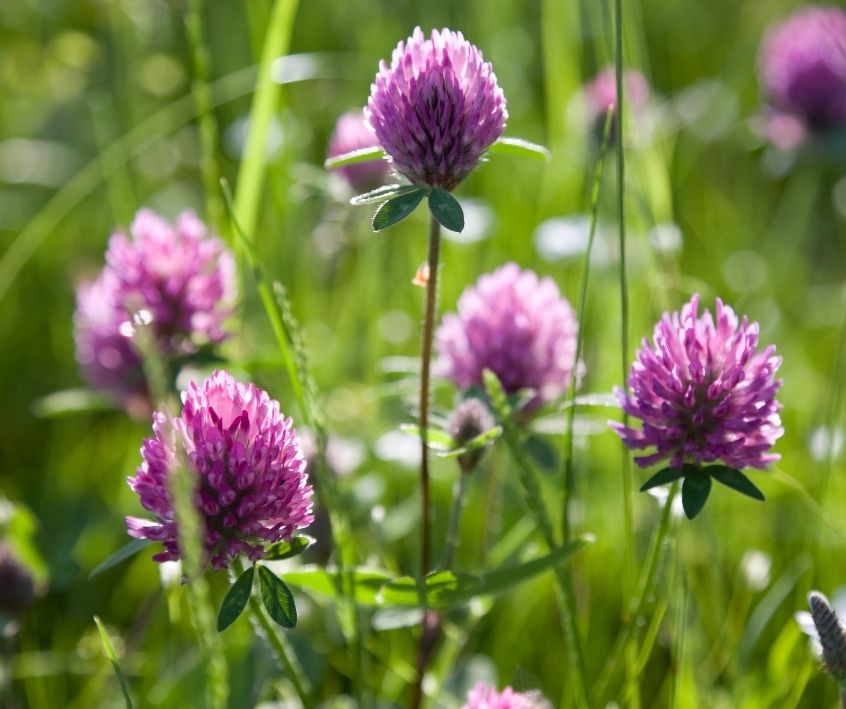
Clover is a wonderful all-rounder. As a legume, it captures nitrogen and stores it in the soil, giving your beds a nutritious boost. It’s gentle, pretty, and bees adore its blooms, so it’s a little gift to your local pollinators too. It grows well across a wide range of seasons.
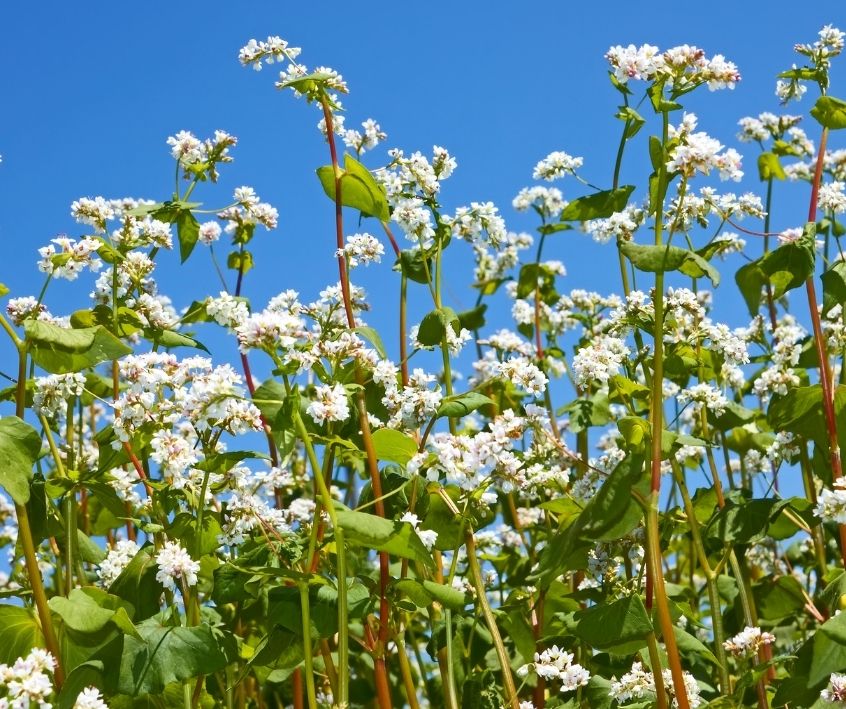
Buckwheat grows fast, making it a great warm-season option when you have a few frost-free weeks ahead. It sprouts quickly, smothers weeds, and its cheerful white flowers attract beneficial insects. Just keep in mind it’s frost-tender, so it works best when temperatures stay above freezing.
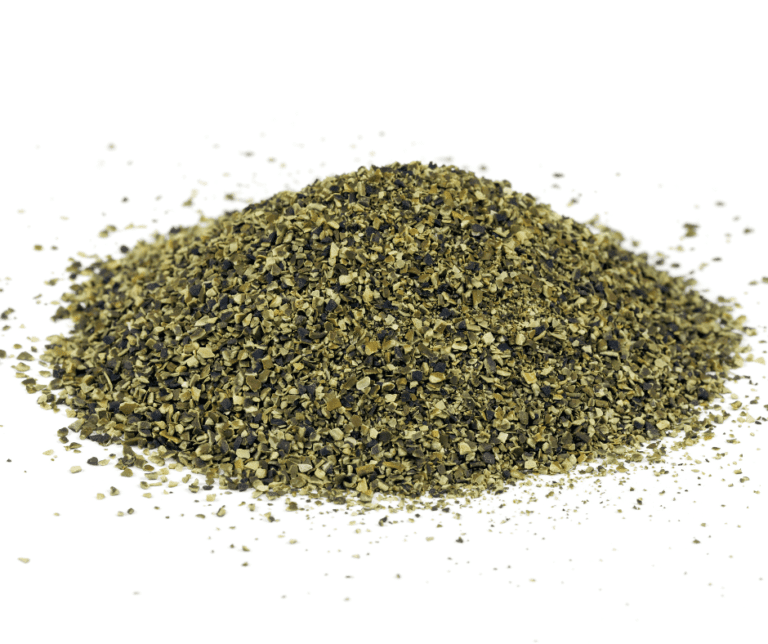
Winter rye (ryegrass) is the tough one of the bunch. It shrugs off cold weather and keeps growing when other plants have called it quits. If you’re in a cooler climate or heading into the colder months, this hardy grass is your best friend for holding soil together through low temperatures.
Feel free to mix a couple together. Many gardeners love pairing a nitrogen-fixing legume like clover with a sturdy grass like rye for the best of both worlds. But don’t forget to mow your grass! Cutting back the cover crop before it starts to flower or set seed will prevent it from taking over your garden beds.
More Cover Crop Options For Each Season
- Spring: Field peas, oats, and red clover are great choices as soon as the soil can be worked. Field peas fix nitrogen and break down quickly, oats build organic matter fast, and red clover is easy to establish and loved by early pollinators.
- Summer: Buckwheat is a warm-season star that sprouts in days, smothers weeds, and feeds beneficial insects. Cowpeas handle heat and drought well while adding nitrogen, and sunn hemp builds impressive biomass quickly in hot conditions.
- Fall: Winter rye is a go-to for colder months, establishing easily and holding soil through frost. Hairy vetch pairs beautifully with rye to fix nitrogen, and daikon radishes punch deep into compacted soil and break down naturally over winter.
- Winter: Crimson clover is a hardy, nitrogen-rich option that overwinters in mild climates and bursts into bloom come spring. Austrian winter peas establish well in cool soil and fix nitrogen steadily, while winter rye continues to protect and build soil through the coldest months.
Where to find seeds, plants, and supplies:
How to Sow Your Cover Crop
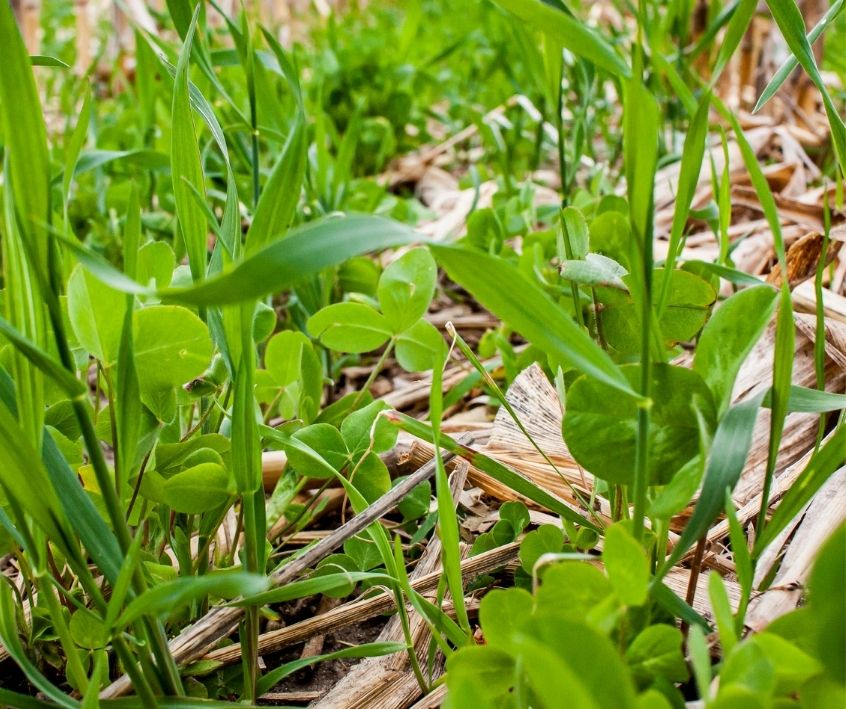
Ready to give it a go? Here’s the simple part.
- Clear the bed. Pull out any spent plants and stubborn weeds, then rake the surface until it’s fairly smooth.
- Scatter the seeds. Sprinkle them evenly across the soil by hand, aiming for good coverage without dumping them in clumps. Check your seed packet for the recommended amount.
- Cover them lightly. Gently rake the seeds in or press them down so they make good contact with the soil. A thin layer of soil on top helps too.
- Water well. Give the bed a good drink to help those seeds wake up, and keep the soil lightly moist until you see green sprouts appear.
That’s it. Within a week or two, you’ll spot tiny seedlings poking through, and soon your bare bed will be dressed in green.
Read more about building healthy garden soil in Dig Deep into Regenerative Gardening for Rich, Healthy Soil.
When Will You See Results?
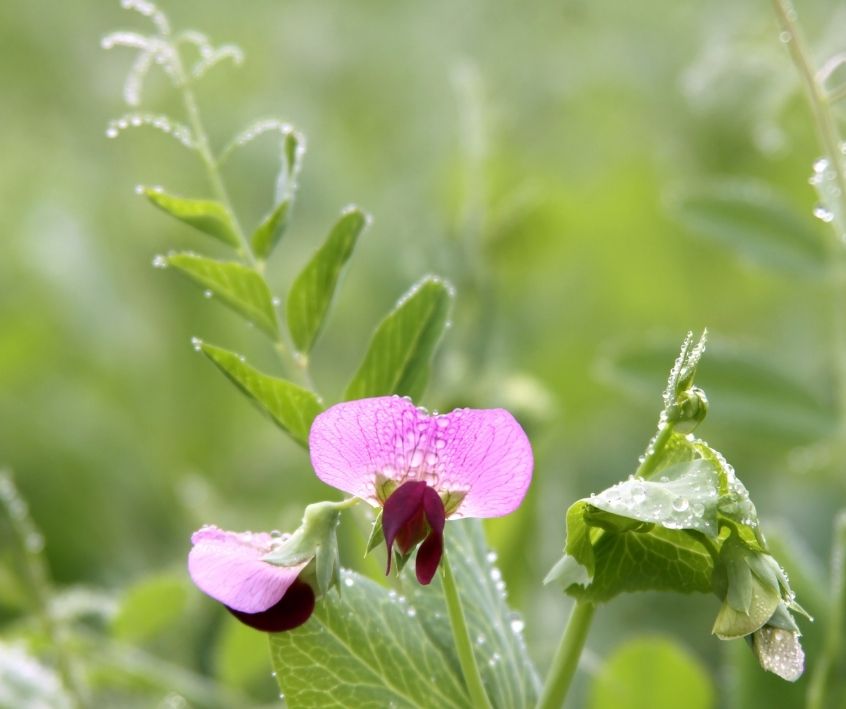
Cover crops are a patient gardener’s reward. You’ll enjoy a protective living cover while the real magic happens underground.
When you’re ready to plant again, cut down the cover crop and either turn it into the soil or lay it on top as mulch. As it breaks down, it releases stored nutrients right where your vegetables need them.
By your next planting season, you’ll be working with soil that’s darker, softer, and teeming with life. Your future self, and your seedlings, will thank you.
A Small Step With Big Rewards
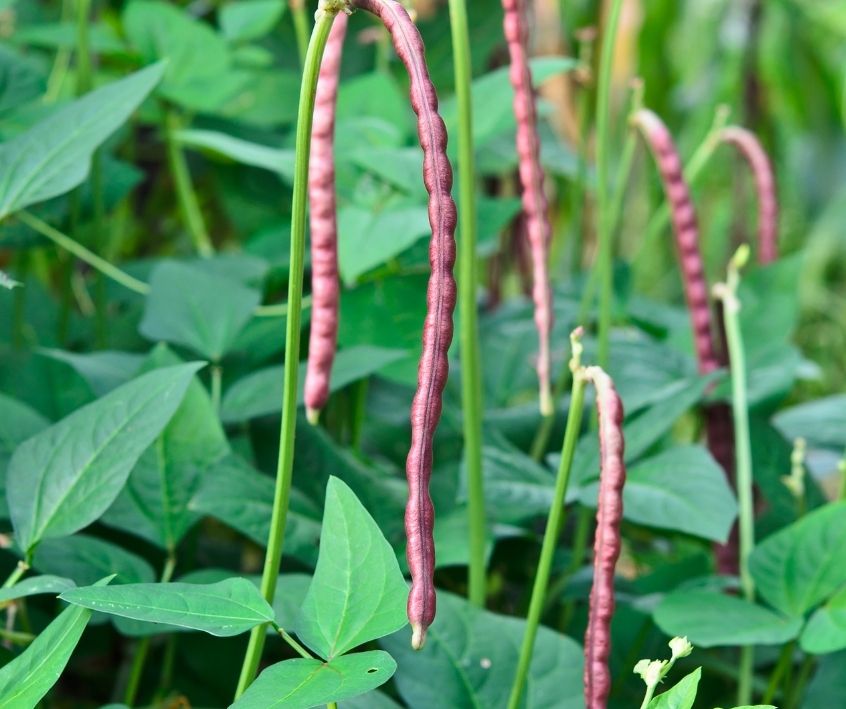
Sowing a cover crop is one of those quietly powerful gardening habits that pays off season after season. Whenever a bed clears out, it’s your cue to plant something that gives back.
More Summer Cover Crop Options from the Penn State Extension Office
It protects the earth, builds healthier soil, and sets you up for your best harvest yet, all while working gently with nature instead of against it.
So the next time a bed opens up in your garden, grab a handful of seeds and give that soil a cozy green blanket. It’s a tiny bit of effort now for a whole lot of goodness later. Happy gardening!
Visit the Garden Resources page for supplies and inspiration. Don’t forget to subscribe to the Calendula’s Garden Newsletter for more gardening tips.
Calendula’s Garden is reader supported. When you buy through links on our site, we may earn an affiliate commission. As an Amazon Associate, I earn from qualifying purchases. For more information, view our Disclaimer page. Thank you!